
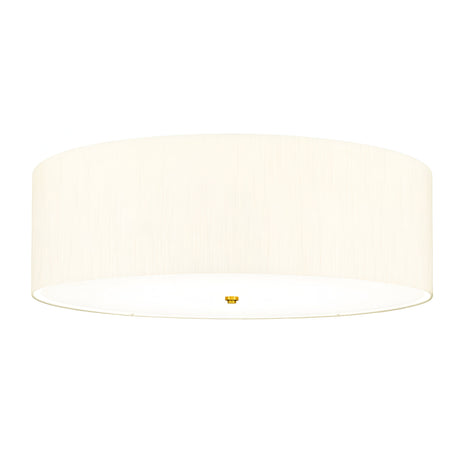
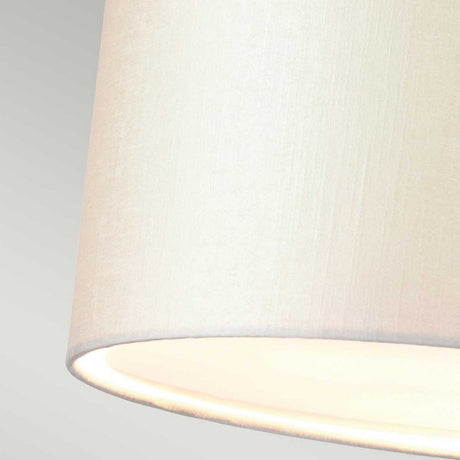
 Save 25%£31899£42600Unit price Translation missing: en.products.product.price.unit_price_separatorUnavailable
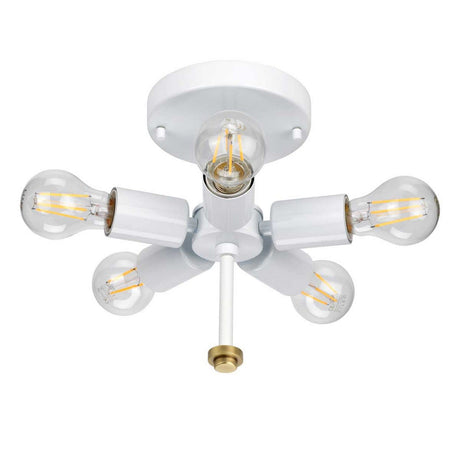
Fletcher 34" 7 Light Flush Ceiling Light - Aged Brass with Ivory Shade
 Free Delivery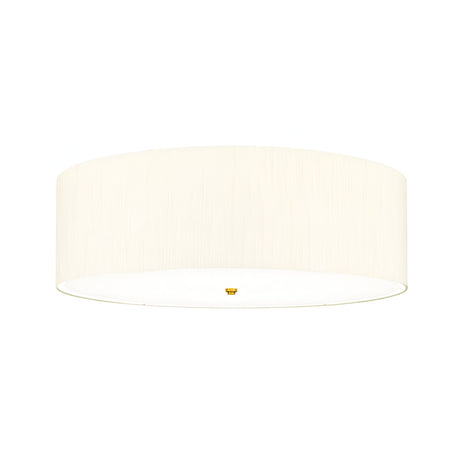
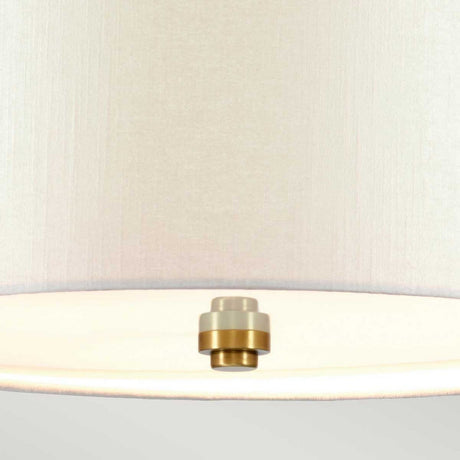 Save 25%£29699£39600Unit price Translation missing: en.products.product.price.unit_price_separatorUnavailable
Fletcher 30" Flush Ceiling Light - Aged Brass with Ivory Shade
Free Delivery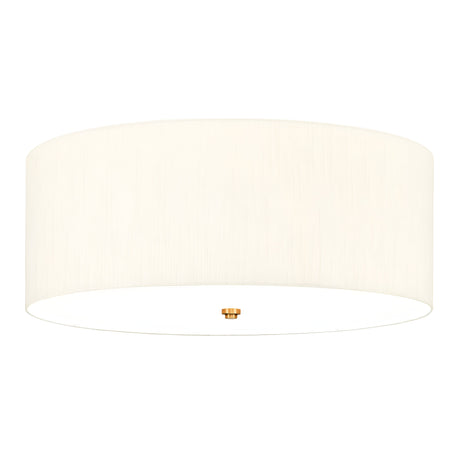
 Save 25%£25199£33600Unit price Translation missing: en.products.product.price.unit_price_separatorUnavailable
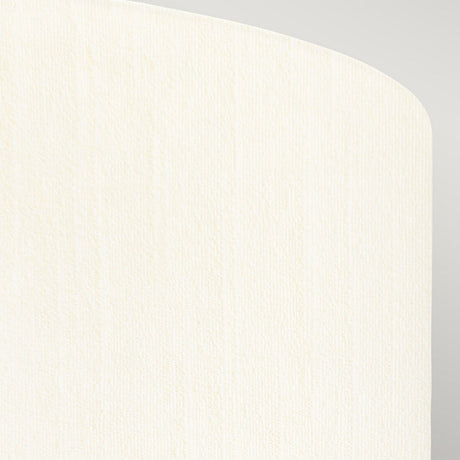
Fletcher 26" Flush Ceiling Light - Aged Brass with Ivory Shade
Free Delivery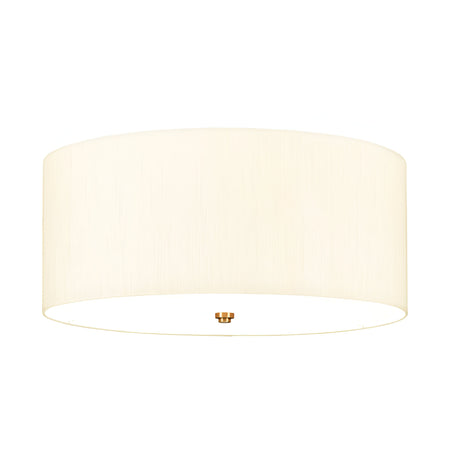
 Save 25%£21999£29400Unit price Translation missing: en.products.product.price.unit_price_separatorUnavailable
Fletcher 22" Flush Ceiling Light - Aged Brass with Ivory Shade
Free Delivery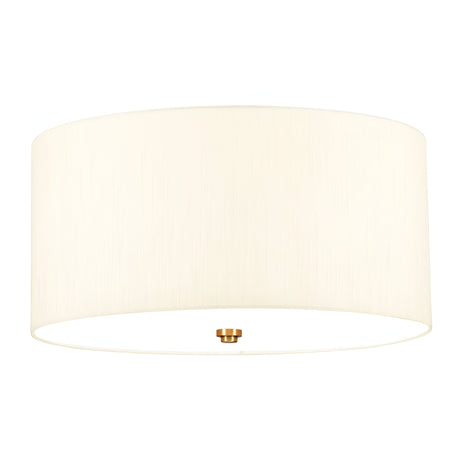
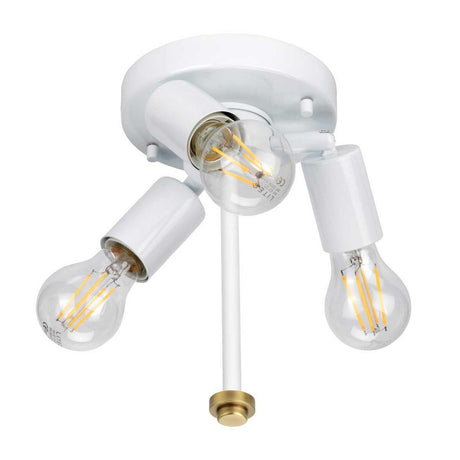 Save 25%£18899£25200Unit price Translation missing: en.products.product.price.unit_price_separatorUnavailable
Fletcher 18" Flush Ceiling Light - Aged Brass with Ivory Shade
Free Delivery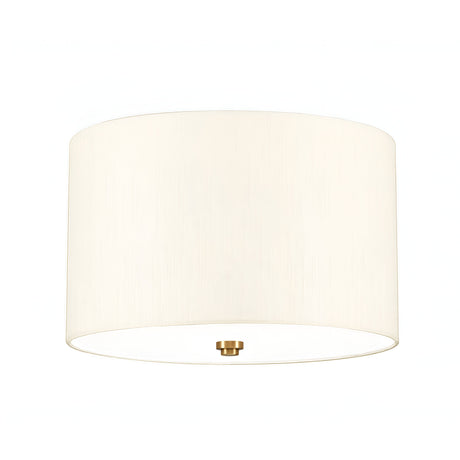
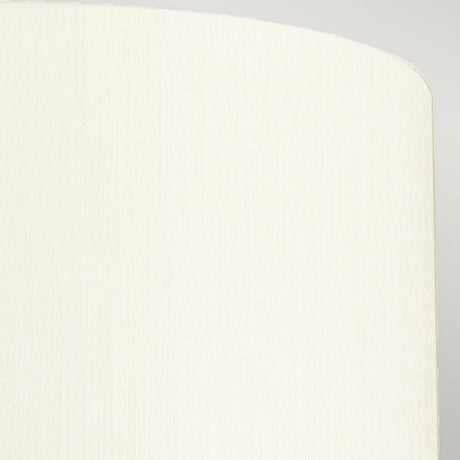 Save 25%£16599£22200Unit price Translation missing: en.products.product.price.unit_price_separatorUnavailable
Fletcher 14" Flush Ceiling Light - Aged Brass With Ivory Shade
Free Delivery
Flush and semi-flush, and which you need
A flush vintage ceiling light fixes straight to the ceiling with almost no drop. A semi-flush sits on a short brass stem and leaves 100 to 250mm, which lets light wash upward and gives the fitting more presence. Below about 2.4 metres take the flush version, particularly in a hallway or on a landing where people pass beneath it.
Period shapes that work close to the ceiling
The opal dome on a brass gallery is the most recognisable, and it reads as a schoolhouse or hallway fitting. Prismatic and holophane glass gives a sharper light and more visible texture. Bulkhead forms came from ships and corridors and suit a utility room or a back hall, and they are the toughest of the group by some margin. Enamel shades in white with a coloured rim are the factory version of the same idea.
Where they suit a room
Hallways, landings, kitchens and box rooms take vintage ceiling lights well, because the fitting is often the only decorative thing overhead. In a period house they read as original where a modern flush fitting would not. In a plain new room they add the one historic note that stops the ceiling looking blank. On a landing, check the fitting clears a loft hatch before it goes up.
Bulbs and the quality of light
Some take a replaceable lamp and others carry a fixed LED module. Where the lamp is replaceable, warm white around 2700K suits brass and opal; anything cooler makes brass look green. Behind clear or prismatic glass a filament lamp continues the period look and is worth the small extra cost. Check the stated maximum wattage before fitting anything larger than supplied.
Bathrooms, porches and IP ratings
Bulkhead and enamel forms are often IP-rated, which makes them useful in a bathroom or a porch where a decorative fitting would not survive. IP44 covers splashing and suits most bathroom ceilings; IP65 handles jets and suits an exposed soffit. An unrated fitting is for dry rooms whatever its finish suggests, so check the page rather than the appearance.
Cleaning glass and looking after brass
Opal and prismatic glass shows dust more than most, and prismatic more than opal because of the ridges. Turn the power off, let the lamp cool, and wash the diffuser in warm water rather than wiping it in place. Aged brass should be dusted dry and left alone. Enamel is durable but chips at the rim, so support a shade properly when refitting it.
Fixing to the ceiling
Flush fittings need a level surface and space behind for the connection block, which is worth checking on a beamed or sloping ceiling. A cast brass gallery with a thick glass diffuser is heavier than it looks and wants a joist or a batten rather than plasterboard alone. Treat an existing ceiling rose as unproven until you know what is behind it. A ceiling light is also the one fitting everybody sees from directly underneath, so the underside matters more than the profile does. A cast brass gallery reads very differently from a pressed one at that angle, and it is the single detail worth paying for on a fitting you will look up at every day for years. Check the photographs for an underside view before ordering, and ask us if there is not one. Check the photographs for an underside view before ordering, and ask us if there is not one, because that is the face you will actually live with rather than the profile shown on most listings. Where a fitting is going onto a lath-and-plaster ceiling, ask the electrician to find a joist rather than trusting a plasterboard anchor, since the old plaster carries almost nothing on its own.
Frequently Asked Questions
What is the difference between flush and semi-flush?
What is the difference between flush and semi-flush?
Which suits a low ceiling?
Which suits a low ceiling?
Can a vintage ceiling light go in a bathroom?
Can a vintage ceiling light go in a bathroom?
Do they take normal bulbs?
Do they take normal bulbs?
What colour temperature suits them?
What colour temperature suits them?
How do I clean a prismatic diffuser?
How do I clean a prismatic diffuser?
Related Collections


BestSellers
-

 £49499Unit price Translation missing: en.products.product.price.unit_price_separatorUnavailable
Caelith 1 Light Medium Carved Alabaster Wall Light - Brushed Brass
Free Delivery In our showroom
 -

 £63999Unit price Translation missing: en.products.product.price.unit_price_separatorUnavailable3 In StockFree Delivery
 -

 £11,87999Unit price Translation missing: en.products.product.price.unit_price_separatorUnavailableFree Delivery
 -

 £1,42999Unit price Translation missing: en.products.product.price.unit_price_separatorUnavailable
Seraphis LED Medium Alabaster Ring Chandelier - Brushed Brass
Free Delivery -

 £1,31999Unit price Translation missing: en.products.product.price.unit_price_separatorUnavailableFree Delivery
 -

 £80299Unit price Translation missing: en.products.product.price.unit_price_separatorUnavailableFree Delivery
 -

 £1,20999Unit price Translation missing: en.products.product.price.unit_price_separatorUnavailableFree Delivery
 -

 £2,96999Unit price Translation missing: en.products.product.price.unit_price_separatorUnavailable
Sorrelis 9 Light Alabaster Chandelier - Soft White & Brushed Brass
Free Delivery -

 £1,64999Unit price Translation missing: en.products.product.price.unit_price_separatorUnavailableFree Delivery
 -

 £2,96999Unit price Translation missing: en.products.product.price.unit_price_separatorUnavailableFree Delivery
 -

 £1,53999Unit price Translation missing: en.products.product.price.unit_price_separatorUnavailableFree Delivery
 -

 £2,30999Unit price Translation missing: en.products.product.price.unit_price_separatorUnavailable
Stratalux LED Stacked Alabaster Column Floor Lamp - Matt Black
Free Delivery


Recommended For You
Our Reviews
-

Birmingham Based
British heritage. Worldwide delivery.
