

 £67099Unit price Translation missing: en.products.product.price.unit_price_separatorUnavailable2 In Stock
 Free Delivery
 In our showroom

 £67099Unit price Translation missing: en.products.product.price.unit_price_separatorUnavailable
Marea Alabaster LED Semi-Flush Ceiling Light - Brushed Brass
2 In StockFree DeliveryIn our showroom
 £47299Unit price Translation missing: en.products.product.price.unit_price_separatorUnavailable
Marea Round LED Alabaster Semi-Flush Ceiling Light - Matt Black
2 In StockFree DeliveryIn our showroom
 £47299Unit price Translation missing: en.products.product.price.unit_price_separatorUnavailable
Marea Round LED Alabaster Semi-Flush Ceiling Light - Brushed Brass
2 In StockFree DeliveryIn our showroom
 Save 20%£24799£30999Unit price Translation missing: en.products.product.price.unit_price_separatorUnavailable3 In StockFree DeliveryIn our showroom
 £12999Unit price Translation missing: en.products.product.price.unit_price_separatorUnavailable6 In StockFree Delivery
 £17999Unit price Translation missing: en.products.product.price.unit_price_separatorUnavailable4 In StockFree DeliveryIn our showroom
 Save 20%From £7999£9999Unit price Translation missing: en.products.product.price.unit_price_separatorUnavailable10 In StockIn our showroom
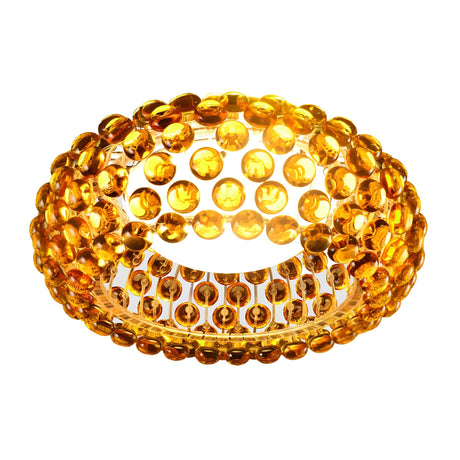
 £30999Unit price Translation missing: en.products.product.price.unit_price_separatorUnavailableMade to OrderFree DeliveryIn our showroom

 £1,09999Unit price Translation missing: en.products.product.price.unit_price_separatorUnavailable
Valora 8 Light Metal Chain Veil Semi-Flush Ceiling Light - Nickel
Made to OrderFree Delivery
 £29999Unit price Translation missing: en.products.product.price.unit_price_separatorUnavailableMade to OrderFree Delivery

 £59999Unit price Translation missing: en.products.product.price.unit_price_separatorUnavailableMade to OrderFree Delivery

 £79999Unit price Translation missing: en.products.product.price.unit_price_separatorUnavailableMade to OrderFree Delivery

 £69999Unit price Translation missing: en.products.product.price.unit_price_separatorUnavailableMade to OrderFree Delivery
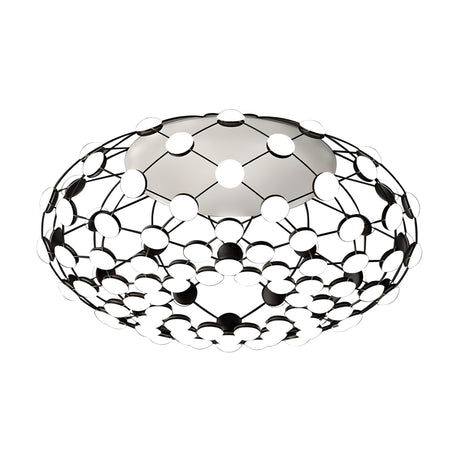
 £89999Unit price Translation missing: en.products.product.price.unit_price_separatorUnavailableMade to OrderFree Delivery

 £20999Unit price Translation missing: en.products.product.price.unit_price_separatorUnavailableMade to OrderFree Delivery
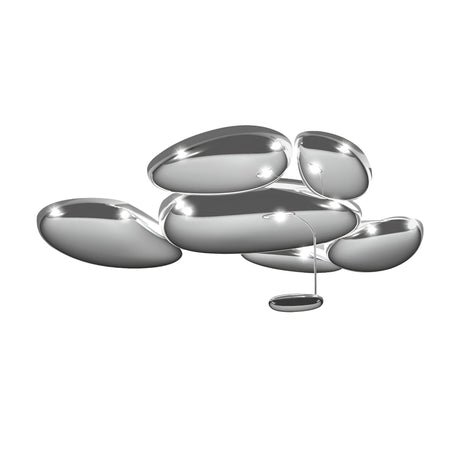
 From £79000Unit price Translation missing: en.products.product.price.unit_price_separatorUnavailableMade to OrderFree Delivery

 £1,07799Unit price Translation missing: en.products.product.price.unit_price_separatorUnavailable
Aleron LED Large Round Alabaster Flush Ceiling Light - Soft White & Brushed Brass
Made to OrderFree Delivery £42899Unit price Translation missing: en.products.product.price.unit_price_separatorUnavailable
Aleron LED Extra Small Round Alabaster Flush Ceiling Light - Soft White & Brushed Brass
Made to OrderFree Delivery
 £37399Unit price Translation missing: en.products.product.price.unit_price_separatorUnavailable
Arvello 1 Light Wide Dome Alabaster Semi-Flush Ceiling Light - Soft White & Brushed Brass
Made to OrderFree Delivery £83599Unit price Translation missing: en.products.product.price.unit_price_separatorUnavailable
Aleron LED Medium Round Alabaster Flush Ceiling Light - Brushed Brass
Made to OrderFree Delivery £58299Unit price Translation missing: en.products.product.price.unit_price_separatorUnavailable
Aleron LED Small Round Alabaster Flush Ceiling Light - Soft White & Brushed Brass
Made to OrderFree Delivery
 £58299Unit price Translation missing: en.products.product.price.unit_price_separatorUnavailable
Veltrix LED Large Round Alabaster Flush Ceiling Light - Soft White & Brushed Brass
Made to OrderFree Delivery
 £34099Unit price Translation missing: en.products.product.price.unit_price_separatorUnavailable
Bravora 1 Light Cube Alabaster Semi-Flush Ceiling Light - Soft White & Brushed Brass
Made to OrderFree Delivery
 £50599Unit price Translation missing: en.products.product.price.unit_price_separatorUnavailable
Veltrix LED Medium Round Alabaster Flush Ceiling Light - Soft White & Brushed Brass
Made to OrderFree Delivery
 £43999Unit price Translation missing: en.products.product.price.unit_price_separatorUnavailable
Veltrix LED Small Round Alabaster Flush Ceiling Light - Soft White & Brushed Brass
Made to OrderFree Delivery
 £2,96999Unit price Translation missing: en.products.product.price.unit_price_separatorUnavailable
Cadris LED Large Square Alabaster Flush Ceiling Light - Soft White & Brushed Brass
Made to OrderFree Delivery £2,19999Unit price Translation missing: en.products.product.price.unit_price_separatorUnavailable
Cadris LED Medium Square Alabaster Flush Ceiling Light - Soft White & Brushed Brass
Made to OrderFree Delivery £1,64999Unit price Translation missing: en.products.product.price.unit_price_separatorUnavailable
Cadris LED Small Square Alabaster Flush Ceiling Light - Soft White & Brushed Brass
Made to OrderFree Delivery
 £2,19999Unit price Translation missing: en.products.product.price.unit_price_separatorUnavailable
Bravion LED Large Round Alabaster Flush Ceiling Light - Brushed Brass
Made to OrderFree Delivery £1,53999Unit price Translation missing: en.products.product.price.unit_price_separatorUnavailable
Bravion LED Round Alabaster Flush Ceiling Light 400mm - Brushed Brass
Made to OrderFree Delivery £1,09999Unit price Translation missing: en.products.product.price.unit_price_separatorUnavailable
Bravion LED Small Round Alabaster Flush Ceiling Light - Soft White & Brushed Brass
Made to OrderFree Delivery
 £1,75999Unit price Translation missing: en.products.product.price.unit_price_separatorUnavailableMade to OrderFree Delivery
 £1,09999Unit price Translation missing: en.products.product.price.unit_price_separatorUnavailable
Elara 10 Light Layered Alabaster Semi-Flush Ceiling Light - Soft White & Brass
Made to OrderFree Delivery
 £37399Unit price Translation missing: en.products.product.price.unit_price_separatorUnavailable
Arvello Wide Alabaster Semi-Flush Light - Soft White & Matt Black
Made to OrderFree Delivery
 £31899Unit price Translation missing: en.products.product.price.unit_price_separatorUnavailable
Arvello Alabaster Semi-Flush Light - Soft White & Matt Black
Made to OrderFree Delivery
 £31899Unit price Translation missing: en.products.product.price.unit_price_separatorUnavailable
Arvello Alabaster Semi-Flush Light - Soft White & Brushed Brass
Made to OrderFree Delivery
 £34099Unit price Translation missing: en.products.product.price.unit_price_separatorUnavailable
Bravora 1 Light Cylinder Alabaster Semi-Flush Ceiling Light - Soft White & Brushed Brass
Made to OrderFree Delivery
 £34099Unit price Translation missing: en.products.product.price.unit_price_separatorUnavailable
Bravora 1 Light Alabaster Globe Semi-Flush Ceiling Light - Brushed Brass
Made to OrderFree Delivery
 £18699Unit price Translation missing: en.products.product.price.unit_price_separatorUnavailableMade to OrderFree Delivery

 £18699Unit price Translation missing: en.products.product.price.unit_price_separatorUnavailable
Elara LED Mini Drop Alabaster Semi-Flush Light - Brushed Brass
Made to OrderFree Delivery
 £1,64999Unit price Translation missing: en.products.product.price.unit_price_separatorUnavailableMade to OrderFree Delivery

 £67099Unit price Translation missing: en.products.product.price.unit_price_separatorUnavailable
Calyra LED Small Alabaster Semi-Flush Ceiling Light - Brushed Brass
Made to OrderFree Delivery
 £5,60999Unit price Translation missing: en.products.product.price.unit_price_separatorUnavailable
Orbis Extra Large LED Alabaster Semi-Flush Ceiling Light - Soft White
Made to OrderFree Delivery £3,51999Unit price Translation missing: en.products.product.price.unit_price_separatorUnavailable
Orbis Large LED Alabaster Semi-Flush Ceiling Light - Brushed Brass
Made to OrderFree Delivery
 £2,30999Unit price Translation missing: en.products.product.price.unit_price_separatorUnavailable
Orbis Medium LED Alabaster Semi-Flush Ceiling Light - Brushed Brass
Made to OrderFree Delivery £1,64999Unit price Translation missing: en.products.product.price.unit_price_separatorUnavailable
Orbis Small LED Alabaster Semi-Flush Ceiling Light - Brushed Brass
Made to OrderFree Delivery
 £6899Unit price Translation missing: en.products.product.price.unit_price_separatorUnavailable
Baymont E27 Ivory Semi Flush Ceiling Light 40cm - Antique Brass
18 In Stock


What type of ceiling light is best for a living room?
Start with the height of the room. In a flat or a recently built house, where the ceiling tends to be modest, a flush fitting or a shallow semi-flush one keeps headroom when the room fills with standing guests. A taller Victorian or Edwardian front room can carry a deeper semi-flush design, which fills more of the ceiling and sits in proportion with a cornice. We stock both forms, so the choice can follow your room.
In a living room the ceiling light does the general lighting for tidying, games and visitors, while a floor lamp by the reading chair, table lamps and wall lights in the alcoves take over as the evening goes on. Most of the fittings we stock here are made for that kind of ambient light, and a soft, dimmable one is the best all-round choice for a lounge.
What size ceiling light for a living room?
A living room is judged from a seat, so size the fitting to the area you use as well as to the floor plan. The lighting point is often off-centre to the seating, because a chimney breast or bay window has pushed the furniture over, and then a fitting with a broad, even spread does more for the sofa than a small, bright one. Before you order, cut a circle of card to the fitting's diameter and have someone hold it to the ceiling while you sit in your usual seat: you will see at once whether it is too timid or too much.
We stock small, medium, large and extra-large fittings: the smaller sizes suit a snug or compact terrace lounge, while the larger ones give a big room a proper centre.
How to avoid glare from a living room ceiling light
A living room is where you sit back, often with your head against a cushion, so the underside of the fitting stays at the edge of your view for hours at a time. A bare, bright lamp at that angle tires the eyes and can bounce off a TV screen or a glazed picture. We stock opal and frosted glass diffusers, which hide the lamp and even out the light, and fabric shades, which soften it. Clear glass and crystal trade that softness for sparkle; where the fitting takes replaceable lamps, a frosted bulb or one with a lower output keeps the sparkle without the sting.
For films, turning the ceiling light right down, or switching to a lamp beside or behind the screen, takes the reflection off the picture altogether.
Should a living room ceiling light be dimmable?
As a rule, yes. The same fitting has to light a wet afternoon of board games and homework, then a late film, and a dimmer lets it do both. Most of the living room ceiling lights we stock are dimmable and some are not, so check before you buy. Integrated LED fittings and LED lamps generally need an LED-compatible dimmer, often a trailing-edge type, and an old dimmer made for filament bulbs can make them flicker or hum.
Warm white suits the evening best, and many of our fittings give it. Many offer adjustable colour temperature, so a cooler, crisper setting can help with daytime jobs before you warm the room again at night. We also stock some smart-home ceiling lights for homes already set up that way.
Which finish and style suit a living room ceiling light?
A living room gathers a surprising amount of metal: curtain poles, mirror and picture frames, coffee table legs, a fire surround, the switch plate by the door. Pick up the strongest of these in the ceiling light and the room hangs together. We stock brass, gold, chrome, silver, nickel, black and white fittings: brass and gold sit happily with warm woods and a period fireplace; chrome, silver and nickel follow a cooler scheme; black gives a crisp outline against pale walls; and white fades into a white ceiling.
Most of our living room ceiling lights are modern and many are traditional, with Scandinavian, industrial, vintage and art deco designs alongside. If your front room keeps an original plaster ceiling rose, look for a fitting with a small ceiling plate that sits inside the rose rather than a wide flush base that hides it.
Living room ceiling lights for small rooms, open plans and through-lounges
In a small living room, keep the fitting flush, compact and pale, and favour a diffuser that washes light onto the ceiling and walls: bright walls make a small room read larger. In an open-plan space, the lounge and dining ends can share a finish without being identical, and many of our living room ceiling lights suit a dining room too.
A through-lounge, where the wall between front and back rooms has come down, usually has a lighting point at either end. A matching pair of flush or semi-flush fittings lights it more evenly than a lone fitting straining to light the whole length. If both points share a switch, a single dimmer can run them together, provided its load rating covers the pair.
Frequently Asked Questions
Which kind of ceiling light works best in a living room?
Which kind of ceiling light works best in a living room?
How do I choose a ceiling light for my living room?
How do I choose a ceiling light for my living room?
How big should a living room ceiling light be?
How big should a living room ceiling light be?
What should I look for in a ceiling light for a small living room?
What should I look for in a ceiling light for a small living room?
Which modern ceiling lights suit a living room?
Which modern ceiling lights suit a living room?
Will a dimmable ceiling light work with the dimmer switch I already have?
Will a dimmable ceiling light work with the dimmer switch I already have?
Can I swap the old pendant in my living room for a flush or semi-flush fitting?
Can I swap the old pendant in my living room for a flush or semi-flush fitting?


BestSellers
-

 £63999Unit price Translation missing: en.products.product.price.unit_price_separatorUnavailable1 In Stock3 In ProductionFree Delivery
-

 £49499Unit price Translation missing: en.products.product.price.unit_price_separatorUnavailable
Caelith 1 Light Medium Carved Alabaster Wall Light - Brushed Brass
4 In ProductionFree DeliveryIn our showroom -

 £2,96999Unit price Translation missing: en.products.product.price.unit_price_separatorUnavailableMade to OrderFree Delivery
-

 £1,31999Unit price Translation missing: en.products.product.price.unit_price_separatorUnavailable1 In ProductionFree Delivery
-

 Save 20%£19199£23999Unit price Translation missing: en.products.product.price.unit_price_separatorUnavailable2 In StockFree DeliveryIn our showroom
-
£1,07799Unit price Translation missing: en.products.product.price.unit_price_separatorUnavailable
Aleron LED Large Round Alabaster Flush Ceiling Light - Soft White & Brushed Brass
Made to OrderFree Delivery -

 £80299Unit price Translation missing: en.products.product.price.unit_price_separatorUnavailableMade to OrderFree Delivery
-

 £1,20999Unit price Translation missing: en.products.product.price.unit_price_separatorUnavailableMade to OrderFree Delivery
-

 £1,53999Unit price Translation missing: en.products.product.price.unit_price_separatorUnavailable
Selvara 10 Light Alabaster Cluster Chandelier - Brushed Brass
Made to OrderFree DeliveryIn our showroom -

 £1,69999Unit price Translation missing: en.products.product.price.unit_price_separatorUnavailableMade to OrderFree Delivery
-

 £2,96999Unit price Translation missing: en.products.product.price.unit_price_separatorUnavailable
Sorrelis 9 Light Alabaster Chandelier - Soft White & Brushed Brass
Made to OrderFree Delivery -

 £1,53999Unit price Translation missing: en.products.product.price.unit_price_separatorUnavailableMade to OrderFree Delivery


Recommended For You
Our Reviews
-

Birmingham Based
British heritage. Worldwide delivery.
