

 Save 25%£23299£31221Unit price Translation missing: en.products.product.price.unit_price_separatorUnavailable810 In Stock
 Free Delivery
 £7199Unit price Translation missing: en.products.product.price.unit_price_separatorUnavailable10 In Stock
 Save 17%£24199£28992Unit price Translation missing: en.products.product.price.unit_price_separatorUnavailable10 In StockFree Delivery
 Save 17%£16999£20376Unit price Translation missing: en.products.product.price.unit_price_separatorUnavailable10 In StockFree Delivery
 Save 17%£24199£28992Unit price Translation missing: en.products.product.price.unit_price_separatorUnavailable10 In StockFree Delivery
 Save 17%£16999£20376Unit price Translation missing: en.products.product.price.unit_price_separatorUnavailable10 In StockFree Delivery
 £8799Unit price Translation missing: en.products.product.price.unit_price_separatorUnavailable10 In Stock
 £6499Unit price Translation missing: en.products.product.price.unit_price_separatorUnavailable10 In Stock
 £8899Unit price Translation missing: en.products.product.price.unit_price_separatorUnavailable10 In Stock
 Save 25%£17199£23047Unit price Translation missing: en.products.product.price.unit_price_separatorUnavailable53 In StockFree Delivery
 Save 25%£13799£18491Unit price Translation missing: en.products.product.price.unit_price_separatorUnavailable81 In StockFree Delivery
 Save 25%£30399£40735Unit price Translation missing: en.products.product.price.unit_price_separatorUnavailable16 In StockFree Delivery
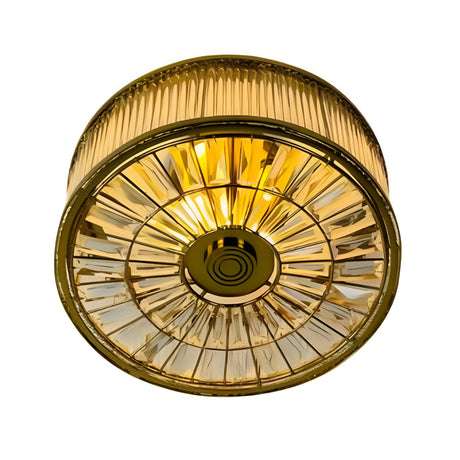 Save 27%£36399£50000Unit price Translation missing: en.products.product.price.unit_price_separatorUnavailable
Beaumont 4 Light Flush Ceiling Light - Antique Brass Glass Rod
8 In StockFree Delivery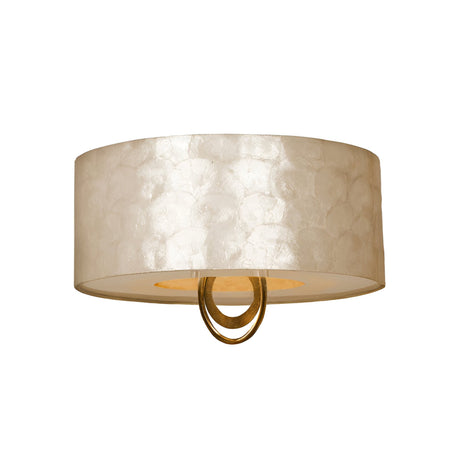
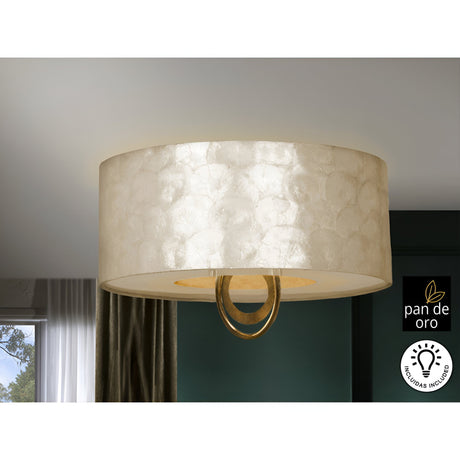 Save 8%£44899£48899Unit price Translation missing: en.products.product.price.unit_price_separatorUnavailable
Eden Large 4 Light Flush Ceiling Light - Gold Leaf with Nacre Shell
9 In StockFree Delivery
 Save 25%£15699£21000Unit price Translation missing: en.products.product.price.unit_price_separatorUnavailableFree Delivery
 Save 25%£17999£24000Unit price Translation missing: en.products.product.price.unit_price_separatorUnavailableFree Delivery
 Save 25%£38199£51000Unit price Translation missing: en.products.product.price.unit_price_separatorUnavailableFree Delivery
 Save 25%£22499£30000Unit price Translation missing: en.products.product.price.unit_price_separatorUnavailableFree Delivery
 Save 25%£15699£21000Unit price Translation missing: en.products.product.price.unit_price_separatorUnavailableFree Delivery
 Save 25%£9899£13200Unit price Translation missing: en.products.product.price.unit_price_separatorUnavailable
 Save 16%£31399£37200Unit price Translation missing: en.products.product.price.unit_price_separatorUnavailable
Fay 3 Light Crystal Semi-Flush Ceiling Light - Aged Gold/Silver
Free Delivery
 Save 15%£7199£8500Unit price Translation missing: en.products.product.price.unit_price_separatorUnavailable
 Save 16%£21599£25600Unit price Translation missing: en.products.product.price.unit_price_separatorUnavailableFree Delivery
 Save 16%£33699£39900Unit price Translation missing: en.products.product.price.unit_price_separatorUnavailableFree Delivery
 Save 15%£16399£19400Unit price Translation missing: en.products.product.price.unit_price_separatorUnavailable
Holland 6 Light Wall/Semi-Flush Ceiling Light - Brown/Black Oxide
Free Delivery
 Save 16%£15099£17900Unit price Translation missing: en.products.product.price.unit_price_separatorUnavailableFree Delivery
 Save 15%£16499£19500Unit price Translation missing: en.products.product.price.unit_price_separatorUnavailableFree Delivery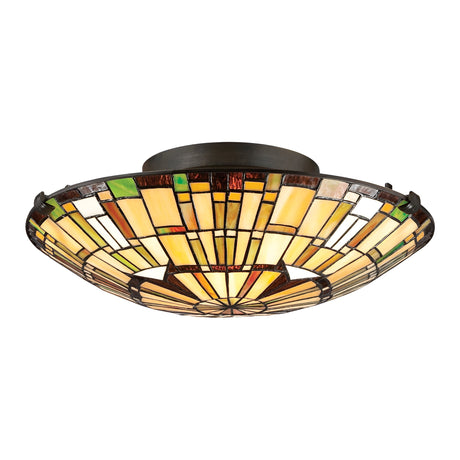
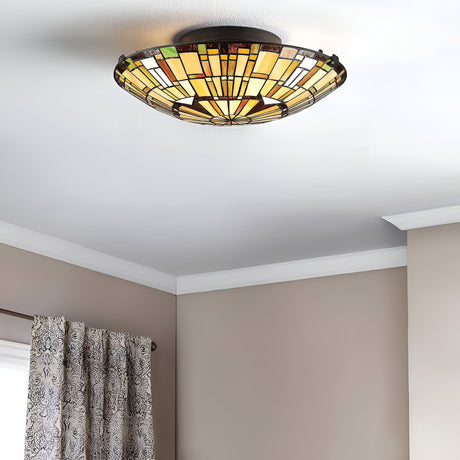 Save 25%£21099£28200Unit price Translation missing: en.products.product.price.unit_price_separatorUnavailableFree Delivery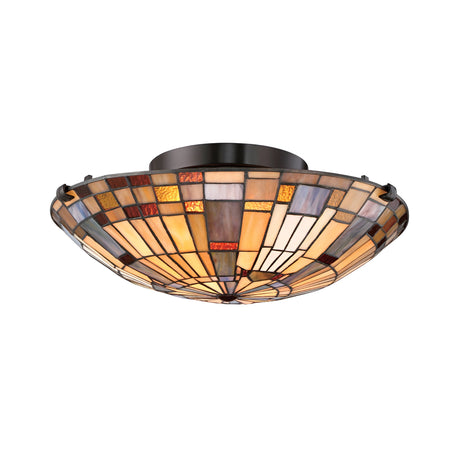
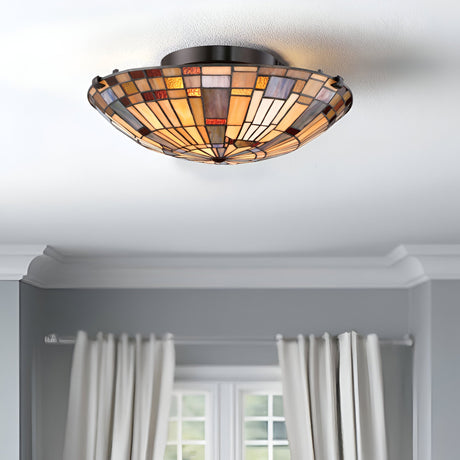 Save 25%£21099£28200Unit price Translation missing: en.products.product.price.unit_price_separatorUnavailable
Inglenook 2 Light Tiffany Flush Ceiling Light - Vintage Bronze
Free Delivery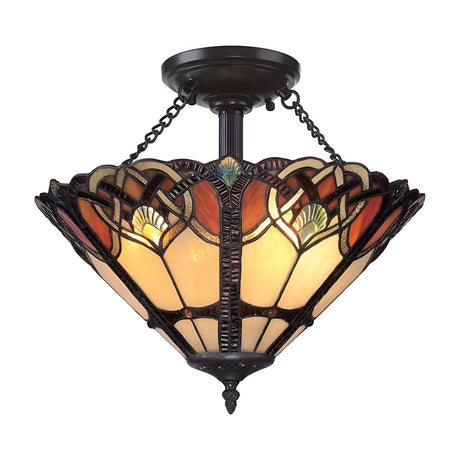
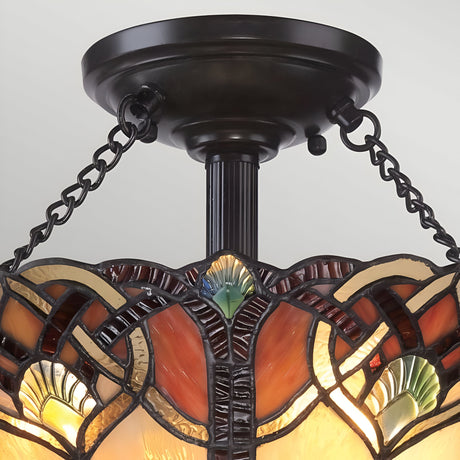 Save 25%£23799£31800Unit price Translation missing: en.products.product.price.unit_price_separatorUnavailable
Cambridge 2 Light Tiffany Semi-Flush Ceiling Light - Vintage Bronze
Free Delivery
 Save 25%£20699£27600Unit price Translation missing: en.products.product.price.unit_price_separatorUnavailable
Inglenook Outdoor 2 Light Tiffany Flush Ceiling Light - Valiant Bronze
Free Delivery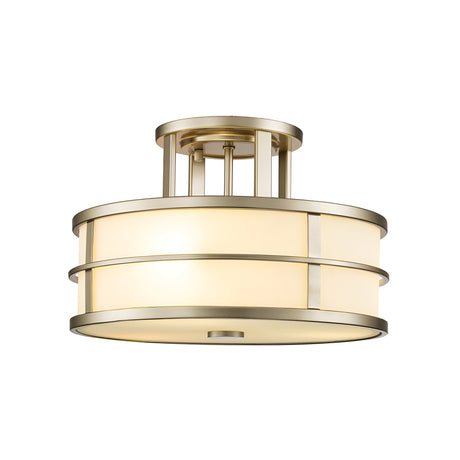
 Save 25%£19299£25800Unit price Translation missing: en.products.product.price.unit_price_separatorUnavailable
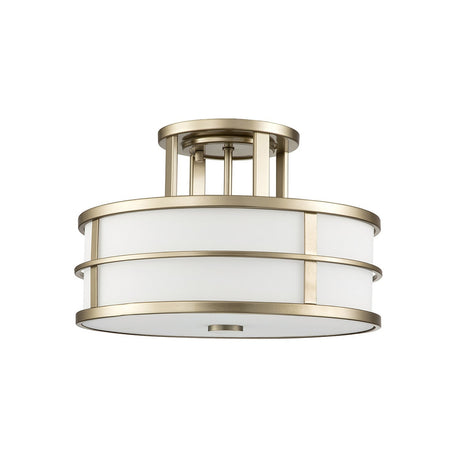
Fusion 3 Light Semi-Flush Ceiling Light - Painted Natural Brass
Free Delivery
 Save 25%£16599£22200Unit price Translation missing: en.products.product.price.unit_price_separatorUnavailableFree Delivery
 Save 25%£19299£25800Unit price Translation missing: en.products.product.price.unit_price_separatorUnavailable
West End 2 Light Tiffany Flush Ceiling Light - Vintage Bronze
Free Delivery
 Save 25%£19299£25800Unit price Translation missing: en.products.product.price.unit_price_separatorUnavailable
Victory 2 Light Tiffany Flush Ceiling Light - Valiant Bronze
Free Delivery
 Save 25%£22499£30000Unit price Translation missing: en.products.product.price.unit_price_separatorUnavailable
Maybeck 2 Light Tiffany Semi-Flush Ceiling Light - Valiant Bronze
Free Delivery
 Save 25%£21599£28800Unit price Translation missing: en.products.product.price.unit_price_separatorUnavailableFree Delivery
 Save 25%£25599£34200Unit price Translation missing: en.products.product.price.unit_price_separatorUnavailable
Inglenook 2 Light Tiffany Semi-Flush Ceiling Light - Valiant Bronze
Free Delivery
 Save 25%£19299£25800Unit price Translation missing: en.products.product.price.unit_price_separatorUnavailable
Asheville 2 Light Tiffany Semi-Flush Ceiling Light - Valiant Bronze
Free Delivery
 Save 25%£19299£25800Unit price Translation missing: en.products.product.price.unit_price_separatorUnavailable
Asheville 2 Light Tiffany Flush Ceiling Light - Valiant Bronze
Free Delivery
 Save 25%£19299£25800Unit price Translation missing: en.products.product.price.unit_price_separatorUnavailableFree Delivery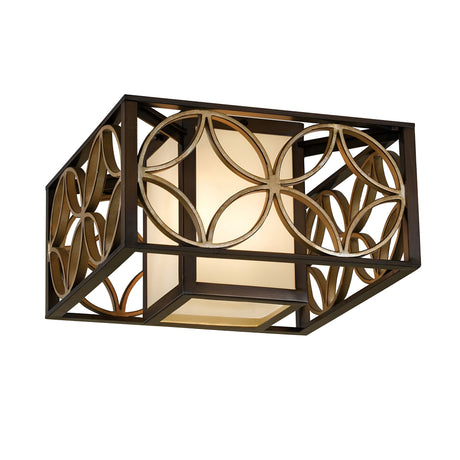
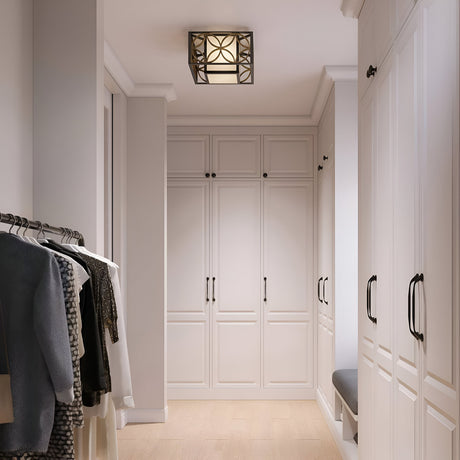 Save 25%£35999£48000Unit price Translation missing: en.products.product.price.unit_price_separatorUnavailable
Remy 2 Light Flush Ceiling Light - Heritage Bronze & Parisienne Gold
Free Delivery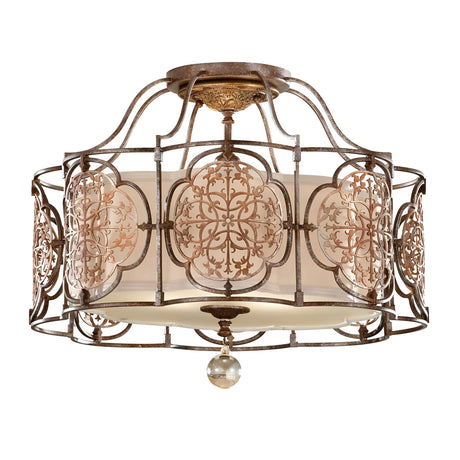
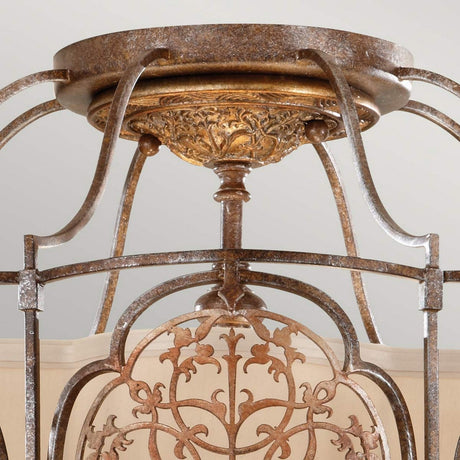 Save 25%£35999£48000Unit price Translation missing: en.products.product.price.unit_price_separatorUnavailableFree Delivery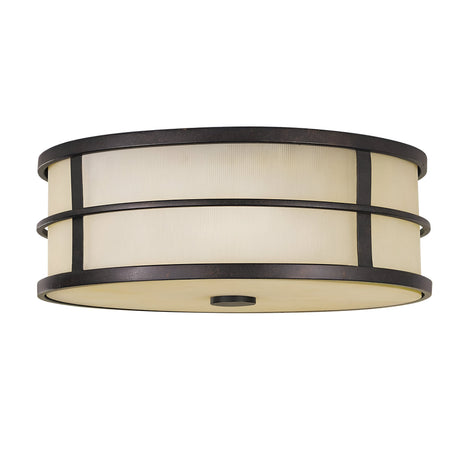
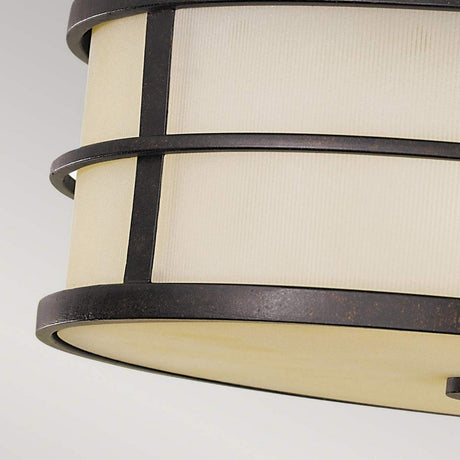 Save 25%£16599£22200Unit price Translation missing: en.products.product.price.unit_price_separatorUnavailableFree Delivery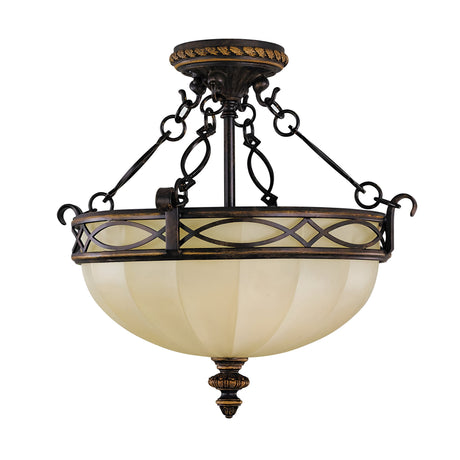
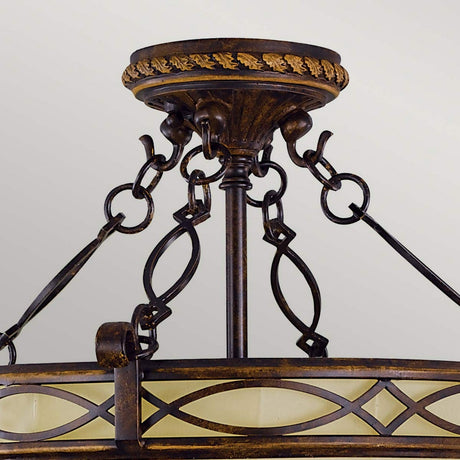 Save 25%£18899£25200Unit price Translation missing: en.products.product.price.unit_price_separatorUnavailable
Drawing Room 2 Light Semi-Flush Ceiling Light 394mm - Walnut
Free Delivery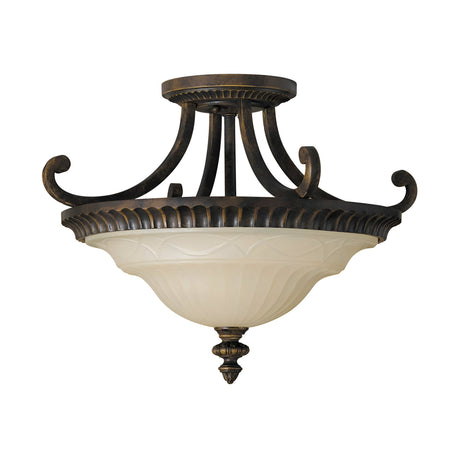
 Save 25%£17999£24000Unit price Translation missing: en.products.product.price.unit_price_separatorUnavailableFree Delivery
 Save 25%£20199£27000Unit price Translation missing: en.products.product.price.unit_price_separatorUnavailableFree Delivery
 Save 25%£16599£22200Unit price Translation missing: en.products.product.price.unit_price_separatorUnavailableFree Delivery


Deco geometry at ceiling level
Close to the ceiling you see a fitting mostly from below, so Deco designs work differently here than they do on a pendant. What reads is the plan view: concentric steps, a fan or sunburst radiating from the centre, a half-moon or a fluted disc. Brass, gold and bronze catch the light at the edges of each step, which is what separates a Deco flush fitting from a plain round one. Look at the edge treatment in the photographs rather than the outline: a stepped rim, a fluted band or a fan of ribs is the thing that will read from the floor, and a fitting without one is simply a circle.
Flush, semi-flush and headroom
A flush fitting sits directly against the ceiling and keeps every millimetre of headroom, which matters in a hallway or under 2.4 metres. A semi-flush hangs on a short stem of 100 to 250mm and lets light wash upward, which suits a landing or a bedroom with height to spare. On a Deco piece the semi-flush version usually reads better, because the stepping needs a little depth to show.
Fluted, frosted and tiered glass
Fluted and reeded glass is the most reliably Deco treatment and catches light along each ridge. Frosted and opal glass gives an even glow and hides the lamp, which suits a room you look up in. A tiered fitting stacks two or three stepped glass discs and is the most dramatic option, though it needs enough ceiling height not to feel low.
Where they suit
Hallways, landings and bedrooms take Deco ceiling lights well, and they are particularly good in a 1930s house where the architecture already carries the style. In a plain modern room a Deco flush fitting supplies the only ornament overhead. They pair naturally with matching wall lights, and a hallway with both reads as a deliberate scheme rather than a collection of fittings. A ceiling light is also the one fitting in the house everybody sees from directly underneath, so the underside matters more than the profile: a cast gallery reads very differently from a pressed one at that angle, and it is the single detail worth paying for here.
Bulbs and output
Almost all take replaceable lamps, and one carries a fixed LED module. Where the lamp is replaceable, warm white around 2700K suits brass and gold; cooler light flattens them and makes gold look green. Behind frosted or fluted glass the lamp is hidden, so choose on output. Check the stated maximum wattage before fitting anything larger than supplied.
Polished metal and how to keep it
Deco finishes are polished rather than aged, so they show fingerprints and water marks more than the brass on a vintage fitting. Wipe with a soft dry cloth. Clean glass with a barely damp cloth and dry immediately, since fluted glass holds droplets in the grooves. Never use metal polish on a lacquered finish, as it removes the lacquer.
Fixing and level
Stacked glass tiers are heavier than they look. Check the stated weight and fix into a joist or batten rather than plasterboard alone. A Deco fitting depends on symmetry, so it matters more than usual that the ceiling surface is level and the fitting sits square: a fan or stepped disc mounted a few degrees off looks wrong in a way a plain round fitting never does. If the ceiling is uneven, a fitting with a deeper canopy will hide more of the gap than a flat plate will, which is worth knowing in an older house. In an older house with an uneven ceiling, a deeper canopy hides more of the gap than a flat plate manages.
Frequently Asked Questions
What makes a ceiling light Art Deco?
What makes a ceiling light Art Deco?
Flush or semi-flush?
Flush or semi-flush?
Do they take normal bulbs?
Do they take normal bulbs?
What colour temperature suits them?
What colour temperature suits them?
Are matching wall lights available?
Are matching wall lights available?
How do I clean fluted glass?
How do I clean fluted glass?
Related Collections


BestSellers
-

 £49499Unit price Translation missing: en.products.product.price.unit_price_separatorUnavailable
Caelith 1 Light Medium Carved Alabaster Wall Light - Brushed Brass
Free Delivery In our showroom
 -

 £63999Unit price Translation missing: en.products.product.price.unit_price_separatorUnavailable1 In StockFree Delivery
 -

 £11,87999Unit price Translation missing: en.products.product.price.unit_price_separatorUnavailableFree Delivery
 -

 £1,42999Unit price Translation missing: en.products.product.price.unit_price_separatorUnavailable
Seraphis LED Medium Alabaster Ring Chandelier - Brushed Brass
Free Delivery -

 £1,31999Unit price Translation missing: en.products.product.price.unit_price_separatorUnavailableFree Delivery
 -

 £80299Unit price Translation missing: en.products.product.price.unit_price_separatorUnavailableFree Delivery
 -

 £1,20999Unit price Translation missing: en.products.product.price.unit_price_separatorUnavailableFree Delivery
 -

 £2,96999Unit price Translation missing: en.products.product.price.unit_price_separatorUnavailable
Sorrelis 9 Light Alabaster Chandelier - Soft White & Brushed Brass
Free Delivery -

 £1,64999Unit price Translation missing: en.products.product.price.unit_price_separatorUnavailableFree Delivery
 -

 £2,96999Unit price Translation missing: en.products.product.price.unit_price_separatorUnavailableFree Delivery
 -

 £1,53999Unit price Translation missing: en.products.product.price.unit_price_separatorUnavailableFree Delivery
 -

 £2,30999Unit price Translation missing: en.products.product.price.unit_price_separatorUnavailable
Stratalux LED Stacked Alabaster Column Floor Lamp - Matt Black
Free Delivery


Recommended For You
Our Reviews
-

Birmingham Based
British heritage. Worldwide delivery.
