

 Save 24%£78199£1,02240Unit price Translation missing: en.products.product.price.unit_price_separatorUnavailable
Andromeda 14 Light LED Glass Bar Pendant Light 3000K - Multicoloured
Available to Order Free Delivery

 Save 23%£75999£99240Unit price Translation missing: en.products.product.price.unit_price_separatorUnavailable
Andromeda 14 Light LED Glass Cluster Pendant - Multicoloured
Available to OrderFree Delivery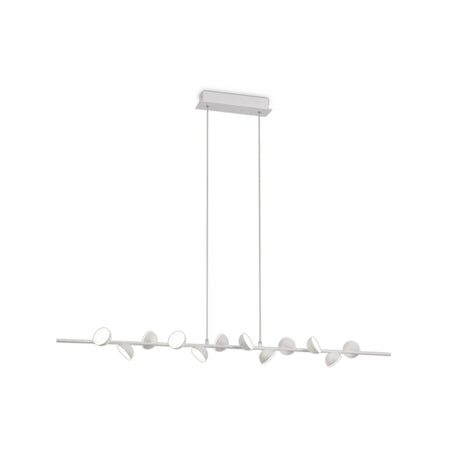
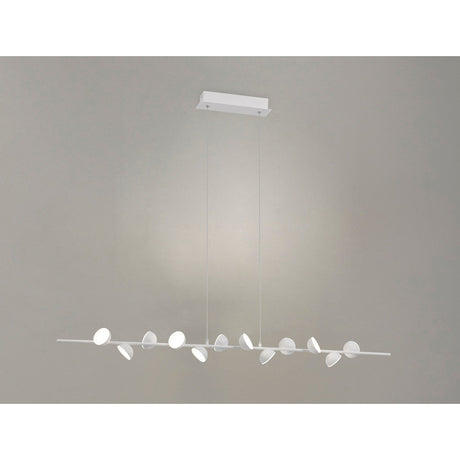 Save 18%£17299£21060Unit price Translation missing: en.products.product.price.unit_price_separatorUnavailableAvailable to OrderFree Delivery

 Save 11%£51899£58399Unit price Translation missing: en.products.product.price.unit_price_separatorUnavailable
Colette LED Circular Pendant Light 80cm - Chrome with Remote Control
Available to OrderFree Delivery
 Save 8%£46599£50699Unit price Translation missing: en.products.product.price.unit_price_separatorUnavailableAvailable to OrderFree Delivery

 Save 4%£43399£45199Unit price Translation missing: en.products.product.price.unit_price_separatorUnavailableAvailable to OrderFree Delivery

 Save 11%£1,70599£1,92199Unit price Translation missing: en.products.product.price.unit_price_separatorUnavailable
Ovila 13 Light Glass Cluster Pendant - Smoked Grey & Brandy with Remote Control
Available to OrderFree Delivery
 Save 4%£20099£20999Unit price Translation missing: en.products.product.price.unit_price_separatorUnavailableAvailable to OrderFree Delivery

 Save 4%£39899£41599Unit price Translation missing: en.products.product.price.unit_price_separatorUnavailableAvailable to OrderFree Delivery

 Save 5%£10599£11099Unit price Translation missing: en.products.product.price.unit_price_separatorUnavailableAvailable to OrderFree Delivery

 Save 7%£9699£10399Unit price Translation missing: en.products.product.price.unit_price_separatorUnavailableAvailable to Order

 Save 4%£1,23899£1,29199Unit price Translation missing: en.products.product.price.unit_price_separatorUnavailable
Ring LED Spiral Pendant Light 8 Ring 162W 4000K - Matt Black Dimmable with Remote
Available to OrderFree Delivery
 Save 4%£30699£31999Unit price Translation missing: en.products.product.price.unit_price_separatorUnavailableAvailable to OrderFree Delivery

 Save 4%£30699£31999Unit price Translation missing: en.products.product.price.unit_price_separatorUnavailableAvailable to OrderFree Delivery

 Save 5%£18799£19699Unit price Translation missing: en.products.product.price.unit_price_separatorUnavailableAvailable to OrderFree Delivery

 Save 11%£58399£65699Unit price Translation missing: en.products.product.price.unit_price_separatorUnavailable
Argos 6 Light Crystal Pendant - Smoked Glass with Remote Control
Available to OrderFree Delivery
 Save 4%£28899£30199Unit price Translation missing: en.products.product.price.unit_price_separatorUnavailableAvailable to OrderFree Delivery

 Save 5%£7899£8299Unit price Translation missing: en.products.product.price.unit_price_separatorUnavailableAvailable to Order

 Save 4%£24999£25999Unit price Translation missing: en.products.product.price.unit_price_separatorUnavailable
Taccia 4 Light LED Glass Bar Pendant 20W 3000K - Transparent
Available to OrderFree Delivery
 Save 11%£27999£31499Unit price Translation missing: en.products.product.price.unit_price_separatorUnavailableAvailable to OrderFree Delivery

 Save 4%£10199£10599Unit price Translation missing: en.products.product.price.unit_price_separatorUnavailableAvailable to OrderFree Delivery

 Save 4%£17999£18699Unit price Translation missing: en.products.product.price.unit_price_separatorUnavailableAvailable to OrderFree Delivery

 Save 3%£13899£14399Unit price Translation missing: en.products.product.price.unit_price_separatorUnavailableAvailable to OrderFree Delivery

 Save 4%£38999£40599Unit price Translation missing: en.products.product.price.unit_price_separatorUnavailableAvailable to OrderFree Delivery

 Save 4%£66999£69799Unit price Translation missing: en.products.product.price.unit_price_separatorUnavailableAvailable to OrderFree Delivery

 Save 4%£57799£60299Unit price Translation missing: en.products.product.price.unit_price_separatorUnavailableAvailable to OrderFree Delivery

 Save 1%£2,05199£2,06299Unit price Translation missing: en.products.product.price.unit_price_separatorUnavailable
Norma 18 Light Glass Cluster Pendant - Multicoloured Glass with Satin Brass
Available to OrderFree Delivery
 Save 4%£23199£24199Unit price Translation missing: en.products.product.price.unit_price_separatorUnavailable
Twist 5 Light Dimmable LED Bar Pendant 50W 3000K - Matt Black
Available to OrderFree Delivery
 Save 4%£31999£33299Unit price Translation missing: en.products.product.price.unit_price_separatorUnavailableAvailable to OrderFree Delivery

 Save 8%£1,11699£1,21499Unit price Translation missing: en.products.product.price.unit_price_separatorUnavailableAvailable to OrderFree Delivery

 Save 4%£38499£40199Unit price Translation missing: en.products.product.price.unit_price_separatorUnavailableAvailable to OrderFree Delivery

 Sold outSave 81%£9900£52800Unit price Translation missing: en.products.product.price.unit_price_separatorUnavailableOut of StockFree Delivery
 In our showroom


How low to hang over a table
The figure that works is 75cm to 90cm from the table top to the bottom of the shade. That is low enough to light the table and keep the lamp out of the eyeline of anyone sitting at it, and high enough to see the person opposite. On a ceiling above 2.4m, add roughly 7cm of drop for every extra 30cm of height.
Sizing to the table, not the room
A single pendant should be around a third of the width of the table. On a 90cm wide table that is a 30cm shade. The largest fittings here are for long tables and are usually multi light rather than a single shade. Getting this wrong in either direction is the commonest dining room lighting mistake.
Multi light fittings change the sum. A five light pendant at 40cm across covers a table as well as a single 60cm shade and puts the light in five smaller sources, which is softer on the eye across a table. The trade is lamp cost and relamping: five E14 lamps instead of one E27, and five to change when they go.
One pendant, or a row
A round table takes one central pendant. A long rectangular table is better served by two or three smaller pendants spaced evenly along it, which lights the whole surface rather than a pool in the middle. Where you run several, keep them at exactly the same height: an uneven row is visible from across the room.
Shades, diffusers and glare
An open bottomed shade puts light straight down on the table and leaves the room darker, which is what you want for dinner. A diffused or frosted bottom spreads the light more evenly and is the better choice if the fitting is also lighting the room. A bare lamp at eye level across a table is uncomfortable however good the fitting.
Light the table, then the room. A dining room lit only by its pendant has a bright table in a dark box, which is fine for dinner and wrong for anything else. A pair of wall lights or a lamp on a sideboard fills the rest and lets the pendant stay low and warm without the room closing in around it.
Lamps and dimming
Many of these take E27, with a substantial group on E14 candle lamps for the multi light fittings. A dining pendant is the fitting most worth dimming: fit dimmable LEDs and a matching dimmer and the same light serves homework at four and dinner at eight.
Ceiling fixing and drop adjustment
Almost all of these adjust for drop at installation, by shortening a rod set or a flex. Check whether the fitting uses rods, which give a fixed set of heights, or a flex, which can be set anywhere. A heavy multi light fitting needs a fixing into a joist or a proper ceiling plate, not just a plasterboard fixing.
Finally, set the drop with people sitting at the table rather than with the room empty. Hang the fitting, sit down, and check the sight line to the person opposite. It is the only test that matters and it takes a minute, and it is the reason a pendant that measures correctly on paper can still be wrong in the room.
Choosing between the ranges
Four ranges account for most of this collection and they answer different rooms. Baymont is the drum shade family, fabric over a metal frame, and it is the one to reach for where the dining room is furnished rather than pared back: the shade softens the light and the fabric ties to curtains and upholstery. Banyan is the opposite, an open metal frame with exposed candle lamps, which suits a room with a hard floor and a plain table and gives sparkle rather than diffusion.
Lori sits between the two, and Wick is the compact single drop, useful in multiples over a long table where a single large fitting would dominate. Sizes across all four run from 10cm to 95cm, so the range covers a two seat kitchen table and a ten seat dining table without leaving the collection. Polished chrome, satin nickel and antique brass run across many of our ranges, which matters if you are lighting a dining room and a hall that see each other and want the metals to agree.
Frequently Asked Questions
How low should a pendant hang over a dining table?
How low should a pendant hang over a dining table?
What size pendant suits my dining table?
What size pendant suits my dining table?
Should I use one pendant or several?
Should I use one pendant or several?
Will a pendant be in the way?
Will a pendant be in the way?
Can dining pendants be dimmed?
Can dining pendants be dimmed?
Do these adjust for ceiling height?
Do these adjust for ceiling height?
What fixing does a heavy pendant need?
What fixing does a heavy pendant need?
Related Collections


BestSellers
-

 £63999Unit price Translation missing: en.products.product.price.unit_price_separatorUnavailable1 In Stock3 In Production · 26 NovFree Delivery
-

 £49499Unit price Translation missing: en.products.product.price.unit_price_separatorUnavailable
Caelith 1 Light Medium Carved Alabaster Wall Light - Brushed Brass
4 In Production · 26 NovFree DeliveryIn our showroom -

 £1,31999Unit price Translation missing: en.products.product.price.unit_price_separatorUnavailable1 In Production · 26 NovFree Delivery
-

 £2,96999Unit price Translation missing: en.products.product.price.unit_price_separatorUnavailable
Sorrelis 9 Light Alabaster Chandelier - Soft White & Brushed Brass
Made to OrderFree Delivery -

 Save 8%£49999£54299Unit price Translation missing: en.products.product.price.unit_price_separatorUnavailable
Helia 100cm LED Circular Pendant Light 55W 3000K - Matt Black
Available to OrderFree Delivery -

 £79999Unit price Translation missing: en.products.product.price.unit_price_separatorUnavailable4 In StockFree DeliveryIn our showroom
-

 £1,07799Unit price Translation missing: en.products.product.price.unit_price_separatorUnavailable
Aleron LED Large Round Alabaster Flush Ceiling Light - Soft White & Brushed Brass
Made to OrderFree Delivery -

 £80299Unit price Translation missing: en.products.product.price.unit_price_separatorUnavailable1 In Production · 26 NovFree Delivery
-

 £2,96999Unit price Translation missing: en.products.product.price.unit_price_separatorUnavailableMade to OrderFree Delivery
-

 £1,53999Unit price Translation missing: en.products.product.price.unit_price_separatorUnavailableMade to OrderFree Delivery
-

 £1,42999Unit price Translation missing: en.products.product.price.unit_price_separatorUnavailable
Seraphis LED Medium Alabaster Ring Chandelier - Brushed Brass
Made to OrderFree Delivery -

 £2,09999Unit price Translation missing: en.products.product.price.unit_price_separatorUnavailable
Auriel 19 Light Alabaster Cluster Chandelier - Brushed Brass
Made to OrderFree Delivery


Recommended For You
Our Reviews
-

Birmingham Based
British heritage. Worldwide delivery.
