

 Save 15%£38199£45000Unit price Translation missing: en.products.product.price.unit_price_separatorUnavailable25 In Stock
 Free Delivery
 Save 15%£76499£90000Unit price Translation missing: en.products.product.price.unit_price_separatorUnavailable15 In StockFree Delivery
 Save 15%£38199£45000Unit price Translation missing: en.products.product.price.unit_price_separatorUnavailable24 In StockFree Delivery
 £63799Unit price Translation missing: en.products.product.price.unit_price_separatorUnavailable45 In StockFree Delivery
 £50899Unit price Translation missing: en.products.product.price.unit_price_separatorUnavailable90 In StockFree Delivery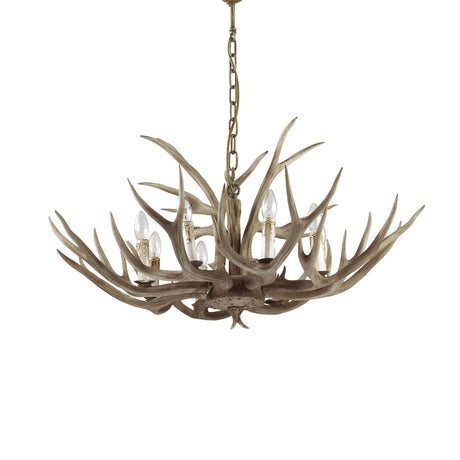
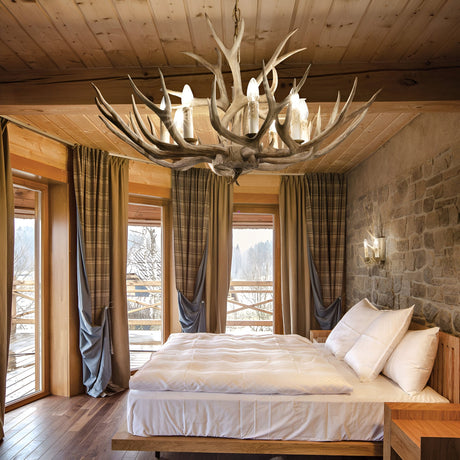 £1,04199Unit price Translation missing: en.products.product.price.unit_price_separatorUnavailable71 In StockFree Delivery
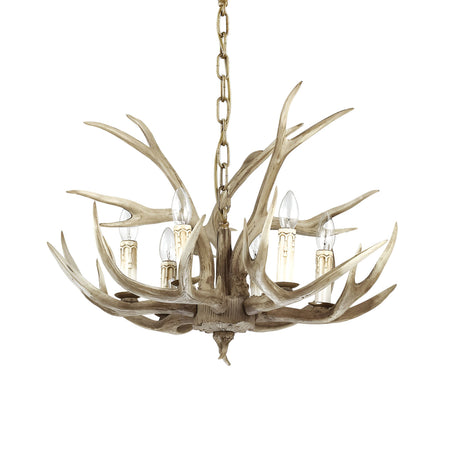 £68699Unit price Translation missing: en.products.product.price.unit_price_separatorUnavailable60 In StockFree Delivery
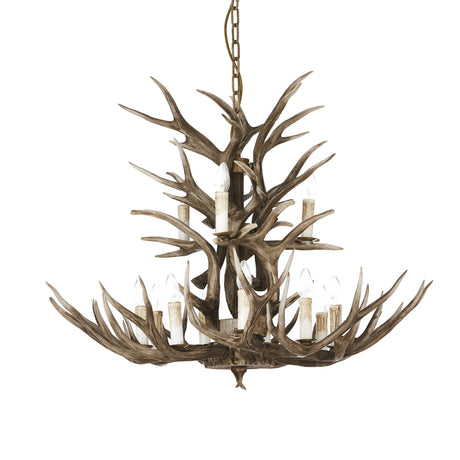 £1,21299Unit price Translation missing: en.products.product.price.unit_price_separatorUnavailable65 In StockFree Delivery
 £5599Unit price Translation missing: en.products.product.price.unit_price_separatorUnavailable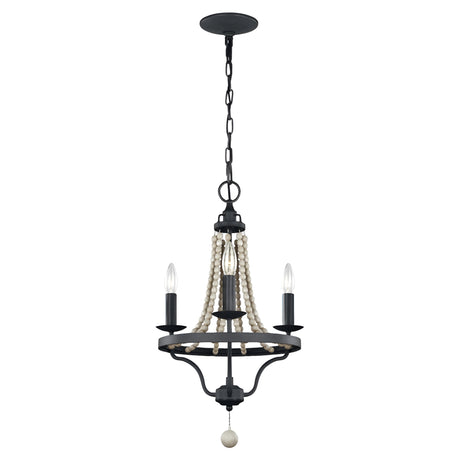
 Save 21%£11899£15000Unit price Translation missing: en.products.product.price.unit_price_separatorUnavailable
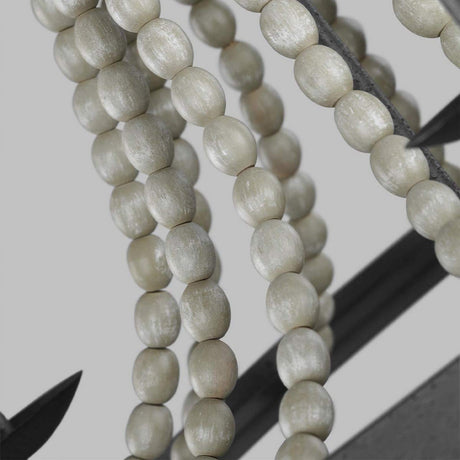
Nori 3 Light Chandelier - Dark Weathered Zinc with Driftwood Grey Beads
Free Delivery
 Save 25%£69699£93000Unit price Translation missing: en.products.product.price.unit_price_separatorUnavailableFree Delivery
 Save 25%£65199£87000Unit price Translation missing: en.products.product.price.unit_price_separatorUnavailable
Aberdeen 6 Light Chandelier - Distressed Grey Wood Effect & Old Bronze
Free Delivery
 Save 25%£60699£81000Unit price Translation missing: en.products.product.price.unit_price_separatorUnavailable
Aberdeen 3 Light Chandelier - Distressed Grey Wood Effect & Old Bronze
Free Delivery
 £7599Unit price Translation missing: en.products.product.price.unit_price_separatorUnavailable
 £10899Unit price Translation missing: en.products.product.price.unit_price_separatorUnavailableFree Delivery
 £10099Unit price Translation missing: en.products.product.price.unit_price_separatorUnavailableFree Delivery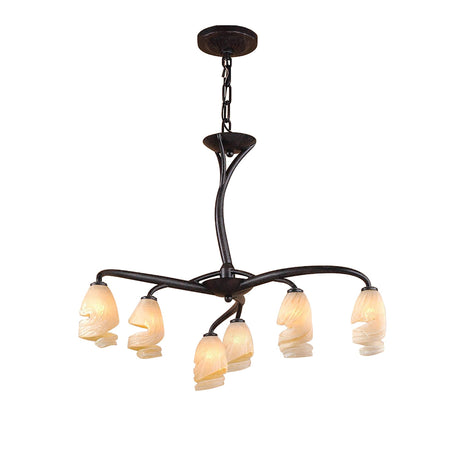
 Save 16%£15599£18500Unit price Translation missing: en.products.product.price.unit_price_separatorUnavailableFree Delivery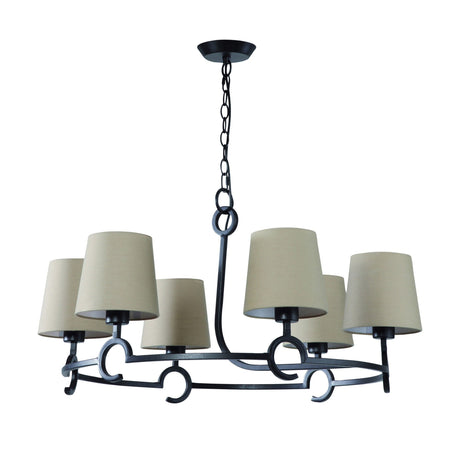
 Save 15%£23499£27800Unit price Translation missing: en.products.product.price.unit_price_separatorUnavailable
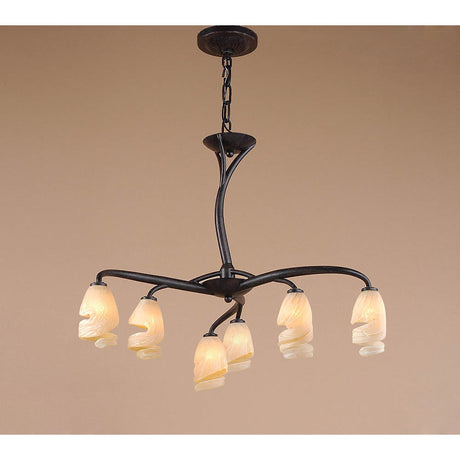
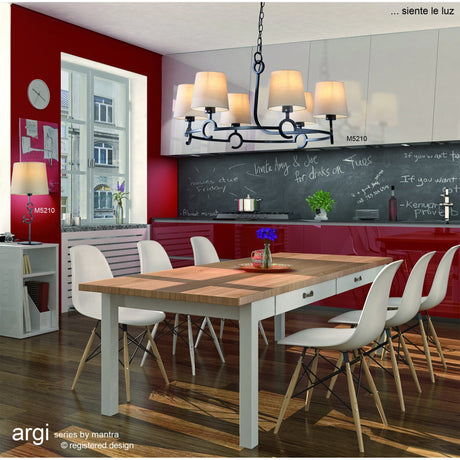
Argi 6 Light Chandelier 82cm - Brown Oxide With Taupe Shades
Free Delivery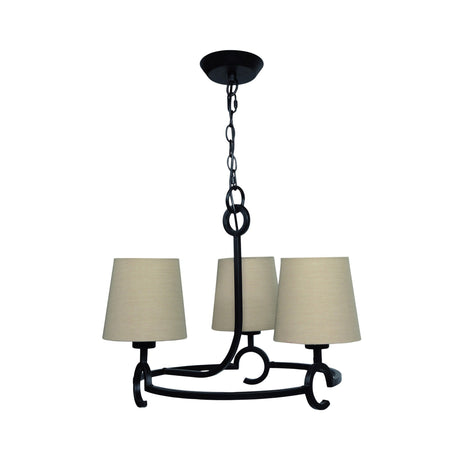
 Save 16%£13899£16500Unit price Translation missing: en.products.product.price.unit_price_separatorUnavailable
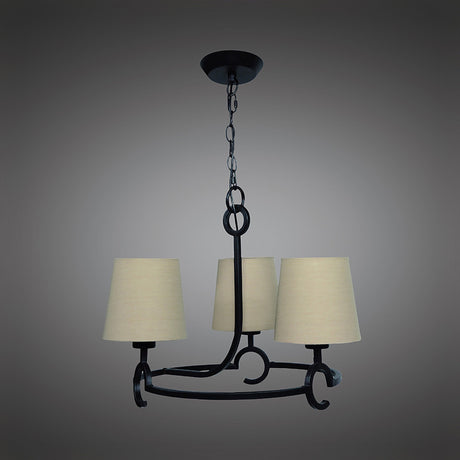
Argi 3 Light Chandelier 550mm - Brown Oxide with Taupe Shades
Free Delivery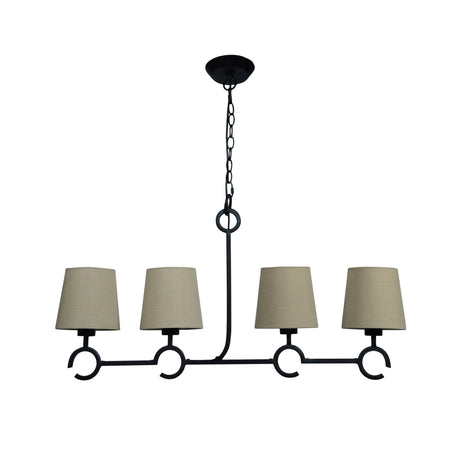
 Save 16%£12299£14600Unit price Translation missing: en.products.product.price.unit_price_separatorUnavailable
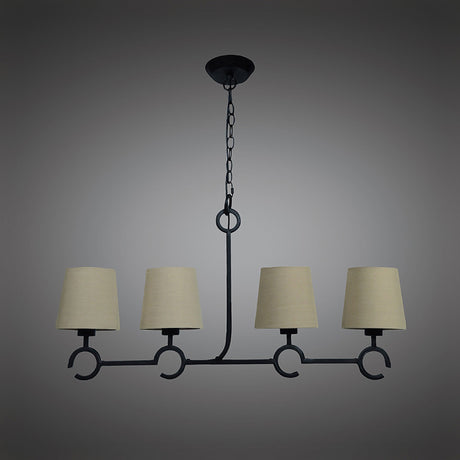
Argi 4 Light Chandelier 880mm - Brown Oxide With Taupe Shades
Free Delivery
 Save 25%£56199£75000Unit price Translation missing: en.products.product.price.unit_price_separatorUnavailableFree Delivery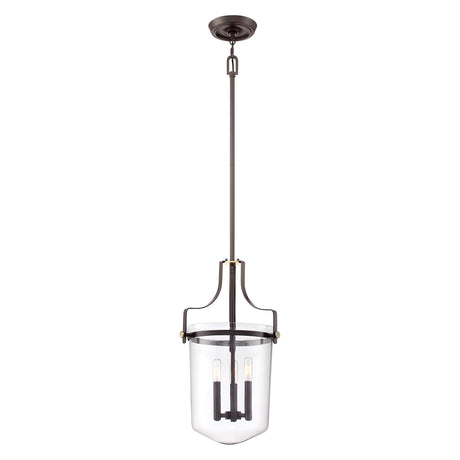
 Save 22%£12699£16200Unit price Translation missing: en.products.product.price.unit_price_separatorUnavailableFree Delivery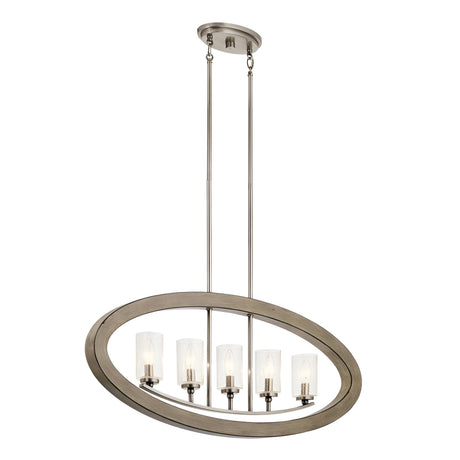
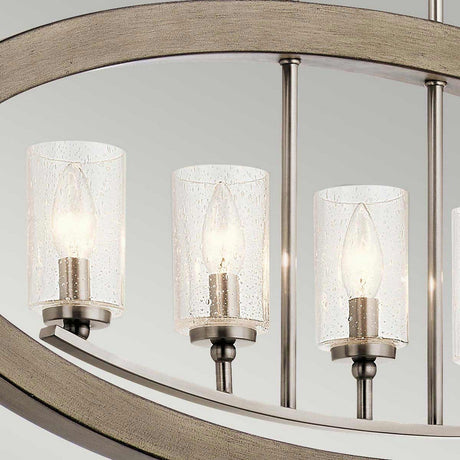 Save 25%£29199£39000Unit price Translation missing: en.products.product.price.unit_price_separatorUnavailableFree Delivery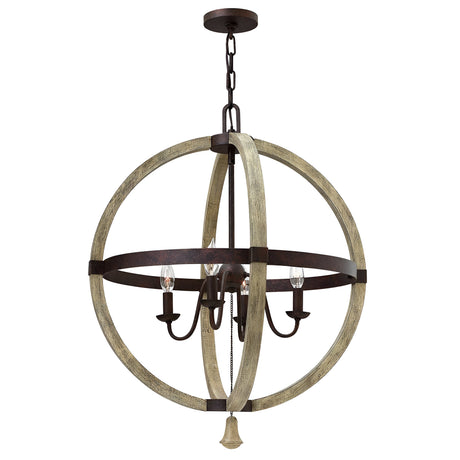
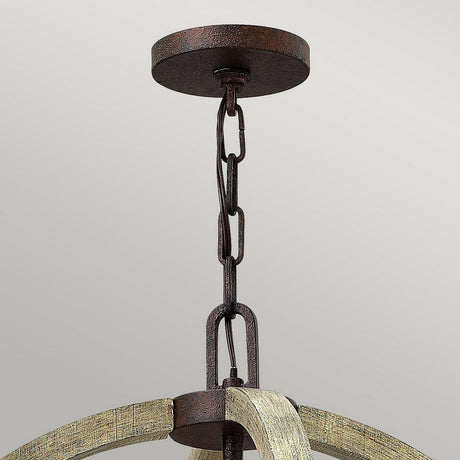 Save 25%£26999£36000Unit price Translation missing: en.products.product.price.unit_price_separatorUnavailableFree Delivery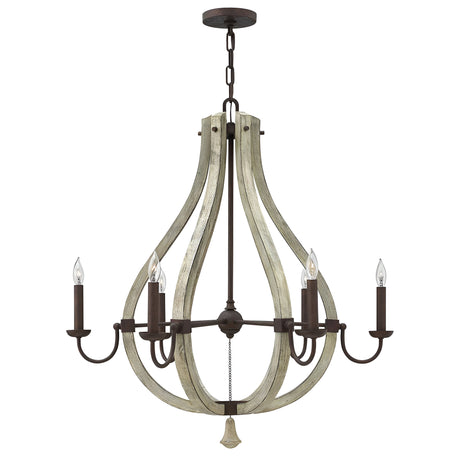
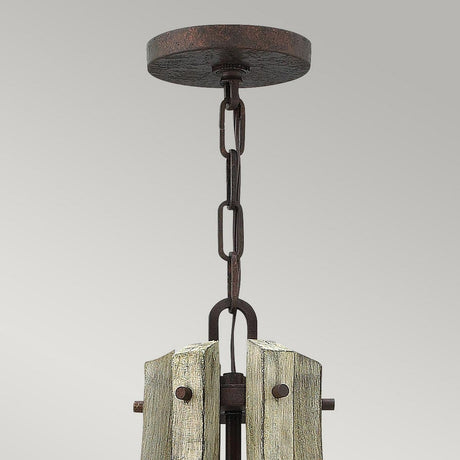 Save 25%£35999£48000Unit price Translation missing: en.products.product.price.unit_price_separatorUnavailableFree Delivery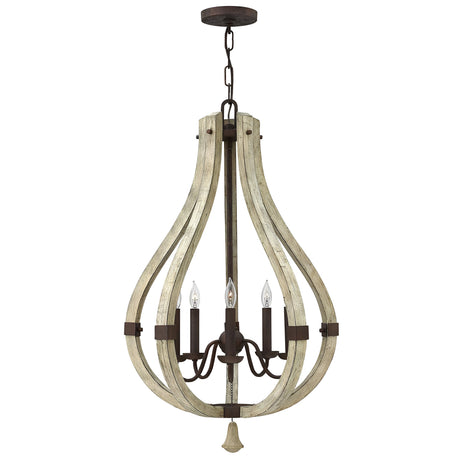
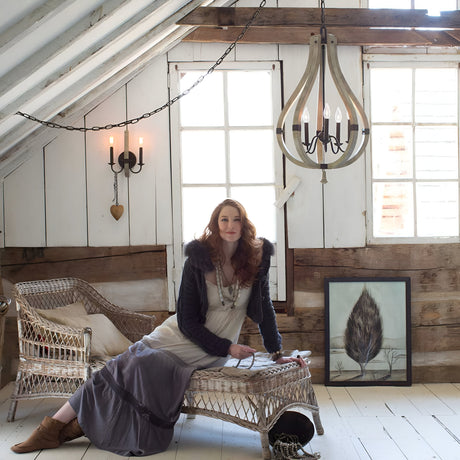 Save 25%£26999£36000Unit price Translation missing: en.products.product.price.unit_price_separatorUnavailableFree Delivery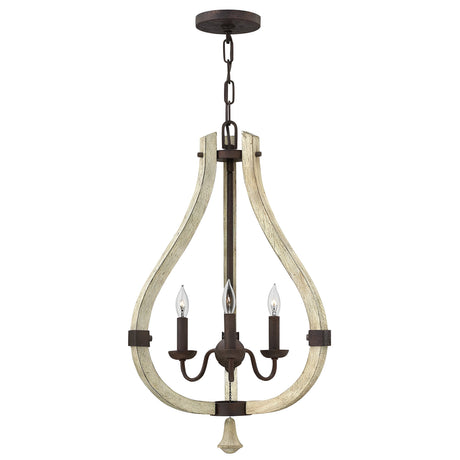
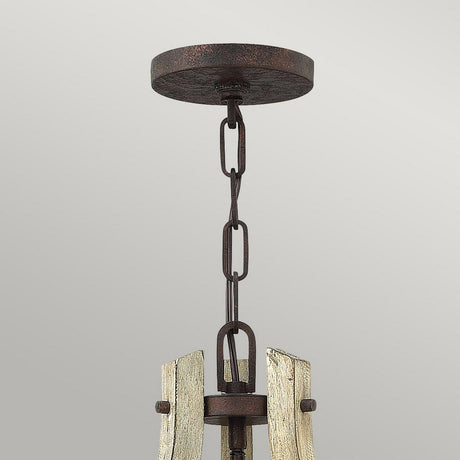 Save 25%£22499£30000Unit price Translation missing: en.products.product.price.unit_price_separatorUnavailableFree Delivery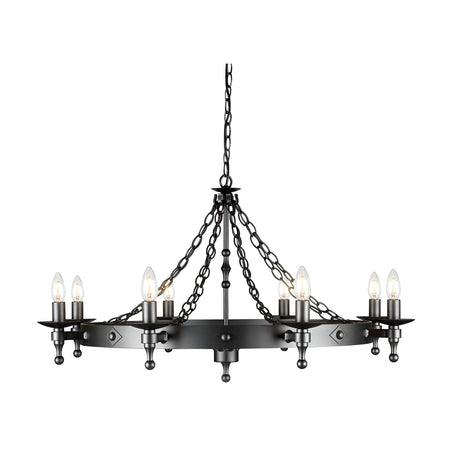
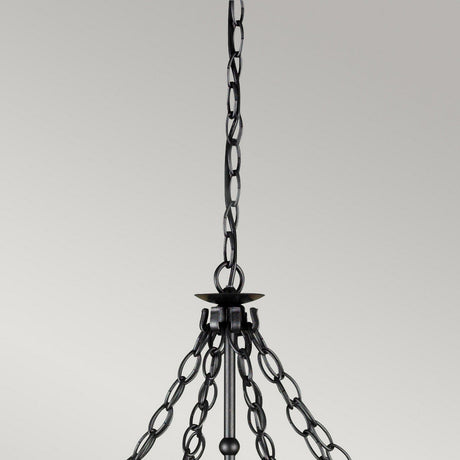 Save 25%£80999£1,08000Unit price Translation missing: en.products.product.price.unit_price_separatorUnavailableFree Delivery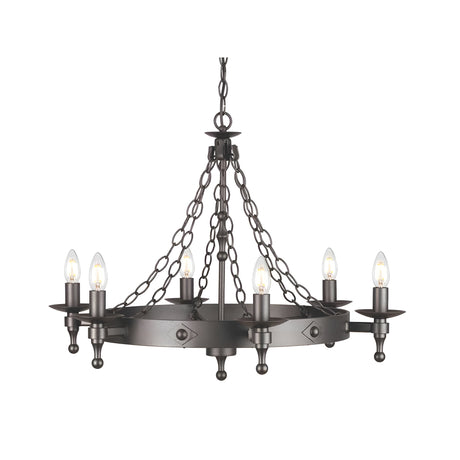
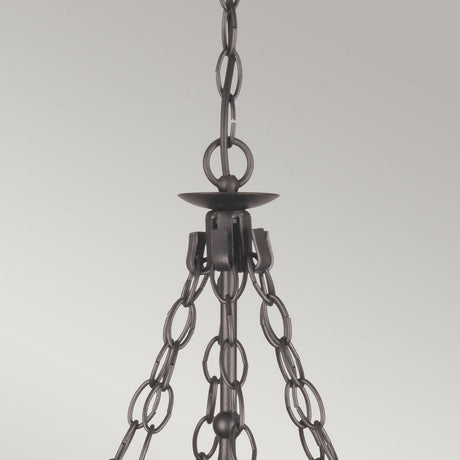 Save 25%£51699£69000Unit price Translation missing: en.products.product.price.unit_price_separatorUnavailableFree Delivery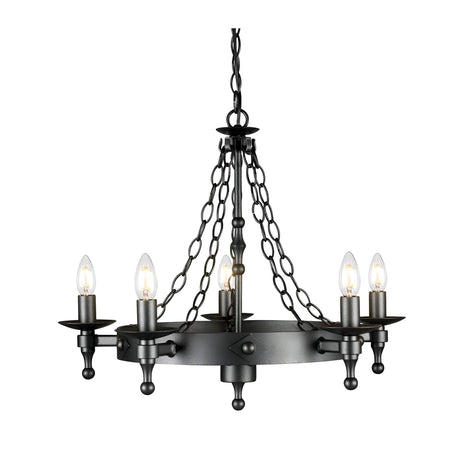
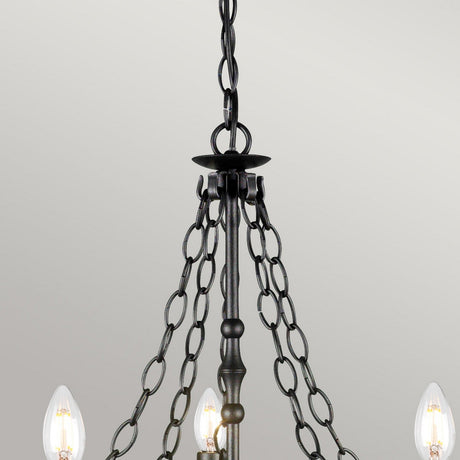 Save 25%£41799£55800Unit price Translation missing: en.products.product.price.unit_price_separatorUnavailableFree Delivery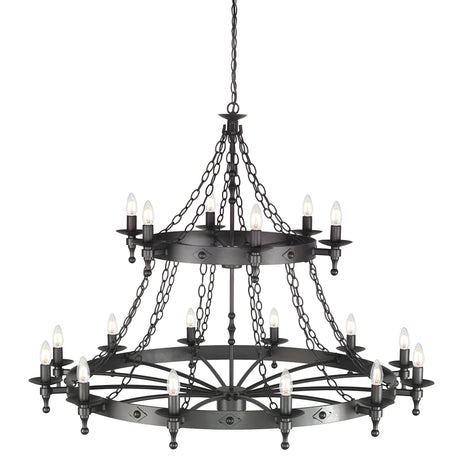
 Save 25%£2,38499£3,18000Unit price Translation missing: en.products.product.price.unit_price_separatorUnavailableFree Delivery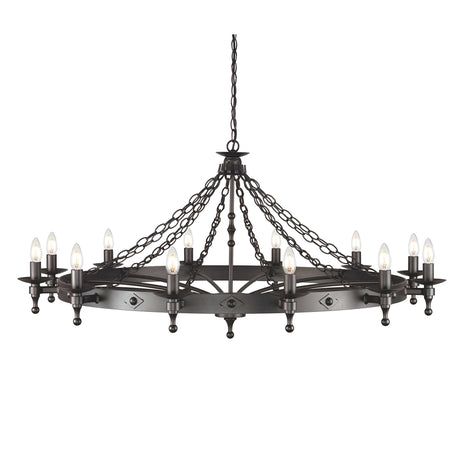
 Save 25%£1,25999£1,68000Unit price Translation missing: en.products.product.price.unit_price_separatorUnavailableFree Delivery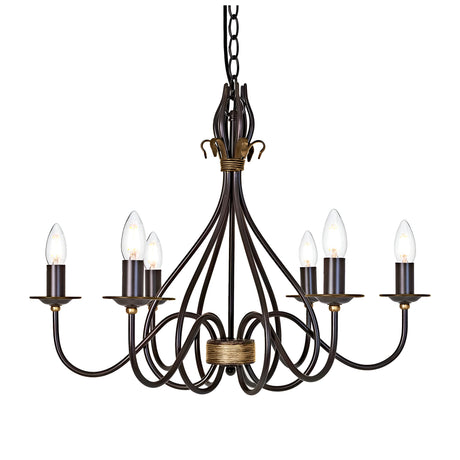
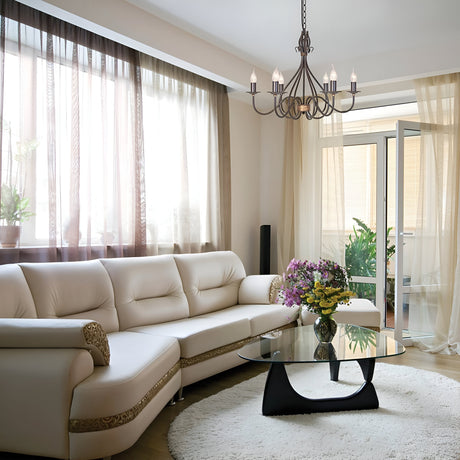 Save 25%£23799£31800Unit price Translation missing: en.products.product.price.unit_price_separatorUnavailableFree Delivery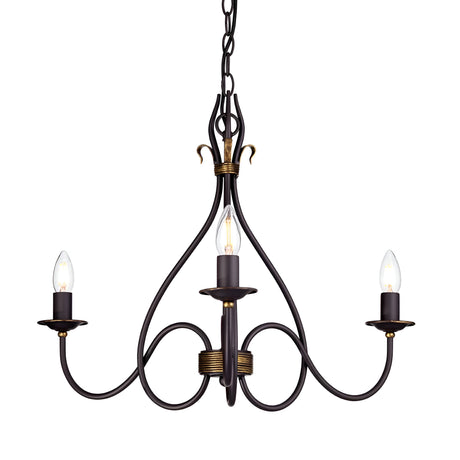
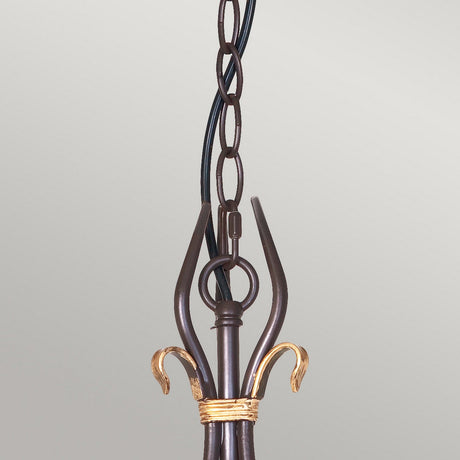 Save 25%£15699£21000Unit price Translation missing: en.products.product.price.unit_price_separatorUnavailableFree Delivery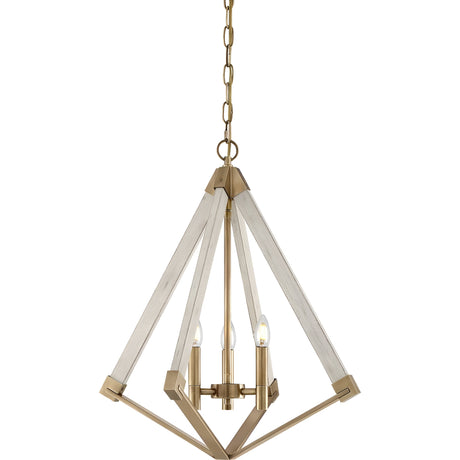
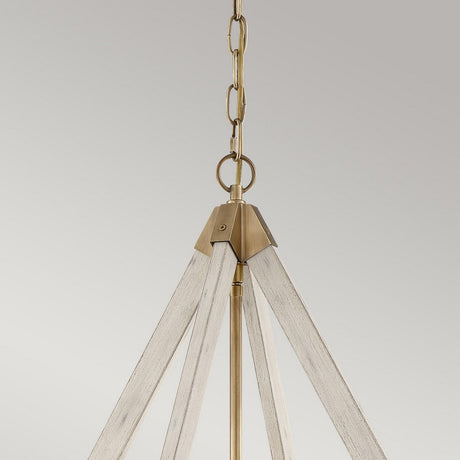 Save 25%£15699£21000Unit price Translation missing: en.products.product.price.unit_price_separatorUnavailable
View Point 3 Light Chandelier - Whitewash Wood Effect & Weathered Brass
Free Delivery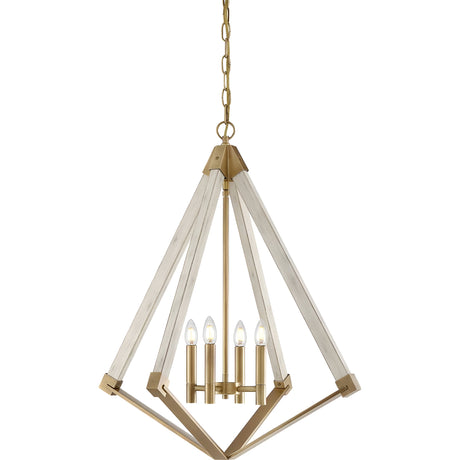
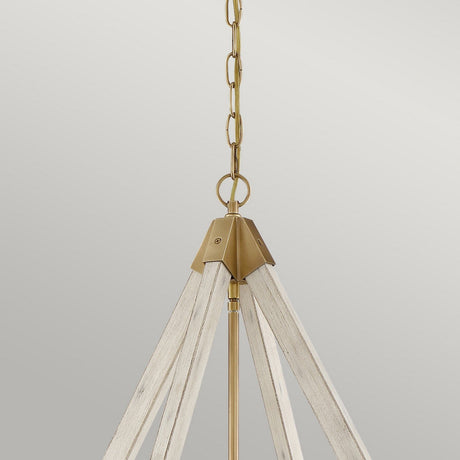 Save 25%£26999£36000Unit price Translation missing: en.products.product.price.unit_price_separatorUnavailable
View Point 4 Light Chandelier - Whitewash Wood Effect & Weathered Brass
Free Delivery
 Save 25%£26999£36000Unit price Translation missing: en.products.product.price.unit_price_separatorUnavailableFree Delivery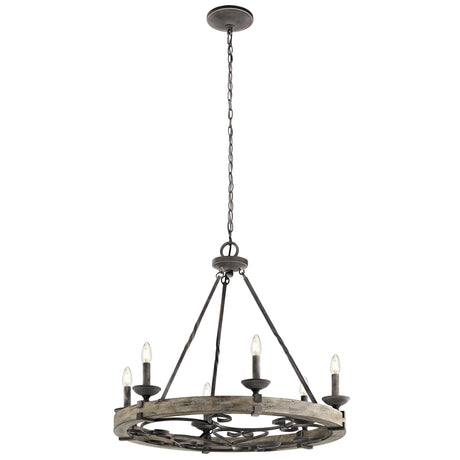
 Save 25%£53999£72000Unit price Translation missing: en.products.product.price.unit_price_separatorUnavailable
Taulbee 6 Light Chandelier - Weathered Zinc & Weathered Grey Wood
Free Delivery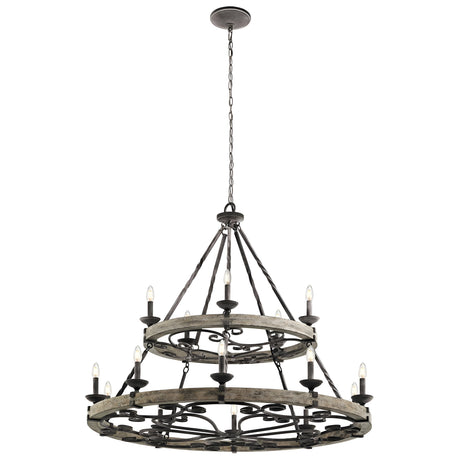
 Save 25%£1,57499£2,10000Unit price Translation missing: en.products.product.price.unit_price_separatorUnavailableFree Delivery
 Save 25%£14899£19800Unit price Translation missing: en.products.product.price.unit_price_separatorUnavailableFree Delivery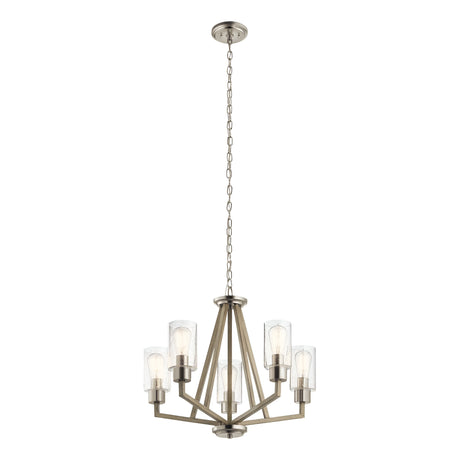
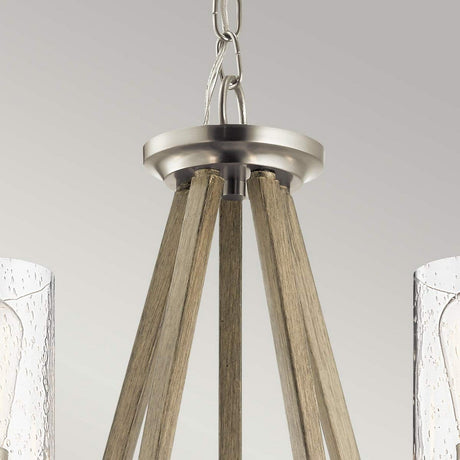 Save 25%£14899£19800Unit price Translation missing: en.products.product.price.unit_price_separatorUnavailableFree Delivery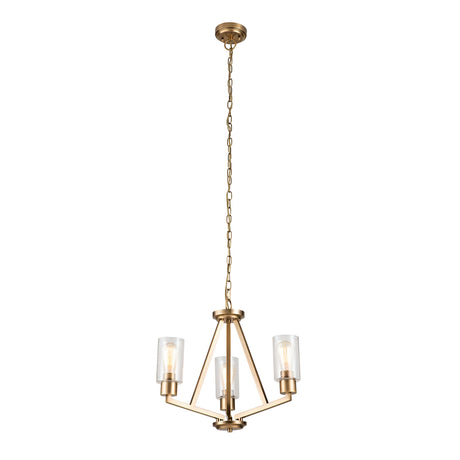
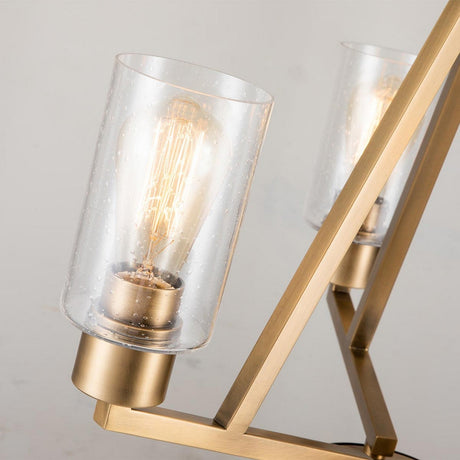 Save 19%£11199£13800Unit price Translation missing: en.products.product.price.unit_price_separatorUnavailableFree Delivery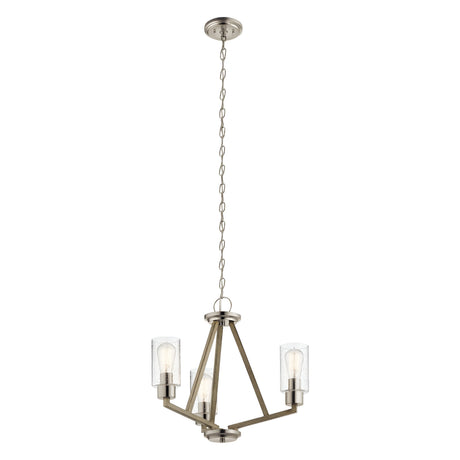
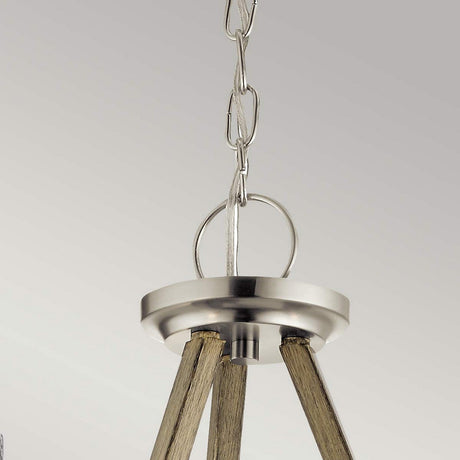 Save 19%£11199£13800Unit price Translation missing: en.products.product.price.unit_price_separatorUnavailableFree Delivery
 Save 25%£53999£72000Unit price Translation missing: en.products.product.price.unit_price_separatorUnavailableFree Delivery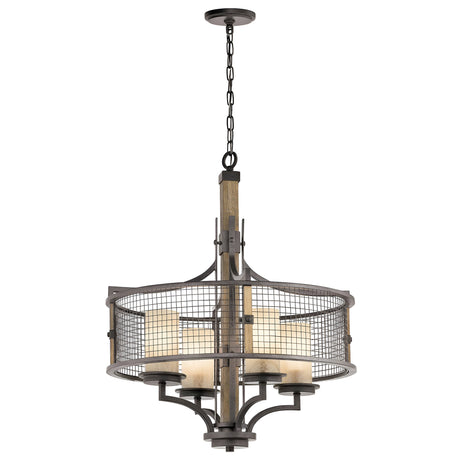
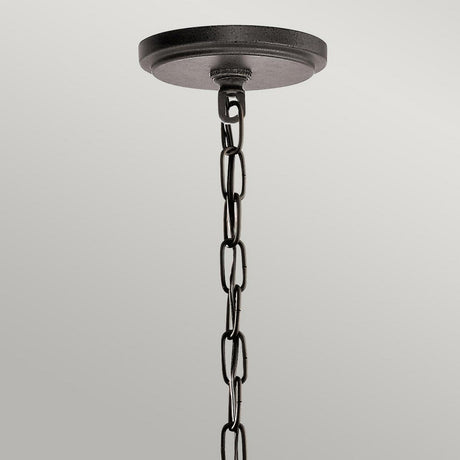 Save 25%£53999£72000Unit price Translation missing: en.products.product.price.unit_price_separatorUnavailableFree Delivery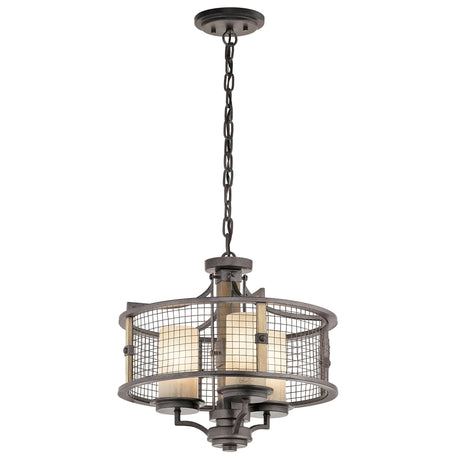
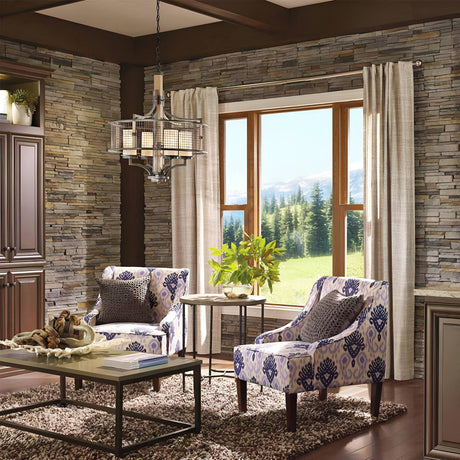 Save 25%£35999£48000Unit price Translation missing: en.products.product.price.unit_price_separatorUnavailable
Ahrendale 3 Light Duo-Mount Chandelier/Semi-Flush - Anvil Iron Grey
Free Delivery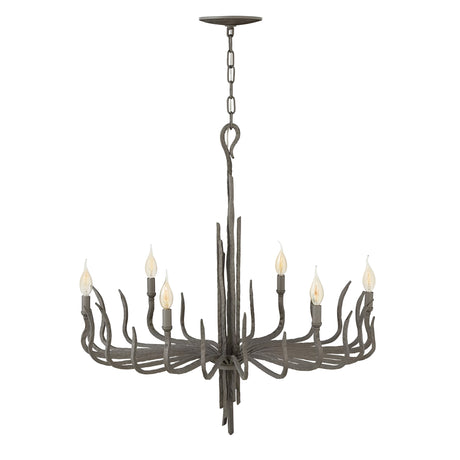
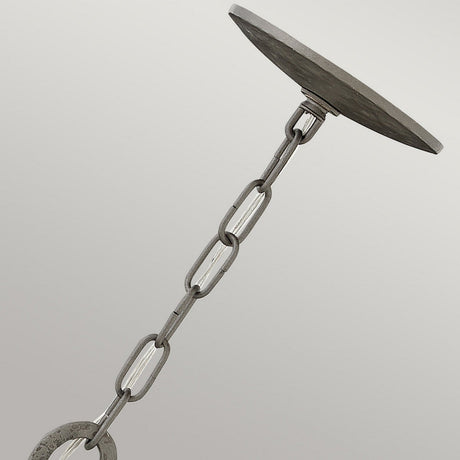 Save 25%£58499£78000Unit price Translation missing: en.products.product.price.unit_price_separatorUnavailableFree Delivery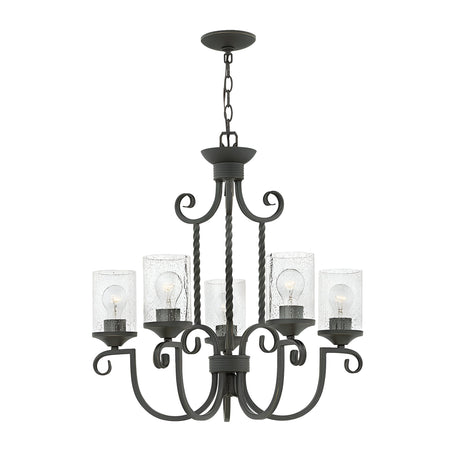
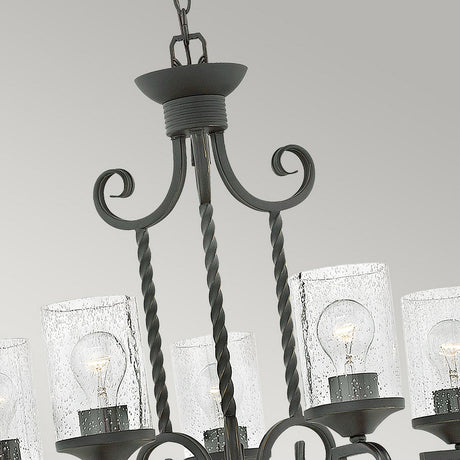 Save 25%£38199£51000Unit price Translation missing: en.products.product.price.unit_price_separatorUnavailableFree Delivery


What makes a chandelier rustic
Rustic lighting is defined by material and by wear rather than by period. A rustic chandelier shows its timber and its ironwork: sawn or reclaimed wood, hand-forged bands, visible rivets, and finishes that look weathered rather than polished. Where a traditional chandelier aims for formality and a vintage one recalls a decade, a rustic one recalls a building: a barn, a farmhouse kitchen, a lodge. Colours stay in the natural range: washed oak, driftwood grey, blackened iron, aged bronze and old brass.
Cartwheel, lantern and candle-arm frames
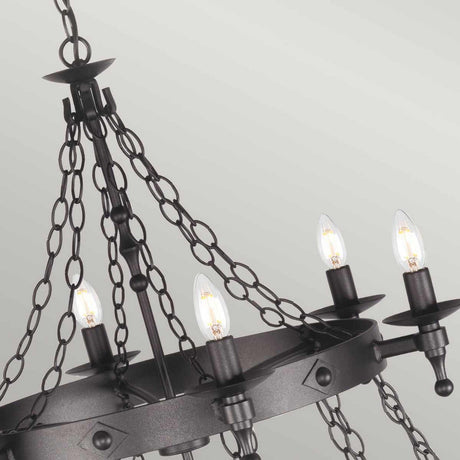
The cartwheel is the most recognisable rustic frame: a timber or iron ring carrying candle lamps around its edge, hung on chains from a central plate. It suits a room with height and reads well from below. A lantern frame encloses the lamps in a glazed or open box and gives a tighter, more contained light, which works in a hallway. Candle-arm frames sit closest to traditional designs but in blackened iron rather than brass, and they suit a dining table where you want the frame to stay visually light.
Wood, iron and what the finish tells you
Timber in these fittings is usually a hardwood or a hardwood veneer over a steel core, because a solid wood ring of any size becomes too heavy to hang safely. Finishes are matt and open rather than lacquered, so the grain stays visible. Wrought and forged iron is left dark and slightly uneven by design; a perfectly smooth, evenly coloured metal usually means a cast or powder-coated part rather than a forged one. Neither is better, but the forged pieces are what give a rustic frame its irregular shadow line.
Sizing it to the room
Add the room's length and width in metres and treat that figure as a sensible diameter in inches: a 4m by 5m dining room suits roughly 22 inches, about 56cm. Rustic frames are often wider than they are tall, so the diameter matters more here than on a tiered crystal piece. Over a dining table, aim for about half to two-thirds the table width and hang the lowest point 750 to 900mm above the surface. In a stairwell, hang it so it is visible from both the hall and the landing.
Bulbs and the light they give
Most rustic chandeliers take small Edison screw candle bulbs, and the number of arms sets the output. Warm white around 2400K to 2700K suits timber and blackened iron; anything cooler makes wood look grey and flattens the metal. Clear filament candles look right on open frames where the lamps are visible, and they are part of the effect rather than a compromise. Fit dimmable lamps throughout if the fitting is on a dimmer, and replace them as a set so they dim evenly.
Weight, fixing and ceiling height
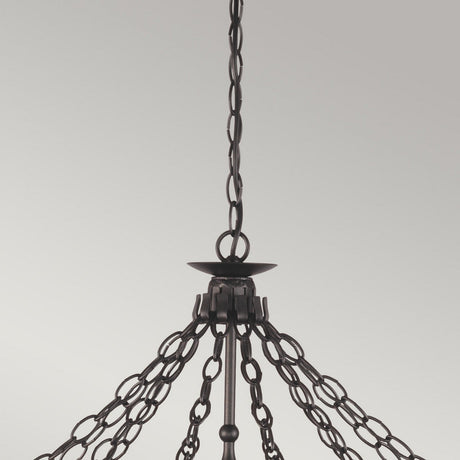
Timber and iron together make these among the heavier fittings we sell, and a cartwheel frame concentrates that weight on one point. Check the stated weight against your ceiling and fix into a joist or a timber batten rather than plasterboard alone. An existing ceiling rose proves nothing about what is behind it. Chain-hung frames can usually be shortened on installation, so give the electrician the finished height you want rather than accepting the supplied drop.
Care, and what will change
Dust timber and ironwork with a dry cloth; avoid furniture polish, which leaves a sheen the finish was chosen to avoid. Open-grain wood can dry out in a room with underfloor heating or a wood burner directly beneath, so expect some movement in the first year and do not treat a fine surface check as a fault. Blackened iron may show light surface marking where it is handled, which is consistent with the finish rather than damage.
Frequently Asked Questions
What is the difference between rustic and traditional chandeliers?
What is the difference between rustic and traditional chandeliers?
What size rustic chandelier do I need?
What size rustic chandelier do I need?
How high should it hang over a dining table?
How high should it hang over a dining table?
Do they take candle bulbs?
Do they take candle bulbs?
Is the wood solid?
Is the wood solid?
Can a rustic chandelier go in a stairwell?
Can a rustic chandelier go in a stairwell?
Related Collections


BestSellers
-

 £49499Unit price Translation missing: en.products.product.price.unit_price_separatorUnavailable
Caelith 1 Light Medium Carved Alabaster Wall Light - Brushed Brass
Free Delivery In our showroom
 -

 £63999Unit price Translation missing: en.products.product.price.unit_price_separatorUnavailable3 In StockFree Delivery
 -

 £11,87999Unit price Translation missing: en.products.product.price.unit_price_separatorUnavailableFree Delivery
 -

 £1,42999Unit price Translation missing: en.products.product.price.unit_price_separatorUnavailable
Seraphis LED Medium Alabaster Ring Chandelier - Brushed Brass
Free Delivery -

 £1,31999Unit price Translation missing: en.products.product.price.unit_price_separatorUnavailableFree Delivery
 -

 £80299Unit price Translation missing: en.products.product.price.unit_price_separatorUnavailableFree Delivery
 -

 £1,20999Unit price Translation missing: en.products.product.price.unit_price_separatorUnavailableFree Delivery
 -

 £2,96999Unit price Translation missing: en.products.product.price.unit_price_separatorUnavailable
Sorrelis 9 Light Alabaster Chandelier - Soft White & Brushed Brass
Free Delivery -

 £1,64999Unit price Translation missing: en.products.product.price.unit_price_separatorUnavailableFree Delivery
 -

 £2,96999Unit price Translation missing: en.products.product.price.unit_price_separatorUnavailableFree Delivery
 -

 £1,53999Unit price Translation missing: en.products.product.price.unit_price_separatorUnavailableFree Delivery
 -

 £2,30999Unit price Translation missing: en.products.product.price.unit_price_separatorUnavailable
Stratalux LED Stacked Alabaster Column Floor Lamp - Matt Black
Free Delivery


Recommended For You
Our Reviews
-

Birmingham Based
British heritage. Worldwide delivery.
