

 Save 10%£35999£39999Unit price Translation missing: en.products.product.price.unit_price_separatorUnavailable
 Free Delivery
 Save 31%£13799£19999Unit price Translation missing: en.products.product.price.unit_price_separatorUnavailableFree Delivery
 Save 10%£20199£22499Unit price Translation missing: en.products.product.price.unit_price_separatorUnavailableFree Delivery
 Save 10%£17999£19999Unit price Translation missing: en.products.product.price.unit_price_separatorUnavailableFree Delivery
 Save 32%£10199£14999Unit price Translation missing: en.products.product.price.unit_price_separatorUnavailableFree Delivery
 £16799Unit price Translation missing: en.products.product.price.unit_price_separatorUnavailableFree Delivery
 £19999Unit price Translation missing: en.products.product.price.unit_price_separatorUnavailableFree Delivery
 £19299Unit price Translation missing: en.products.product.price.unit_price_separatorUnavailableFree Delivery
 £28199Unit price Translation missing: en.products.product.price.unit_price_separatorUnavailableFree Delivery
 £29299Unit price Translation missing: en.products.product.price.unit_price_separatorUnavailableFree Delivery
 £9799Unit price Translation missing: en.products.product.price.unit_price_separatorUnavailable
 £15199Unit price Translation missing: en.products.product.price.unit_price_separatorUnavailableFree Delivery
 £17799Unit price Translation missing: en.products.product.price.unit_price_separatorUnavailableFree Delivery
 £21299Unit price Translation missing: en.products.product.price.unit_price_separatorUnavailableFree Delivery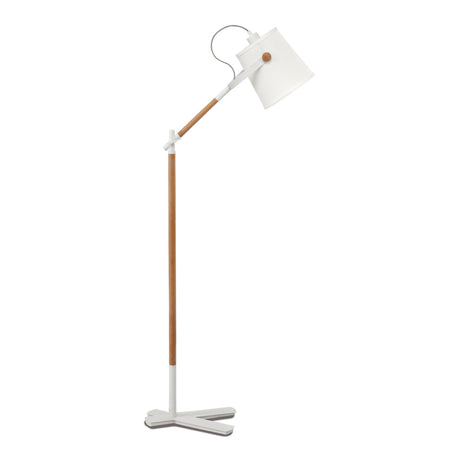
 Save 15%£18099£21400Unit price Translation missing: en.products.product.price.unit_price_separatorUnavailable
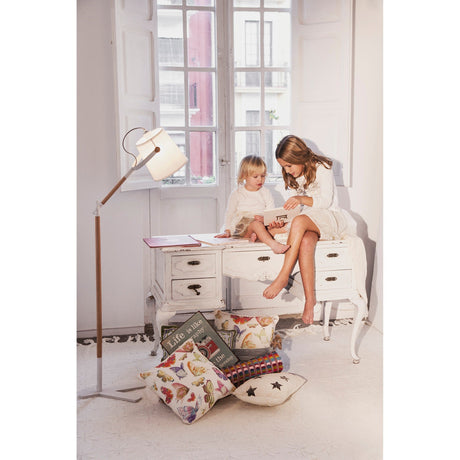
Nordica 1 Light Floor Lamp - Matt White With Ivory White Shade
Free Delivery
 Save 15%£18099£21400Unit price Translation missing: en.products.product.price.unit_price_separatorUnavailable
Nordica Floor Lamp Matt Black with Beech Arm and Black Shade
Free Delivery
 Save 16%£16699£19800Unit price Translation missing: en.products.product.price.unit_price_separatorUnavailableFree Delivery
 Save 16%£17699£21000Unit price Translation missing: en.products.product.price.unit_price_separatorUnavailableFree Delivery
 Save 16%£26999£32000Unit price Translation missing: en.products.product.price.unit_price_separatorUnavailableFree Delivery
 Save 16%£24099£28550Unit price Translation missing: en.products.product.price.unit_price_separatorUnavailableFree Delivery
 £20499Unit price Translation missing: en.products.product.price.unit_price_separatorUnavailableFree Delivery
 £64399Unit price Translation missing: en.products.product.price.unit_price_separatorUnavailableFree Delivery
 £64399Unit price Translation missing: en.products.product.price.unit_price_separatorUnavailableFree Delivery
 Sold out£25499Unit price Translation missing: en.products.product.price.unit_price_separatorUnavailableOut of StockFree Delivery


Why wood works on a floor lamp
A floor lamp is the largest lamp in most rooms and the one you see from across it, so its material does more work than on a small table lamp. Wood softens a room that has a lot of metal and glass in it, and it reads warm even when the lamp is off, which matters for a piece that stands out in the open all day. It also pairs with almost anything: oak against pale walls and linen, walnut against darker paint and leather.
Tripod, column and arc
The tripod is the most common wooden floor lamp: three splayed legs meeting under a shade, stable on a rug and light enough to move. A turned column reads more traditional and takes up less floor, so it suits a narrow space beside a chair. An arc lamp puts a weighted base on the floor and reaches the light out over a sofa or a dining table, which is the answer when there is no ceiling point where you need one.
Oak, walnut, rattan and bamboo
Oak is pale, open-grained and the most forgiving against light walls. Walnut is darker and closer-grained, and it suits a room with wood furniture already in it. Rattan and bamboo appear mostly in shades rather than bases: woven, they throw patterned light and read lighter than a solid shade. Painted and washed finishes sit between the two, keeping the grain visible while shifting the colour.
Height, shade and where the light falls
For reading, the bottom of the shade wants to sit near eye level when you are seated, roughly 1.2 to 1.4 metres from the floor, so the light lands on the page and not in your eyes. A lamp behind and slightly to the side of a chair is better than one directly beside it. For ambient light in a corner, a taller lamp with an open or woven shade throws light up the wall and makes a small room feel larger.
Bulbs and the tone of the light
Most wooden floor lamps take a standard E27 bulb, bought separately. Warm white around 2700K brings out the grain; anything cooler flattens it and makes oak look grey. A woven rattan or bamboo shade shows the bulb through the weave, so an opal lamp cuts glare better than a clear filament there. Check the maximum wattage on the fitting, and use a dimmable bulb if the lamp is on a plug-in dimmer.
Stability and the floor beneath
A tall lamp on a light wooden base is less stable than the same lamp with a weighted or stone foot, which matters in a room with children, animals or a doorway nearby. Check the base weight on the product page. On a hard floor, felt pads stop a tripod marking the boards and stop it creeping; on a thick rug, make sure all three feet sit level rather than one riding on a fold.
Care, and how wood behaves
Dust with a dry cloth and avoid silicone furniture polish, which builds a sheen on an open-grain finish and is difficult to remove once it is on. Keep a lamp out of direct sun where you can, since strong light will lighten oak and darken walnut over a year or two, and a lamp that stands in one spot will do it unevenly. Expect a little seasonal movement in solid timber, particularly in a room with underfloor heating or a wood burner: a fine surface check along the grain is the material behaving normally rather than a fault, and it will often close again when the humidity comes back up in the spring.
Frequently Asked Questions
What bulb suits a wooden floor lamp?
What bulb suits a wooden floor lamp?
How tall should a reading lamp be?
How tall should a reading lamp be?
Are the bases solid wood?
Are the bases solid wood?
Will the colour change over time?
Will the colour change over time?
Do they come with a shade?
Do they come with a shade?
Can I put one on a thick rug?
Can I put one on a thick rug?
Related Collections


BestSellers
-

 £49499Unit price Translation missing: en.products.product.price.unit_price_separatorUnavailable
Caelith 1 Light Medium Carved Alabaster Wall Light - Brushed Brass
Free Delivery In our showroom
 -

 £63999Unit price Translation missing: en.products.product.price.unit_price_separatorUnavailable3 In StockFree Delivery
 -

 £11,87999Unit price Translation missing: en.products.product.price.unit_price_separatorUnavailableFree Delivery
 -

 £1,42999Unit price Translation missing: en.products.product.price.unit_price_separatorUnavailable
Seraphis LED Medium Alabaster Ring Chandelier - Brushed Brass
Free Delivery -

 £1,31999Unit price Translation missing: en.products.product.price.unit_price_separatorUnavailableFree Delivery
 -

 £80299Unit price Translation missing: en.products.product.price.unit_price_separatorUnavailableFree Delivery
 -

 £1,20999Unit price Translation missing: en.products.product.price.unit_price_separatorUnavailableFree Delivery
 -

 £2,96999Unit price Translation missing: en.products.product.price.unit_price_separatorUnavailable
Sorrelis 9 Light Alabaster Chandelier - Soft White & Brushed Brass
Free Delivery -

 £1,64999Unit price Translation missing: en.products.product.price.unit_price_separatorUnavailableFree Delivery
 -

 £2,96999Unit price Translation missing: en.products.product.price.unit_price_separatorUnavailableFree Delivery
 -

 £1,53999Unit price Translation missing: en.products.product.price.unit_price_separatorUnavailableFree Delivery
 -

 £2,30999Unit price Translation missing: en.products.product.price.unit_price_separatorUnavailable
Stratalux LED Stacked Alabaster Column Floor Lamp - Matt Black
Free Delivery


Recommended For You
Our Reviews
-

Birmingham Based
British heritage. Worldwide delivery.
