

 £59999Unit price Translation missing: en.products.product.price.unit_price_separatorUnavailableMade to Order
 Free Delivery
 £79999Unit price Translation missing: en.products.product.price.unit_price_separatorUnavailableMade to OrderFree Delivery
 £69999Unit price Translation missing: en.products.product.price.unit_price_separatorUnavailableMade to OrderFree Delivery
 Save 17%£63999£76800Unit price Translation missing: en.products.product.price.unit_price_separatorUnavailable5 In StockFree Delivery
 Save 26%£27799£37488Unit price Translation missing: en.products.product.price.unit_price_separatorUnavailable10 In StockFree Delivery
 Save 25%£26899£36045Unit price Translation missing: en.products.product.price.unit_price_separatorUnavailable22 In StockFree Delivery
 Save 25%£29999£40199Unit price Translation missing: en.products.product.price.unit_price_separatorUnavailable56 In StockFree Delivery
 Save 25%£10699£14337Unit price Translation missing: en.products.product.price.unit_price_separatorUnavailable
Cordelia 3 Light Crystal Flush Bathroom Ceiling Light - Chrome
33 In StockFree Delivery
 Save 25%£30399£40735Unit price Translation missing: en.products.product.price.unit_price_separatorUnavailable
Prescott 3 Light Crystal Flush Ceiling Light - Antique Brass
96 In StockFree Delivery
 Save 25%£11199£15007Unit price Translation missing: en.products.product.price.unit_price_separatorUnavailable
Ophelia 3 Light Crystal Flush Bathroom Ceiling Light - Chrome
4 In StockFree Delivery
 Save 25%£26599£35643Unit price Translation missing: en.products.product.price.unit_price_separatorUnavailable53 In StockFree Delivery
 £17499Unit price Translation missing: en.products.product.price.unit_price_separatorUnavailable74 In StockFree Delivery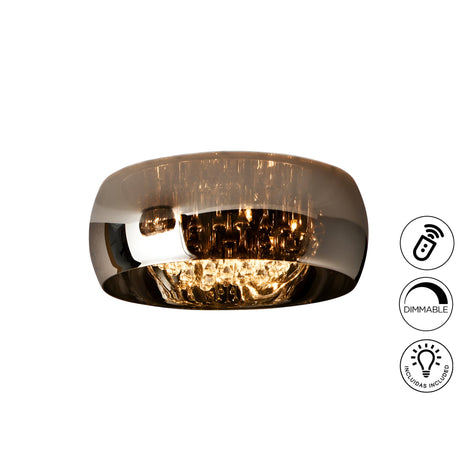
 Save 13%£57299£66199Unit price Translation missing: en.products.product.price.unit_price_separatorUnavailable
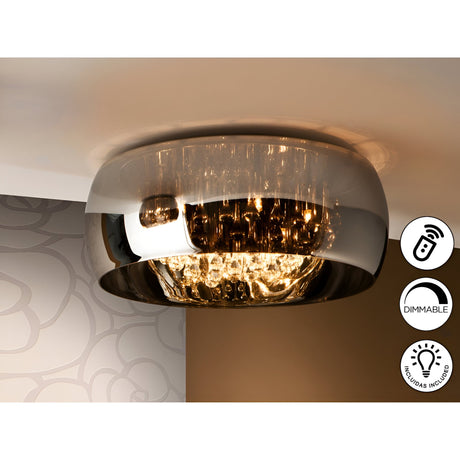
Argos 6 Light Large Flush Ceiling Light - Smoked Brown Glass with Crystal Drops (Remote Control)
33 In StockFree Delivery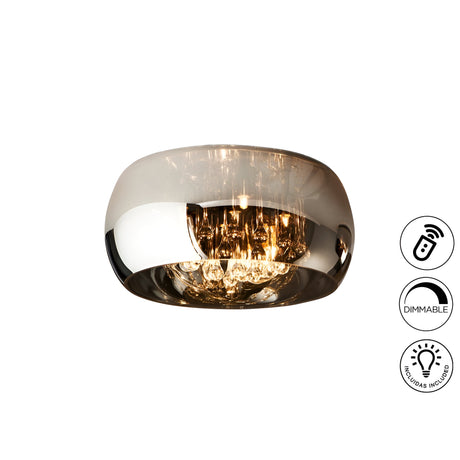
 Save 13%£34799£40199Unit price Translation missing: en.products.product.price.unit_price_separatorUnavailable
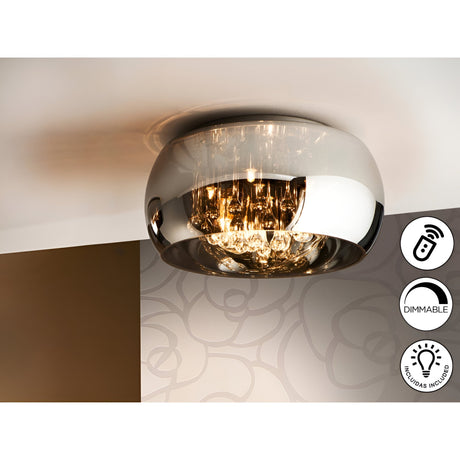
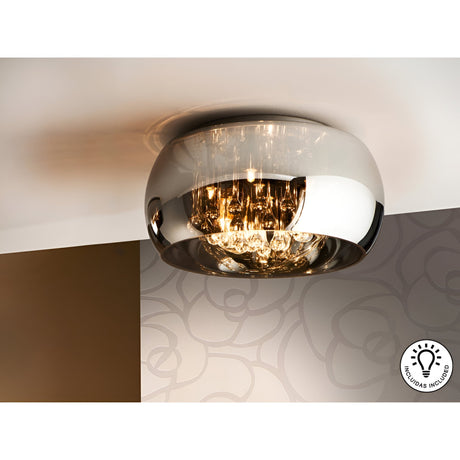
Argos 6 Light Flush Ceiling Light - Brown Mirrored Glass with Remote Control
6 In StockFree Delivery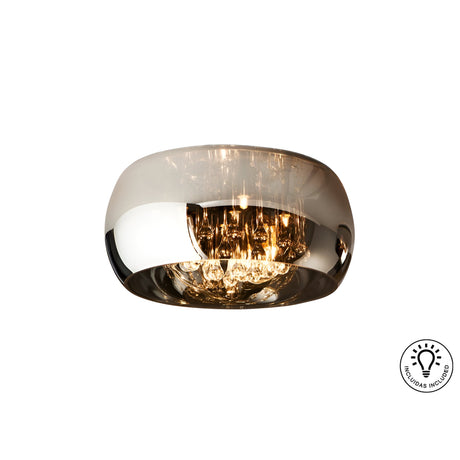
 Save 8%£28899£31499Unit price Translation missing: en.products.product.price.unit_price_separatorUnavailable
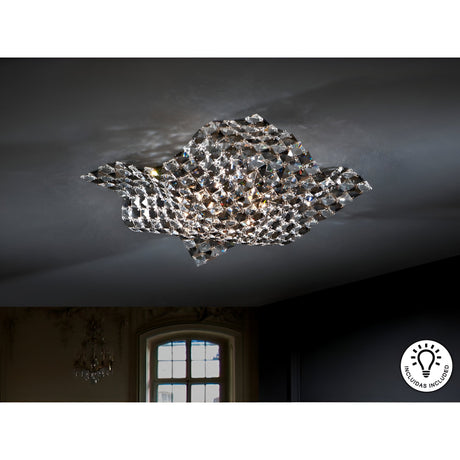
Argos 6 Light Flush Ceiling Light - Smoked Brown Mirrored Glass
5 In StockFree Delivery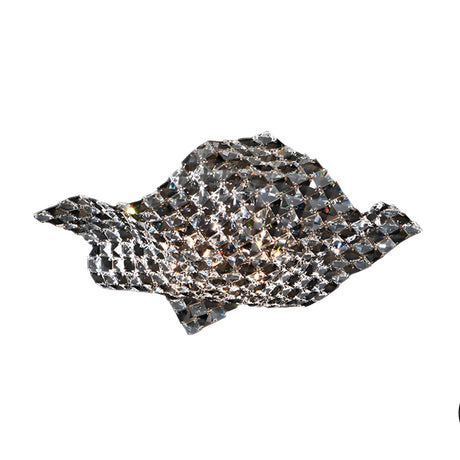
 Save 8%£28899£31499Unit price Translation missing: en.products.product.price.unit_price_separatorUnavailable26 In StockFree Delivery
 £75999Unit price Translation missing: en.products.product.price.unit_price_separatorUnavailable67 In StockFree Delivery
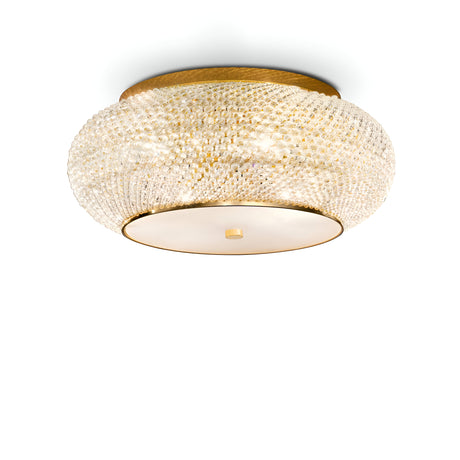 £1,40299Unit price Translation missing: en.products.product.price.unit_price_separatorUnavailable12 In StockFree Delivery
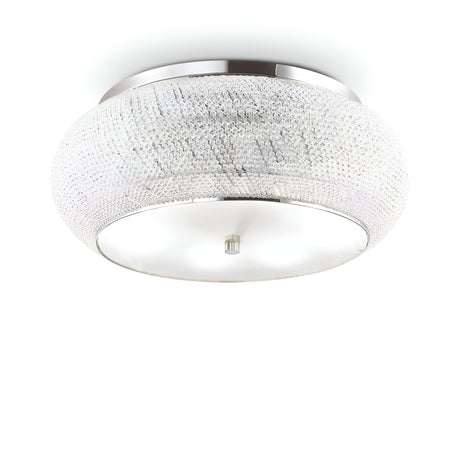 £1,40299Unit price Translation missing: en.products.product.price.unit_price_separatorUnavailable
Harbor 14 Light Crystal Flush Ceiling Light - Polished Chrome
27 In StockFree Delivery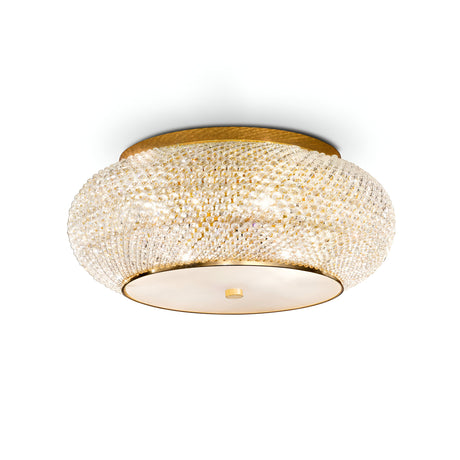 £1,20099Unit price Translation missing: en.products.product.price.unit_price_separatorUnavailable28 In StockFree Delivery
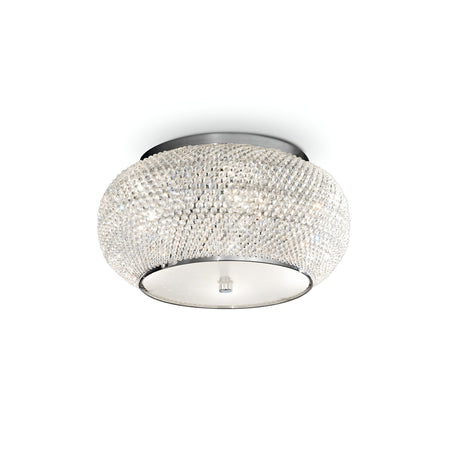 £95599Unit price Translation missing: en.products.product.price.unit_price_separatorUnavailable9 In StockFree Delivery
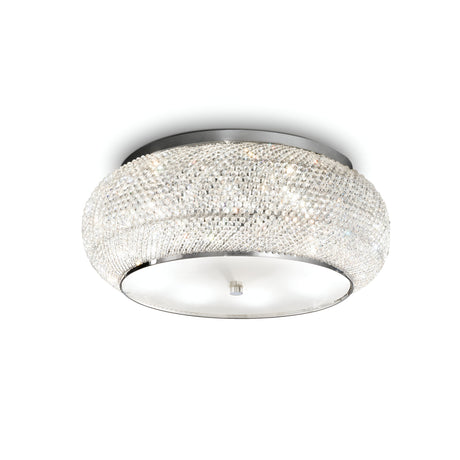 £1,20099Unit price Translation missing: en.products.product.price.unit_price_separatorUnavailable18 In StockFree Delivery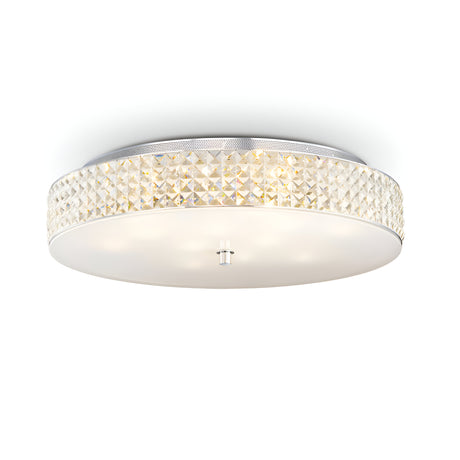
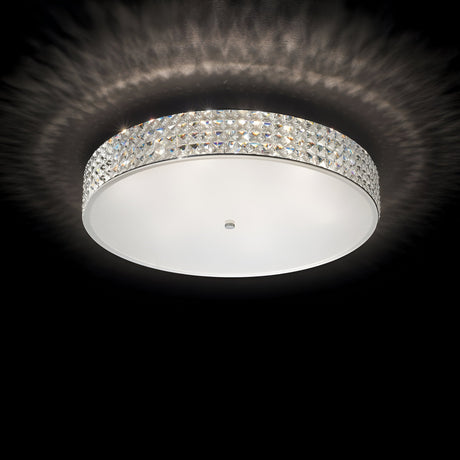 £78499Unit price Translation missing: en.products.product.price.unit_price_separatorUnavailable32 In StockFree Delivery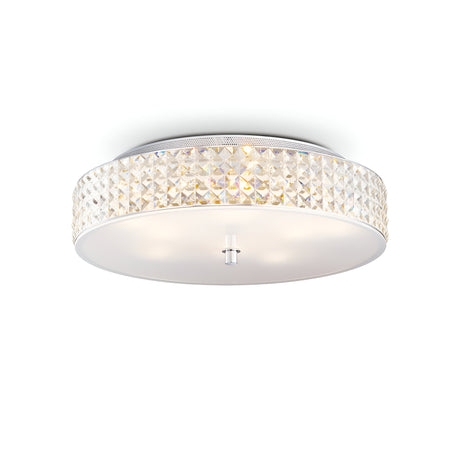
 £68699Unit price Translation missing: en.products.product.price.unit_price_separatorUnavailable64 In StockFree Delivery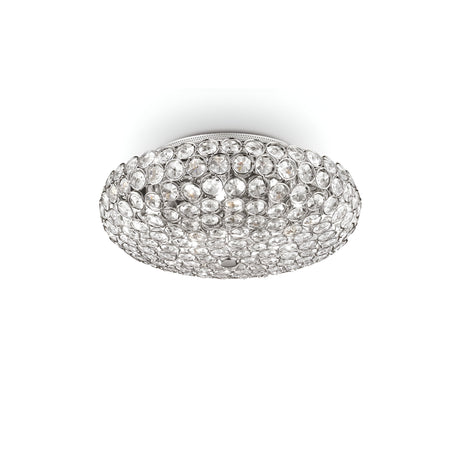
 £46599Unit price Translation missing: en.products.product.price.unit_price_separatorUnavailable65 In StockFree Delivery
 £26999Unit price Translation missing: en.products.product.price.unit_price_separatorUnavailable24 In StockFree Delivery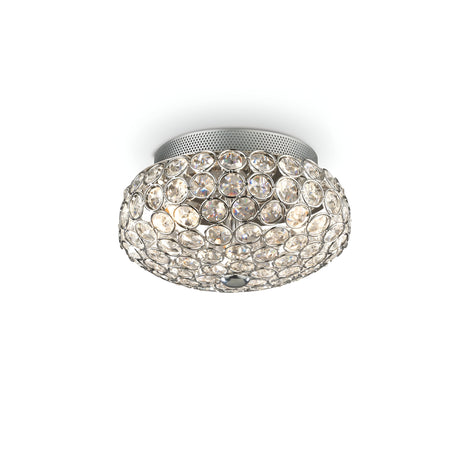
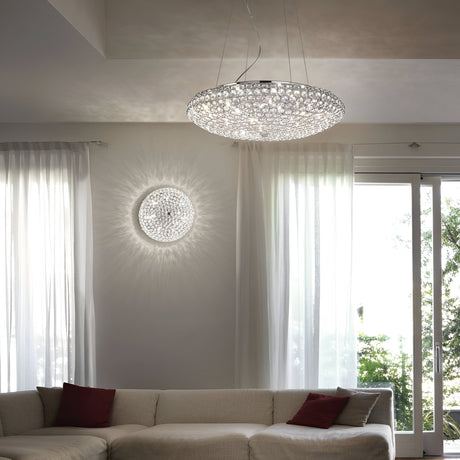 £26999Unit price Translation missing: en.products.product.price.unit_price_separatorUnavailable67 In StockFree Delivery
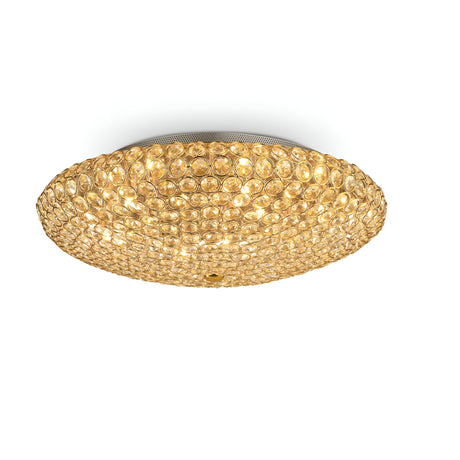 £81499Unit price Translation missing: en.products.product.price.unit_price_separatorUnavailable40 In StockFree Delivery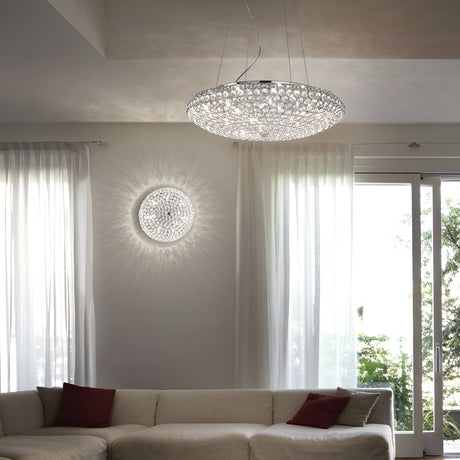
 £81499Unit price Translation missing: en.products.product.price.unit_price_separatorUnavailable43 In StockFree Delivery
 £47199Unit price Translation missing: en.products.product.price.unit_price_separatorUnavailable17 In StockFree Delivery
 £36099Unit price Translation missing: en.products.product.price.unit_price_separatorUnavailable20 In StockFree Delivery
 £25999Unit price Translation missing: en.products.product.price.unit_price_separatorUnavailable183 In StockFree Delivery
 £74699Unit price Translation missing: en.products.product.price.unit_price_separatorUnavailable37 In StockFree Delivery
 £56099Unit price Translation missing: en.products.product.price.unit_price_separatorUnavailable26 In StockFree Delivery
 £39399Unit price Translation missing: en.products.product.price.unit_price_separatorUnavailable67 In StockFree Delivery
 £50199Unit price Translation missing: en.products.product.price.unit_price_separatorUnavailable57 In StockFree Delivery
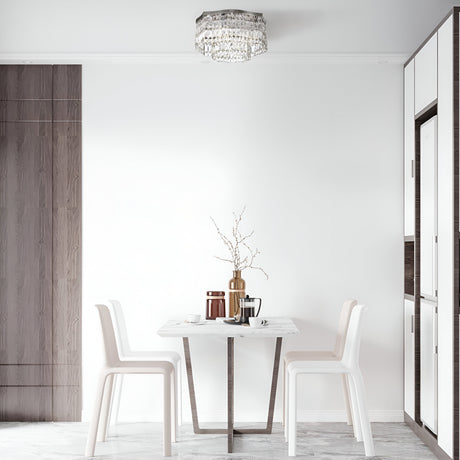 £36099Unit price Translation missing: en.products.product.price.unit_price_separatorUnavailable33 In StockFree Delivery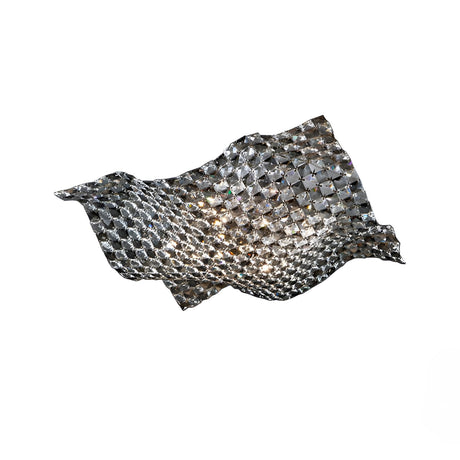
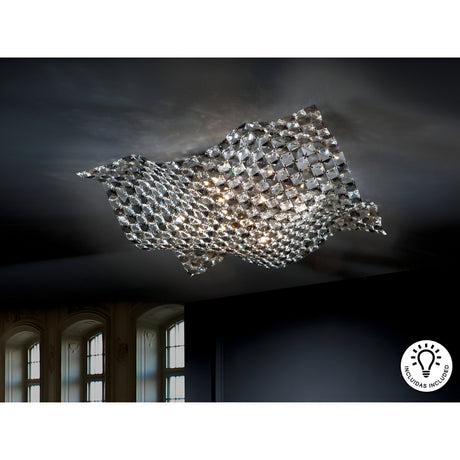 Save 8%£44499£48399Unit price Translation missing: en.products.product.price.unit_price_separatorUnavailableAvailable to OrderFree Delivery
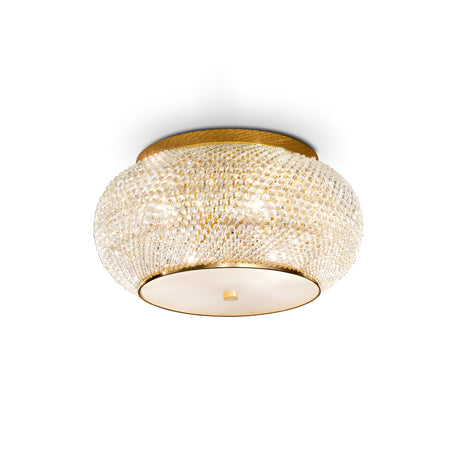 £95599Unit price Translation missing: en.products.product.price.unit_price_separatorUnavailableAvailable to OrderFree Delivery
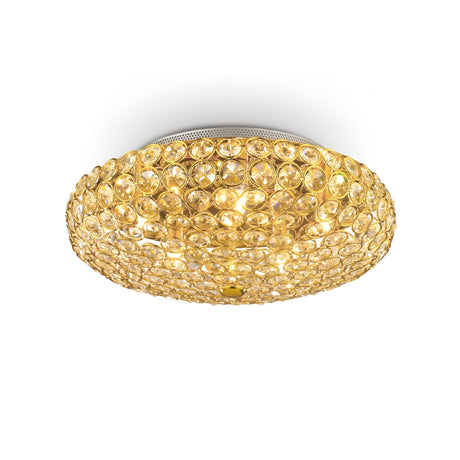 £46599Unit price Translation missing: en.products.product.price.unit_price_separatorUnavailable53 In StockFree Delivery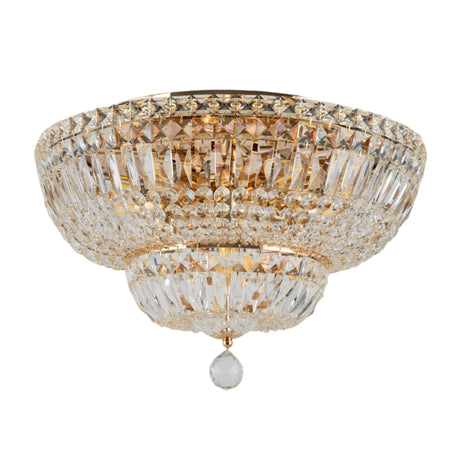
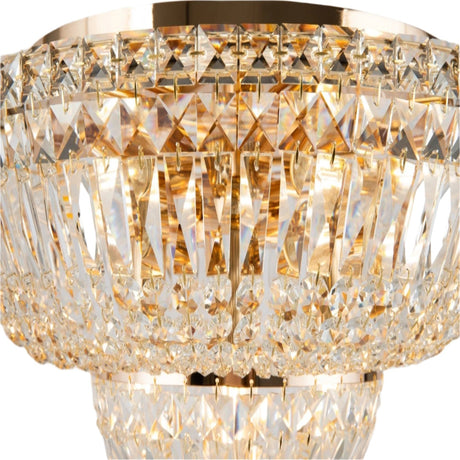 £55599Unit price Translation missing: en.products.product.price.unit_price_separatorUnavailableAvailable to OrderFree Delivery
 Save 15%£14599£17250Unit price Translation missing: en.products.product.price.unit_price_separatorUnavailable
Tosca 6 Light Square Glass Crystal Flush Ceiling Light - Antique Brass
2 In StockFree Delivery
 Save 16%£66999£79500Unit price Translation missing: en.products.product.price.unit_price_separatorUnavailable
Coniston 8 Light Crystal Flush Ceiling Light - Antique Brass IP44
16 In StockFree Delivery
 £8999Unit price Translation missing: en.products.product.price.unit_price_separatorUnavailable81 In Stock
 £8999Unit price Translation missing: en.products.product.price.unit_price_separatorUnavailable
Sasha 2 Light E27 Flush Ceiling Light 30cm - Polished Chrome
80 In Stock
 £19999Unit price Translation missing: en.products.product.price.unit_price_separatorUnavailable70 In StockFree Delivery
 £14899Unit price Translation missing: en.products.product.price.unit_price_separatorUnavailable77 In StockFree Delivery
 £7999Unit price Translation missing: en.products.product.price.unit_price_separatorUnavailable68 In Stock


Flush, semi-flush and the gap between them
A flush fitting sits directly against the ceiling with a drop usually under 150mm. A semi-flush hangs on a short stem, typically 200 to 400mm, which gives a little more presence without the reach of a pendant. The choice is nearly always driven by ceiling height: below about 2.3 metres a flush fitting is the only sensible option, and between 2.3 and 2.5 metres a semi-flush usually works. Above that you have the full range open to you.
Why crystal suits a flush fitting particularly well
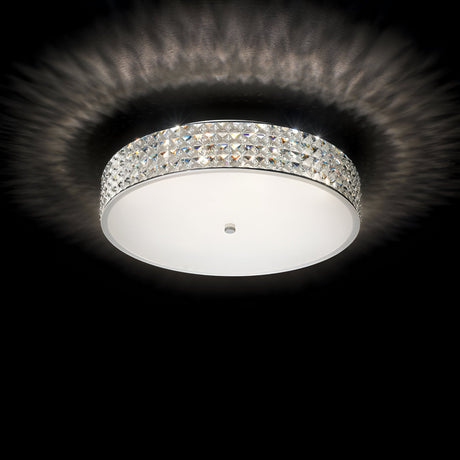
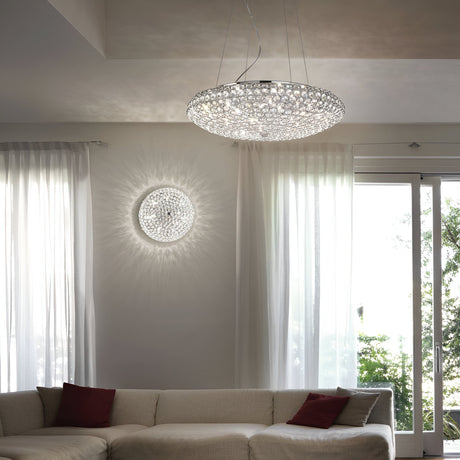
A plain flush plate is the least interesting fitting in most houses, functional and invisible at best. Crystal changes that without adding height, because the effect comes from the cut faces rather than from scale. A 40cm crystal flush fitting in a hallway does more visual work than a 60cm plain one, and takes less headroom doing it.
Sizing to the room
A reasonable starting point is to add the room dimensions in metres and read the answer in centimetres: a 3m by 4m bedroom suggests a fitting around 70cm, though for a flush plate we would usually come down from that because the fitting is seen against the ceiling rather than in open space. In practice, 30 to 40cm suits a hallway or small bedroom, 40 to 50cm a standard bedroom or landing, and 50cm upward a larger room or a stairwell.
Light spread from a fitting with nowhere to hang
A flush fitting throws most of its light downward and sideways rather than up, because there is no gap above it. That makes it efficient for lighting a floor and less good at making a ceiling feel high. Multi-lamp flush fittings spread the source out across the plate, which softens the shadows underneath, so a five-lamp 40cm fitting gives a noticeably more even result than a single-lamp one of the same size.
Bathrooms, and what the rating has to say
Many crystal flush fittings are rated IP20 and are for dry rooms only. A bathroom needs an appropriate IP rating for the zone the fitting sits in, and crystal fittings rated for bathroom use are the exception rather than the rule. Where a fitting is rated, we state the IP figure on the product page; where we do not state one, assume it is for dry rooms.
Fitting close to the ceiling, and replacing a pendant
Flush fittings mount to a ceiling plate rather than a hook, so the existing ceiling point may need work if it is currently set up for a pendant. The plate diameter is on every product page, and it matters because a small plate will not cover a large existing hole. Weight is lower than for pendants, with most flush crystal fittings sitting between 1.5 and 4.5kg, but it is still stated on every product.
This is the most common reason people arrive here, usually after someone has walked into a light or a bed has moved under one. The swap is straightforward electrically, because both fittings use the same ceiling point and the same supply. What catches people out is the hole.
A pendant hangs from a ceiling rose, and the rose is often smaller than the mounting plate of a flush fitting. That is usually fine, since the plate is larger and covers it. The problem runs the other way: where a previous pendant was fitted with a large rose or where the plasterboard was opened up for access, a compact flush plate may not reach. Measure the existing opening and check it against the plate diameter on the product page before ordering. Also check the ceiling itself is flat where the plate will sit. A flush fitting mounted on a bowed or artexed ceiling leaves a visible gap at one edge that no amount of tightening closes, and the fix is a ceiling plate or a skim rather than a different light.
Keeping a ceiling fitting clean
Flush fittings collect dust on their upper faces where you cannot see it, which is why they dim gradually rather than suddenly. A soft brush every few months, with the lamps off and cool, keeps the output up. On fittings where the crystal is fixed rather than removable, work from below with a long-handled duster rather than attempting to detach anything.
Frequently Asked Questions
What is the difference between a flush and a semi-flush ceiling light?
What is the difference between a flush and a semi-flush ceiling light?
Is a flush ceiling light the same as a flush mount?
Is a flush ceiling light the same as a flush mount?
What size should I choose?
What size should I choose?
Can I use one in a bathroom?
Can I use one in a bathroom?
How much headroom does a flush fitting need?
How much headroom does a flush fitting need?
Will it cover my existing ceiling hole?
Will it cover my existing ceiling hole?
How many lamps do I need for an even light?
How many lamps do I need for an even light?


BestSellers
-

 £63999Unit price Translation missing: en.products.product.price.unit_price_separatorUnavailable1 In StockFree Delivery
 -

 £49499Unit price Translation missing: en.products.product.price.unit_price_separatorUnavailable
Caelith 1 Light Medium Carved Alabaster Wall Light - Brushed Brass
Made to OrderFree Delivery In our showroom
 -

 £1,42999Unit price Translation missing: en.products.product.price.unit_price_separatorUnavailable
Seraphis LED Medium Alabaster Ring Chandelier - Brushed Brass
Made to OrderFree Delivery -

 £1,31999Unit price Translation missing: en.products.product.price.unit_price_separatorUnavailableMade to OrderFree Delivery
 -

 Save 8%£49999£54299Unit price Translation missing: en.products.product.price.unit_price_separatorUnavailable
Helia 100cm LED Circular Pendant Light 55W 3000K - Matte Black
13 In StockFree Delivery -

 £79999Unit price Translation missing: en.products.product.price.unit_price_separatorUnavailable4 In StockFree DeliveryIn our showroom
 -

 £80299Unit price Translation missing: en.products.product.price.unit_price_separatorUnavailableMade to OrderFree Delivery
 -

 £1,20999Unit price Translation missing: en.products.product.price.unit_price_separatorUnavailableMade to OrderFree Delivery
 -

 £2,96999Unit price Translation missing: en.products.product.price.unit_price_separatorUnavailable
Sorrelis 9 Light Alabaster Chandelier - Soft White & Brushed Brass
Made to OrderFree Delivery -

 £2,96999Unit price Translation missing: en.products.product.price.unit_price_separatorUnavailableMade to OrderFree Delivery
 -

 £1,53999Unit price Translation missing: en.products.product.price.unit_price_separatorUnavailableMade to OrderFree Delivery
 -

 £2,09999Unit price Translation missing: en.products.product.price.unit_price_separatorUnavailable
Auriel 19 Light Alabaster Cluster Chandelier - Brushed Brass
Made to OrderFree Delivery


Recommended For You
Our Reviews
-

Birmingham Based
British heritage. Worldwide delivery.
