

 £44990Unit price Translation missing: en.products.product.price.unit_price_separatorUnavailable
 Free Delivery
 £27999Unit price Translation missing: en.products.product.price.unit_price_separatorUnavailableFree Delivery
 £28999Unit price Translation missing: en.products.product.price.unit_price_separatorUnavailable2 In StockFree Delivery
 In our showroom
 £44999Unit price Translation missing: en.products.product.price.unit_price_separatorUnavailableFree Delivery
 £29999Unit price Translation missing: en.products.product.price.unit_price_separatorUnavailableFree Delivery
 £28999Unit price Translation missing: en.products.product.price.unit_price_separatorUnavailable1 In StockFree DeliveryIn our showroom
 £28999Unit price Translation missing: en.products.product.price.unit_price_separatorUnavailable2 In StockFree DeliveryIn our showroom
 £49999Unit price Translation missing: en.products.product.price.unit_price_separatorUnavailable2 In StockFree DeliveryIn our showroom
 Save 25%£24699£33000Unit price Translation missing: en.products.product.price.unit_price_separatorUnavailableFree Delivery
 Save 25%£24699£33000Unit price Translation missing: en.products.product.price.unit_price_separatorUnavailableFree Delivery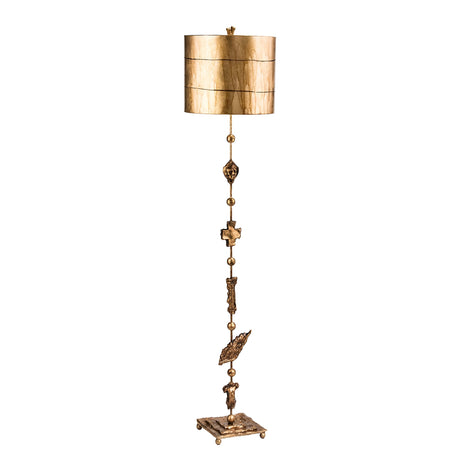
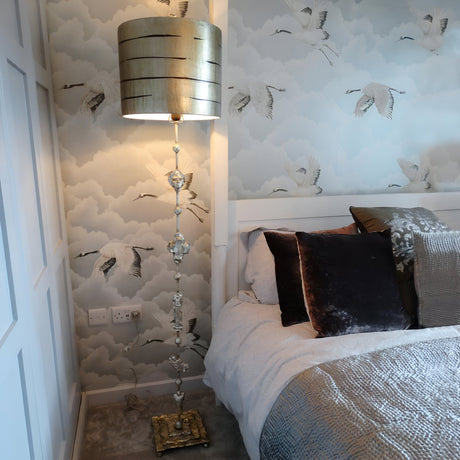 Save 25%£22499£30000Unit price Translation missing: en.products.product.price.unit_price_separatorUnavailableFree Delivery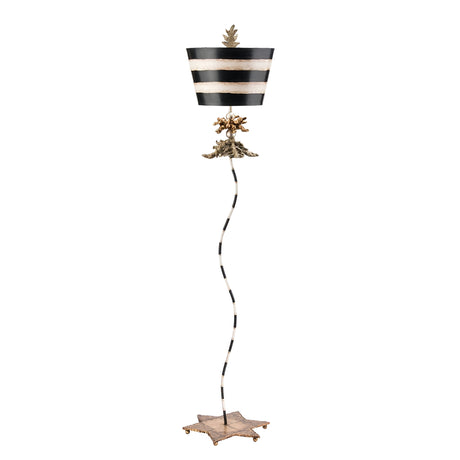
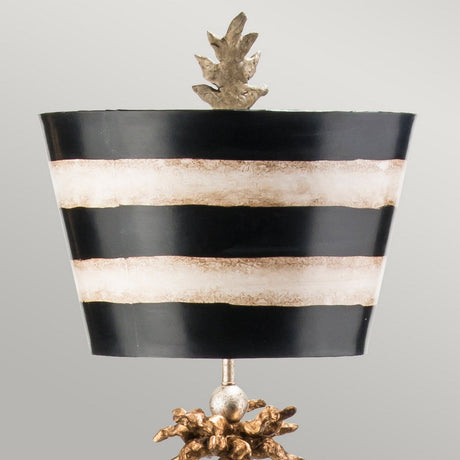 Save 25%£33699£45000Unit price Translation missing: en.products.product.price.unit_price_separatorUnavailable
South Beach Floor Lamp - Black & Putty Stripe with Gold Palm Leaf Detail
Free Delivery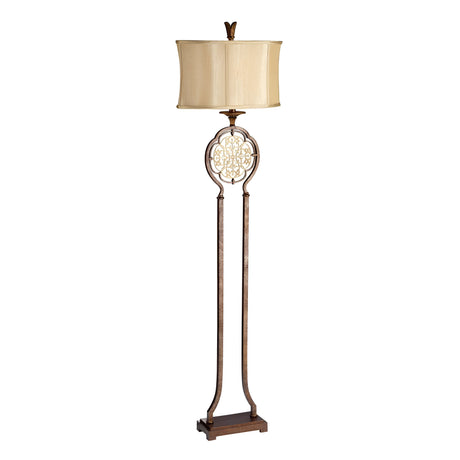
 Save 25%£22499£30000Unit price Translation missing: en.products.product.price.unit_price_separatorUnavailable
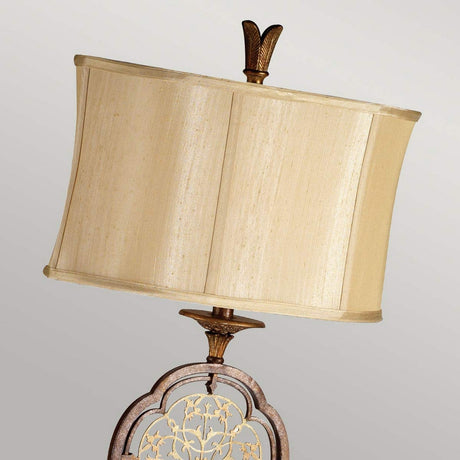
Marcella Floor Lamp Bronze with Filigree Detail - Light Gold Shade
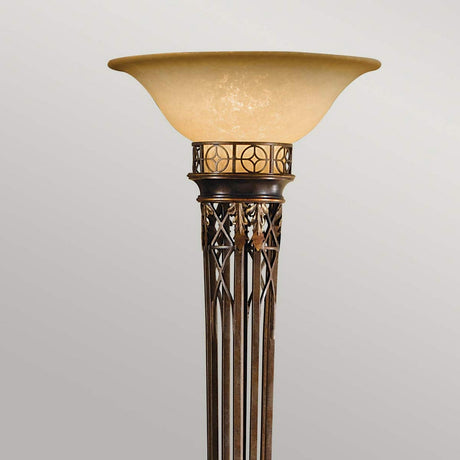
Free Delivery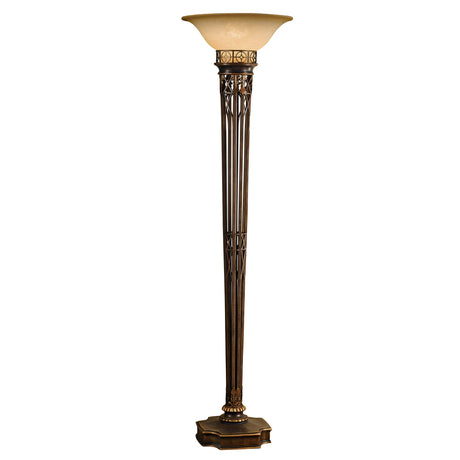
 Save 25%£75099£1,00200Unit price Translation missing: en.products.product.price.unit_price_separatorUnavailableFree Delivery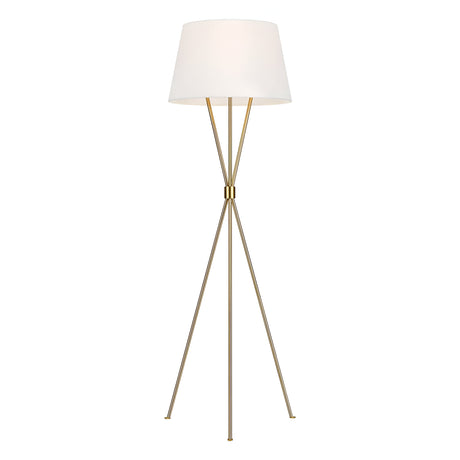
 Save 25%£26999£36000Unit price Translation missing: en.products.product.price.unit_price_separatorUnavailable
Penny Tripod Floor Lamp - Burnished Brass with White Linen Shade
Free Delivery
 Save 25%£24699£33000Unit price Translation missing: en.products.product.price.unit_price_separatorUnavailableFree Delivery
 Save 25%£40499£54000Unit price Translation missing: en.products.product.price.unit_price_separatorUnavailableFree Delivery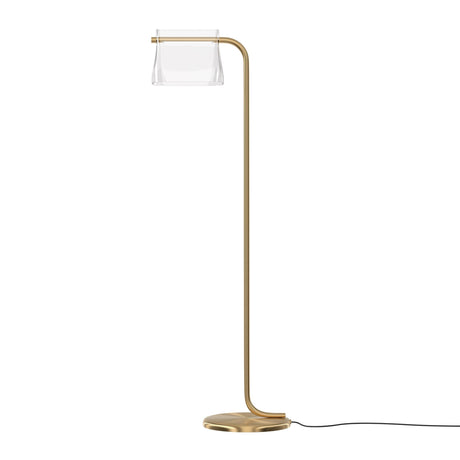
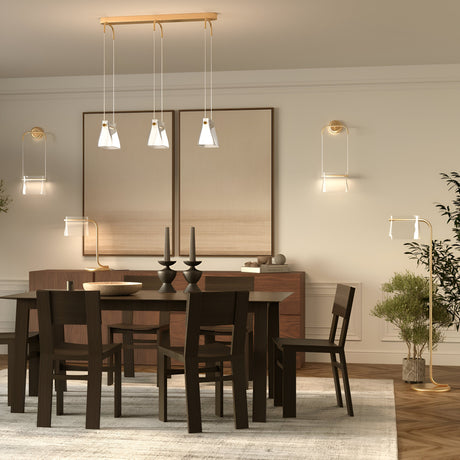 £49099Unit price Translation missing: en.products.product.price.unit_price_separatorUnavailable54 In StockFree Delivery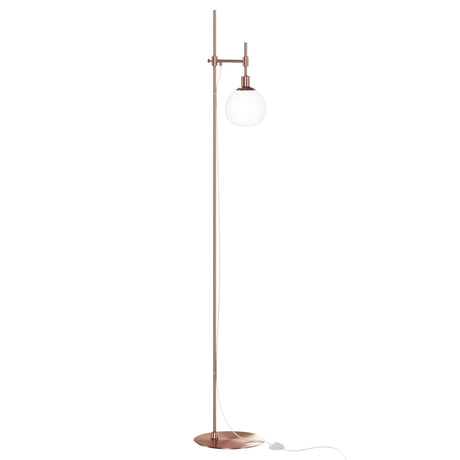
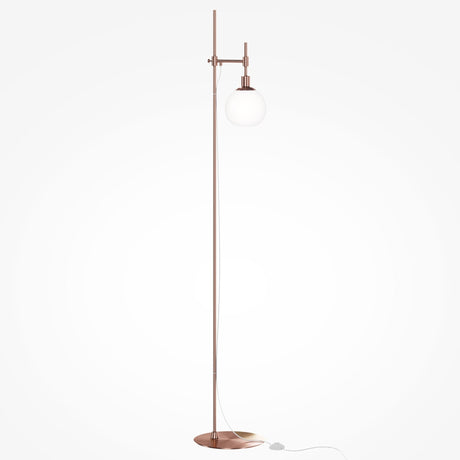 £16899Unit price Translation missing: en.products.product.price.unit_price_separatorUnavailable46 In StockFree Delivery
 £17899Unit price Translation missing: en.products.product.price.unit_price_separatorUnavailable52 In StockFree Delivery
 £35499Unit price Translation missing: en.products.product.price.unit_price_separatorUnavailable56 In StockFree Delivery
 £21899Unit price Translation missing: en.products.product.price.unit_price_separatorUnavailable245 In StockFree Delivery
 £33099Unit price Translation missing: en.products.product.price.unit_price_separatorUnavailable67 In StockFree Delivery
 £29399Unit price Translation missing: en.products.product.price.unit_price_separatorUnavailable85 In StockFree Delivery
 £1,02899Unit price Translation missing: en.products.product.price.unit_price_separatorUnavailableFree Delivery
 £19899Unit price Translation missing: en.products.product.price.unit_price_separatorUnavailable3 In StockFree Delivery
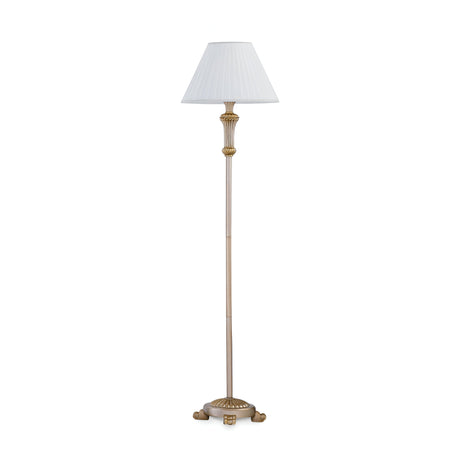 Save 30%£28599£40800Unit price Translation missing: en.products.product.price.unit_price_separatorUnavailable34 In StockFree Delivery
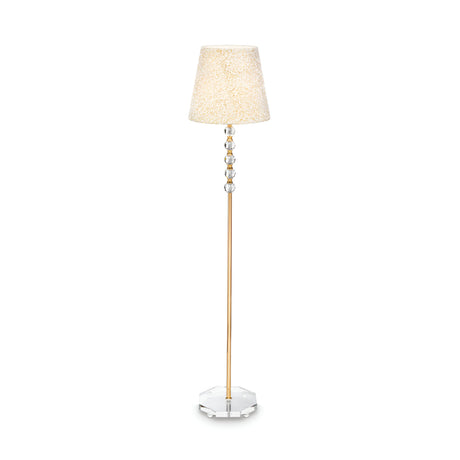 Save 30%£31099£44400Unit price Translation missing: en.products.product.price.unit_price_separatorUnavailable37 In StockFree Delivery
 Save 30%£20199£28800Unit price Translation missing: en.products.product.price.unit_price_separatorUnavailable44 In StockFree Delivery
 Save 30%£48799£69600Unit price Translation missing: en.products.product.price.unit_price_separatorUnavailableFree Delivery
 Save 4%£27599£28799Unit price Translation missing: en.products.product.price.unit_price_separatorUnavailable47 In StockFree Delivery
 Save 4%£51199£53399Unit price Translation missing: en.products.product.price.unit_price_separatorUnavailable17 In StockFree Delivery
 Save 4%£37699£39299Unit price Translation missing: en.products.product.price.unit_price_separatorUnavailable24 In StockFree Delivery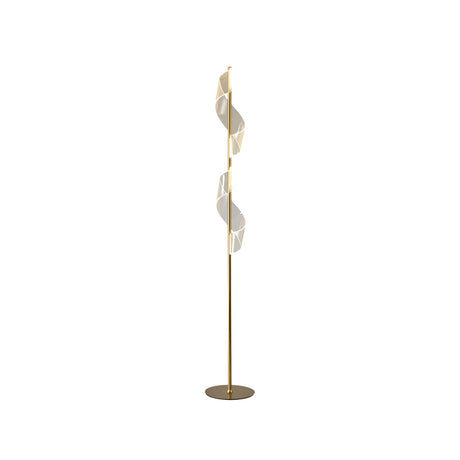
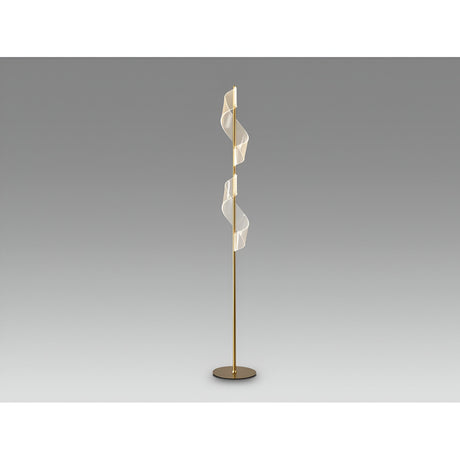 Save 4%£24999£25999Unit price Translation missing: en.products.product.price.unit_price_separatorUnavailable34 In StockFree Delivery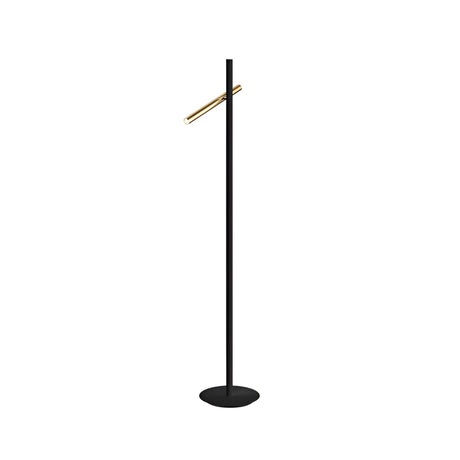
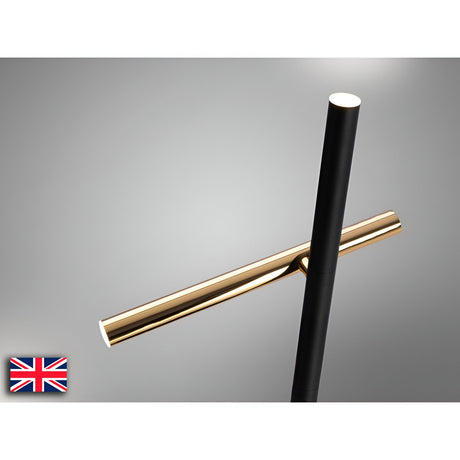 Save 8%£20099£21899Unit price Translation missing: en.products.product.price.unit_price_separatorUnavailable24 In StockFree Delivery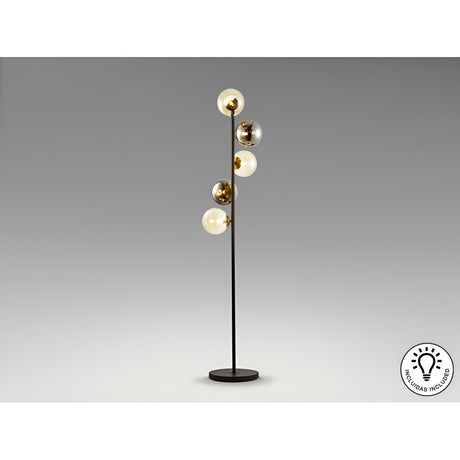
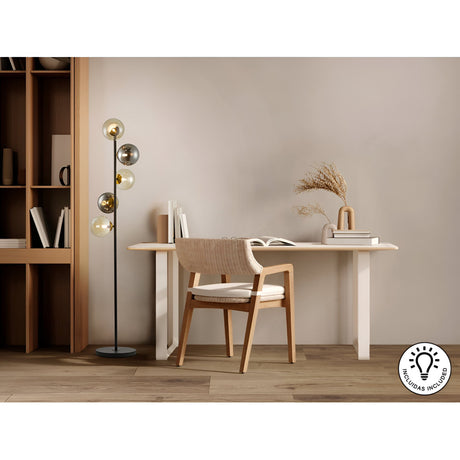 Save 4%£26699£27799Unit price Translation missing: en.products.product.price.unit_price_separatorUnavailable16 In StockFree Delivery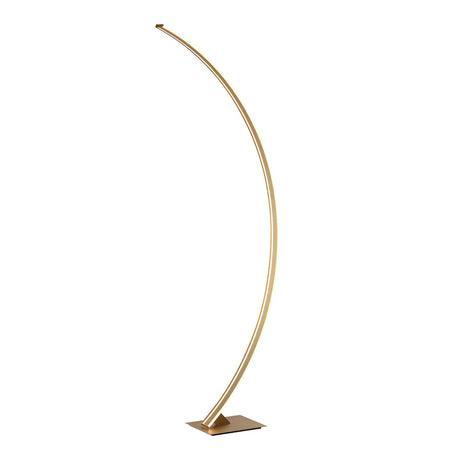
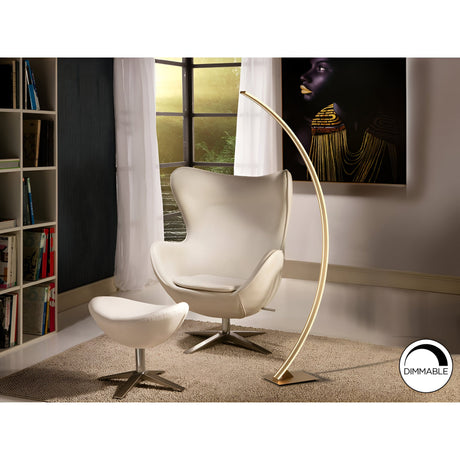 Save 4%£40699£42399Unit price Translation missing: en.products.product.price.unit_price_separatorUnavailable7 In StockFree Delivery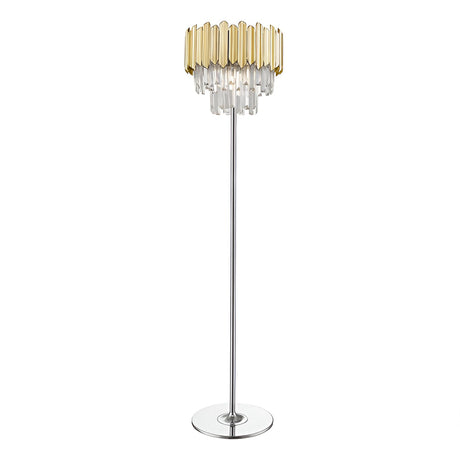
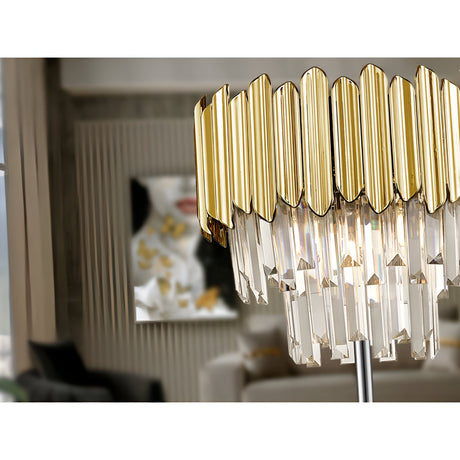 Save 4%£56899£59399Unit price Translation missing: en.products.product.price.unit_price_separatorUnavailableFree Delivery
 Save 8%£82699£89899Unit price Translation missing: en.products.product.price.unit_price_separatorUnavailable21 In StockFree Delivery
 £1,18499Unit price Translation missing: en.products.product.price.unit_price_separatorUnavailable
El Arbol Gold Silhouette Sculpture With Opal LED Lamp - 190cm
Free Delivery
 Save 4%£32399£33799Unit price Translation missing: en.products.product.price.unit_price_separatorUnavailable18 In StockFree Delivery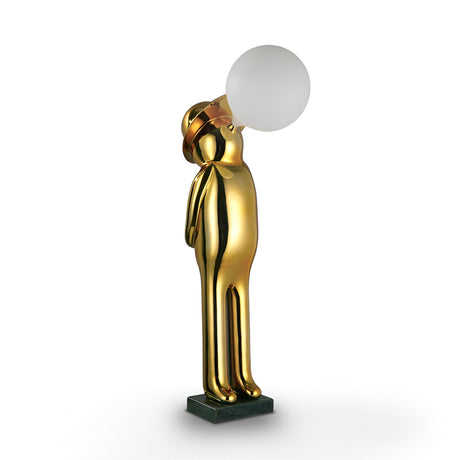
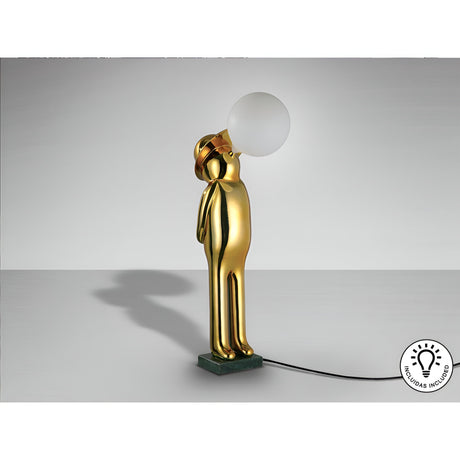 Save 4%£37699£39299Unit price Translation missing: en.products.product.price.unit_price_separatorUnavailable2 In StockFree Delivery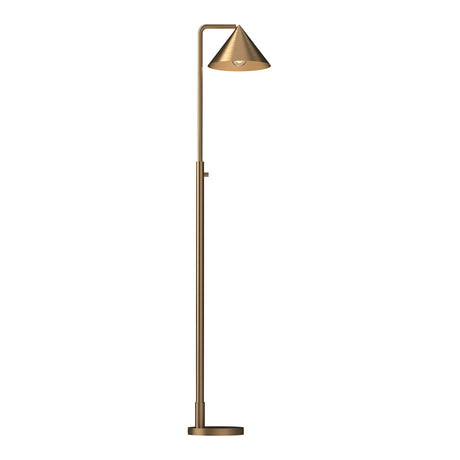
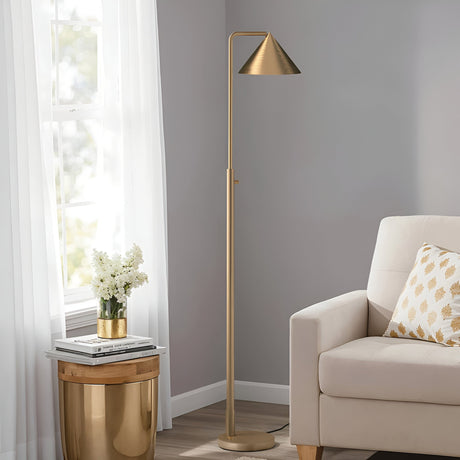 Save 25%£24699£33000Unit price Translation missing: en.products.product.price.unit_price_separatorUnavailableFree Delivery
 £34999Unit price Translation missing: en.products.product.price.unit_price_separatorUnavailableFree DeliveryIn our showroom
 Save 24%£1,06499£1,40000Unit price Translation missing: en.products.product.price.unit_price_separatorUnavailable19 In StockFree Delivery
 Save 32%£47399£70000Unit price Translation missing: en.products.product.price.unit_price_separatorUnavailable
Glenthorpe Floor Lamp - Gilded Oak Hammered Iron with Irish Linen Shade
Free Delivery
 £24999Unit price Translation missing: en.products.product.price.unit_price_separatorUnavailable1 In StockFree DeliveryIn our showroom
 Save 16%£16699£19800Unit price Translation missing: en.products.product.price.unit_price_separatorUnavailableFree Delivery


What makes a gold floor lamp work
Gold is a warm metal, and that warmth does something useful to light. A brass or gold column bounces a little of the glow back into the room rather than absorbing it, which softens the edges of a lit corner and keeps evening lighting from feeling clinical. It also sits comfortably against a wide range of backdrops: deep green and navy walls, oak and walnut furniture, cream plaster, dark tile. In the UK these pieces are still sometimes called standard lamps, while in the US the tall uplighting versions are often listed as torchieres. Whichever term you use, the job is the same, which is putting light where a ceiling fitting cannot reach.
How to choose a gold floor lamp
Start with the job the lamp has to do. For reading, look for an adjustable head or a swing arm that lets you aim light onto the page without glare, usually sitting around shoulder height when you are seated. For general ambience, a fabric-shaded column or a multi-light design spreads a wider, softer pool. For dark corners and low ceilings, an uplighter throws light upward and makes the whole room feel taller. Then check the footprint. A weighted round base needs clear floor space, while a tripod spreads its load over three points and suits a rug. Height matters too: taller stick lamps stand well behind a sofa, while shorter designs tuck beside an armchair without crowding the sightline.
Placement, room by room
In a living room, the classic position is the corner behind or beside a sofa, angled inward so the light falls across the seat rather than into the eye. A pair either side of a fireplace gives symmetry without the commitment of wall lights. In bedrooms, a floor lamp beside a chair or at the foot of the bed frees up the nightstand and gives you a softer alternative to the ceiling fitting. Home offices benefit from a directional head placed to the side of the screen, which cuts reflections. In hallways and on landings, a slim column with a small base keeps the walkway clear. Wherever the lamp lands, plan the cable run so the flex, or cord if you are shopping from the States, reaches a socket without crossing a path.
Finishes and materials
Gold is not one shade. Brushed brass has a fine grain and a muted, slightly antiqued warmth that hides fingerprints well. Polished gold is brighter and more reflective, catching highlights along a slim stem. Matt and satin golds sit flatter and read as more contemporary, and they pair neatly with black detailing on bases, joints and shade rims. Two-tone designs that combine black with gold are a reliable way to bring a metallic into a room without it dominating. Bodies are commonly steel, iron or aluminium with a plated or powder-coated surface, sometimes combined with glass, marble or fabric. Mixing metals is fine in practice, as long as one tone leads and the other appears deliberately rather than by accident.
Shades, glass and diffusers
The shade decides the character of the light as much as the frame does. Linen and fabric drum shades diffuse gently and throw light both up and down, which suits living rooms. Tapered and empire shapes direct more light downward for reading. Dimpled, ribbed and beaded glass diffusers scatter the beam into a textured glow and look good even when switched off. Opal glass gives an even, milky light with very little glare. Amber and smoked glass warms the output further and works well with brass. Slim opaque metal heads concentrate light tightly, so they are the ones to reach for when you want a defined reading pool rather than an overall wash.
Bulbs, switching and dimming
Bulb caps across the range run from E27 and E14 screw fittings through to G9 capsules and integrated LED modules that need no bulb at all. Colour temperature is worth checking: 2700K to 3000K gives the warm white that flatters gold and keeps evenings relaxed, while cooler outputs suit task work. Look at the switch type before you buy, since inline foot switches, rotary switches on the body and touch dimmers all behave differently in daily use. If you want to dim, confirm that both the lamp and the bulb are dimmable, and pair an LED with a compatible trailing edge dimmer to avoid flicker. UK products are supplied with a fitted plug for 240V mains.
Looking after a gold finish
Plated and lacquered gold asks for very little. Dust with a dry microfibre cloth, working with the grain on brushed surfaces, and keep the lamp switched off and cool first. For marks, a cloth barely dampened with water and dried straight away is enough. Avoid metal polish, abrasive creams and anything containing ammonia or bleach, as these strip lacquer and dull the surface permanently. Unlacquered brass will patinate over time, which many people prefer, and it can be brought back with a dedicated brass product if you want the original shine. Wipe glass diffusers separately, and check the cable and plug from time to time for wear.
Frequently Asked Questions
What is the difference between gold and brass finishes?
What is the difference between gold and brass finishes?
How tall should a gold floor lamp be?
How tall should a gold floor lamp be?
Do you deliver outside the UK?
Do you deliver outside the UK?
What bulbs do these floor lamps take?
What bulbs do these floor lamps take?
Can gold floor lamps be dimmed?
Can gold floor lamps be dimmed?
Will a gold floor lamp clash with other metals in my room?
Will a gold floor lamp clash with other metals in my room?
How do I clean a gold or brass lamp without damaging it?
How do I clean a gold or brass lamp without damaging it?
Related Collections


BestSellers
-

 £49499Unit price Translation missing: en.products.product.price.unit_price_separatorUnavailable
Caelith 1 Light Medium Carved Alabaster Wall Light - Brushed Brass
Free DeliveryIn our showroom -

 £63999Unit price Translation missing: en.products.product.price.unit_price_separatorUnavailableFree Delivery
 -

 £11,87999Unit price Translation missing: en.products.product.price.unit_price_separatorUnavailableFree Delivery
 -

 £1,42999Unit price Translation missing: en.products.product.price.unit_price_separatorUnavailable
Seraphis LED Medium Alabaster Ring Chandelier - Brushed Brass
Free Delivery -

 £1,31999Unit price Translation missing: en.products.product.price.unit_price_separatorUnavailableFree Delivery
 -

 £50599Unit price Translation missing: en.products.product.price.unit_price_separatorUnavailableFree Delivery
 -

 £80299Unit price Translation missing: en.products.product.price.unit_price_separatorUnavailableFree Delivery
 -

 Save 25%£65199£87000Unit price Translation missing: en.products.product.price.unit_price_separatorUnavailableFree Delivery
 -

 £1,64999Unit price Translation missing: en.products.product.price.unit_price_separatorUnavailableFree Delivery
 -

 £2,96999Unit price Translation missing: en.products.product.price.unit_price_separatorUnavailableFree Delivery
 -

 £1,53999Unit price Translation missing: en.products.product.price.unit_price_separatorUnavailableFree Delivery
 -

 £2,30999Unit price Translation missing: en.products.product.price.unit_price_separatorUnavailable
Stratalux LED Stacked Alabaster Column Floor Lamp - Matt Black
Free Delivery


Recommended For You
Our Reviews
-

Birmingham Based
British heritage. Worldwide delivery.
