

 £23799Unit price Translation missing: en.products.product.price.unit_price_separatorUnavailable76 In Stock
 Free Delivery
 £21999Unit price Translation missing: en.products.product.price.unit_price_separatorUnavailable117 In StockFree Delivery
 £59099Unit price Translation missing: en.products.product.price.unit_price_separatorUnavailable36 In StockFree Delivery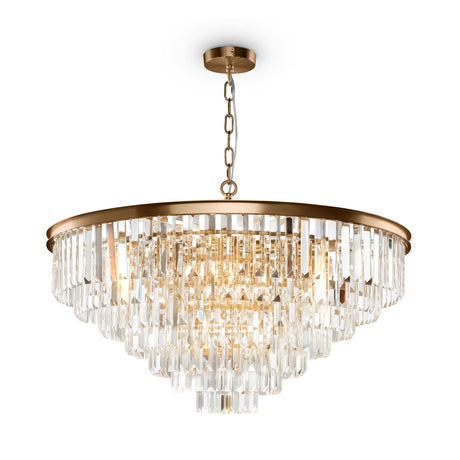
 £88999Unit price Translation missing: en.products.product.price.unit_price_separatorUnavailable98 In StockFree Delivery
 £73599Unit price Translation missing: en.products.product.price.unit_price_separatorUnavailable66 In StockFree Delivery
 £52399Unit price Translation missing: en.products.product.price.unit_price_separatorUnavailable39 In StockFree Delivery
 £51299Unit price Translation missing: en.products.product.price.unit_price_separatorUnavailable91 In StockFree Delivery
 £40899Unit price Translation missing: en.products.product.price.unit_price_separatorUnavailable101 In StockFree Delivery
 £1,10199Unit price Translation missing: en.products.product.price.unit_price_separatorUnavailable37 In StockFree Delivery
 £60699Unit price Translation missing: en.products.product.price.unit_price_separatorUnavailable49 In StockFree Delivery
 £34399Unit price Translation missing: en.products.product.price.unit_price_separatorUnavailable27 In StockFree Delivery
 £54599Unit price Translation missing: en.products.product.price.unit_price_separatorUnavailable68 In StockFree Delivery
 £41699Unit price Translation missing: en.products.product.price.unit_price_separatorUnavailable69 In StockFree Delivery
 £33399Unit price Translation missing: en.products.product.price.unit_price_separatorUnavailable178 In StockFree Delivery
 £53999Unit price Translation missing: en.products.product.price.unit_price_separatorUnavailable257 In StockFree Delivery
 £42799Unit price Translation missing: en.products.product.price.unit_price_separatorUnavailable266 In StockFree Delivery
 £35499Unit price Translation missing: en.products.product.price.unit_price_separatorUnavailable294 In StockFree Delivery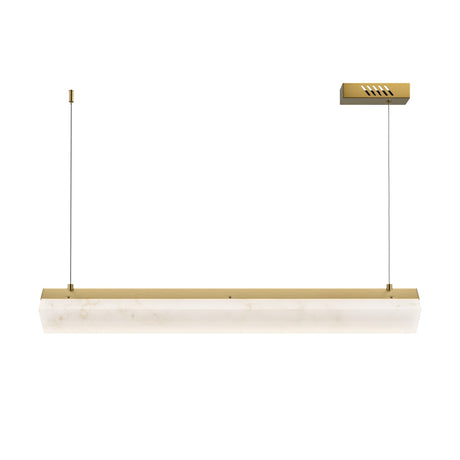
 £41999Unit price Translation missing: en.products.product.price.unit_price_separatorUnavailable16 In StockFree Delivery
 £27399Unit price Translation missing: en.products.product.price.unit_price_separatorUnavailable39 In StockFree Delivery
 £48299Unit price Translation missing: en.products.product.price.unit_price_separatorUnavailable57 In StockFree Delivery
 £35999Unit price Translation missing: en.products.product.price.unit_price_separatorUnavailable138 In StockFree Delivery
 £28499Unit price Translation missing: en.products.product.price.unit_price_separatorUnavailable50 In StockFree Delivery
 £27399Unit price Translation missing: en.products.product.price.unit_price_separatorUnavailable65 In StockFree Delivery
 £33699Unit price Translation missing: en.products.product.price.unit_price_separatorUnavailable92 In StockFree Delivery
 £1,14999Unit price Translation missing: en.products.product.price.unit_price_separatorUnavailable41 In StockFree Delivery
 £1,31999Unit price Translation missing: en.products.product.price.unit_price_separatorUnavailable
Selvara 3 Light Horizontal Alabaster Linear Chandelier - Brushed Brass
Free Delivery In our showroom
 £2,19999Unit price Translation missing: en.products.product.price.unit_price_separatorUnavailableFree Delivery
 £2,39999Unit price Translation missing: en.products.product.price.unit_price_separatorUnavailableFree Delivery
 £1,69999Unit price Translation missing: en.products.product.price.unit_price_separatorUnavailableFree Delivery
 £79999Unit price Translation missing: en.products.product.price.unit_price_separatorUnavailableFree Delivery
 £99999Unit price Translation missing: en.products.product.price.unit_price_separatorUnavailableFree Delivery
 £99999Unit price Translation missing: en.products.product.price.unit_price_separatorUnavailableFree Delivery
 £34999Unit price Translation missing: en.products.product.price.unit_price_separatorUnavailableFree DeliveryIn our showroom
 £39999Unit price Translation missing: en.products.product.price.unit_price_separatorUnavailable
Galaxy 12 Light Branching Chandelier - Black & Brass with Clear Glass Globes
Free DeliveryIn our showroom
 £49999Unit price Translation missing: en.products.product.price.unit_price_separatorUnavailableFree DeliveryIn our showroom
 £79999Unit price Translation missing: en.products.product.price.unit_price_separatorUnavailableFree Delivery
 Save 35%£1,93599£2,98800Unit price Translation missing: en.products.product.price.unit_price_separatorUnavailableFree Delivery
 Save 35%£1,35299£2,08800Unit price Translation missing: en.products.product.price.unit_price_separatorUnavailableFree Delivery
 Save 17%£6,85999£8,23200Unit price Translation missing: en.products.product.price.unit_price_separatorUnavailableFree Delivery
 £9499Unit price Translation missing: en.products.product.price.unit_price_separatorUnavailable
 Save 21%£47899£60744Unit price Translation missing: en.products.product.price.unit_price_separatorUnavailableFree Delivery
 Save 25%£35499£47569Unit price Translation missing: en.products.product.price.unit_price_separatorUnavailableFree Delivery
 Save 25%£37299£49981Unit price Translation missing: en.products.product.price.unit_price_separatorUnavailableFree Delivery
 £1,31999Unit price Translation missing: en.products.product.price.unit_price_separatorUnavailableFree Delivery
 £1,42999Unit price Translation missing: en.products.product.price.unit_price_separatorUnavailable
Seraphis LED Medium Alabaster Ring Chandelier - Brushed Brass
Free Delivery
 £80299Unit price Translation missing: en.products.product.price.unit_price_separatorUnavailableFree Delivery
 £74799Unit price Translation missing: en.products.product.price.unit_price_separatorUnavailableFree Delivery
 £97999Unit price Translation missing: en.products.product.price.unit_price_separatorUnavailable
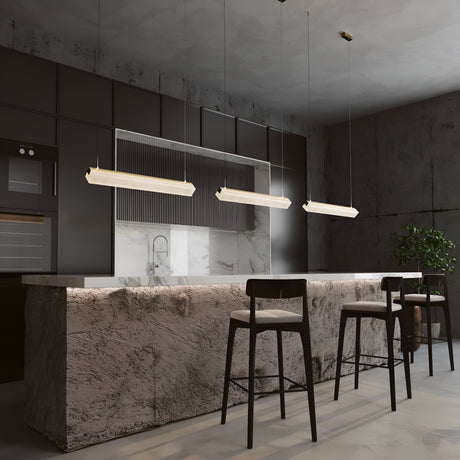
Montyra LED Panelled Alabaster Linear Chandelier - Soft White & Brass
Free Delivery


Solid brass, brass plate or brass finish
These three phrases describe quite different products and the difference shows up years later rather than on day one. Solid brass is the alloy itself throughout, so a scratch reveals more brass and the fitting can be polished back indefinitely. Brass plate is a thin layer of real brass over steel or another base metal, which looks identical when new but will wear through on handled edges over time. A brass finish, sometimes described as brass effect or brass tone, is a coating or paint that mimics the colour without any brass in it at all. None of the three is wrong, but they should not cost the same, and on a chandelier that will hang for twenty years the distinction is worth reading the specification for.
Polished, brushed and antique brass
Polished brass is bright, reflective and formal, and it throws light around a room more than any other brass finish. Brushed or satin brass carries a fine directional grain that softens reflections, and it has become the default in contemporary interiors because it shows fingerprints far less. Antique or aged brass is darkened deliberately, often unevenly, so that a new fitting reads as though it has been there a while. On a multi-arm chandelier the choice changes the whole character: the same frame reads as grand in polished brass and quietly settled in antique.
Lacquered or unlacquered, and what patina really does
Most brass fittings are lacquered, meaning a clear coat seals the metal so the colour stays exactly as bought. Unlacquered brass is left bare and will patinate, darkening unevenly where hands and air reach it. This is the point people most often misunderstand: patina is not tarnish or a fault, it is the metal doing what brass does, and on an unlacquered fitting it cannot be prevented, only polished back. If you want the chandelier to look the same in five years, choose lacquered. If you want it to look older and softer, choose unlacquered and leave it alone.
Brass with crystal and glass
Warm metal against clear crystal produces a golden refraction rather than the cool white sparkle you get from chrome, which is why the identical frame reads as traditional in brass and contemporary in nickel. Champagne and smoked crystal push that warmth further and suit rooms with deep or warm wall colours. Where the glass is opal or frosted rather than cut, the brass frame does the decorative work and the glass simply spreads the light, which is the more practical combination for a room that needs to be properly lit rather than merely dressed.
Getting the proportions right
Add the room dimensions in metres and treat the result as a diameter in centimetres as a starting point, so a 5m by 4m room suggests roughly 90cm. Over a dining table, ignore the room and size to the table instead, aiming for half to two thirds of its width. Arm count matters as much as width on a brass fitting, because every arm is visible metal: a six-arm chandelier in polished brass carries far more visual weight than a six-arm in matt black. In a room with a standard 2.4m ceiling, a single tier is usually right, and tiered designs earn their keep in stairwells and double-height halls where they are seen from more than one level.
Matching brass across a room
Brass tones vary far more than blacks or chromes do, so exact matching between a chandelier and existing door furniture or taps is rarely achievable and rarely necessary. The workable approach is to keep the warmth consistent and let the tones differ slightly, which reads as collected rather than mismatched. Where a room already has bright polished hardware, an antique brass chandelier bridges more comfortably than another polished piece, which would invite direct comparison.
Weight, fixing and cleaning
Multi-arm chandeliers are heavier than they look and a crystal-dressed brass fitting can pass 20kg, so the ceiling fixing must reach a joist or a purpose-fitted support rather than relying on plasterboard. Check the stated weight before choosing a position. For cleaning, a dry microfibre cloth is right for both the metal and the glass. Never use metal polish on a lacquered brass fitting: it cuts straight through the lacquer and leaves patchy bare metal that cannot be restored without stripping the whole piece.
Frequently Asked Questions
Is a brass chandelier solid brass?
Is a brass chandelier solid brass?
What is the difference between polished, brushed and antique brass?
What is the difference between polished, brushed and antique brass?
Will brass tarnish?
Will brass tarnish?
What size brass chandelier do I need?
What size brass chandelier do I need?
Does brass have to match my taps and door handles?
Does brass have to match my taps and door handles?
Can I fit one to a plasterboard ceiling?
Can I fit one to a plasterboard ceiling?
How do I clean brass without damaging it?
How do I clean brass without damaging it?
Related Collections


BestSellers
-

 £49499Unit price Translation missing: en.products.product.price.unit_price_separatorUnavailable
Caelith 1 Light Medium Carved Alabaster Wall Light - Brushed Brass
Free DeliveryIn our showroom -

 £63999Unit price Translation missing: en.products.product.price.unit_price_separatorUnavailableFree Delivery
 -

 £11,87999Unit price Translation missing: en.products.product.price.unit_price_separatorUnavailableFree Delivery
 -
£1,42999Unit price Translation missing: en.products.product.price.unit_price_separatorUnavailable
Seraphis LED Medium Alabaster Ring Chandelier - Brushed Brass
Free Delivery -
£1,31999Unit price Translation missing: en.products.product.price.unit_price_separatorUnavailableFree Delivery
-

 Save 8%£49999£54299Unit price Translation missing: en.products.product.price.unit_price_separatorUnavailable
Helia 100cm LED Circular Pendant Light 55W 3000K - Matte Black
13 In StockFree Delivery -
£80299Unit price Translation missing: en.products.product.price.unit_price_separatorUnavailableFree Delivery
-

 Save 25%£65199£87000Unit price Translation missing: en.products.product.price.unit_price_separatorUnavailableFree Delivery
 -

 £1,64999Unit price Translation missing: en.products.product.price.unit_price_separatorUnavailableFree Delivery
 -

 £2,96999Unit price Translation missing: en.products.product.price.unit_price_separatorUnavailableFree Delivery
 -

 £1,53999Unit price Translation missing: en.products.product.price.unit_price_separatorUnavailableFree Delivery
 -

 £2,30999Unit price Translation missing: en.products.product.price.unit_price_separatorUnavailable
Stratalux LED Stacked Alabaster Column Floor Lamp - Matt Black
Free Delivery


Recommended For You
Our Reviews
-

Birmingham Based
British heritage. Worldwide delivery.
