

 £4699Unit price Translation missing: en.products.product.price.unit_price_separatorUnavailable
Roya Up Down Square 22cm PIR Outdoor Wall Light - Anthracite

 £4699Unit price Translation missing: en.products.product.price.unit_price_separatorUnavailable
 £3599Unit price Translation missing: en.products.product.price.unit_price_separatorUnavailable
 £3599Unit price Translation missing: en.products.product.price.unit_price_separatorUnavailable
 £2899Unit price Translation missing: en.products.product.price.unit_price_separatorUnavailable
 £2899Unit price Translation missing: en.products.product.price.unit_price_separatorUnavailable
 £2899Unit price Translation missing: en.products.product.price.unit_price_separatorUnavailable
 £4799Unit price Translation missing: en.products.product.price.unit_price_separatorUnavailable
 £3599Unit price Translation missing: en.products.product.price.unit_price_separatorUnavailable
 £2899Unit price Translation missing: en.products.product.price.unit_price_separatorUnavailable
 £2899Unit price Translation missing: en.products.product.price.unit_price_separatorUnavailable
 £4399Unit price Translation missing: en.products.product.price.unit_price_separatorUnavailable
 £2799Unit price Translation missing: en.products.product.price.unit_price_separatorUnavailable
Zevi EL GU10 Up Down Outdoor Wall Light IP54 Black & White - Black

 £2899Unit price Translation missing: en.products.product.price.unit_price_separatorUnavailable
 £2499Unit price Translation missing: en.products.product.price.unit_price_separatorUnavailable
 £2899Unit price Translation missing: en.products.product.price.unit_price_separatorUnavailable
Zevi EL 2GU10 Up Down Outdoor Wall Light IP54 Black 2GU10 - Black

 £4699Unit price Translation missing: en.products.product.price.unit_price_separatorUnavailable
 £3299Unit price Translation missing: en.products.product.price.unit_price_separatorUnavailable
 £4899Unit price Translation missing: en.products.product.price.unit_price_separatorUnavailable
 £3299Unit price Translation missing: en.products.product.price.unit_price_separatorUnavailable
 £3399Unit price Translation missing: en.products.product.price.unit_price_separatorUnavailable
 £3399Unit price Translation missing: en.products.product.price.unit_price_separatorUnavailable
 £3399Unit price Translation missing: en.products.product.price.unit_price_separatorUnavailable
 £4099Unit price Translation missing: en.products.product.price.unit_price_separatorUnavailable
 £4099Unit price Translation missing: en.products.product.price.unit_price_separatorUnavailable
 £4099Unit price Translation missing: en.products.product.price.unit_price_separatorUnavailable
Zew 235U 2x35W GU10 Up Down Outdoor Wall Light Black 235U - Black

 £4099Unit price Translation missing: en.products.product.price.unit_price_separatorUnavailable
Zew Up Down GU10 Outdoor Wall Light IP44 Anthracite 235U - Grey
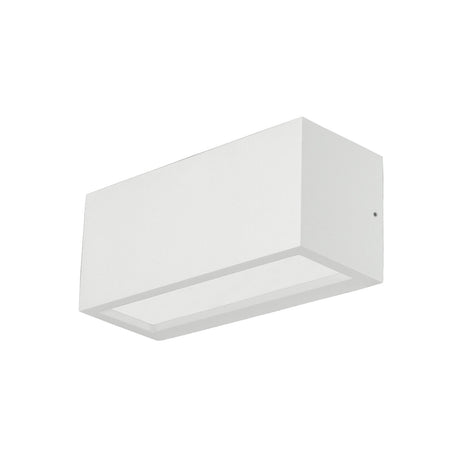
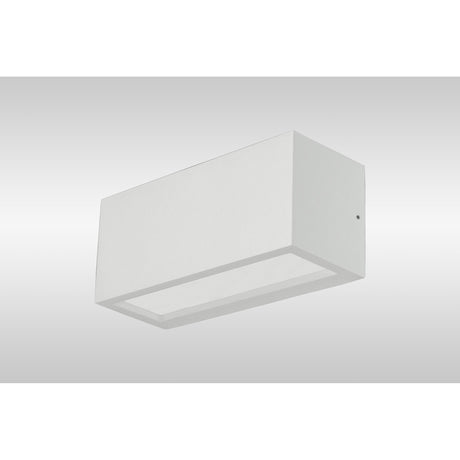 Save 15%£4499£5300Unit price Translation missing: en.products.product.price.unit_price_separatorUnavailable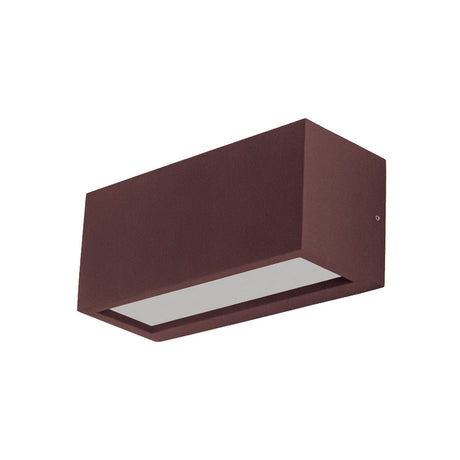
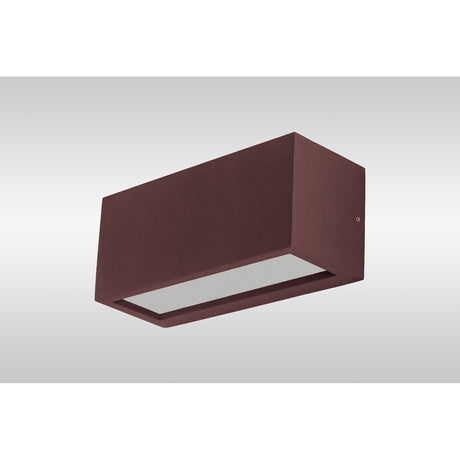 Save 15%£4499£5300Unit price Translation missing: en.products.product.price.unit_price_separatorUnavailable
 Save 25%£16599£22200Unit price Translation missing: en.products.product.price.unit_price_separatorUnavailable
 Free Delivery
 Save 25%£17999£24000Unit price Translation missing: en.products.product.price.unit_price_separatorUnavailableFree Delivery
 Save 25%£17999£24000Unit price Translation missing: en.products.product.price.unit_price_separatorUnavailableFree Delivery
 Save 25%£15699£21000Unit price Translation missing: en.products.product.price.unit_price_separatorUnavailableFree Delivery
 Save 25%£8099£10800Unit price Translation missing: en.products.product.price.unit_price_separatorUnavailable
 Sold out£2599Unit price Translation missing: en.products.product.price.unit_price_separatorUnavailableOut of Stock


What the double beam actually does
An up and down fitting sends light in two directions from one box on the wall. Rather than putting a pool of light on the ground under it, it draws two triangles on the wall itself, one rising and one falling. On a house front that gives the elevation some depth after dark and picks out the texture of brick or render. Indoors it lifts a corridor without the flat, even wash you get from a ceiling fitting, and it does it at a fraction of the wiring.
Outdoors: rating the fitting to the wall
About half of these are made for outside, and the rating tells you where each one can go. IP44 handles splashing and suits a sheltered wall or a porch. IP54 adds dust protection and copes with driving rain on an open elevation. IP65 is fully jetproof and is the right answer on exposed ground, near a driveway, or anywhere the fitting will be hosed. The rating is in the title and the specification on every product page, so match it to how exposed the wall really is.
Indoors: plaster fittings you can paint
Several of the indoor designs are cast gypsum, made to be painted the same colour as the wall so the fitting disappears and only the light remains. They are usually recessed or half-recessed into the plaster, which means deciding on them before the wall is finished rather than after. The effect is worth the planning: in a hallway or up a staircase, a run of painted plaster uplights gives you rhythm and light without a single visible fixture.
Beam angle and how far apart to space them
The narrower the beam, the sharper and more separate the two triangles. A tight beam gives you a dramatic scallop and wants generous spacing so the shapes do not overlap into mush. A wider beam blends into a more even wash and can go closer together. As a starting point, space them at roughly twice the distance from the fitting to the ground, then adjust by eye. Getting the spacing even matters more than getting it exactly right, because the eye reads the rhythm before it reads the gap.
Lamps, colour temperature and adjustability
Most of these take a GU10, which makes the beam angle something you choose and can change later by swapping the lamp. The rest are integrated LED with the beam fixed by the manufacturer. Warm white around 3000K suits brick and render, while a cooler 4000K reads as crisper on grey render and modern cladding. Check the output of each aperture as well, because some designs split the light evenly up and down while others weight it towards one direction.
Fitting them, and the mistake to avoid
Height is the thing people get wrong. Mounted too high, the downward beam scatters before it reaches the ground and the upward beam runs off the top of the wall. Somewhere between 1.8 and 2.2 metres suits most house fronts. Check what is directly above the fitting too, because a soffit or an overhanging sill will cut the upward beam off short and leave you with a hard line. Outdoor mains wiring is work for a qualified electrician.
Frequently Asked Questions
What IP rating do I need outdoors?
What IP rating do I need outdoors?
How high should they be mounted?
How high should they be mounted?
How far apart should I space them?
How far apart should I space them?
Can I change the beam angle?
Can I change the beam angle?
Are the plaster ones paintable?
Are the plaster ones paintable?
Will they light a path?
Will they light a path?
Can I use an outdoor one indoors?
Can I use an outdoor one indoors?
Related Collections



BestSellers
-

 £49499Unit price Translation missing: en.products.product.price.unit_price_separatorUnavailable
Caelith 1 Light Medium Carved Alabaster Wall Light - Brushed Brass
Free Delivery In our showroom
 -

 £63999Unit price Translation missing: en.products.product.price.unit_price_separatorUnavailable3 In StockFree Delivery
 -

 £11,87999Unit price Translation missing: en.products.product.price.unit_price_separatorUnavailableFree Delivery
 -

 £1,42999Unit price Translation missing: en.products.product.price.unit_price_separatorUnavailable
Seraphis LED Medium Alabaster Ring Chandelier - Brushed Brass
Free Delivery -

 £1,31999Unit price Translation missing: en.products.product.price.unit_price_separatorUnavailableFree Delivery
 -

 £80299Unit price Translation missing: en.products.product.price.unit_price_separatorUnavailableFree Delivery
 -

 £1,20999Unit price Translation missing: en.products.product.price.unit_price_separatorUnavailableFree Delivery
 -

 £2,96999Unit price Translation missing: en.products.product.price.unit_price_separatorUnavailable
Sorrelis 9 Light Alabaster Chandelier - Soft White & Brushed Brass
Free Delivery -

 £1,64999Unit price Translation missing: en.products.product.price.unit_price_separatorUnavailableFree Delivery
 -

 £2,96999Unit price Translation missing: en.products.product.price.unit_price_separatorUnavailableFree Delivery
 -

 £1,53999Unit price Translation missing: en.products.product.price.unit_price_separatorUnavailableFree Delivery
 -

 £2,30999Unit price Translation missing: en.products.product.price.unit_price_separatorUnavailable
Stratalux LED Stacked Alabaster Column Floor Lamp - Matt Black
Free Delivery


Recommended For You
Our Reviews
-

Birmingham Based
British heritage. Worldwide delivery.
