
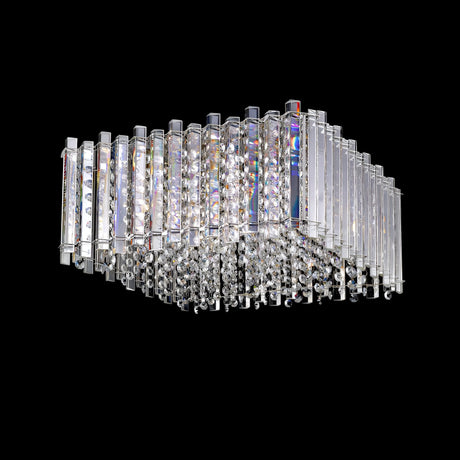
 Save 45%£29399£53280Unit price Translation missing: en.products.product.price.unit_price_separatorUnavailable
 Free Delivery
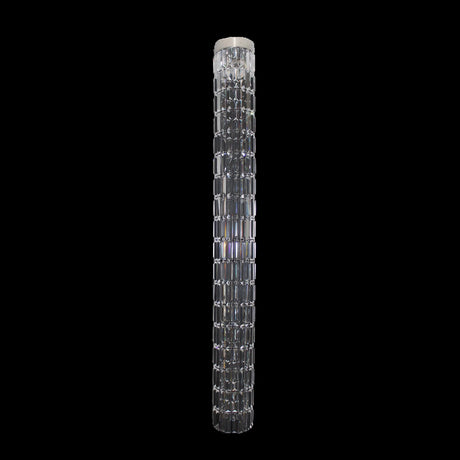 Save 45%£96099£1,74720Unit price Translation missing: en.products.product.price.unit_price_separatorUnavailableFree Delivery
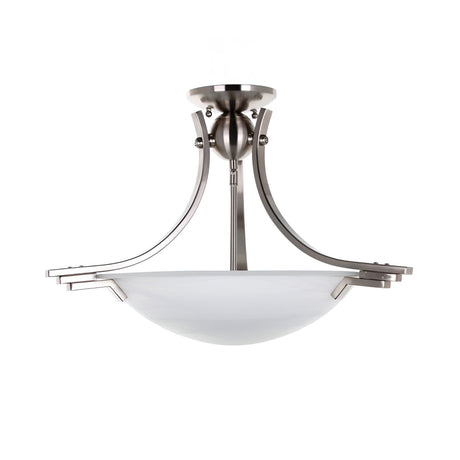 Save 45%£11399£20640Unit price Translation missing: en.products.product.price.unit_price_separatorUnavailableFree Delivery
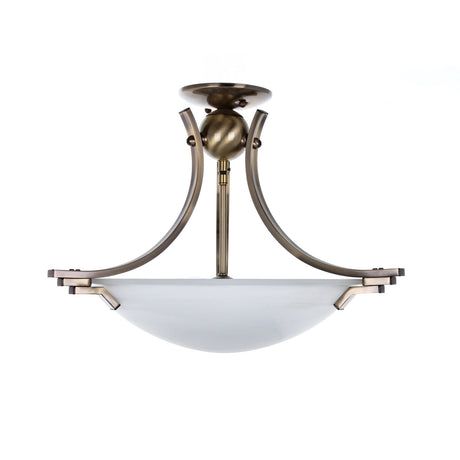 Save 45%£11399£20640Unit price Translation missing: en.products.product.price.unit_price_separatorUnavailableFree Delivery
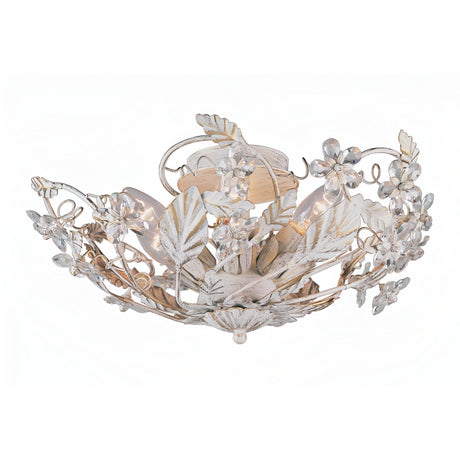 Save 45%£10299£18600Unit price Translation missing: en.products.product.price.unit_price_separatorUnavailableFree Delivery
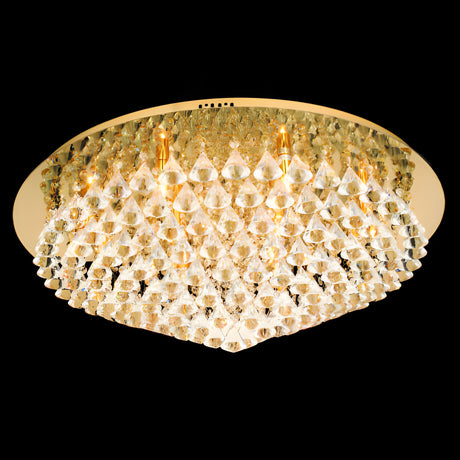 Save 45%£63699£1,15680Unit price Translation missing: en.products.product.price.unit_price_separatorUnavailableFree Delivery
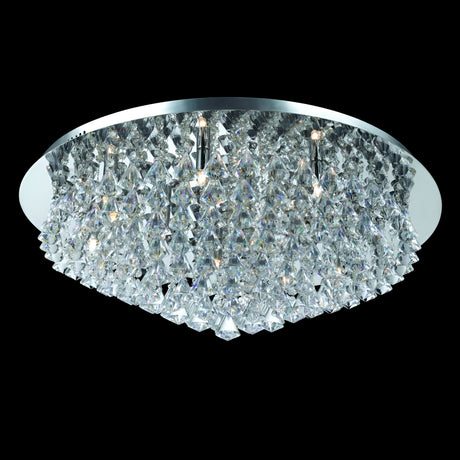 Save 45%£61899£1,12440Unit price Translation missing: en.products.product.price.unit_price_separatorUnavailableFree Delivery
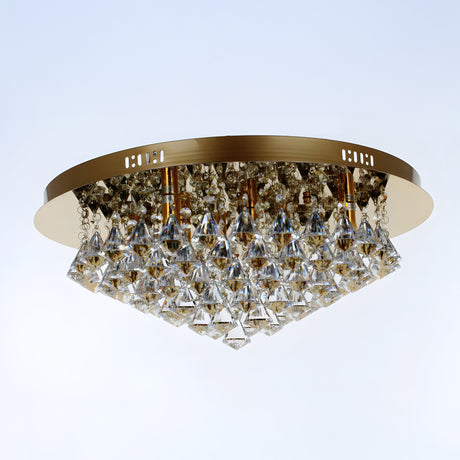 Save 45%£38399£69720Unit price Translation missing: en.products.product.price.unit_price_separatorUnavailableFree Delivery
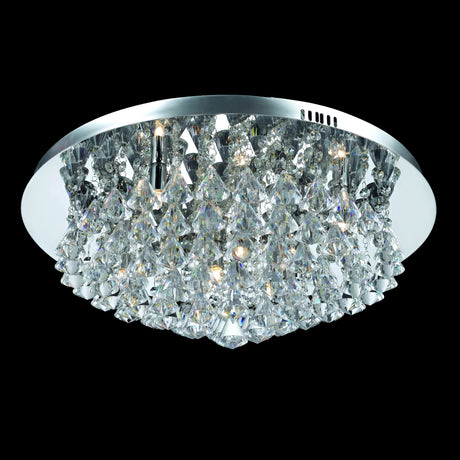 Save 45%£35399£64320Unit price Translation missing: en.products.product.price.unit_price_separatorUnavailableFree Delivery
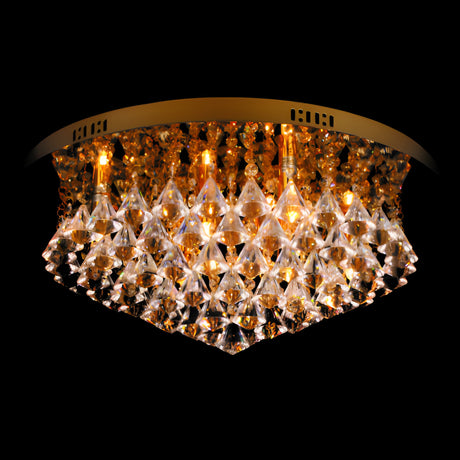 Save 45%£27999£50760Unit price Translation missing: en.products.product.price.unit_price_separatorUnavailableFree Delivery
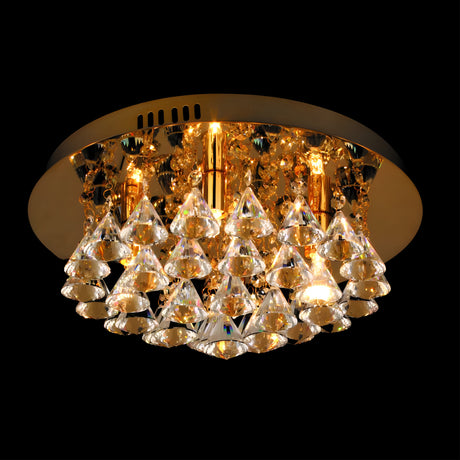 Save 45%£16499£30000Unit price Translation missing: en.products.product.price.unit_price_separatorUnavailableFree Delivery
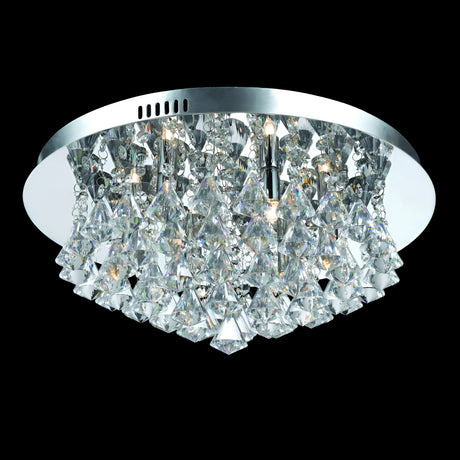 Save 45%£25699£46560Unit price Translation missing: en.products.product.price.unit_price_separatorUnavailableFree Delivery
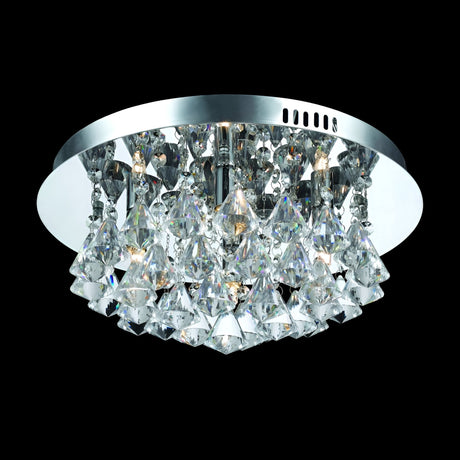 Save 45%£15599£28200Unit price Translation missing: en.products.product.price.unit_price_separatorUnavailableFree Delivery
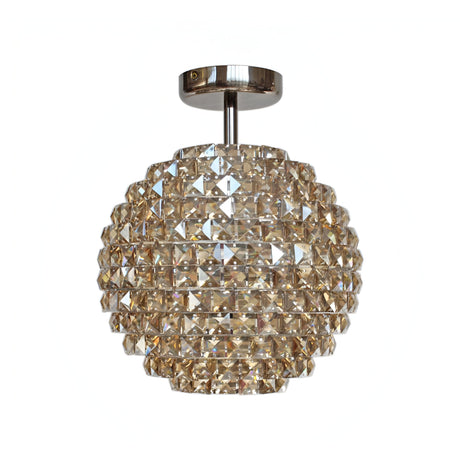 Save 45%£25199£45720Unit price Translation missing: en.products.product.price.unit_price_separatorUnavailable
Nordan 4 Light Crystal Semi-Flush Ceiling Light - Antique Brass
Free Delivery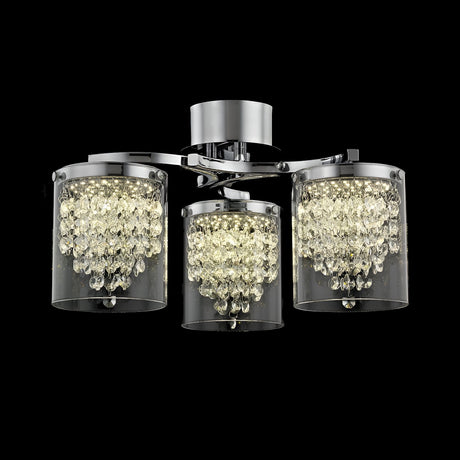 Save 45%£13999£25440Unit price Translation missing: en.products.product.price.unit_price_separatorUnavailableFree Delivery
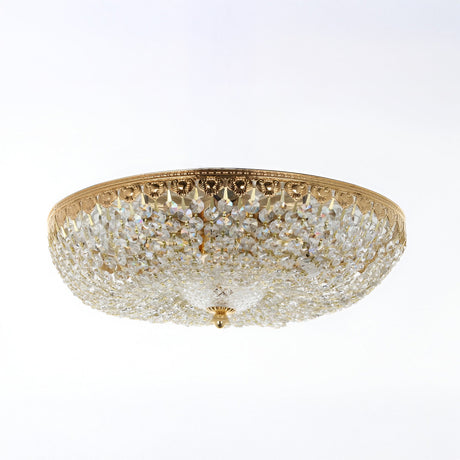 Save 45%£55499£1,00800Unit price Translation missing: en.products.product.price.unit_price_separatorUnavailable
Haldeen 5 Light Strass Lead Crystal Flush Ceiling Light - Gold
Free Delivery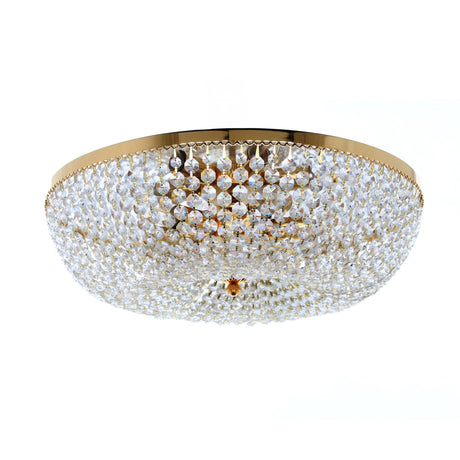 Save 45%£64099£1,16520Unit price Translation missing: en.products.product.price.unit_price_separatorUnavailable
Essenra 6 Light Strass Crystal Flush Ceiling Light - Gold Plated
Free Delivery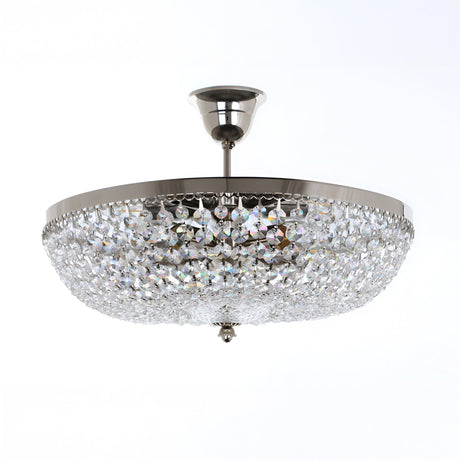 Save 45%£44799£81360Unit price Translation missing: en.products.product.price.unit_price_separatorUnavailable
Essenra 5 Light Strass Crystal Semi-Flush Ceiling Light - Nickel
Free Delivery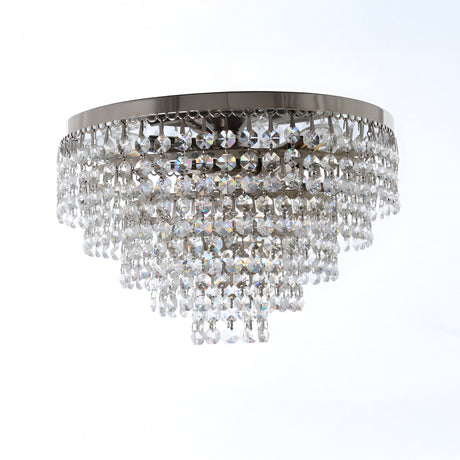 Save 45%£35599£64680Unit price Translation missing: en.products.product.price.unit_price_separatorUnavailable
Dorsen 3 Light Strass Lead Crystal Flush Ceiling Light - Polished Nickel
Free Delivery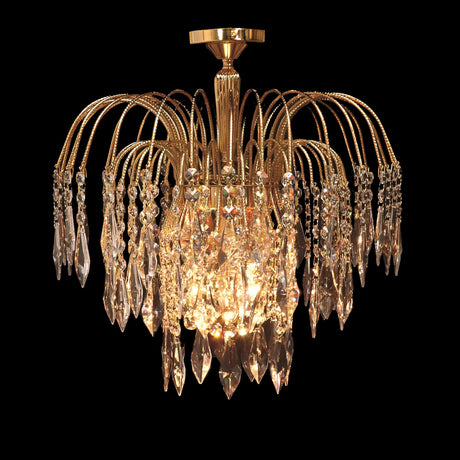 Save 45%£23899£43440Unit price Translation missing: en.products.product.price.unit_price_separatorUnavailable
Streamlight 1 Light Strass Crystal Semi-Flush Ceiling Light - Gold
Free Delivery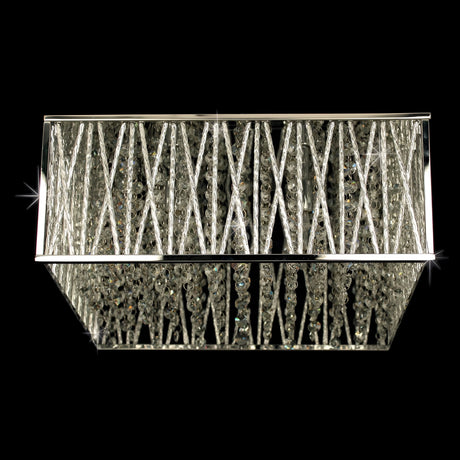
 Save 45%£21099£38280Unit price Translation missing: en.products.product.price.unit_price_separatorUnavailableFree Delivery
 Save 45%£9699£17520Unit price Translation missing: en.products.product.price.unit_price_separatorUnavailable
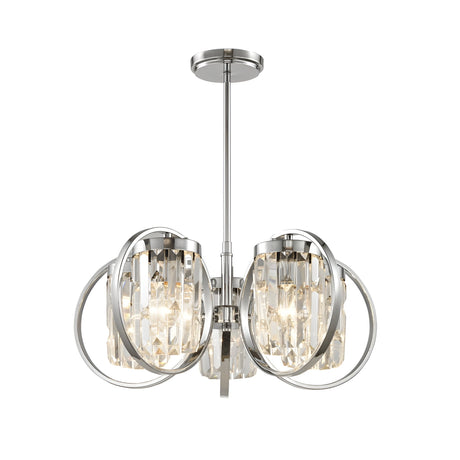 Save 45%£24099£43800Unit price Translation missing: en.products.product.price.unit_price_separatorUnavailable
Talvia 5 Light Crystal Pendant Ceiling Light - Polished Chrome
Free Delivery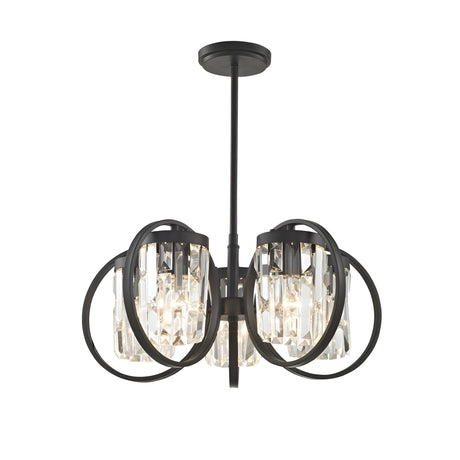 Save 45%£24099£43800Unit price Translation missing: en.products.product.price.unit_price_separatorUnavailableFree Delivery
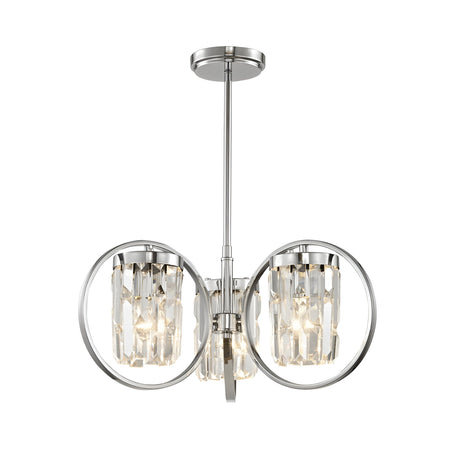 Save 45%£17099£31080Unit price Translation missing: en.products.product.price.unit_price_separatorUnavailable
Talvia 3 Light Crystal Pendant/Flush Ceiling Light - Polished Chrome
Free Delivery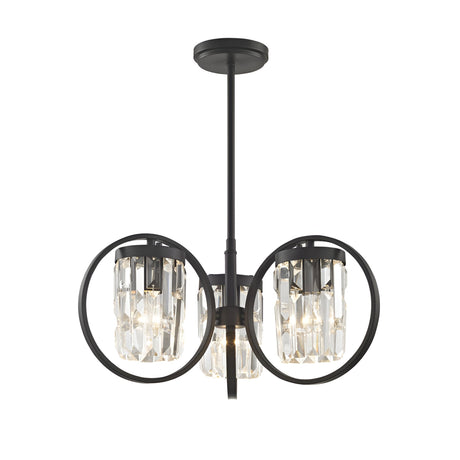 Save 45%£17099£31080Unit price Translation missing: en.products.product.price.unit_price_separatorUnavailableFree Delivery
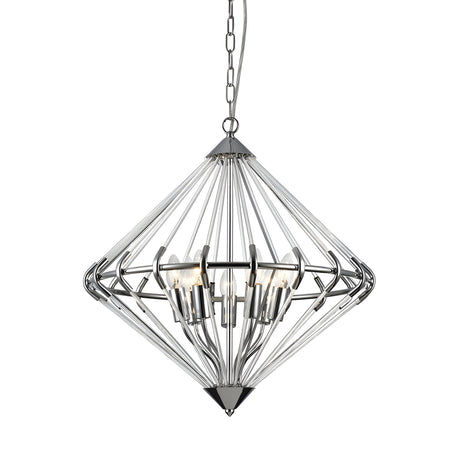 Save 45%£19499£35280Unit price Translation missing: en.products.product.price.unit_price_separatorUnavailableFree Delivery
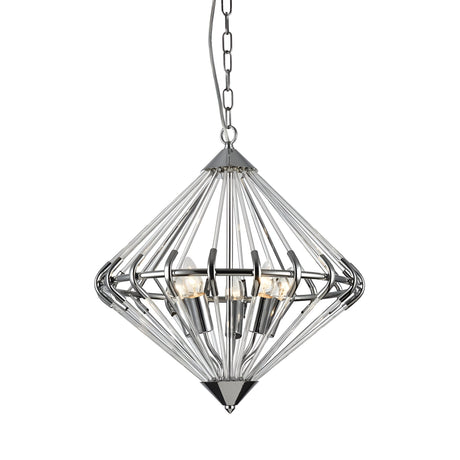 Save 45%£16399£29760Unit price Translation missing: en.products.product.price.unit_price_separatorUnavailable
Gessan 5 Light Chrome Chandelier Diamond Frame - Polished Chrome
Free Delivery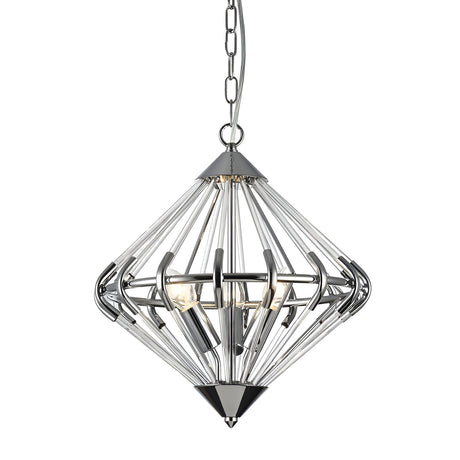 Save 45%£12499£22560Unit price Translation missing: en.products.product.price.unit_price_separatorUnavailableFree Delivery
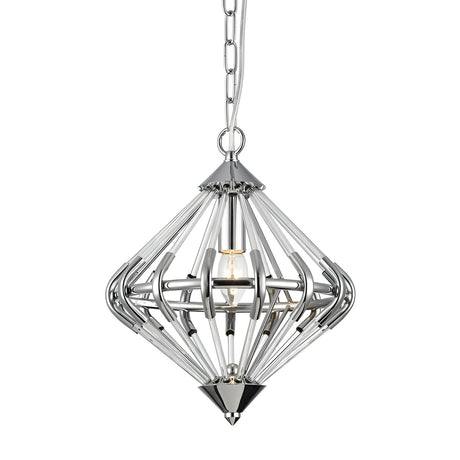 Save 45%£8999£16320Unit price Translation missing: en.products.product.price.unit_price_separatorUnavailable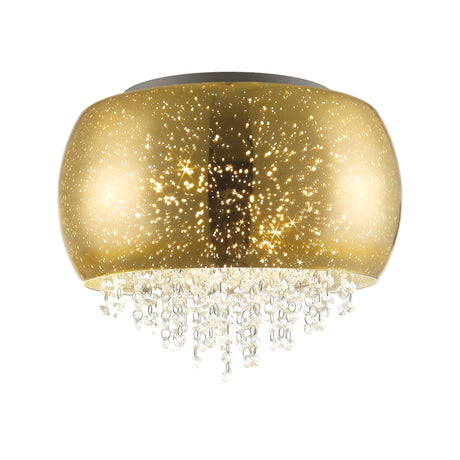
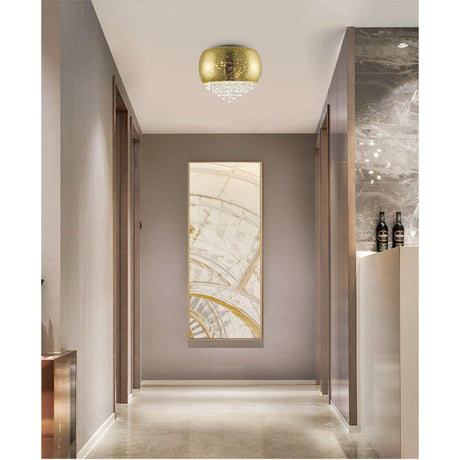 Save 45%£12299£22200Unit price Translation missing: en.products.product.price.unit_price_separatorUnavailableFree Delivery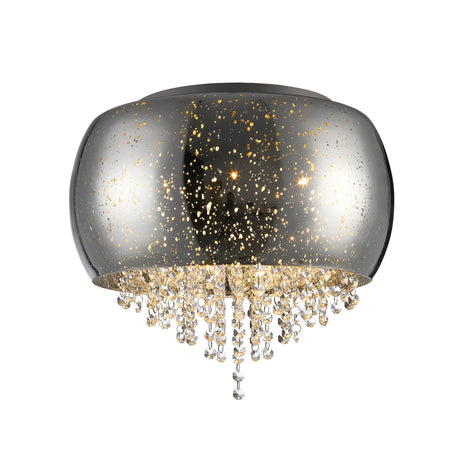
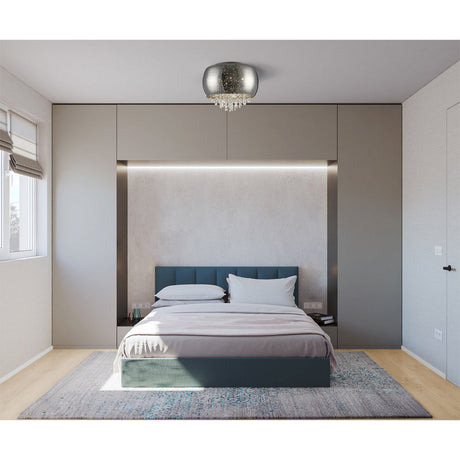 Save 45%£11399£20640Unit price Translation missing: en.products.product.price.unit_price_separatorUnavailableFree Delivery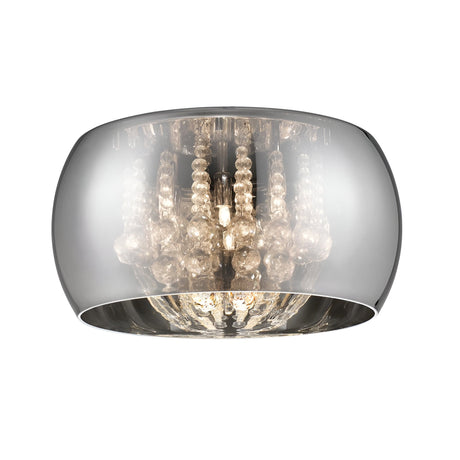
 Save 45%£40699£73920Unit price Translation missing: en.products.product.price.unit_price_separatorUnavailable
Delya 6 Light Crystal Flush Ceiling Light - Chrome & Smoked Glass
Free Delivery Save 45%£1,20999£2,19840Unit price Translation missing: en.products.product.price.unit_price_separatorUnavailableFree Delivery
 Save 45%£54199£98400Unit price Translation missing: en.products.product.price.unit_price_separatorUnavailableFree Delivery
 Save 45%£20099£36480Unit price Translation missing: en.products.product.price.unit_price_separatorUnavailableFree Delivery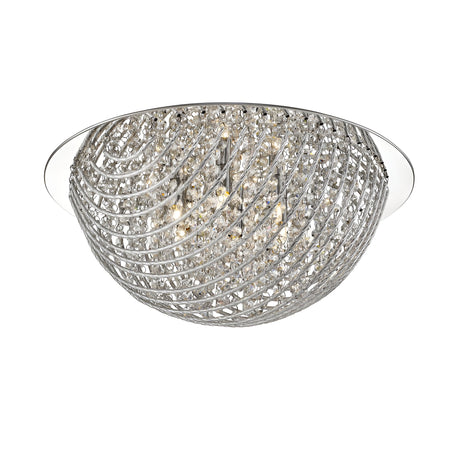
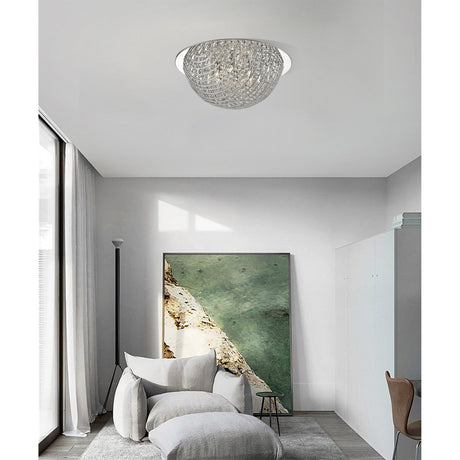 Save 45%£14499£26280Unit price Translation missing: en.products.product.price.unit_price_separatorUnavailableFree Delivery
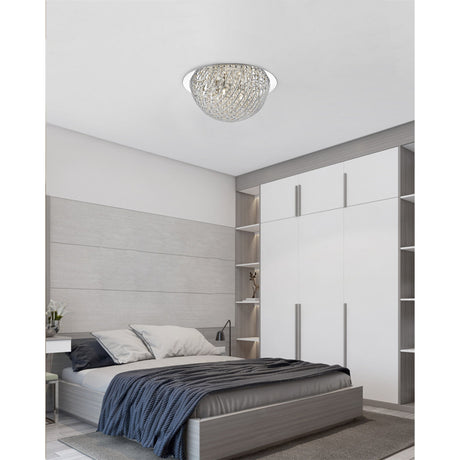 Save 45%£10199£18480Unit price Translation missing: en.products.product.price.unit_price_separatorUnavailableFree Delivery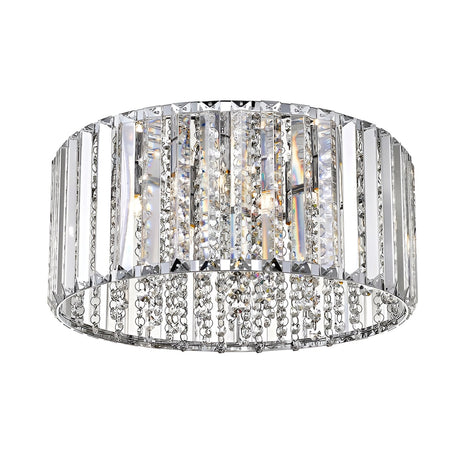
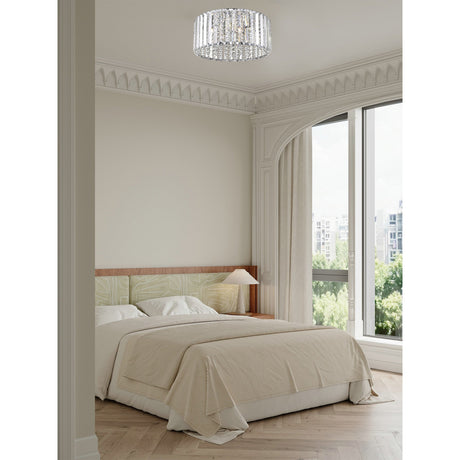 Save 45%£16399£29640Unit price Translation missing: en.products.product.price.unit_price_separatorUnavailableFree Delivery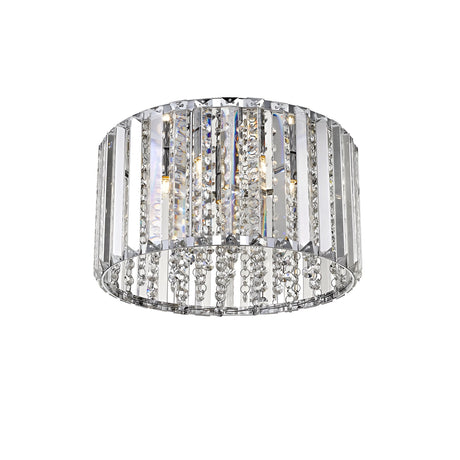
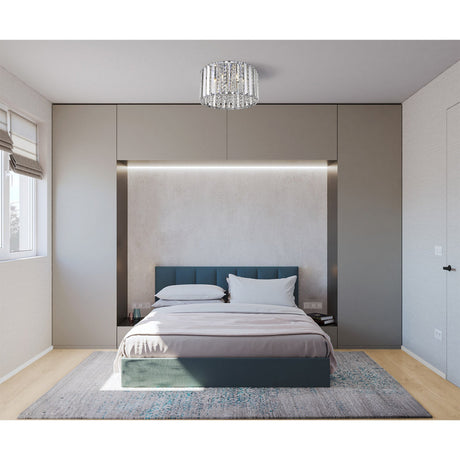 Save 45%£13099£23760Unit price Translation missing: en.products.product.price.unit_price_separatorUnavailableFree Delivery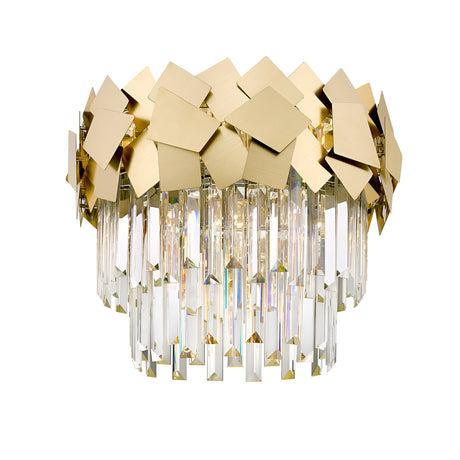
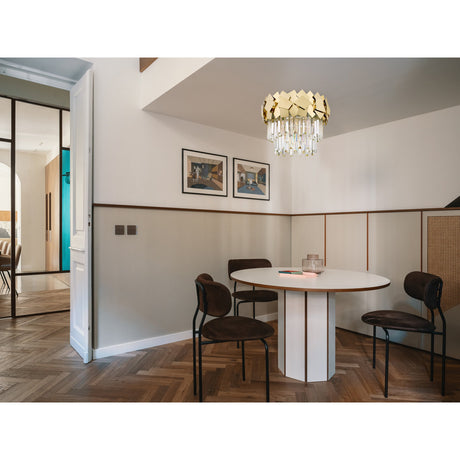 Save 45%£27699£50280Unit price Translation missing: en.products.product.price.unit_price_separatorUnavailableFree Delivery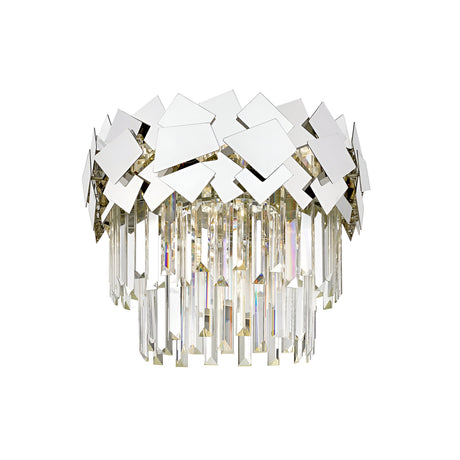
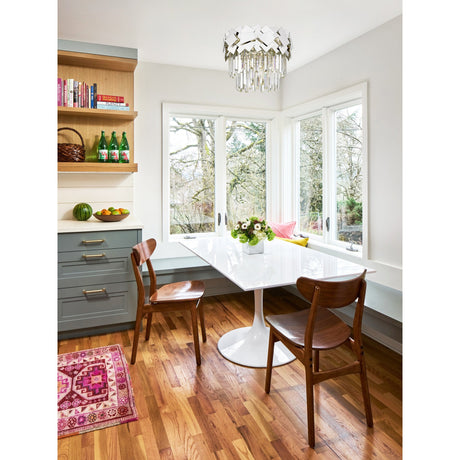 Save 45%£27699£50280Unit price Translation missing: en.products.product.price.unit_price_separatorUnavailable
Selia 5 Light Laser Cut Crystal Flush Ceiling Light - Chrome
Free Delivery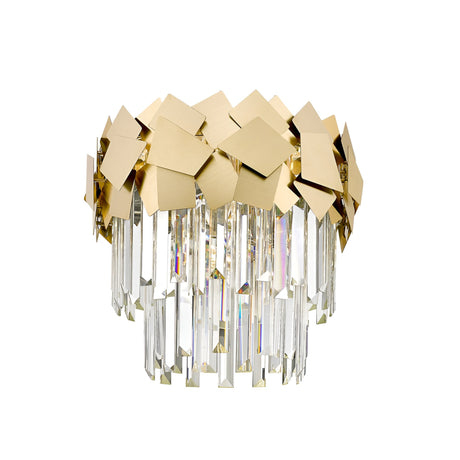
 Save 45%£22999£41760Unit price Translation missing: en.products.product.price.unit_price_separatorUnavailableFree Delivery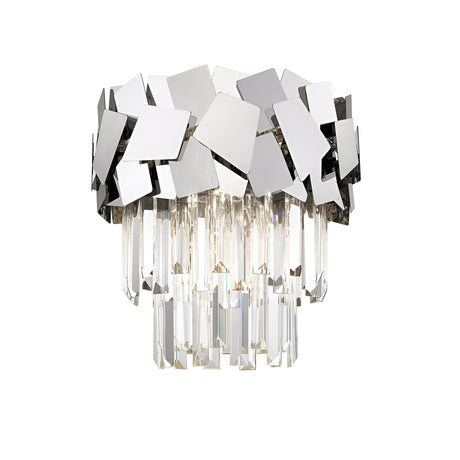
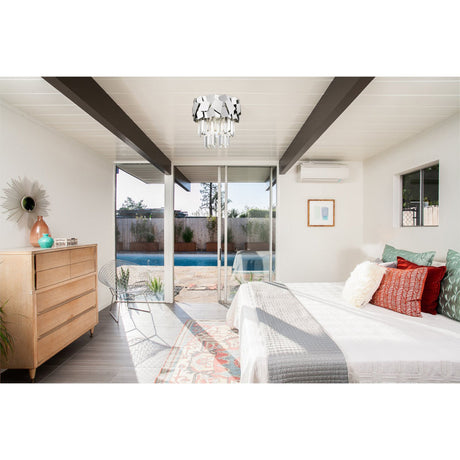 Save 45%£22999£41760Unit price Translation missing: en.products.product.price.unit_price_separatorUnavailable
Selia 4 Light Laser Cut Crystal Flush Ceiling Light - Chrome
Free Delivery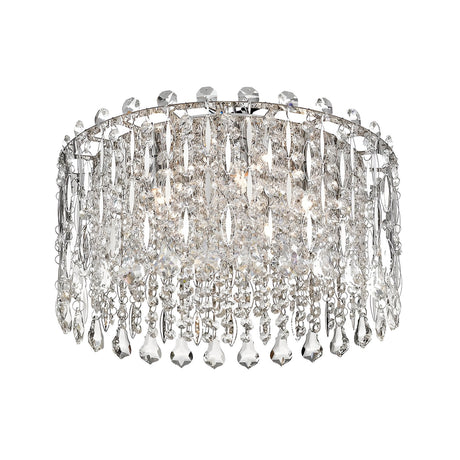
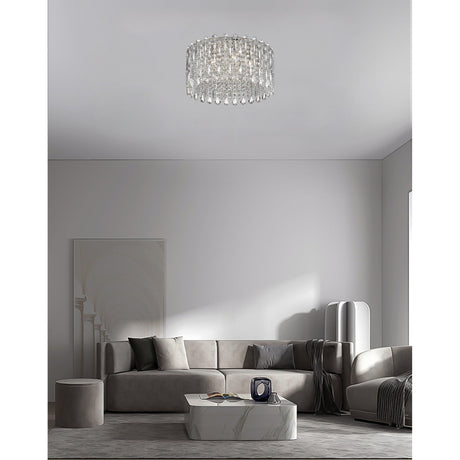 Save 45%£16899£30600Unit price Translation missing: en.products.product.price.unit_price_separatorUnavailableFree Delivery
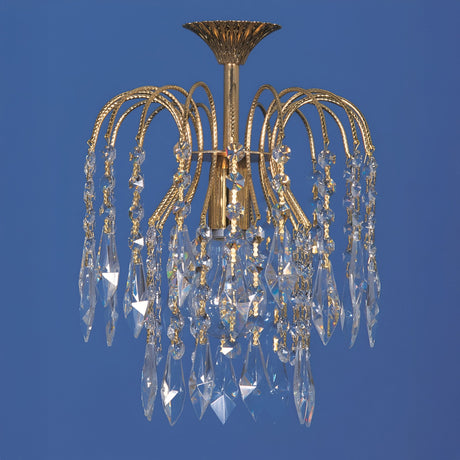 Save 45%£13999£25440Unit price Translation missing: en.products.product.price.unit_price_separatorUnavailable
Streamlight 1 Light Small Strass Crystal Semi-Flush Ceiling Light - Gold (20cm)
Free Delivery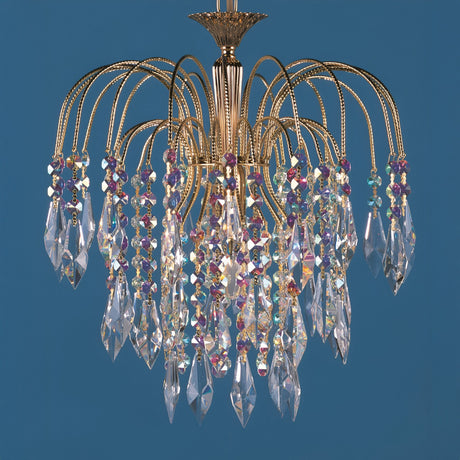 Save 45%£25299£45960Unit price Translation missing: en.products.product.price.unit_price_separatorUnavailable
Streamlight 1 Light Strass Crystal Dewfall Semi-Flush Ceiling Light - Gold
Free Delivery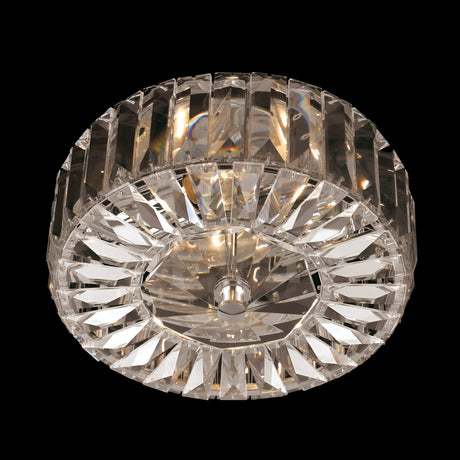 Save 45%£15999£28920Unit price Translation missing: en.products.product.price.unit_price_separatorUnavailableFree Delivery
The kitchen ceiling lights we hand-pick across our brands
We hand-pick kitchen ceiling lights across a wide range. Our own-brand Niori range sits alongside selected pieces from other makers, spanning contemporary designs, classic decorative fittings and traditional lantern and chandelier styles. Across the full catalogue, most pieces are dedicated ceiling fittings, with smaller groups of linear lighting, pendant clusters and low-hung chandeliers that also work as kitchen ceiling solutions. Finishes skew towards white, silver, polished chrome, black and gold, with neutral and monochrome palettes making up the bulk of the catalogue.
We hand-pick every piece we stock against the same criteria: build quality, dimmable LED compatibility, ceiling-rose footprint and how the fitting handles in a real kitchen environment (steam, grease, occasional splashes). Our own-brand Niori pieces sit in the designer kitchen lighting tier; the rest of the range spans value-led recessed fittings through to higher-end focal pendants and chandeliers.
How do you light a kitchen ceiling for task and ambient layering?
A working kitchen needs two distinct layers of light from the ceiling: task lighting over worktops, hobs and prep areas, and ambient lighting across the wider room. Task lighting should be bright, white-toned and directional, sitting roughly above the working surface so it lights the work, not your back. Ambient lighting fills the rest of the room with softer, warmer light so the space reads as a room rather than a workshop when the cooking stops.
In practice, that means most kitchens benefit from two or three fixture types working together. Recessed downlights or a flush mount fitting handles task light over the run of worktop. A pendant or a cluster of island pendants picks up task and visual focus over an island or breakfast bar. A central semi-flush or low-hung chandelier provides the ambient layer over the dining or seating zone. Putting each layer on its own dimmable circuit lets the same room shift from bright morning prep light to softer evening dining light without rewiring.
Modern kitchen ceiling lights
Modern kitchen ceiling lights make up the largest style group in the range, designed in a contemporary register. The vocabulary is clean: flat disc flush mounts in matt white and brushed nickel, linear bar pendants in black and polished chrome, ring chandeliers with integrated LED, and minimal semi-flush fittings with opal acrylic or frosted glass diffusers. Finishes lean monochrome, with white, silver and polished chrome accounting for most modern stock, and black or gold appearing as accent finishes on architectural pieces.
Modern kitchen ceiling lights pair naturally with handleless cabinetry, quartz or composite worktops, and open-plan layouts where the kitchen runs into a dining or living zone. The clean geometry of a flat disc or a linear bar fitting holds its own against larger architectural features without competing for visual weight. Integrated LED is standard across most of the modern range, with colour temperature typically in the 3000K–4000K band suited to kitchen task work.
Traditional kitchen ceiling lights
Traditional kitchen ceiling lights bring a decorative register to the catalogue. The vocabulary here is ornamental: lantern-style pendants with clear or seeded glass, multi-arm chandeliers in antique brass and aged bronze, ceiling roses with detailed metalwork, and shaded semi-flush fittings in cream, ivory and dusky neutrals. Finishes shift towards warmer metals; antique brass, aged bronze, brushed gold; and traditional palettes work with painted cabinetry, butcher-block worktops and Shaker-style joinery.
A traditional kitchen ceiling light tends to read better when sized slightly larger than its modern counterpart. The decorative form is part of the design, so giving it room to read makes the fitting work harder. Lantern pendants over islands, multi-arm chandeliers over breakfast tables and shaded semi-flush fittings in passageways between cooking and dining zones are the standard placements.
Industrial and farmhouse kitchen ceiling lights
The industrial and farmhouse register covers exposed metalwork alongside a softer farmhouse subset, with strong crossover demand from US customers searching the farmhouse style explicitly. Industrial kitchen ceiling lights use exposed metalwork, cage shades, raw steel, blackened iron and Edison-style filament LED lamps. Farmhouse pieces share the metal-and-glass vocabulary but soften it: schoolhouse pendants with milk-glass shades, barn-style lantern pendants, multi-arm fixtures with linen drum shades, and finishes in matt black, brushed bronze, weathered brass and natural wood.
Both styles work hard in kitchens with visible structural features; exposed brick, ceiling beams, reclaimed wood, painted timber cladding; and in open-plan layouts where the kitchen ceiling line is visible from a living or dining zone. Industrial pieces favour single-pendant or linear bar configurations over an island; farmhouse pieces tend towards multi-pendant clusters or shaded chandeliers over a dining table.
Kitchen island and breakfast bar ceiling lights
Kitchen island lighting and breakfast bar lights are the most-searched sub-intent inside the broader kitchen ceiling lights category. Island and breakfast bar fittings are ceiling-mounted but hung lower than a flush mount, sitting in the air above the working or seating surface. The fixture types that fit this brief are linear bar pendants (a single elongated fitting spanning the island), pendant clusters (three or five matched pendants in a row), and low-hung chandeliers (a single sculptural piece centred over the surface).
Sizing matters more here than in any other kitchen lighting decision. For an island of around 1.8m to 2.4m, a linear bar pendant of roughly 90cm to 120cm reads in proportion. For a cluster, three pendants spaced evenly along the island axis is the standard layout; five for longer islands. For a breakfast bar that seats two, a pair of matched pendants; one over each seat; is the cleanest visual answer. We cross-link our kitchen pendant lights range, which carries the full island pendant cut alongside the broader pendant catalogue.
Flush mount and low-ceiling kitchen lights
Flush mount and semi-flush kitchen ceiling lights are the default choice where ceiling height is limited or where the kitchen sits under a structural beam, a mezzanine, or a sloped roof. A flush mount fits directly against the ceiling with no drop; a semi-flush hangs a short distance below (typically 10cm–25cm). Both keep the fitting out of head height and out of sightlines across an open-plan room.
UK customers usually search this category as low-profile ceiling lights, semi-flush ceiling lights or simply kitchen ceiling lights with a low-ceiling filter. US customers search it as kitchen flush mount, kitchen flush mount lights or flush mount kitchen lighting. The product is the same; the vocabulary differs by market. We stock flush mount and semi-flush kitchen ceiling lights across modern, traditional, industrial and farmhouse styles, with white, brushed nickel, polished chrome, black and brass finishes covering most of the range. Integrated LED is standard on most modern flush mount pieces; traditional fittings often use E14 or E27 lamps for shade flexibility.
What height should a kitchen ceiling light hang above an island?
For a kitchen island or breakfast bar, the standard guidance is to hang the underside of the fitting 75cm to 90cm above the worktop surface (roughly 30 to 36 inches). That clearance keeps the light source out of direct sightline when standing at the island and clear of head height when sitting on a stool. For taller users or taller stools, lean towards the upper end of the range; for compact spaces and lower stools, the lower end reads better.
For a flush mount or semi-flush fitting on a general kitchen ceiling (not over an island), no clearance calculation is needed; the fitting sits within 25cm of the ceiling regardless. For a central pendant or chandelier in a wider kitchen without an island, the standard guidance is to leave at least 2.1m of clear headroom under the lowest point of the fitting.
Are LED kitchen ceiling lights bright enough for task work?
Yes, provided the lumen output is sized to the room and the task. The working rule for kitchens is roughly 70–80 lumens per square foot for task zones (worktops, hobs, prep areas) and 30–40 lumens per square foot for ambient zones. A 12m² kitchen with an island therefore needs roughly 3,000–4,000 lumens total across all ceiling fittings to handle task and ambient work properly.
Modern integrated LED kitchen ceiling lights produce between 1,000 and 3,500 lumens per fitting depending on size, so a single central fitting plus task layering (recessed downlights over worktops, pendants over an island) hits the right output in most kitchens. Look for colour temperature in the 3000K (warm white) to 4000K (cool white) range; 4000K reads cleaner for task work, 3000K reads warmer for dining-zone ambient. Dimmable LED on a compatible dimmer switch gives the flexibility to shift between the two without changing fittings.
Kitchen ceiling lights for US-style open-plan kitchens
US open-plan kitchens; kitchen running into dining running into family room, often with a large central island and 9-foot or 10-foot ceilings; set the lighting brief slightly differently from a typical UK kitchen. The room is larger, the ceiling is higher, and the kitchen ceiling light needs to read across the whole open zone rather than just the cooking area. That tends to mean a larger central fixture (a flush mount, semi-flush or low chandelier in the 50cm–80cm diameter range), supplementary recessed downlights running along the worktop and a separate island pendant cluster or linear bar over the island itself.
US flush mount terminology dominates this segment: a kitchen flush mount sits tight to the ceiling and works hard in kitchens with sub-9-foot ceilings; a semi-flush works at standard 9-foot height; a low-hung chandelier or oversized pendant cluster takes over above 10 feet. We ship the full range to the US, with US-spec voltage handled at order.
Browse related kitchen ranges
To browse adjacent kitchen lighting categories, follow the related ranges: kitchen lights (the full mega-umbrella covering every kitchen fixture type), kitchen pendant lights (the dedicated island and breakfast bar cut), and kitchen chandeliers (the larger focal fittings for open-plan and double-height kitchens). Each adjacent range covers the same modern, traditional, industrial and farmhouse styles at the same designer and luxury level as the kitchen ceiling lights range.
Frequently Asked Questions
How many kitchen ceiling lights do I need for my kitchen size?
How many kitchen ceiling lights do I need for my kitchen size?
What style of kitchen ceiling light suits a modern, traditional, industrial or farmhouse kitchen?
What style of kitchen ceiling light suits a modern, traditional, industrial or farmhouse kitchen?
What height should kitchen ceiling lights hang above an island or breakfast bar?
What height should kitchen ceiling lights hang above an island or breakfast bar?
Are LED kitchen ceiling lights bright enough for proper task work?
Are LED kitchen ceiling lights bright enough for proper task work?
Can I mix flush mount and pendant ceiling lights in the same kitchen?
Can I mix flush mount and pendant ceiling lights in the same kitchen?
Which of your kitchen ceiling lights are designed by our Niori in-house range?
Which of your kitchen ceiling lights are designed by our Niori in-house range?


BestSellers
-

 £44999Unit price Translation missing: en.products.product.price.unit_price_separatorUnavailable
Caelith 1 Light Medium Carved Alabaster Wall Light - Brushed Brass
Limited StockFree Delivery In our showroom
 -

 £54999Unit price Translation missing: en.products.product.price.unit_price_separatorUnavailableFree Delivery
 -

 £10,79999Unit price Translation missing: en.products.product.price.unit_price_separatorUnavailableFree Delivery
 -

 £1,29999Unit price Translation missing: en.products.product.price.unit_price_separatorUnavailable
Seraphis LED Medium Alabaster Ring Chandelier - Brushed Brass
Free Delivery -

 Save 8%£49999£54299Unit price Translation missing: en.products.product.price.unit_price_separatorUnavailable
Helia 100cm LED Circular Pendant Light 55W 3000K - Matte Black
13 In StockFree Delivery -

 £45999Unit price Translation missing: en.products.product.price.unit_price_separatorUnavailableFree Delivery
 -

 £1,19999Unit price Translation missing: en.products.product.price.unit_price_separatorUnavailableFree Delivery
 -

 Save 25%£65199£87000Unit price Translation missing: en.products.product.price.unit_price_separatorUnavailableFree Delivery
 -

 £1,49999Unit price Translation missing: en.products.product.price.unit_price_separatorUnavailableFree Delivery
 -

 £2,69999Unit price Translation missing: en.products.product.price.unit_price_separatorUnavailableFree Delivery
 -

 £2,09999Unit price Translation missing: en.products.product.price.unit_price_separatorUnavailable
Stratalux LED Stacked Alabaster Column Floor Lamp - Matt Black
Free Delivery -

 £1,79999Unit price Translation missing: en.products.product.price.unit_price_separatorUnavailable
Caelith 10 Light Large Panel Alabaster Chandelier - Brushed Brass
Free Delivery


Recommended For You
Our Reviews
-

Birmingham Based
British heritage. Worldwide delivery.
