
Introduction
Lighting has the power to completely change how a dining room feels. The right dining room lights don’t just illuminate, they define the space, set the mood, and enhance both daily living and special occasions. Whether you’re hosting an intimate dinner or catching up over breakfast, well-designed dining room lights can make all the difference.
Why Dining Room Lights Matter
A dining area is more than a place to eat, it’s a hub for connection, conversation, and comfort. That’s why dining room lighting must balance function and atmosphere. They should provide enough brightness for everyday meals while also being adjustable for relaxed evenings or formal gatherings.
The key principle here is versatility. Unlike other rooms with fixed purposes, the dining room transitions between multiple moods and functions. Your lighting should evolve with it, dynamic, layered, and intentional.

The Power of Layering Light
1. Ambient Lighting – Your Foundation
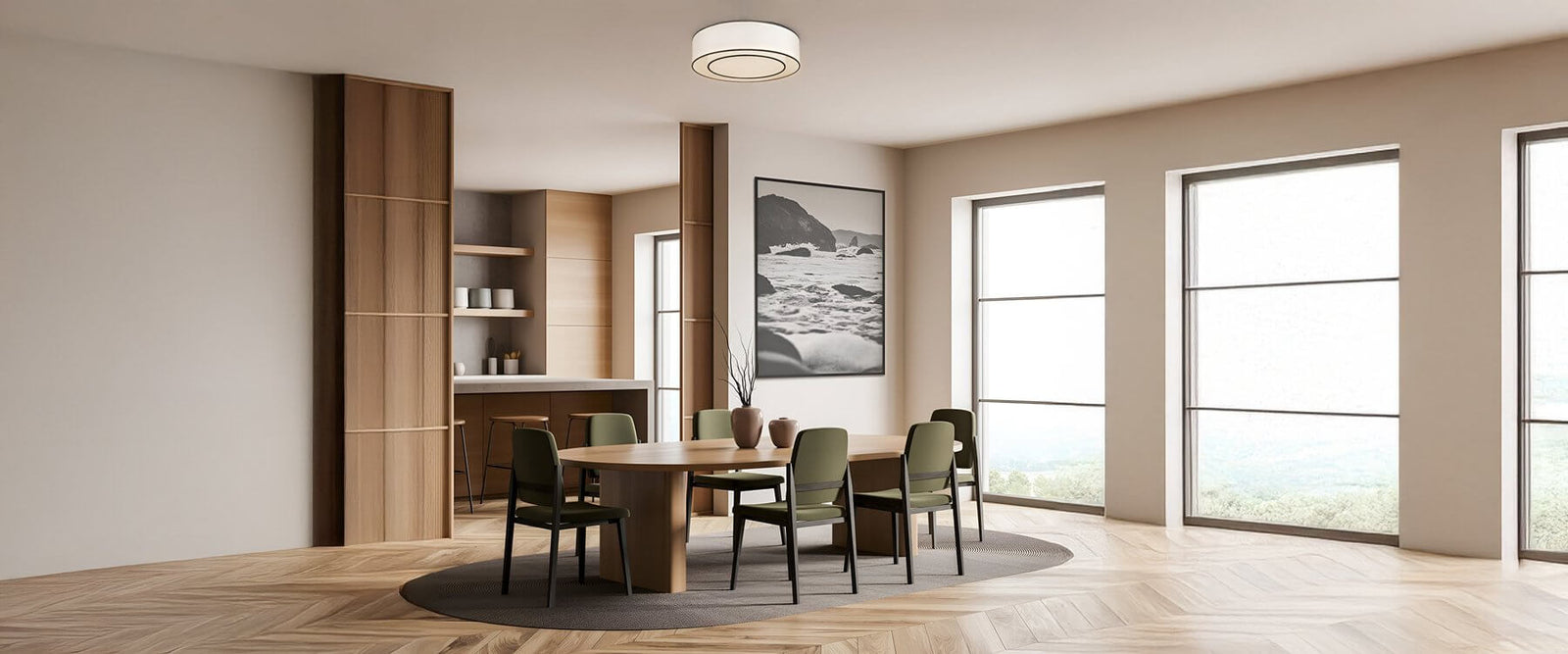
Ambient lighting forms the base of your setup. Chandeliers, pendants, or flush-mount ceiling fixtures are the most common dining room lights used for overall illumination. They ensure the entire room feels bright and welcoming.
For rooms with low ceilings, recessed lighting or semi-flush fixtures work beautifully. In larger rooms, a chandelier or a row of pendants visually anchors the dining table and adds a statement element.
Ideal height: Keep the bottom of your chandelier or pendant around 28–34 inches above the tabletop for balanced light distribution without glare.

2. Task Lighting – Focused Function
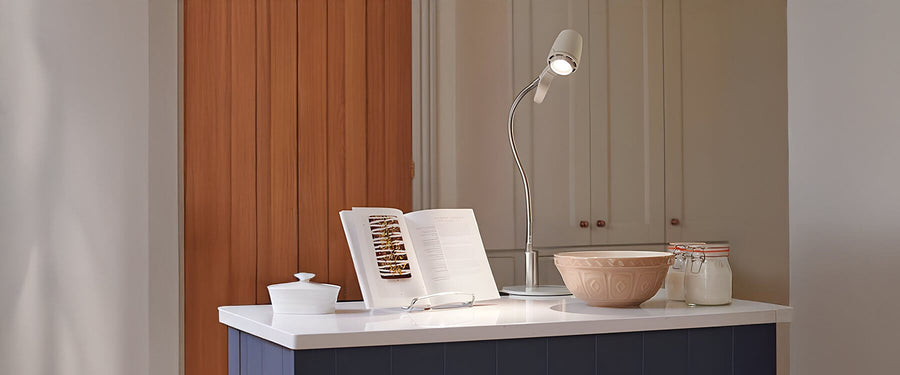
Task lighting ensures the dining table is well-lit for practical use. Think pendants that cast direct light onto the table surface or adjustable fixtures that can change intensity.
This layer of dining room lights becomes especially important in homes where the dining area doubles as a workspace or study zone. Adding dimmable functionality helps you switch between bright task lighting and soft evening tones easily.
3. Accent Lighting – Adding Character and Warmth
Accent lights provide the finishing touch, adding drama and depth. Wall sconces, sideboard lamps, or LED strips under shelves or artwork can highlight textures and shapes, giving the room a layered sophistication.
Accent dining room lighting help create a cozy, intimate environment, perfect for entertaining or quiet evenings. They soften shadows and add visual balance to your primary light source.

Designing Your Dining Room Lights Plan
A great lighting design starts with intention, how you use the space, what atmosphere you want, and how each element works together. Below are key principles to follow when selecting and arranging dining room lights.
1. Choose a Statement Fixture
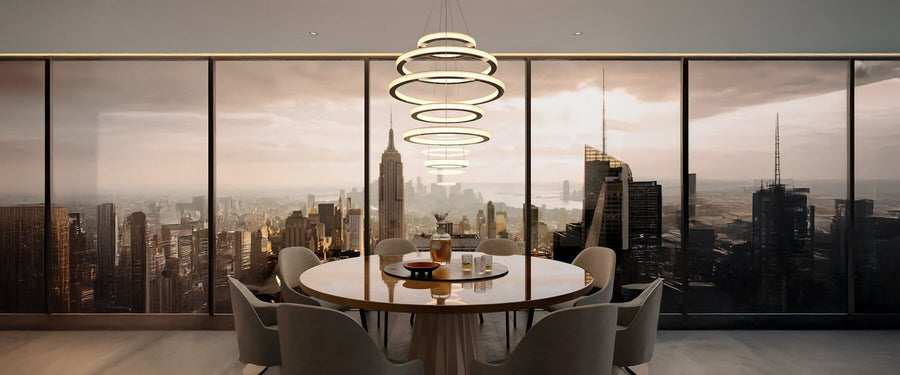
Every dining space deserves a centerpiece. A chandelier or pendant above the table not only provides functional light but also acts as a visual anchor. Choose materials that complement your existing décor, metal and glass for modern interiors, brass and crystal for traditional rooms, or rattan and wood for organic warmth.
Modern dining room lights often use geometric shapes, sleek lines, or mixed materials for a fresh, sculptural effect. Traditional designs, like tiered chandeliers, bring timeless elegance.
2. Match Style to Setting
The style of your dining room lights should align with the space’s purpose. Formal dining rooms benefit from decorative, eye-catching chandeliers, while open-plan kitchens or dining areas look best with minimalist pendants or track lighting.
Avoid one-size-fits-all designs, your lighting should enhance the room’s architectural features, not fight them.

3. Layer for Flexibility
Layering light ensures your dining room adapts to every situation. Combine ceiling fixtures with wall sconces or floor lamps. Use dimmers or smart lighting controls to modify brightness instantly.
For example:
Bright light for family dinners or games
Medium lighting for casual entertaining
Low, warm light for intimate evenings
Balancing Size and Proportion
The right proportion makes all the difference. If your chandelier or pendant is too small, it gets lost. Too large, and it overwhelms the room.
Simple rule: Add the room’s length and width in feet, use that total in inches for your fixture’s diameter.
Example: A 12x10 ft dining room = roughly a 22-inch wide light fixture.
Rectangular tables pair well with linear fixtures or dual pendants, while round tables work best with a single central chandelier.

Color Temperature and Mood
The warmth or coolness of your lighting can completely change how your dining room feels. Opt for warm white bulbs (2700–3000K) to achieve a welcoming, cozy atmosphere. Cooler tones (above 3500K) can make the space feel sterile or harsh.
LED technology now offers high CRI (Color Rendering Index) options, ensuring colors appear natural and vibrant under your dining room lighting. Always choose dimmable LEDs for greater control and energy efficiency.
Smart Control and Dimming
Modern dining room lights benefit greatly from smart dimmers or voice-controlled systems. You can program presets for specific moods, bright and clear for cleaning, medium for mealtime, and soft for entertaining.
Smart systems also allow for color-temperature tuning, meaning your lighting can shift from daylight to candlelight tones with a single command. It’s an effortless way to make your space adaptable and elegant.

Mixing Materials for Personality
To avoid a one-dimensional design, mix finishes and textures in your dining room lights. Combining metal and glass, matte and gloss, or natural and industrial materials adds depth and interest.
A matte-black chandelier over a wooden table creates contrast and modern appeal. A brushed-brass pendant against marble surfaces enhances warmth. Don’t be afraid to blend eras and styles, mixing materials helps personalize the space.

Dining Room Lights in Open-Plan Homes
In open-plan layouts, lighting defines zones more than walls do. Use dining room lights to visually separate your eating area from adjoining living or kitchen spaces.
A bold pendant or chandelier above the dining table becomes a clear marker for the dining zone. Coordinate finishes with nearby fixtures without making them identical, slight variations maintain flow while avoiding monotony.
Layer your lighting carefully:
Recessed or track lighting for overall brightness
Pendant or chandelier as the centerpiece
Accent lights (like sconces or lamps) to bridge the transition between areas
Creating Atmosphere for Hosting
When entertaining, dining room lighting set the emotional tone. Too bright and the space feels cold; too dim and guests struggle to see their plates. The right balance makes your guests comfortable and keeps the setting visually engaging.
Use layered dimming levels:
Overhead lights at 50–70% brightness
Wall sconces or indirect lighting to fill shadows
Candles or small accent lamps to add warmth
Subtle backlighting, like LEDs behind wall panels or under shelves, adds luxury without visible glare.

Budget-Friendly Lighting Tips
You don’t need to overspend to achieve a beautiful design. There are plenty of cost-effective ways to elevate your dining room lights setup:
Use one statement pendant and complement it with affordable sconces or lamps.
Install dimmers instead of replacing fixtures, they instantly increase flexibility.
Choose LED bulbs for longevity and energy savings.
Add decorative candles or portable LED lanterns for ambiance.
Even with modest updates, layering and dimming can completely transform the feel of your dining area.
Lighting for Small Dining Spaces
In smaller rooms or apartments, choose dining room lighting that enhance openness rather than crowd the space. Flush mounts, glass pendants, or transparent materials keep the area feeling airy. Reflective finishes help bounce light, making the room appear larger.
If ceiling height is limited, opt for semi-flush fixtures or wall sconces instead of large hanging pieces. Smart LED strips or under-shelf lighting can add both brightness and character without taking up visual space.

Conclusion
Well-designed dining room lights transform an ordinary space into something memorable. They go beyond function, they create emotion, enhance architecture, and adapt to the rhythm of daily life.
The secret lies in layering light, balancing form and function, and tailoring illumination to suit every moment. From chandeliers to smart lighting, from warm tones to sculptural designs, your choices shape how people experience your home.