
 £12599Unit price Translation missing: en.products.product.price.unit_price_separatorUnavailable
 Free Delivery
 £5999Unit price Translation missing: en.products.product.price.unit_price_separatorUnavailable
 Save 25%£12099£16213Unit price Translation missing: en.products.product.price.unit_price_separatorUnavailableFree Delivery
 Save 25%£4699£6297Unit price Translation missing: en.products.product.price.unit_price_separatorUnavailable
 Save 30%£7599£10800Unit price Translation missing: en.products.product.price.unit_price_separatorUnavailable
 £49499Unit price Translation missing: en.products.product.price.unit_price_separatorUnavailable
Orivelle Small Vertical Alabaster LED Wall Light - Brushed Bronze
Free Delivery
 £35199Unit price Translation missing: en.products.product.price.unit_price_separatorUnavailableFree Delivery
 £84699Unit price Translation missing: en.products.product.price.unit_price_separatorUnavailable
Orivelle LED Large Vertical Alabaster Wall Light - Brushed Bronze
Free Delivery
 £67099Unit price Translation missing: en.products.product.price.unit_price_separatorUnavailable
Orivelle LED Medium Vertical Alabaster Wall Light - Brushed Bronze
Free Delivery
 Save 10%£13499£14999Unit price Translation missing: en.products.product.price.unit_price_separatorUnavailable
Piero Antique Bronze Double Wall Light with 2 Cream Silk Mix Shades
Free Delivery
 Save 10%£13799£15399Unit price Translation missing: en.products.product.price.unit_price_separatorUnavailable
Piero Antique Bronze Double Wall Light with 2 White Handloom Shades
Free Delivery
 Save 10%£13799£15399Unit price Translation missing: en.products.product.price.unit_price_separatorUnavailable
Piero Antique Bronze Double Wall Light with 2 Grey Handloom Shades
Free Delivery
 Save 10%£11699£12999Unit price Translation missing: en.products.product.price.unit_price_separatorUnavailableFree Delivery
 Save 22%From £19399£24999Unit price Translation missing: en.products.product.price.unit_price_separatorUnavailableFree Delivery
 Save 24%£21299£28099Unit price Translation missing: en.products.product.price.unit_price_separatorUnavailableFree Delivery
 Save 21%£18099£22899Unit price Translation missing: en.products.product.price.unit_price_separatorUnavailableFree Delivery
 Save 31%From £41499£60399Unit price Translation missing: en.products.product.price.unit_price_separatorUnavailableFree Delivery
-
Save 29%From £32099£45299Unit price Translation missing: en.products.product.price.unit_price_separatorUnavailableFree Delivery

 Save 24%From £21399£28299Unit price Translation missing: en.products.product.price.unit_price_separatorUnavailableFree Delivery
 Save 25%£8099£10800Unit price Translation missing: en.products.product.price.unit_price_separatorUnavailable
Marant 1 Light Wall Light - Champagne Bronze with Clear Water Glass

 Save 25%£8099£10800Unit price Translation missing: en.products.product.price.unit_price_separatorUnavailable
Marant 1 Light Wall Light - Champagne Bronze with Opal Glass
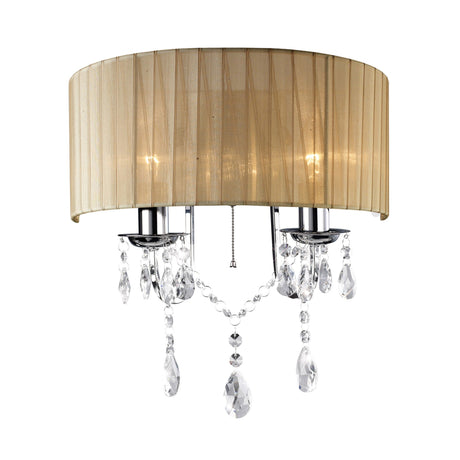
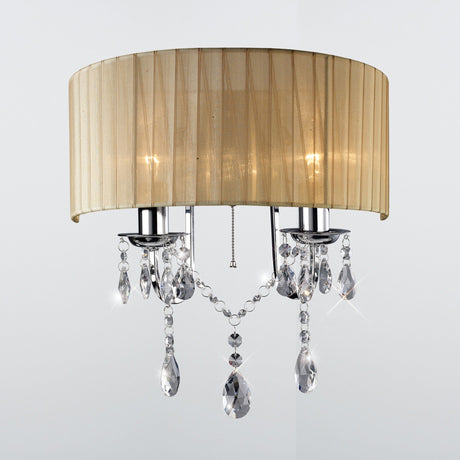 Save 16%£8299£9850Unit price Translation missing: en.products.product.price.unit_price_separatorUnavailable
Olivia 2 Light Crystal Wall Light With Switch - Chrome With Bronze Shade
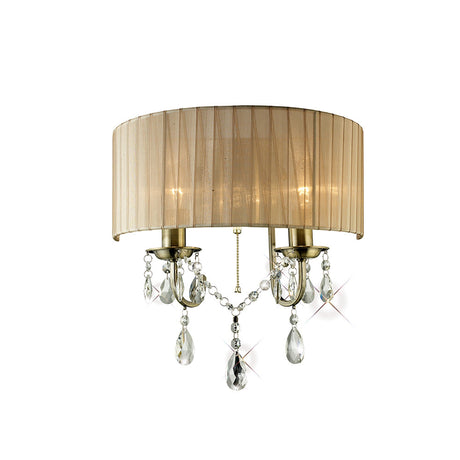
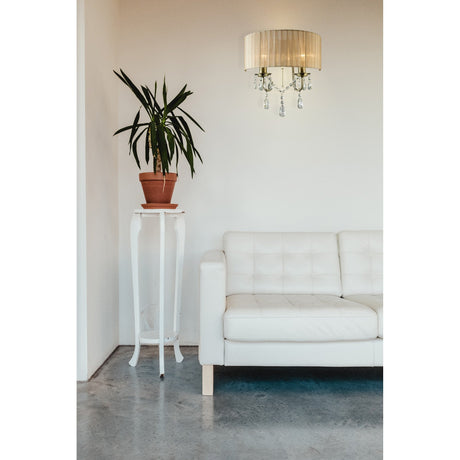 Save 15%£8899£10500Unit price Translation missing: en.products.product.price.unit_price_separatorUnavailable
Olivia 2 Light Crystal Wall Light With Switch - Antique Brass & Bronze Shade
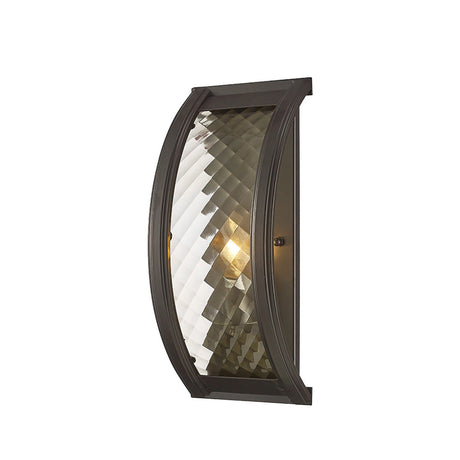
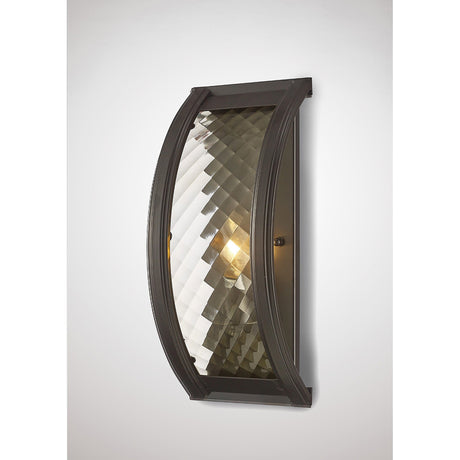 Save 15%£9199£10850Unit price Translation missing: en.products.product.price.unit_price_separatorUnavailable
 Save 15%£13799£16300Unit price Translation missing: en.products.product.price.unit_price_separatorUnavailable
Tiffany 2 Light Crystal Wall Light With Switch - Polished Chrome & Bronze Shades
Free Delivery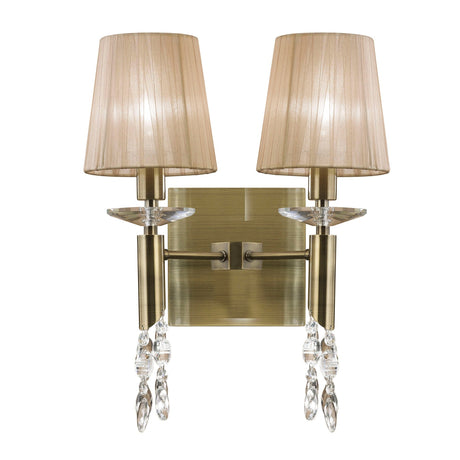
 Save 15%£12699£15000Unit price Translation missing: en.products.product.price.unit_price_separatorUnavailable
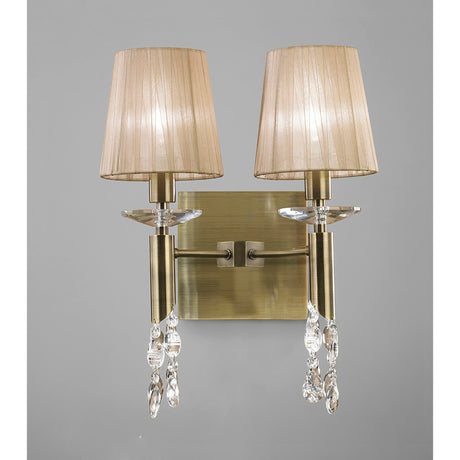
Tiffany 2 Light Crystal Wall Light - Antique Brass with Bronze Shades
Free Delivery
 Save 16%£13699£16250Unit price Translation missing: en.products.product.price.unit_price_separatorUnavailable
Tiffany 2 Light Crystal Wall Light With Switch - Antique Brass & Bronze Shades
Free Delivery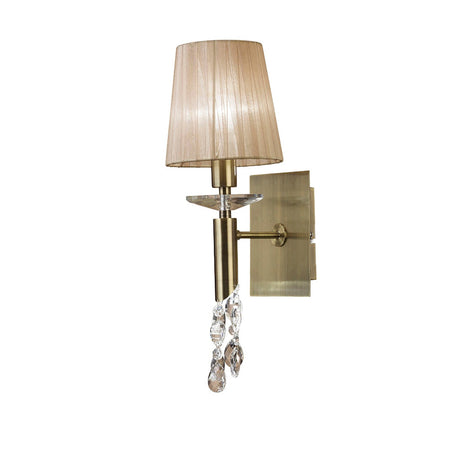
 Save 15%£7199£8500Unit price Translation missing: en.products.product.price.unit_price_separatorUnavailable
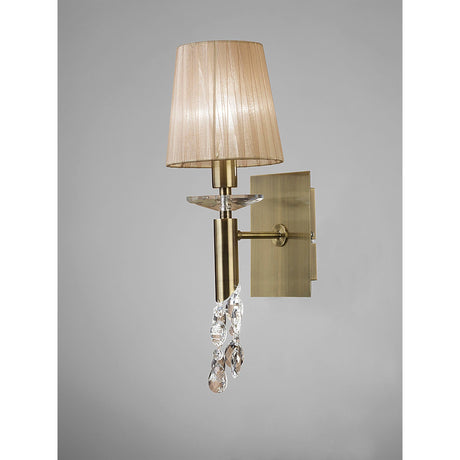
Tiffany 1 Light Crystal Wall Light - Antique Brass with Soft Bronze Shade
 Save 15%£8899£10500Unit price Translation missing: en.products.product.price.unit_price_separatorUnavailable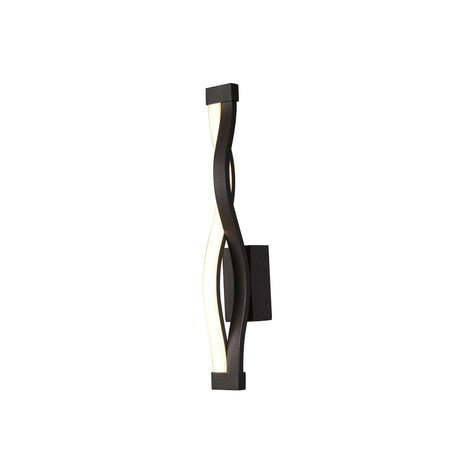
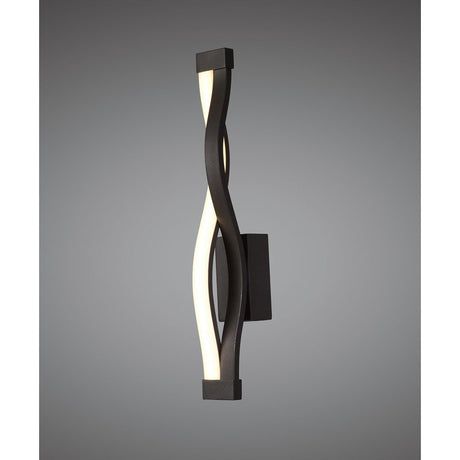 Save 15%£7199£8500Unit price Translation missing: en.products.product.price.unit_price_separatorUnavailable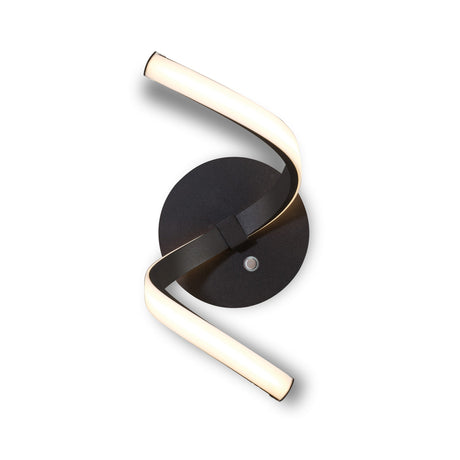
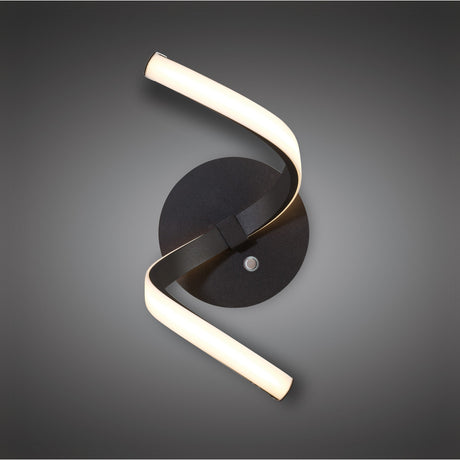 Save 15%£13899£16400Unit price Translation missing: en.products.product.price.unit_price_separatorUnavailableFree Delivery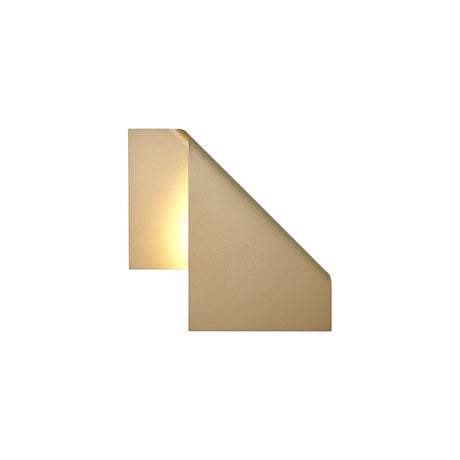
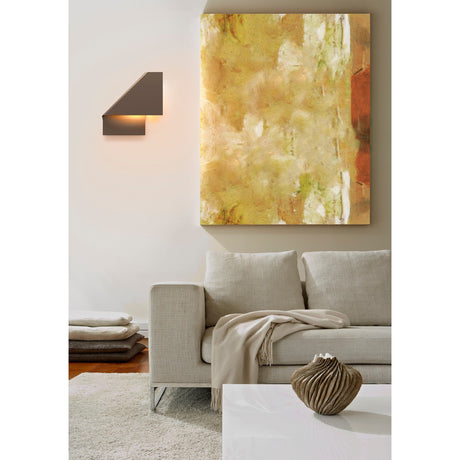 Save 15%£6399£7500Unit price Translation missing: en.products.product.price.unit_price_separatorUnavailable
 Save 16%£11499£13650Unit price Translation missing: en.products.product.price.unit_price_separatorUnavailable
Loewe 2 Light Wall Light With Switch - Antique Brass With Soft Bronze Shade
Free Delivery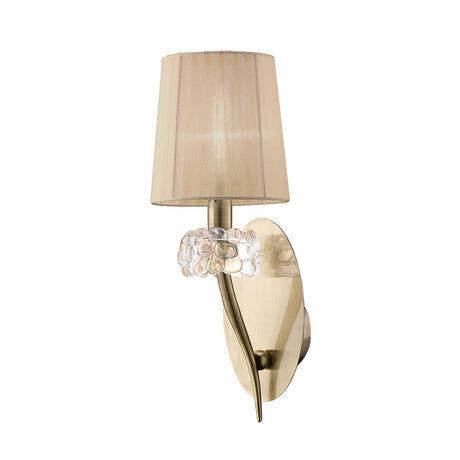
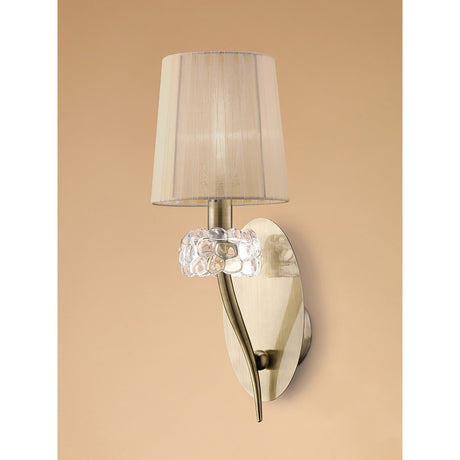 Save 15%£6899£8150Unit price Translation missing: en.products.product.price.unit_price_separatorUnavailable
Loewe 1 Light Wall Light - Antique Brass with Soft Bronze Shade
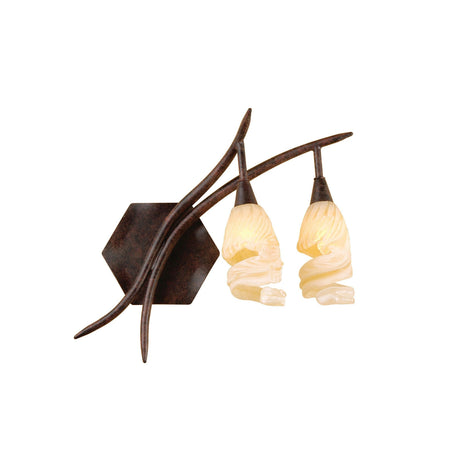
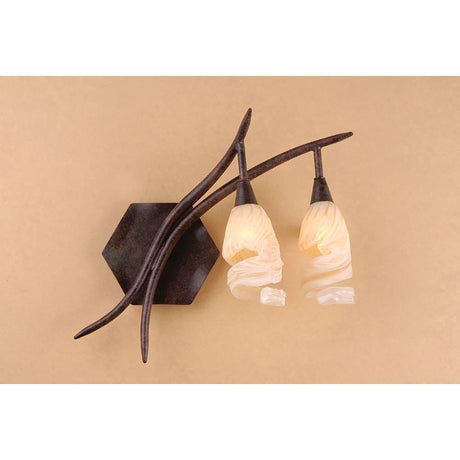 Save 15%£7399£8750Unit price Translation missing: en.products.product.price.unit_price_separatorUnavailable
 Save 16%£7599£9000Unit price Translation missing: en.products.product.price.unit_price_separatorUnavailable
Gaudi Right 2 Light Wall Light With Switch - Brown Oxide/Amber Glass

 Save 16%£7599£9000Unit price Translation missing: en.products.product.price.unit_price_separatorUnavailable
Gaudi Left 2 Light Wall Light With Switch - Brown Oxide Amber Glass

 Save 15%£6399£7550Unit price Translation missing: en.products.product.price.unit_price_separatorUnavailable
 Save 15%£21999£26000Unit price Translation missing: en.products.product.price.unit_price_separatorUnavailableFree Delivery
 Save 15%£10999£13000Unit price Translation missing: en.products.product.price.unit_price_separatorUnavailableFree Delivery
 Save 16%£7799£9250Unit price Translation missing: en.products.product.price.unit_price_separatorUnavailable
 Save 15%£5899£6950Unit price Translation missing: en.products.product.price.unit_price_separatorUnavailable
 Save 15%£12299£14500Unit price Translation missing: en.products.product.price.unit_price_separatorUnavailableFree Delivery
 Save 16%£9099£10800Unit price Translation missing: en.products.product.price.unit_price_separatorUnavailable
Bahia LED Wall Reading Light With Switch - Bronze (Without Shade)

 Save 15%£11399£13450Unit price Translation missing: en.products.product.price.unit_price_separatorUnavailableFree Delivery
 Save 15%£4699£5500Unit price Translation missing: en.products.product.price.unit_price_separatorUnavailable
Bahia Wall Light Bronze Cuboid - E27 (Shade Sold Separately)

 Save 16%£9699£11500Unit price Translation missing: en.products.product.price.unit_price_separatorUnavailable
 Save 16%£5399£6400Unit price Translation missing: en.products.product.price.unit_price_separatorUnavailable


The finish between brass and black
Bronze occupies a useful middle ground. Brass is warm and reads as decorative; black is graphic and reads as modern. Bronze carries the warmth of one with the visual weight of the other, so it sits quietly on a wall without disappearing into it. That makes it the finish of choice where you want a fitting to belong rather than announce itself, which is why it appears so often on exteriors, in hallways and in rooms with exposed brick, timber or stone.
Real bronze, bronze finish and oil-rubbed bronze
The names cover quite different things. Solid bronze is an alloy and genuinely develops a patina over years, darkening in some areas and lightening where handled. A bronze finish or bronze effect is a coating over another metal, which stays exactly as bought and will not patinate. Oil-rubbed bronze is a darkened finish, usually a coating, with the high points relieved so it looks worn, similar in principle to antique brass. None is inferior, but they age completely differently, so it is worth reading the specification if you want a fitting that changes over time rather than one that stays put.
Bronze outdoors
Dark bronze is one of the two dominant exterior wall light finishes alongside black, and it suits brick, stone and timber elevations better than black does, which can look stark against warm materials. Outdoors the IP rating decides survival: IP44 is the minimum for a sheltered spot under a porch, IP54 or IP65 for an exposed or weather-facing wall. On a coastal property, the corrosion rating and the fixings matter more than the IP figure, since salt air is harsher than rain and ordinary steel fixings will bleed rust down the wall within a couple of winters.
Height, spacing and pairs
Mount at roughly 1.5 to 1.7m from the floor indoors, dropping to about 1.5m or just above the headboard beside a bed. Outdoors, around 1.8 to 2m either side of a door is the usual, high enough to clear a person and low enough to light the step. Along a hallway or an exterior path, space fittings 2 to 2.5m apart and keep the mounting height constant even where the ground rises, since a consistent line is what makes a run read as deliberate.
Lamps and the light bronze gives
Bronze absorbs more light than brass and less than black, so it sits in between on output too. Warm white at 2700K to 3000K keeps it looking rich indoors. Outdoors, 3000K reads as welcoming and 4000K reads as security lighting, so choose by the job. Where a lantern leaves the lamp visible, a clear candle or filament bulb suits the period styling that bronze fittings usually carry.
Care, indoors and out
Indoors, a dry cloth is enough, and no polish: on a relieved or oil-rubbed finish, polish removes the darkening from the high points and leaves bright metal that cannot be put back. Outdoors, rinse rather than scrub, and inspect the fixings annually rather than the finish. On solid bronze, the patina is the finish working as intended and should be left alone unless you actively want it bright.
Frequently Asked Questions
How does bronze compare with brass and black?
How does bronze compare with brass and black?
What is the difference between solid bronze and a bronze finish?
What is the difference between solid bronze and a bronze finish?
Can bronze wall lights be used outdoors?
Can bronze wall lights be used outdoors?
How high should they be mounted?
How high should they be mounted?
What fails first on an outdoor bronze fitting?
What fails first on an outdoor bronze fitting?
How do I clean bronze?
How do I clean bronze?
Related Collections


BestSellers
-

 £49499Unit price Translation missing: en.products.product.price.unit_price_separatorUnavailable
Caelith 1 Light Medium Carved Alabaster Wall Light - Brushed Brass
Free Delivery In our showroom
 -

 £63999Unit price Translation missing: en.products.product.price.unit_price_separatorUnavailableFree Delivery
 -

 £11,87999Unit price Translation missing: en.products.product.price.unit_price_separatorUnavailableFree Delivery
 -

 £1,42999Unit price Translation missing: en.products.product.price.unit_price_separatorUnavailable
Seraphis LED Medium Alabaster Ring Chandelier - Brushed Brass
Free Delivery -

 £1,31999Unit price Translation missing: en.products.product.price.unit_price_separatorUnavailableFree Delivery
 -

 Save 8%£49999£54299Unit price Translation missing: en.products.product.price.unit_price_separatorUnavailable
Helia 100cm LED Circular Pendant Light 55W 3000K - Matte Black
13 In StockFree Delivery -

 £80299Unit price Translation missing: en.products.product.price.unit_price_separatorUnavailableFree Delivery
 -

 Save 25%£65199£87000Unit price Translation missing: en.products.product.price.unit_price_separatorUnavailableFree Delivery
 -

 £1,64999Unit price Translation missing: en.products.product.price.unit_price_separatorUnavailableFree Delivery
 -

 £2,96999Unit price Translation missing: en.products.product.price.unit_price_separatorUnavailableFree Delivery
 -

 £1,53999Unit price Translation missing: en.products.product.price.unit_price_separatorUnavailableFree Delivery
 -

 £2,30999Unit price Translation missing: en.products.product.price.unit_price_separatorUnavailable
Stratalux LED Stacked Alabaster Column Floor Lamp - Matt Black
Free Delivery


Recommended For You
Our Reviews
-

Birmingham Based
British heritage. Worldwide delivery.
