
Introduction
Crafting the perfect living room ambiance requires more than just brightening a space - it’s about blending functionality and style. Living Room Lights not only shape the atmosphere but also highlight your decor, define spaces, and create an inviting environment for family and guests. From statement-making living room chandeliers to cozy table lamps, understanding how to select the right lighting is key to achieving a balanced, beautiful space.

Step 1: Understand the Purpose of Your Living Room Lights
Before choosing specific fixtures, it’s essential to assess how you use your living room. Is it a space for cozy family movie nights, entertaining guests, or quiet reading time? Different uses call for different lighting strategies.
- Define Functional Zones: Divide your living room into zones based on activity. For example, designate areas for socializing, reading, or work. Each zone will require its own Living Room Lights to create the right ambiance.
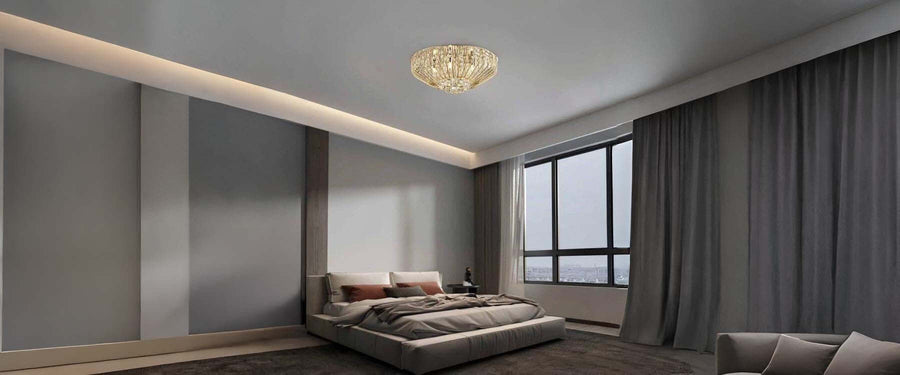
- Consider Room Size and Ceiling Height: Larger living rooms may need multiple layers of Living Room Lights, while smaller spaces benefit from fewer, strategically placed fixtures. Tall ceilings accommodate grand living room chandeliers, while low ceilings work best with flush-mount ceiling lights or compact pendant lights.
Tip: Use mirrors and light-coloured walls to amplify natural light and make the room feel more open and airy.
Step 2: Start with Ambient Lighting for Overall Illumination
Ambient lighting serves as the primary source of illumination in your living room. It fills the space with an even glow, reducing shadows and providing a comfortable base layer of light.

-
Living Room Chandeliers and Living room ceiling lights
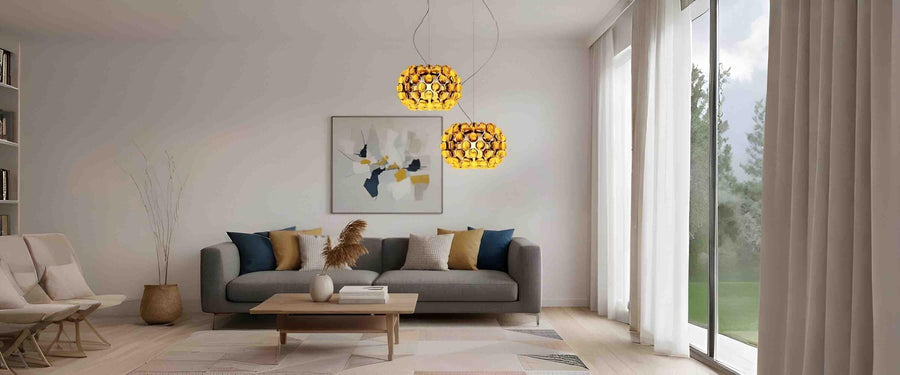
Living room chandeliers can serve as stunning focal points, adding drama and elegance to the space. For a more modern approach, consider pendant lights or other type of Living Room Ceiling Lights. Whether you opt for a single statement piece or a cluster of pendants, they provide versatile lighting while enhancing the room’s aesthetic. - Recessed Lighting
Recessed downlights or spotlights offer a streamlined, minimalist look. They are ideal for providing widespread illumination without overwhelming the space or competing with other design elements.
Tip: Aim for even light distribution to avoid harsh shadows. Layer ambient lighting with additional Living Room Lights for a balanced effect.
Step 4: Use Lighting Controls for Greater Flexibility
To enhance your lighting experience, consider incorporating smart controls and dimmers. This allows you to adjust light levels based on the time of day, activity, or desired ambiance.

- Dimmer Switches
Installing dimmer switches for your Living Room Lights, chandeliers, or wall sconces enables you to modify the brightness and set the mood. Dimmers are perfect for switching from bright, lively gatherings to intimate, cozy evenings.
Tip: Consider wireless dimmer switches that can be controlled remotely for added convenience. - Smart Lighting Systems
Smart lighting systems let you control lights remotely with apps or voice assistants. You can adjust brightness, change colours, or set schedules. Smart lighting systems offer convenience, energy efficiency, and the ability to customize your space to suit your needs.
Step 5: Choosing the Right Bulbs for the Perfect Ambiance
The type of bulb you choose plays a pivotal role in shaping the atmosphere of your living room lights. Understanding different bulb options can help you achieve the desired lighting effect.
- LED Bulbs for Energy Efficiency: LED bulbs are a popular choice due to their long life and energy-saving benefits. They are available in various colour tones, such as warm white, which adds a cozy and inviting glow, and cool white, which works well for tasks requiring focus and precision in your living room lights.
- Mixing Warm and Cool Tones: For optimal results, consider blending warm-toned and cool-toned bulbs throughout your lighting layers. Warm light enhances table lamps, providing a soothing, relaxed atmosphere, while cool light complements task lighting, adding clarity and functionality. Combining these tones creates versatility in your living room lights design, allowing you to tailor the space to suit a wide range of moods and activities.
Tip: Layer different bulb types to balance the overall look of your Living Room Lights.
Step 3: Add Task Lighting for Practical Purposes
Task lighting focuses light where you need it most, supporting specific activities such as reading, working, or crafting. Effective task lighting is both functional and stylish, blending seamlessly with your living room’s design.

-
Living Room Floor Lamps for Flexible Lighting
Living room floor lamps provide targeted lighting and are easily moved to different areas as needed. Adjustable-arm floor lamps are ideal for reading or crafting and can be positioned next to armchairs or sofas.
Tip: Choose floor lamps with multiple brightness settings to adapt to different tasks and times of the day.

-
Living Room Table Lamps for Convenient Illumination
Table lamps are perfect for end tables, consoles, or shelves. They add warmth and style while offering practical light for reading or work. Look for designs that complement other decor elements in the room. Mixing ceramic, glass, or metal bases with different shade styles adds character and cohesion.
Tip: Opt for table lamps with built-in USB ports to charge devices conveniently while relaxing.

-
Living Room Pendant Lights as Task Lighting
Consider pendant lights over specific areas, such as a coffee table or desk, to provide focused light. Pendant lighting offers both functional light and aesthetic appeal, making it a versatile option for task-oriented areas.
Step 6: Blend Fixtures for a Cohesive Look
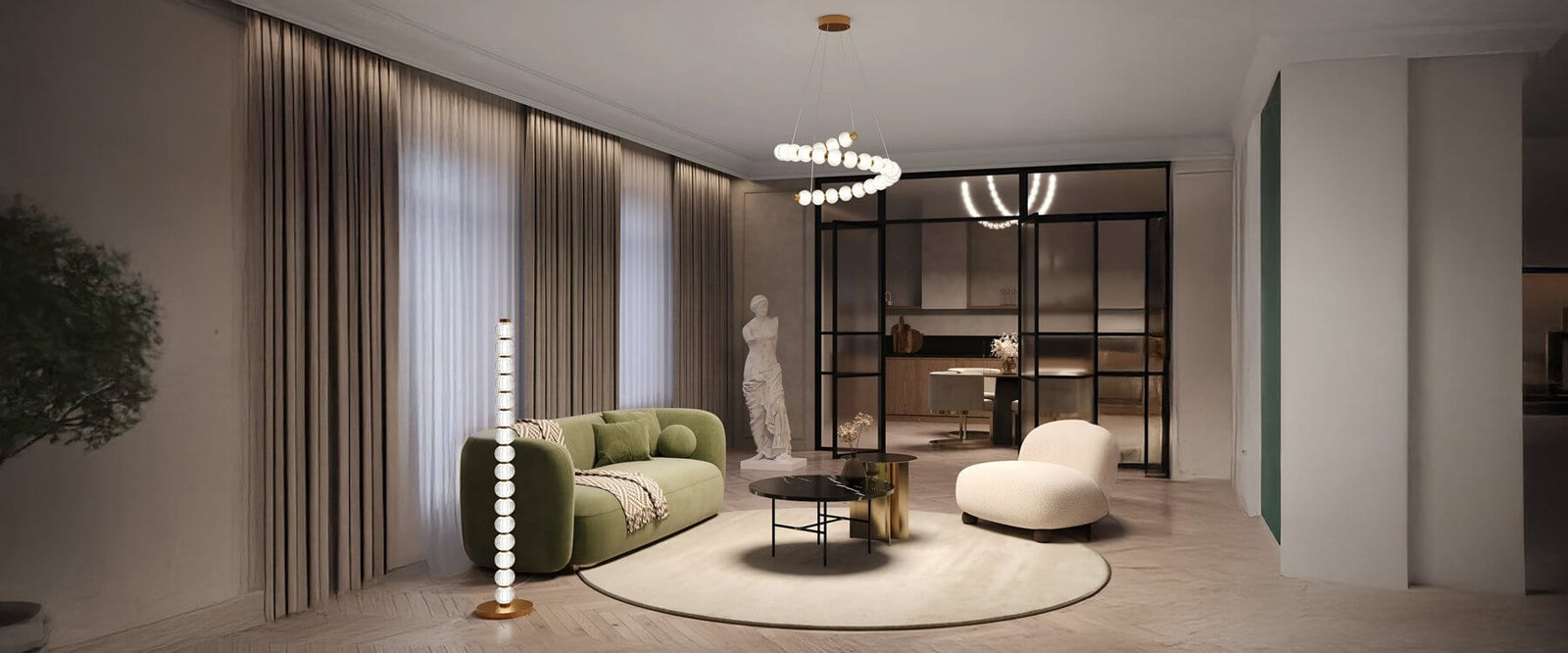
To create a well-lit and visually appealing living room, blend different types of fixtures. Combining living room chandeliers, pendant lights, table lamps, wall lights, and accent lighting creates a layered effect, enhancing both style and functionality.
- Coordinate Styles
Choose fixtures that complement each other and align with your decor theme. For instance, pairing a modern chandelier with wall sconces and simple table lamps can create a cohesive, contemporary look. - Use Different Heights
Layering Living Room Lights at different heights—ceiling, wall-mounted, and table-level—adds dimension and avoids flat, uninteresting lighting. - Maximize Natural Light
During the day, make use of natural light by placing mirrors strategically to reflect sunlight. Sheer curtains or blinds can enhance daylight while maintaining privacy.
Tip: Arrange furniture to maximize exposure to natural light for a bright, airy feel.
Step 7: Introduce Accent Lighting to Highlight Key Features
Accent lighting brings personality and depth to your living room. It’s used to showcase specific elements, create focal points, and add layers of interest.

- Living Room Wall Lights and Sconces
Wall lights and sconces can frame mirrors, artwork, or architectural details. Swing-arm wall lights provide additional flexibility, allowing you to adjust light direction as needed. Choose styles and finishes that match your Living Room Lights aesthetic—modern, traditional, or eclectic.
Tip: Install wall lights at eye level to ensure they provide a comfortable glow and avoid harsh shadows.

- Spotlights and Downlights
Spotlights or directional downlights are perfect for highlighting specific features in your living room. Whether you want to draw attention to artwork, emphasize textured walls, or illuminate decorative shelving, these lights create focal points and add dimension to the space. Downlights, often recessed into the ceiling, offer a minimalist look, blending seamlessly into the room while offering strong, concentrated light where you need it most. - Mixing Materials and Textures
Experiment with different materials—glass, metal, fabric, and wood—when choosing accent lights. This adds visual interest, texture, and a cohesive design theme.
Step 8: Incorporate Design Trends and Personal Style
Your Living Room Lights should reflect your personal style while considering current design trends. Whether you love mid-century modern aesthetics, industrial vibes, or classic elegance, your lighting choices can bring your vision to life.
- Statement-Making Chandeliers
Large chandeliers or sculptural pendant lights can serve as a room’s focal point. Go for bold shapes, intricate details, or unexpected materials to draw attention. - Minimalist Touches
For a more understated approach, opt for simple yet elegant living room ceiling lights or pendant lights with clean lines. Pair with neutral tones and streamlined furniture for a minimalist feel.
Tip: Personalize fixtures with custom finishes or handmade elements to make your lighting stand out.
Conclusion
Achieving the perfect living room lighting design is about layering different types of lights to serve specific purposes while enhancing your style. Start with ambient lighting to create a base glow, then layer in task lighting to support daily activities. Finish with accent lighting to add personality and depth. Whether you choose grand living room chandeliers, practical Living Room Lights like table lamps, or modern wall lights, a thoughtful approach to lighting will transform your living room into a beautiful, functional space for any occasion.
Layering lights, including ambient, task, and accent Living Room Lights, ensures you achieve both beauty and function. This method helps to illuminate your living room effectively while adding dimension, style, and tailored light to suit a wide range of activities and moods.