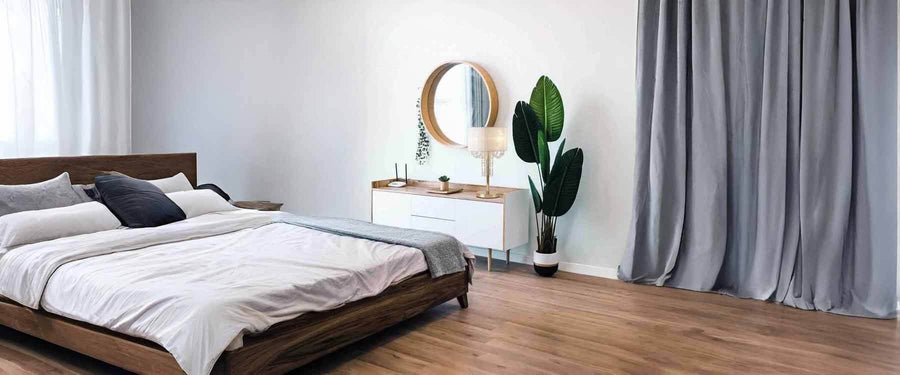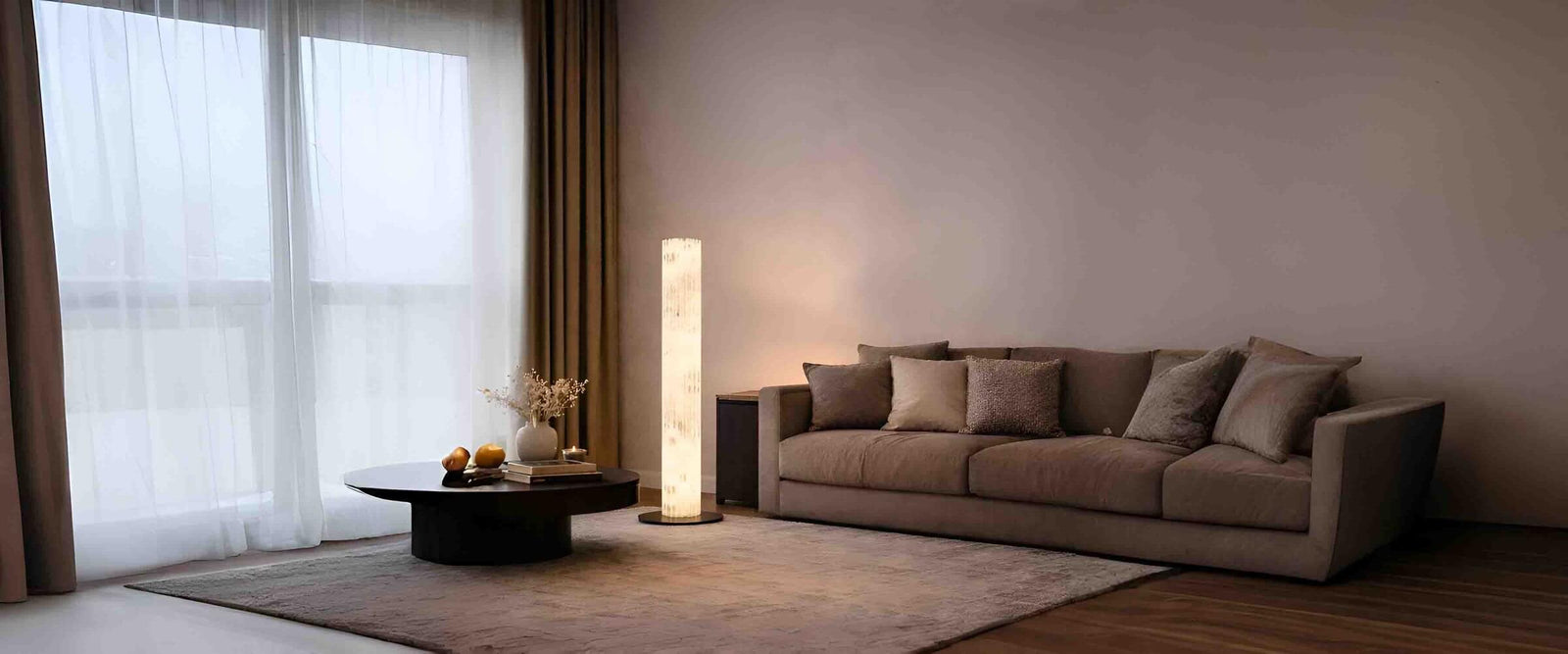

Introduction
Modern floor lamps can change how a room feels in minutes, but the right choice depends on space and purpose, not just looks. When you choose a lamp with the right brightness and a shade that controls glare, the whole room becomes easier to live in. A well-placed floor lamp can lift gloomy corners, soften harsh overhead light, and make seating areas feel more inviting. The key is picking a design that suits how you actually use the space day to day.
Start by thinking about what you need the light to do, whether that’s reading on the sofa, creating a calmer evening mood, or adding depth to an open-plan room. Next, check the lamp’s height and base size so it fits neatly without blocking walkways or doors. Then match the finish and shape to your existing décor so it looks like it belongs, rather than an afterthought. With a little planning, you’ll get lighting that feels balanced, practical, and beautifully finished.

Quick Summary
The best results come from matching the lamp to the job it needs to do and the space it needs to fit. Measure your footprint, decide whether you need ambient, task, or accent light, choose a suitable height and shade to control glare, then select the right bulb brightness and colour tone. Finally, place the lamp where it fills a lighting gap without blocking walkways or creating screen reflections.

What Exactly Counts As A Modern Floor Lamp?
A modern floor lamp is defined by clean lines, simple shapes, and purposeful light direction. These designs often use slim stems, minimal bases, and straightforward finishes such as matte black, brushed brass, or chrome, with shades created to soften or aim light rather than scatter it randomly.
Which modern styles are most useful at home?
The most useful styles are the ones that match how you live.
Arc lamps: throw light over seating without needing a side table
Tripods: add a sculptural feel while keeping light soft with fabric shades
Uplighters: brighten the room by bouncing light off the ceiling
Reading lamps: provide focused light with adjustable heads
Multi-head “tree” lamps: layer light in one area with flexible angles

How Do You Choose Modern Floor Lamps Based On Room Size?
You choose a modern floor lamp based on room size by balancing footprint, height, and visual weight. Designs that are too wide will crowd a small space, while a lamp that is too small in a large room can look lost and fail to provide enough light.
What works best in small rooms?
The best option for a small room is a lamp that delivers useful brightness without stealing floor space. In practice, that means:
Slim stems with compact bases that tuck beside seating
Directional heads for reading corners, rather than oversized shades
Lightweight visual shapes that don’t dominate the room
Dimmable lighting, so one lamp can handle day and night
Example: In a box room used as a home office, a slim reading design beside the chair gives clear light where you need it, without turning the room into an obstacle course.
What works best in larger or open-plan rooms?
The best option for a larger space is a lamp with enough presence and output to hold its own. Good choices include:
Arc designs that reach over a sofa corner
Uplighters that increase overall brightness gently
Larger shades that soften light and look proportionate
Example: In an open-plan lounge-diner, modern floor lamps placed near the sofa can define the seating zone and make it feel separate from the dining area.

What lighting need are you actually trying to solve?
You should choose your lamp based on whether you need ambient, task, or accent light. Modern floor lamps can do one job brilliantly, sometimes two, but disappointment usually happens when a lamp bought for atmosphere is expected to perform like a reading light (or the other way round).
How can you tell the difference between ambient, task, and accent light?
Ambient light is general room light, task light is focused light for activities, and accent light is light used to highlight features. Use these quick cues:
Ambient: uplighters, diffused shades, multi-head lamps with dimming
Task: adjustable reading heads, downward shades, focused beams
Accent: directional heads aimed at artwork, shelves, or textured walls

How Bright Should Modern Floor Lamps Be For Each Room?
A good brightness choice comes from matching the activity and the time of day. Modern floor lamps are easiest to get right when you think in lumens (brightness) and add dimming for flexibility.
Use these practical ranges as a starting point:
Bedroom ambience: 400-800 lumens (higher if it’s your main light)
Living room layering: 800-1500 lumens from a floor lamp, ideally dimmable
Reading corner: 450-800 lumens directed onto the page
Office support: 800-1500 lumens, positioned to avoid screen glare
Tip from the shop floor: If you’re unsure, choose a dimmable setup so you can soften the light after sunset.

What Height And Shade Shape Gives The Most Comfortable Light?
Comfort comes from keeping the light source out of your direct eye line when seated. Modern floor lamps look great, but if the bulb is visible at sofa height you’ll notice glare straight away, especially in the evening.
A reliable approach:
For shaded designs, aim for the bottom of the shade to sit around seated shoulder height.
For reading designs, make sure the head can aim at your book without shining into your eyes.
For uplighters, check ceiling height; low ceilings can create a harsh hot spot rather than a calm glow.
Shade shape matters too:
Drum shades: softer, more even ambience
Cone shades: more direction, helpful for mixed use
Open metal shades: bold look, but can be glary unless paired with the right bulb

How Do You Match Modern Floor Lamps With Décor?
You match modern floor lamps with décor by repeating one element already in the room and adding gentle contrast elsewhere. That element might be a finish (black metal), a shape (curves), or a texture (linen), and it helps the lamp feel like it belongs.
Which finishes are easiest to live with?
The easiest finishes are the ones that echo common fittings and furniture details:
Matte black: works with contemporary frames, shelving, and darker accents
Brass/bronze: adds warmth to grey, cream, and neutral palettes
Chrome/nickel: suits cooler schemes and glass or stone surfaces
Wood accents: soften minimal rooms and pair well with textiles
If your space leans classic, you can still use modern floor lamps as a bridge just choose a softer shade and warmer bulb. For a more traditional feel in another room, you might prefer something closer to traditional floor lamps and keep the modern choice for your main living zone.

Where Should You Place Modern Floor Lamps For The Best Effect?
You should place modern floor lamps where they fix a lighting gap without creating glare or clutter. They work best beside seating, in dim corners, or near features you want to highlight, as long as cables and bases stay out of walkways.
Good placements to try:
Next to a sofa arm: ideal for reading and relaxed ambience
Behind an accent chair: adds depth and reduces harsh facial shadows
In a dark corner: makes the room feel bigger and more balanced
Near artwork or plants: gives the room a designed, layered look
Avoid placing a bright lamp at eye level beside a TV, as it can cause reflections and visual fatigue.

How Do You Choose The Right Modern Floor Lamps Step By Step?
You choose the right modern floor lamps by measuring first, deciding the lighting job, then matching style and bulb to your space. This approach rewards a quick, practical checklist rather than impulse buying.
Measure the footprint
Check the maximum base size that won’t block doors, drawers, or walkways.Decide the main job
Pick one priority: ambience, reading, or highlighting a feature.Check seated glare
Sit where you’ll use it and imagine the bulb’s position in your line of sight.Choose shade or head type
Diffused shades soften; adjustable heads focus; uplighters lift overall brightness.Select bulb brightness and tone
Use lumens for brightness, and choose warm or neutral white to suit the room’s mood.Plan switch and cable route
Make sure the switch is reachable from the seat and the cable won’t cross a pathway.Test at night
The same lamp can feel very different after dark, which is why dimming is so useful.

What Are The Most Common Mistakes People Make With Modern Floor Lamps?
The most common mistakes are choosing the wrong light type, ignoring glare, and buying a size that doesn’t suit the room. Modern floor lamps should make life easier, not create new annoyances.
Watch out for these problems:
Picking an exposed-bulb style for a lounge, then hating the glare
Choosing a tall lamp with a tiny base, making it unstable
Expecting one lamp to light a large room without layering
Using cool white bulbs in cosy spaces, making the room feel harsh
Placing lamps where people walk, creating clutter and trip hazards

Best Interior Uses For Modern Floor Lamps In Real Homes
Modern floor lamps are most effective when you use them to layer light and improve how each area functions. Modern floor lamps can also help you avoid relying on a single bright ceiling light, which often creates flat, unflattering lighting.
Here are practical, room-by-room ways to use them:
Reading corner: Place a directional reading lamp slightly behind your shoulder so light falls onto the pages without shining in your eyes. Add a dimmable bulb so the corner can shift from practical to cosy.
Small living room: Use a slim lamp with a diffused shade in a back corner to lift overall brightness and make the room feel less boxed in. Pair it with a table lamp if you want a calmer evening feel without turning the room overly bright.
Open-plan seating zone: Choose an arc lamp to throw light over the sofa while keeping side tables free. This is especially useful when you want a defined “living area” without changing the ceiling lighting.
Bedroom: A soft-shaded floor lamp near a dresser or armchair creates gentle light for winding down. Keep the bulb warm and avoid placing the shade where it’s visible from the pillow line.
Hallway or landing: A tall, slim lamp can stop transitional spaces feeling gloomy and make the home feel welcoming after dark. Pick a base that won’t get knocked when people pass through.
Style-led rooms: If your décor is more raw or urban, a bolder finish and sharper lines can suit the mood just keep glare in check. In that case, you may also like industrial floor lamps for a different look in a separate room.
At Niori, we often recommend thinking of floor lighting as part of a set: one lamp to raise the background level, and another to handle tasks like reading.

Conclusion
Modern floor lamps are easiest to choose when you focus on room size and lighting need first, then style. Measure the space, decide whether you need ambient, task, or accent light, and pick a height and shade that avoids glare at seating level. Choose a bulb with the right lumen output and colour tone, add dimming for flexibility, and place the lamp where it fills a lighting gap without blocking walkways or reflecting on screens. Done well, modern floor lamps bring comfort, balance, and a finished look to the whole room.