
Introduction
Choosing table lamps is easier when you treat them as part of the room’s comfort, not just a finishing touch. They don’t just brighten a space they shape how the room feels the moment the sun goes down. When the light is warm and well diffused, it softens harsh corners and makes colours and textures look more flattering. That’s why a lamp that looks perfect in the shop can still feel wrong at home if the glow isn’t gentle.
The right table lamps create a soft warm glow, make evenings feel calmer, and still give you enough light to read or unwind without glare. A good shade hides the bulb from your eyeline and spreads light evenly, so you get comfort without dullness. With dimming or a well-chosen brightness level, the same lamp can shift from cosy ambience to practical light in seconds. Done well, it helps your room look pulled together while staying genuinely pleasant to live in.

Quick Summary
The easiest way to get the result you want is to match the lamp to the job first, then style it to suit the room.
For a soft warm glow, prioritise a warm-toned bulb, a diffusing shade, and glare control.
For bedside comfort, choose a compact base, a shade that hides the bulb when you’re lying down, and a switch you can reach easily.
For living rooms, scale matters: the lamp should “fit” the furniture, not float above it or disappear on it.
Budget-friendly lamps can look premium with a better shade, a warm bulb, and a dimming option.
For reading, aim light onto the page, not into your eyes shade depth and height do the heavy lifting.

What Does “Soft Warm Low” Actually Mean?
A soft warm glow is warm-coloured, low-glare light that feels gentle and flattering, especially in the evening. In practical terms, it’s the difference between a room that feels cosy and calm, and one that feels sharp or clinical.
To create that glow, you’re aiming for:
Warm colour rather than cool “white” light
Even diffusion through a fabric, frosted, or opal-style shade
Hidden bulb so you don’t see a bright point of light when seated or lying down
Balanced brightness that lights the space without overpowering it
Soft reflection from surrounding surfaces, such as walls or ceilings, to avoid harsh shadows
This is why two lamps with the same base can feel completely different: the bulb and shade choice changes everything.

What Makes Table Lamps Give a Softer Light?
Table Lamps feel soft when the bulb’s warmth, brightness, and shade work together to reduce glare and spread light smoothly. If one element fights the others like a cool, bright bulb behind a thin shade the whole effect becomes harsh.
Here’s what matters most:
Bulb warmth: Warm-toned bulbs create a more relaxing ambience than cooler tones.
Brightness level: Too much brightness makes light feel harder, even if it’s warm.
Shade material: Linen, cotton, parchment-style, and frosted glass soften light; clear glass or exposed bulbs do the opposite.
Shade shape and depth: Deeper shades hide the bulb better and reduce glare from more angles.
Shade lining: Light inner linings bounce more light into the room; darker linings create a moodier pool of light.
If your lamp looks beautiful but still feels uncomfortable, the fix is usually the shade, the bulb, or both.

How Do You Choose Table Lamps That Give a Soft Warm Glow?
The most reliable approach is simple: decide what you need the lamp to do, then choose the bulb and shade to support that job. Styling comes after because comfort is what you’ll notice every day.
Step-by-step: a method that works in any room
-
Name the main purpose
Relaxing ambience, bedside wind-down, reading, or “a bit of everything”.
-
Choose a warm-toned bulb
Warm light is usually more flattering in bedrooms and living rooms.
-
Set the brightness
Ambient glow needs less brightness; reading needs more, or more focused direction.
-
Pick a shade that diffuses
Fabric and frosted shades soften light and reduce hotspots.
-
Check glare from your usual position
Sit (or lie down) where you’ll use it. If you can see the bright bulb, adjust shade depth or lamp height.
-
Match the lamp scale to furniture
The lamp should look proportionate on the surface and beside nearby seating.
-
Add control
A dimmer plug, 3-step bulb, or smart control lets one lamp suit multiple moods.
Using this method, table lamps become predictable: you’ll know how they’ll feel before you even bring them home.

How Tall Should Table Lamps Be for Comfortable Reading?
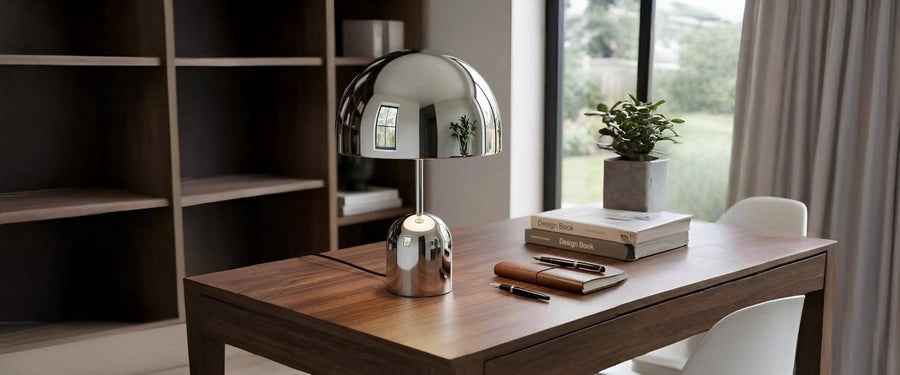
For reading, table lamps should place light onto the page without shining into your eyes. Height isn’t about a magic number; it’s about where the shade sits relative to your seated eye line and your book.
Use these practical checks:
Hide the bulb: When seated, the bottom edge of the shade should usually sit around your eye line or slightly below so the bulb isn’t visible.
Aim the light down: Empire shades and slightly narrower shades direct more light to the reading area.
Avoid shadows: If your hand or head casts a shadow over the book, move the lamp slightly forward or to the side.
Use the right brightness: Pick a bulb bright enough for reading, and add a dimmer if you want flexibility.
Control glare with shade material: Opaque or lined shades reduce harsh brightness and keep the light comfortable.
Real-life example: If you read on a sofa arm, a medium-height lamp with a deeper shade will light your lap without glaring at you. If you read in an armchair with a side table, choose a lamp that brings the shade to about shoulder-to-eye height when seated.

What Should You Look For In Table Lamps For Bedside Use?
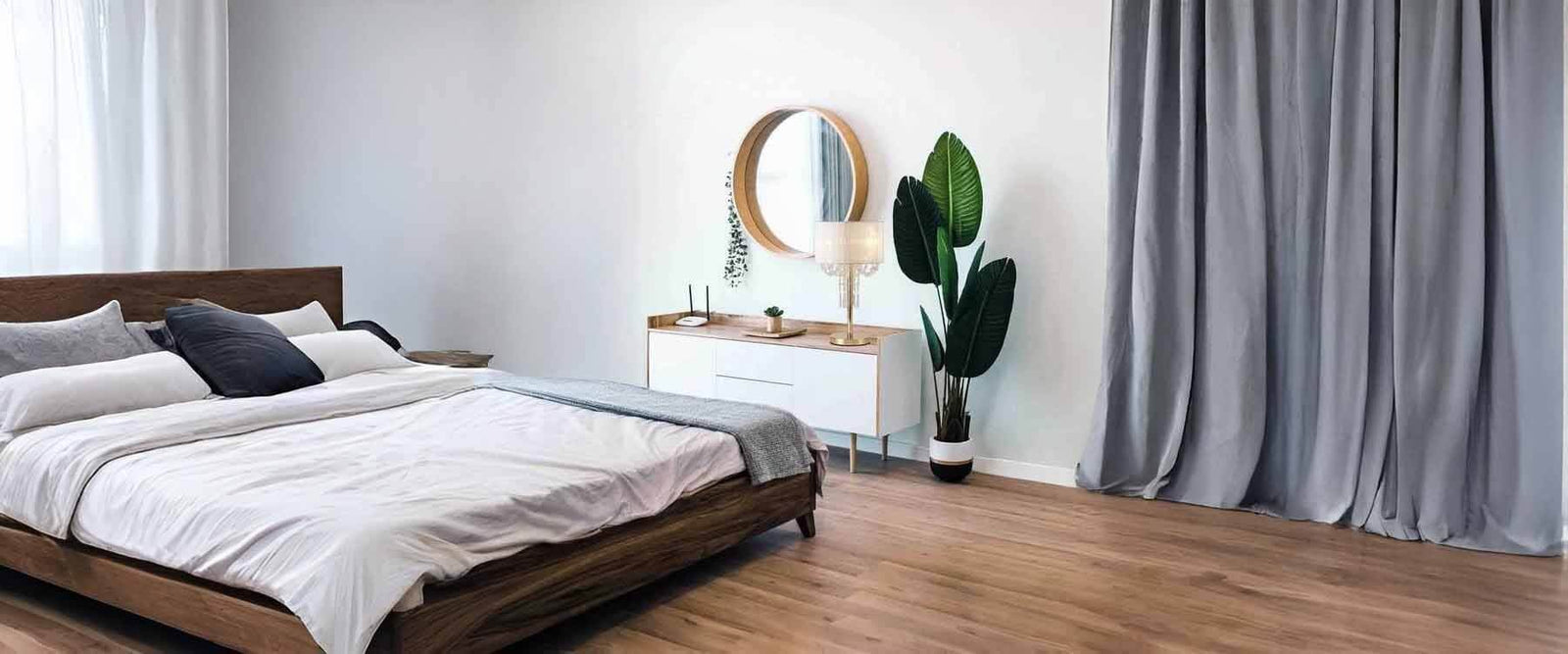
For bedside use, table lamps should be compact, calming, and easy to switch on and off. This is the area where glare is most annoying, because your eyes are level with the shade when you’re lying down.
Bedside choices that tend to work best:
A smaller base footprint so it doesn’t crowd the table
A shade that’s deep enough to hide the bulb from a lying position
Warm, lower brightness for winding down
An easy switch (in-line switch, touch control, or a reachable pull chain)
A stable, weighted base so it won’t tip if you knock the table
A shade material that softens light (linen, fabric, frosted/opal) to reduce harsh glare
To make the bedside feel more considered, pair your lamp with a simple tray for your essentials. It keeps the surface tidy and makes the lamp look intentional rather than “placed wherever it fit”.

How Do Table Lamps Look Good in Living Rooms?
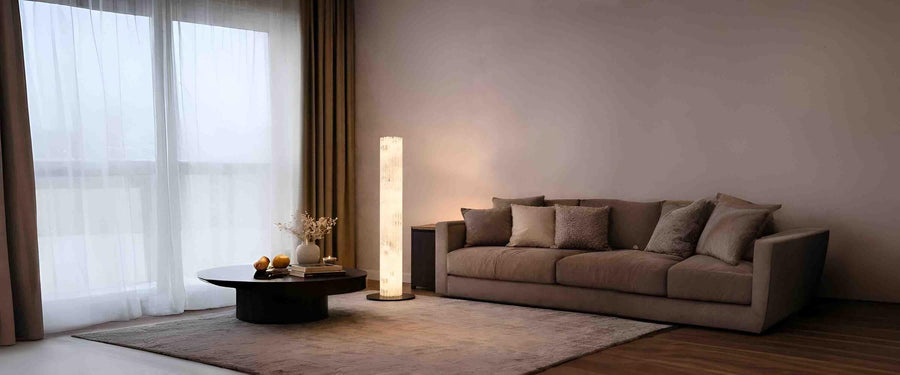
In living rooms, table lamps look best when they match the room’s scale and repeat a few finishes already in the space. You don’t need perfect matching sets you need balance.
Style rules that hold up in real homes:
Match size to the surface: A wide console can handle a larger shade; a petite side table needs a slimmer base.
Repeat a material or colour: If you have brass handles, a brass detail ties in naturally. If your room is full of warm woods, a ceramic or textured base can soften it.
Use pairs for symmetry: Two lamps on a console feel calm and finished.
Use one statement piece for character: A single sculptural lamp can anchor a corner with art or a plant.
If you’re choosing between styles, think about the story your room tells: traditional table lamps often feel classic and comforting, while modern table lamps can feel cleaner and lighter depending on shape and finish.

What Are Cheap Table Lamp Ideas That Still Look Stylish?
You can keep costs down and still get a high-end look because the shade, bulb, and proportion matter more than the price tag. If you get those right, even simple Table Lamps can look elevated.
Budget-friendly upgrades that make a big difference:
Swap the shade: A linen-effect shade instantly softens light and looks more premium.
Choose a matte finish: Matte black, brushed metal, and textured ceramic tend to look more considered than glossy plastics.
Add dimming: A dimmer plug or smart bulb gives you control and makes the lamp feel “designed”.
Style the area around it: A book stack, a small bowl, or a low vase creates a purposeful vignette.
A common mistake is buying the brightest bulb available because it feels like “more value”. In living spaces, that usually makes the lamp feel harsh and less relaxing.

Where Should You Place Table Lamps For The Most Flattering Light?
Table Lamps look and feel best when they’re spread around the room to create layers of light. One overhead light can flatten a space; layered lamps add depth and comfort.
Try these placements:
Living room: one lamp near seating for ambience, another in a darker corner to balance the room.
Bedroom: one on each bedside table, or one bedside plus another on a dresser for a softer overall glow.
Hall or console: a lamp creates a welcoming mood and makes the space feel finished.
If your style leans bolder, industrial table lamps can work well on a sideboard or bookshelf just pair them with a shade or bulb choice that avoids glare so the look doesn’t turn sharp.

Which Mistakes Stop Table Lamps From Feeling Warm And Soft?
Most problems come down to glare, the wrong bulb choice, or the wrong scale. Fix those and the room often changes immediately.
Avoid these common issues:
Cool-toned bulbs in cosy spaces like bedrooms and living rooms
Exposed bulbs that create a harsh point of light
Shades that are too small or too thin, letting light blast directly outward
No control, so the lamp is either “off” or “too bright”
A lamp that’s the wrong height for where you sit or lie down
If you want a dependable, calm glow across rooms, pick a consistent approach: warm bulb + diffusing shade + dimming. That combination is why many people stick with ranges like alora mood when they want the same comfortable feel from room to room.

Conclusion
The best table lamps are the ones that feel right in daily life: warm, gentle, and suited to how you actually use your room. Start by choosing a warm-toned bulb and a diffusing shade to create a soft glow, then check height and glare from where you’ll sit or lie down. Scale the lamp to your furniture so it looks balanced, and use dimming so one lamp can handle both relaxing evenings and practical tasks like reading. With those basics in place, you can choose a style you love classic, clean, or bold without sacrificing comfort.