
Introduction
Lighting can completely transform how a space feels and functions, and nowhere is this more true than in the living room. The right Living Room Lights do more than look good; they shape the atmosphere, support daily routines, and make the space feel comfortable and versatile. Whether you are reading a book, watching TV, hosting friends, or simply relaxing, the lighting should adapt to your needs.
Yet many living rooms rely on a single ceiling fixture or mismatched lamps, resulting in either glare or dimness. A more effective approach layers different light sources, ambient, task, and accent, so the space works beautifully for every purpose. This guide explores how to build a functional lighting scheme using Living Room Ceiling Lights, Living Room Chandeliers, and Living Room Pendant Lights, supported by secondary fixtures for balance and flexibility.

Ambient Lighting with Living Room Ceiling Lights
Ambient lighting forms the backbone of any lighting plan, and Living Room Ceiling Lights are the most efficient way to deliver it. These fixtures fill the entire room with general illumination, ensuring that no area is left in shadow.
Best Types of Ceiling Fixtures
Flush-mount lights for rooms with low ceilings
Semi-flush lights to add dimension and spread light evenly
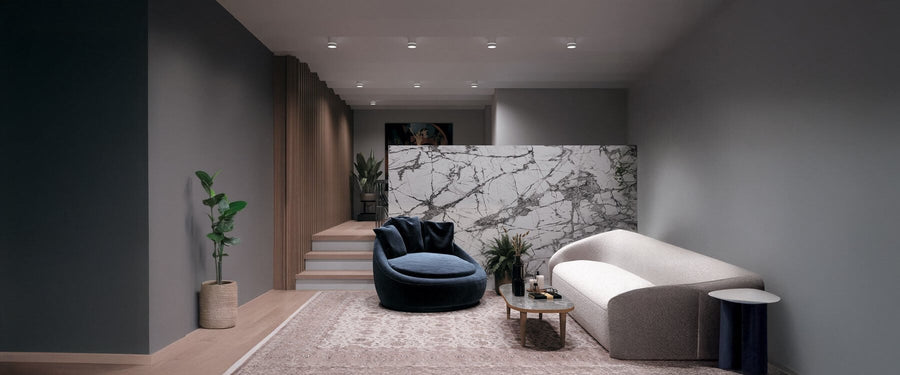
Recessed downlights for a clean, modern look
Sizing and Placement Tips
Choose a fixture diameter by adding the room’s length and width in feet, then converting to inches (e.g. a 12x15 ft room = 27-inch diameter).
Space recessed lights about 4–6 feet apart for uniform coverage.
Use dimmers to adjust brightness for different activities.
By establishing this base layer of light, ceiling fixtures make the living room feel open and functional, ready for additional task and accent layers to build on top.

Statement Ambient Lighting with Living Room Chandeliers
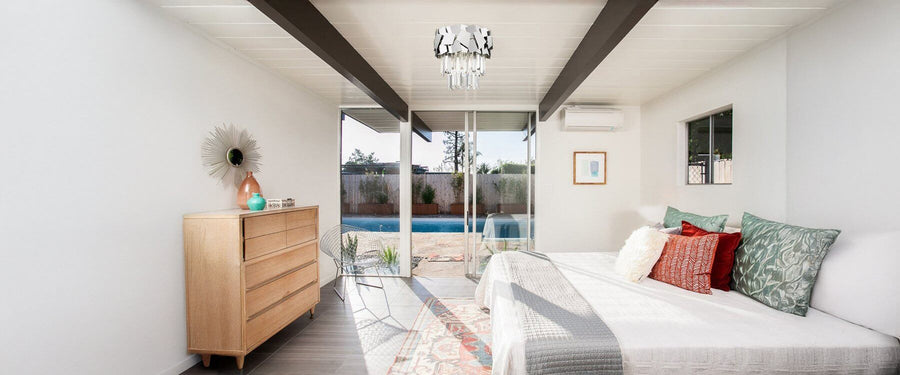
While ceiling lights provide coverage, Living Room Chandeliers deliver both ambient light and dramatic visual impact. These statement fixtures often act as the room’s centerpiece, anchoring the furniture layout and adding a layer of sophistication.
Why Chandeliers Work Well
Distribute light broadly across the space
Double as decorative focal points
Define the center of seating areas
Placement Guidelines
Hang the chandelier so the bottom sits at least 7 feet above the floor.
Choose a size about half the width of your coffee table or central rug for proportional balance.
Use dimmable bulbs to transition from bright daytime use to softer evening ambiance.
Chandeliers work especially well in open-plan living rooms where visual drama helps define zones. Paired with ceiling lights, they create a layered foundation that strengthens the overall plan for Living Room Lights.

Targeted Task Lighting with Living Room Pendant Lights
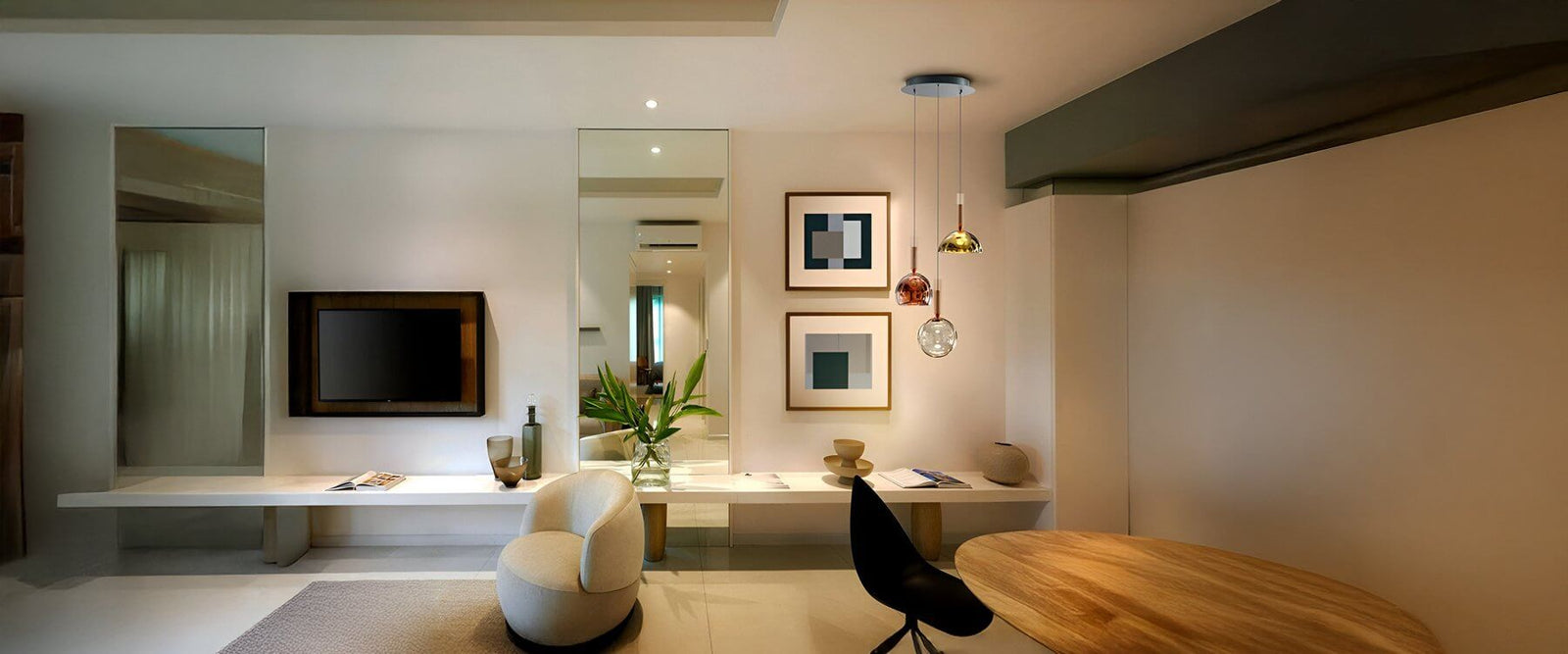
While ambient light brightens the whole room, task lighting supports specific activities like reading, crafting, or working on a laptop. Living Room Pendant Lights are excellent task fixtures because they concentrate light directly where it is needed.
Where to Use Pendants
Over coffee tables to illuminate board games or snacks
Beside armchairs to support reading corners
Above console tables for task work or décor styling
Height and Spacing Tips
Hang pendants 30–36 inches above the surface they light.
In multi-pendant arrangements, space fixtures about 24 inches apart.
Use warm white LED bulbs (2700–3000K) to prevent glare and maintain comfort.
By isolating and brightening functional zones within the living room, pendants allow ambient Living Room Lights to remain softer, supporting layered flexibility.

Supplemental Task Lighting Options
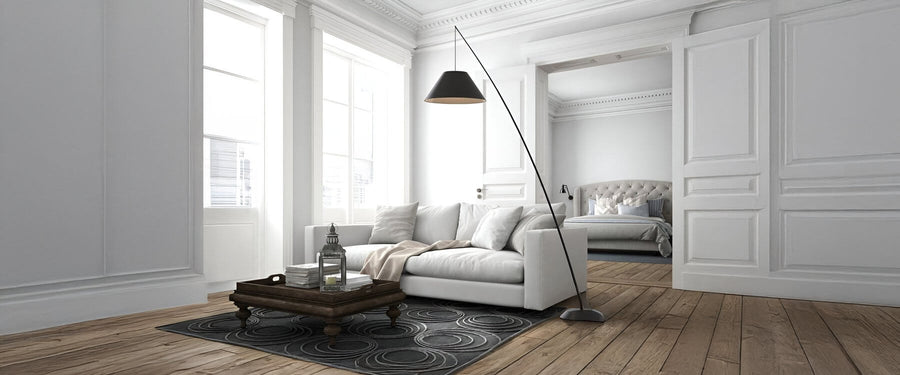
In addition to pendants, portable fixtures like floor lamps and table lamps are invaluable for task layers. Their flexibility allows you to adapt lighting to changing needs without rewiring.
Effective Task Lighting Fixtures
Floor lamps with adjustable arms for reading chairs
Swing-arm table lamps for side tables
Tripod lamps to fill dark corners
Advantages
Can be repositioned as furniture layouts evolve
Provide focused brightness without flooding the entire room
Add decorative accents in various styles and finishes
These fixtures are especially useful for creating small pools of light that complement your primary Living Room Lights.

Accent Lighting for Mood and Highlighting Features
Accent lighting adds depth and atmosphere, turning a purely functional setup into a visually rich environment. This final layer complements the main Living Room Lights by drawing attention to architectural details, artwork, or textures.
Popular Accent Options
Wall sconces to frame mirrors or art
Picture lights to highlight gallery walls
LED strip lights under shelves or behind media units
How to Use Accent Lighting
Place sconces about 60–66 inches from the floor for balanced illumination
Keep accent lights dimmer than ambient sources to avoid visual competition
Use warm, soft light (around 2700K) to maintain a relaxed mood
Accent lighting personalizes the living room and creates visual contrast, which makes the space more dynamic and inviting.

Layering Strategy for Functional Living Room Lights
To achieve the most flexible and comfortable result, blend all three layers, ambient, task, and accent, into one cohesive system.
Recommended Sequence
Start with Living Room Ceiling Lights or recessed fixtures for broad coverage.
Add Living Room Chandeliers as a statement centerpiece and ambient booster.
Incorporate Living Room Pendant Lights or portable lamps to illuminate task zones.
Finish with accent sconces or LED strips to highlight décor elements.
Extra Tips
Use dimmers on all layers for adjustable intensity.
Choose energy-efficient LEDs to reduce power consumption.
Consider smart controls to set lighting scenes for reading, TV time, or entertaining.
A layered approach ensures that Living Room Lights make the space both beautiful and highly usable.

Conclusion
Well-designed lighting can make the difference between a living room that merely looks nice and one that truly supports daily life. By layering Living Room Lights across ambient, task, and accent functions, you can create a space that works beautifully for reading, relaxing, watching TV, or hosting guests.
Living Room Ceiling Lights form the base, Living Room Chandeliers add elegance and broad coverage, and Living Room Pendant Lights target specific zones. Supporting these with floor lamps, table lamps, and accent fixtures completes the scheme. Thoughtful lighting is not just decorative, it defines how the space is used and enjoyed. With a functional, layered strategy, your living room will be both beautiful and brilliantly usable.