
Introduction
Traditional floor lamps are one of the easiest ways to change how a room feels, because they add height, warmth, and usable light without any rewiring. Knowing when to bring traditional floor lamps into a space helps you avoid flat lighting, reduce glare from ceiling fittings, and create a calmer atmosphere in the evening. We recommend thinking of them as part of a layered lighting plan: they support everyday tasks, but they also soften a room and make it feel finished.
What matters most is timing and purpose. Install the right lamp at the right moment when daylight fades earlier, when a room layout changes, or when your existing lighting no longer suits how you live and you’ll notice the improvement immediately.

What Are Traditional Floor Lamps, And What Do They Add That Other Lights Don’t?
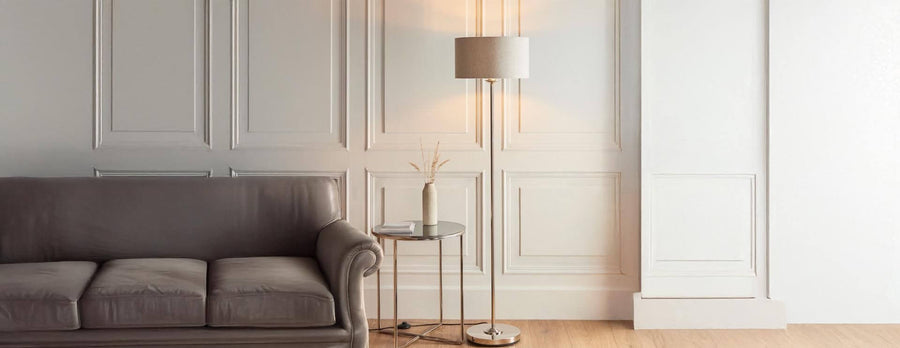
Traditional floor lamps are freestanding lamps designed with classic proportions and detailing, usually paired with fabric or glass shades that diffuse light gently. They’re built to look at home in both period properties and modern interiors that lean towards timeless styling.
They add value in three practical ways:
They create layers of light so you’re not relying on a single bright ceiling fitting.
They improve comfort by reducing harsh shadows and glare at eye level.
They make rooms feel more inviting by adding pools of warm light where you actually sit and relax.
A ceiling light can brighten a room, but it rarely makes it feel cosy. A traditional floor lamp, placed well, gives you a softer glow that suits real life reading, chatting, winding down, or simply making a space feel lived-in.

When Should You Install Traditional Floor Lamps In Your Home?
The best time to install traditional floor lamps is when your room feels either underlit or overly dependent on overhead lighting. If you find yourself turning the main light on because you “can’t see properly”, but you don’t like the mood it creates, that’s your cue.
Traditional floor lamps are particularly useful when:
You’ve rearranged furniture and a corner now feels gloomy or disconnected.
You’ve redecorated and the room looks good, but still feels cold or flat at night.
You’re using a room for more than one purpose, such as a living room that also doubles as a workspace.
You’re entering darker months and the same room suddenly feels dim by late afternoon.
They’re also a smart choice for renters or anyone who doesn’t want to add wall lights. Because they’re moveable, you can adjust them as your needs change, rather than committing to one fixed position.

When Do Traditional Floor Lamps Outperform Other Lighting Options?
Traditional floor lamps outperform other lighting when your priority is comfortable ambience with practical brightness. They deliver light at a human level near seating, beside sofas, and along the edges of a room rather than blasting light down from the ceiling.
They often outperform alternatives when:
Overhead lighting feels too stark in the evening.
Table lamps take up valuable surface space.
Wall lighting isn’t possible due to wiring, layout, or rental restrictions.
You want lighting that can adapt as the room changes.
If you want a more contemporary look in another area of the home, you might prefer modern floor lamps for sharper lines and a cleaner finish. But for warmth and a classic feel, traditional styles tend to be more forgiving and more flattering to interiors.

When Are Traditional Floor Lamps Most Useful During The Day?
Traditional floor lamps are most useful during the day in rooms with uneven natural light particularly north-facing spaces, rooms shaded by trees, or areas with deep alcoves. They’re not only for night-time: a gentle lamp glow can make a room feel more balanced and reduce the “bright window, dark corner” effect.
They help most during the day when:
You work from home and need softer background lighting.
A room feels dull on overcast afternoons.
You want consistent brightness without turning on every light.
A good rule is simple: if you’re squinting, getting headaches, or constantly chasing the best seat near the window, a well-placed floor lamp will make daytime living more comfortable.

Seasonal Uses For Traditional Floor Lamps: When Do They Work Best?
Traditional floor lamps come into their own when the seasons change and daylight becomes unpredictable. They’re a practical response to darker evenings, but they also help your home feel more welcoming in colder months.
Autumn and winter
Traditional floor lamps are best in autumn and winter because they create a warm, layered glow that suits longer evenings.
Place one beside the sofa for relaxed lighting after work.
Use one in a hallway corner to remove shadows and make the space feel safer.
Add one to a dining area to soften the room after meals when the overhead light feels too bright.
Spring
Traditional floor lamps work well in spring because daylight changes quickly, and you often need “top-up” light rather than full brightness.
Keep a lamp near a reading chair for mornings that start grey and brighten later.
Use it to warm up rooms that still feel cool in the evenings.
Summer
Traditional floor lamps remain useful in summer because evenings can be long, but you still want gentle light as it gets late.
Use them for softer lighting during relaxed evenings.
Choose bulbs that create warmth without feeling heavy.
If your home leans towards bolder, raw finishes exposed brick, concrete, or darker metals you may find industrial floor lamps fit that seasonal mood better in certain rooms. Traditional designs, however, remain the most adaptable across the year.

When Should Traditional Floor Lamps Be Used To Improve Overall Brightness?
Traditional floor lamps should be used to improve brightness when you treat them as part of a lighting mix, not as a single solution. One lamp can lift a corner; two can balance a larger room; paired lighting can make a space feel evenly lit without looking over-bright.
For better overall brightness:
Choose a shade that allows light through, rather than a heavily lined or dark shade.
Place the lamp so it spreads light across seating areas, not behind tall furniture.
Combine it with other softer sources so the whole room feels even.
A traditional floor lamp with a well-designed shade can brighten a space more effectively than you might expect, because the light is directed where you need it rather than wasted on the ceiling.

Step-by-Step: When And How To Introduce Traditional Floor Lamps Into A Room
The easiest way to get the right result is to introduce traditional floor lamps with intention, especially if you’re using them to improve both mood and brightness.
Identify what’s missing
Look at the room at the time you use it most. If it feels gloomy at 7pm, assess it at 7pm, not at midday.Pick the key purpose
Decide whether the lamp is mainly for ambience, reading, or filling a dark corner. You can get a lamp that does all three, but clarity helps you place it correctly.Choose the right position
Place it near seating, angled to spread light across the room. Avoid pushing it behind the sofa where the shade is blocked.Select a suitable bulb
Warm-toned bulbs suit traditional styles best and make faces and furnishings look softer. If you need more brightness, increase the lumen output rather than choosing a cooler colour.Test the room’s balance
Turn on your existing lights with the floor lamp. If the room feels calm and even, you’ve got it right. If one corner still looks harsh or dark, adjust placement by small steps.Lock in the final styling
Once placement is correct, style around it. A lamp beside a side table, an armchair, or a small bookcase tends to look natural rather than forced.

When To Replace Outdated Traditional Floor Lamps?
Traditional floor lamps should be replaced when they no longer feel safe, functional, or suited to your room. People often keep an old lamp because it “still works”, but lighting that works poorly can drag down the look and comfort of a space.
Replace an older lamp if:
The wiring is unreliable, switches feel loose, or the lamp overheats.
The shade has yellowed, smells stale, or blocks too much light.
The scale looks wrong too short beside modern seating or too bulky in a smaller room.
It can’t accommodate the bulbs you prefer for brightness and warmth.
If you love decorative shades and want a statement piece, tiffany lighting can be a beautiful upgrade in a reading corner or traditional lounge, offering colour and character as well as light.

When Do People Get Traditional Floor Lamps Wrong?
Traditional floor lamps are simple to use, but common mistakes can stop them from doing their job. Most problems come down to expecting one lamp to solve every lighting issue, or placing it where it looks nice but doesn’t actually light the space properly.
Common mistakes include:
Putting the lamp behind furniture so the shade is blocked.
Using a shade that’s too dark, which reduces brightness.
Choosing a bulb that’s too cool, making the light feel harsh.
Relying on one lamp in a large room and wondering why it still feels dim.
Placing it too close to a TV, causing reflections and eye strain.
A well-placed lamp should make the room feel calmer and clearer at the same time. If it only looks decorative, you may need to change the bulb, shade, or position.

When Should You Prioritise A Traditional Floor Lamp Instead Of Redecorating?
You should prioritise a traditional floor lamp when a room looks fine in daylight but feels unwelcoming at night. Lighting changes the mood of a space faster than paint, cushions, or artwork because it affects everything you see.
Choose lighting first when:
You avoid using a room after dark because it feels unpleasant.
You rely on the ceiling light and dislike the atmosphere it creates.
Your décor feels “unfinished” despite being tidy and well styled.
You want a noticeable improvement without major expense or disruption.
Even a small change adding a lamp beside the sofa can make a room feel warmer and more balanced, which often reduces the urge to change everything else.

Conclusion
Traditional floor lamps are at their best when you use them to add warmth, comfort, and layered brightness exactly where daily life happens. Install them when overhead lighting feels harsh, when daylight is uneven, or when seasonal changes make your home feel dim earlier in the day. Place them near seating to support relaxation and reading, choose shades and bulbs that spread light gently, and don’t hesitate to replace outdated lamps that no longer look right or work reliably. Well-crafted traditional designs from diyas show how thoughtful timing and placement can make a room feel calmer, brighter, and more complete.