
Introduction
Tiffany Lighting is experiencing a powerful resurgence in 2025, and it’s not just a nostalgic nod to Art Nouveau. Today’s interiors are embracing stained glass with fresh eyes, using these intricate, color-rich pieces to add mood, depth, and artistic contrast in a variety of spaces. Whether in jewel -toned dens or minimal studios craving texture, Tiffany Lighting is proving itself not just timeless, but timely. This year’s top interior trends offer bold new contexts for a classic form, blending old-world craftsmanship with the eclecticism of now.
Key Takeaways
- Hang a Tiffany chandelier as the single focal point in a deep, richly painted dining room.
- Pair leaf or botanical glass motifs with rattan, clay, and reclaimed wood for biophilic rooms.
- Use warm LED bulbs (2700K) so amber and topaz glass keeps its painterly glow.
- Put mosaic table lamps on walnut or sideboards as color accents, not primary light.
- Fit a dimmer to control glare, since stained-glass shades cast bright, directional pools.
In this trend report, we’ll explore five design - forward ways to use Tiffany Lights in 2025: from sculptural showpieces to earthy anchors in biophilic rooms. Expect detailed styling tips, secondary lighting recommendations like pendant lights and table lamps, and examples rooted in real-world aesthetics. Let’s reframe stained glass for the spaces of today.

Tiffany Lighting in Color-Soaked Interiors
Saturated color is back with force, think emerald green walls, cobalt sofas, and deep burgundy accents. In these bold environments, Tiffany Light does more than match; it enhances. The interplay between richly pigmented glass and deep-toned backdrops creates visual layering that feels theatrical and curated.
One popular approach in 2025 is to use a Tiffany chandelier as a focal point in a richly painted dining room. A ceiling fixture in sapphire, amber, and jade cuts through moody hues with gemstone brilliance, balancing drama with warmth. In living rooms, designers are pairing stained-glass pendant lights with velvet upholstery in coordinating jewel tones for a luxe, maximalist vibe.
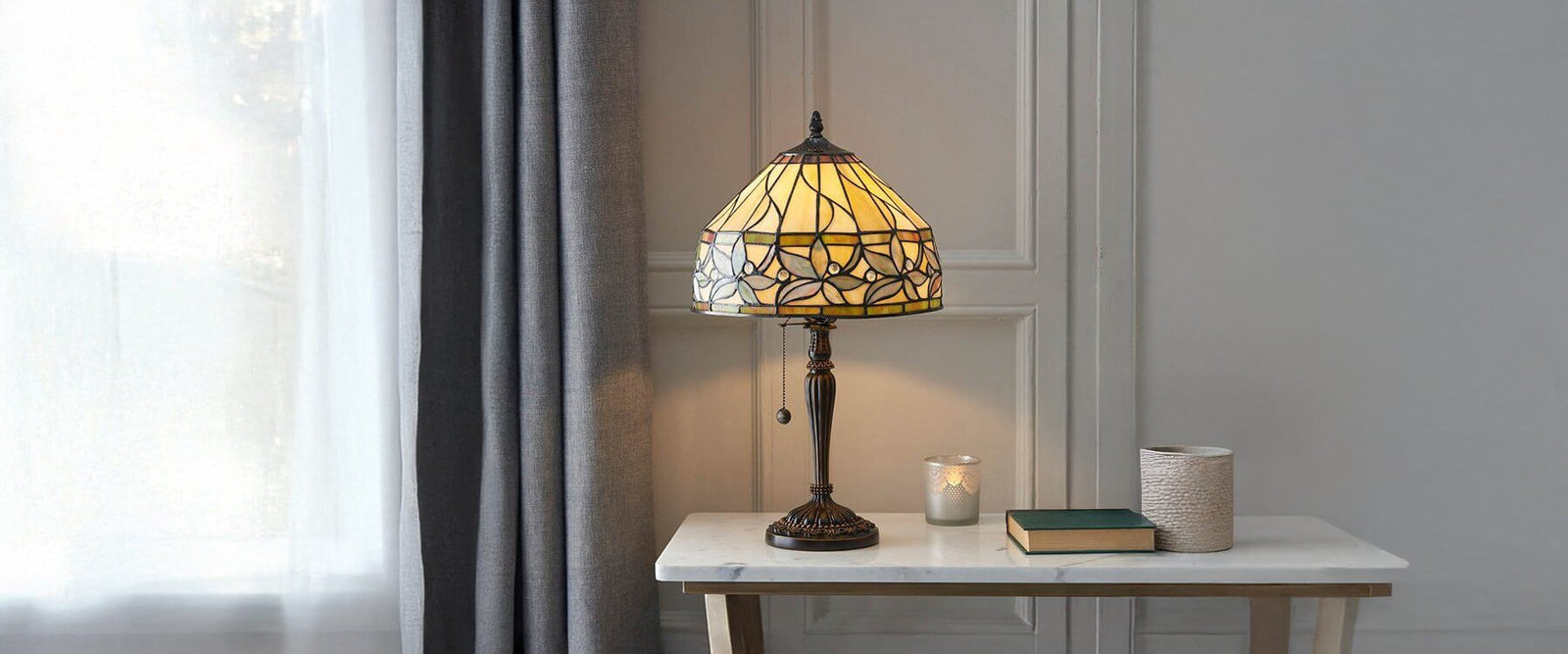
Table lamps with mosaic glass shades, especially in ruby and amethyst, are trending as accents on walnut sideboards or built-in shelving. The light they cast is painterly, softening dense color palettes while adding movement and dimension.

Tiffany Lighting in Earthy, Organic Rooms
The biophilic design movement is still strong in 2025, and earthy interiors, filled with natural textures, muted palettes, and artisanal touches, are the perfect canvas for Tiffany Lights. When stained glass is designed with motifs like dragonflies, vines, and botanicals, it echoes the larger theme of nature-infused decor.
In kitchens with terracotta walls and limewashed cabinets, a Tiffany pendant light with leaf-patterned glass and a weathered bronze frame becomes a grounded focal point. The warmth of the glass complements organic materials like rattan, clay, and stone. In living areas, table lamps with olive and amber glass shades sit beautifully on reclaimed wood consoles, reinforcing the space’s natural rhythm.
Use chandeliers with vine or floral patterns in entryways or over rustic dining tables to bridge the gap between old-world craft and modern sustainability. The artisanal appeal of these pieces speaks to the growing interest in slow design and the handmade.

Tiffany Lighting for Sculptural Impact
In 2025, Tiffany Lighting is not just decorative, it’s sculptural. Designers are placing greater emphasis on form, treating lamp bases and stained-glass shades as artistic objects that command attention even when the lights are off.
The best examples of this approach can be found in pared-back, neutral interiors where a single Tiffany fixture adds definition. A geometric table lamp with a copper-clad base and crisp, angular glasswork becomes a statement on a minimalist console. Or consider a dramatic Tiffany chandelier composed of sharp fan-like elements and blackened metal, suspended in a monochrome dining room, it becomes the room’s visual core.
These sculptural fixtures pair especially well with gallery-style spaces that favor fewer, bolder objects. They read less as vintage and more as curated installations, an ideal option for homeowners seeking unique statement lighting without visual clutter.
Tiffany Lighting with Vintage-Industrial Edge
One of the most compelling design pairings this year is the fusion of vintage elements with industrial style. Think exposed beams, ironwork, leather upholstery, and right in the mix, Tiffany Lights. The contrast between stained glass and raw finishes creates a layered, lived-in elegance.
In lofts or converted warehouses, Tiffany pendant lights with iron chain suspension and dark patina frames hold their own against steel-framed windows and concrete surfaces. The warmth of the glass softens the harder architectural materials and brings a handmade counterpoint to the precision of industrial form.
For a reading nook or office, opt for a bronze table lamp with a warm ochre and green shade to accompany a distressed leather chair and matte-black bookshelves. Chandeliers with smoky stained-glass tones - topaz, slate, tobacco, are perfect over reclaimed wood dining tables, bridging the gap between eras without disrupting the industrial bones of the space.

Tiffany Lighting in Layered Eclectic Spaces
Eclecticism thrives on unexpected harmony, and Tiffany Lighting fits seamlessly into this layered design style. In homes where pattern mixing, vintage finds, and global textures coexist, stained-glass lighting becomes a unifying force - adding rhythm and repetition through color, shape, and craft.
In 2025, designers are styling Tiffany chandeliers above patterned rugs and maximalist seating areas, letting the glass hues mirror tones found in pillows, wall art, or ceramics. A mosaic lamp on a stacked bookshelf adds a subtle echo of color that pulls the whole scene together.
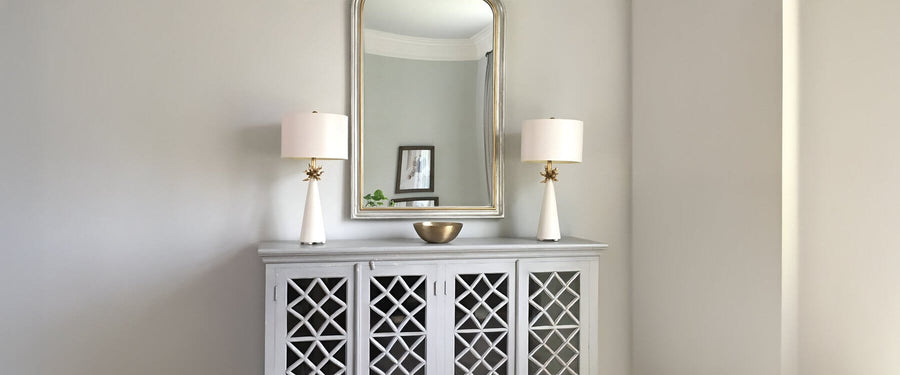
Layering is key. In hallway consoles styled with antique mirrors, handmade vases, and bold wallpaper, a Tiffany table lamp can add both functional glow and visual punctuation. The way the light plays across pattern-rich walls and mixed materials creates an immersive, gallery-like atmosphere.
Eclectic rooms thrive when every piece adds a chapter to the story. Tiffany Lighting, with its historic roots and artisanal detail, speaks volumes.

Conclusion
Tiffany Lighting is more than a design throwback - it’s a modern styling tool with timeless impact. In 2025, its handcrafted detail and radiant colorways feel more relevant than ever, whether used to ground organic rooms, punch up color-rich interiors, or anchor sculptural spaces. From pendant lights to table lamps and chandeliers, these fixtures bring a richness and intentionality that today’s interiors crave.
Explore our curated collection of Tiffany Lighting - pendant lights, table lamps, and chandeliers - to bring these 2025 trends home. Whether your style leans eclectic, industrial, or organic, there’s a stained-glass piece waiting to become the heart of your space.