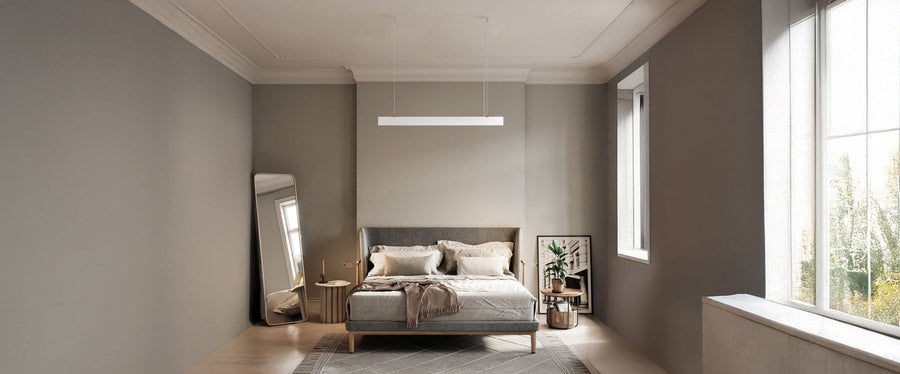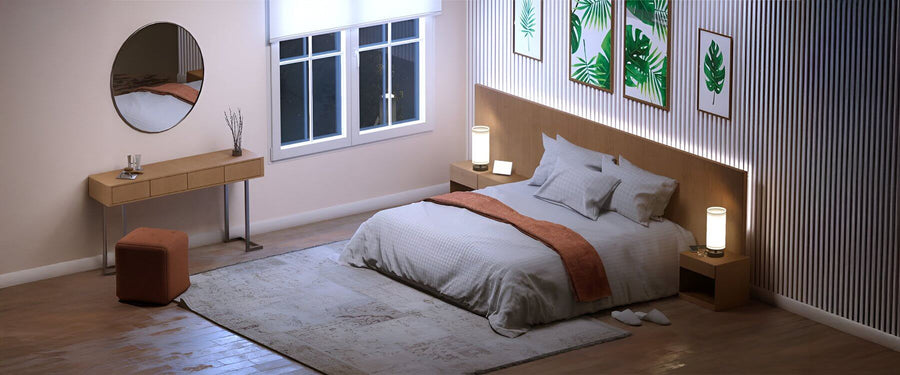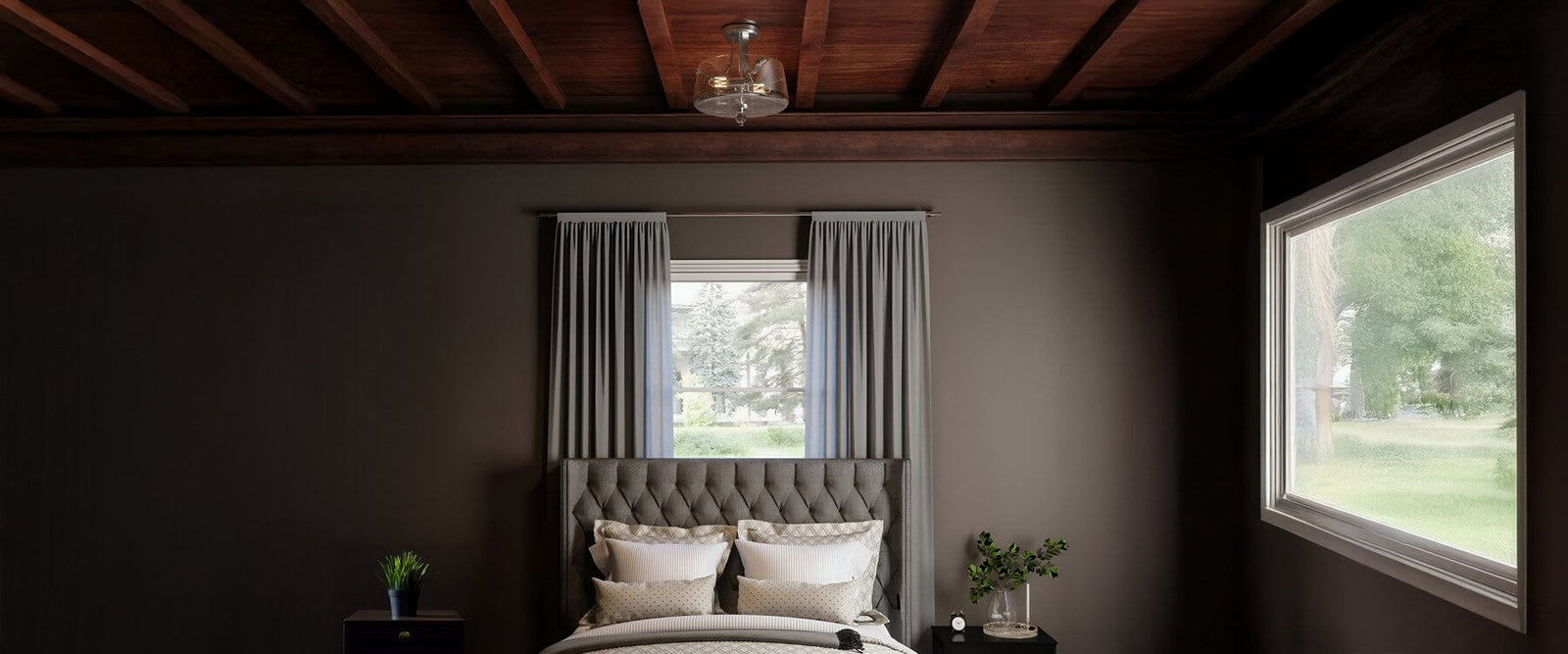

Introduction
Lighting is one of the most important design elements in any home, and this is especially true in the bedroom. The right bedroom lights not only make the space functional but also define its comfort and ambiance. From bright illumination that supports daily routines to softer accents that encourage relaxation, lighting sets the tone for how the room feels and how it is used. Choosing wisely ensures your bedroom is both stylish and practical. This step-by-step guide will help you understand how to select, install, and style bedroom lights so you can create a space that feels welcoming, restful, and perfectly tailored to your needs.

Step 1: Assess Ambient vs. Task Light
Before choosing fixtures, it is essential to understand the three main categories of lighting that every bedroom needs.
Ambient Lighting: This is the overall illumination of the room, usually provided by ceiling lights, chandeliers, or flush mounts. It sets the general brightness level and ensures the entire space feels balanced.
Task Lighting: These are focused sources that support specific activities, such as reading in bed, applying makeup, or working at a desk. Bedside lamps, wall sconces, or adjustable floor lamps are common task lighting choices.
Accent Lighting: This category adds depth and atmosphere. Accent lights can highlight artwork, architectural details, or simply create a cozy glow. LED strip lights behind a headboard or wall lights flanking the bed are good examples.
Bedrooms benefit from a mix of all three. Relying only on a ceiling fixture may leave the room feeling flat, while too much accent lighting can make it impractical for everyday tasks. Assessing how the room is used - whether for reading, dressing, or simply resting - will determine the balance of bedroom lights needed.

Step 2: Choose the Right Fixtures
Once you understand the types of light required, the next step is selecting the right fixtures. Each option brings a unique quality to the room:
-
Bedside Lamps
The most popular form of task lighting.
Provide targeted illumination for reading while enhancing overall style.
Matching lamps on either side of the bed create symmetry.
Mismatched designs can add personality and character.

-
A modern alternative to table lamps.
Hung from the ceiling at either side of the bed, freeing up nightstand space.
Create a sleek, contemporary look.
Can also be placed above a reading chair or dressing area for versatility.
-
Chandeliers
Perfect for making a bold statement in the bedroom.
Crystal chandeliers work in traditional interiors.
Minimalist metal or fabric shades suit modern décor.
Provide ambient light while serving as a striking focal point.
-
Flush or semi-flush ceiling fixtures are ideal for general illumination.
Especially practical in bedrooms with lower ceilings.
Distribute light evenly across the room.
Can be styled to coordinate with overall décor.

-
Floor Lamps
Offer flexibility since they can be repositioned as needed.
Slim arc designs cast light over a reading nook.
Tripod lamps add a decorative element while filling empty corners.
-
Excellent for both task and accent lighting.
Installed beside the bed to save space and provide targeted light.
Mounted higher to highlight architectural features or create a relaxing glow.
By combining these different fixture types, homeowners can achieve a layered lighting scheme that balances function and style, ensuring the bedroom is both practical and inviting.

Step 3: Plan Placement and Proportions
Even the most beautiful fixtures will not look right if they are poorly placed. Proper placement and proportion are crucial when styling bedroom lights.
Bedside Lamps: The bottom of the lampshade should sit roughly at shoulder height when you are seated in bed. This ensures the light is effective for reading without creating glare.
Pendant Lights: If used as bedside lighting, pendants should hang 28 to 36 inches above the nightstand. This maintains balance and prevents the lights from obstructing movement.
Chandeliers: For rooms with higher ceilings, position chandeliers at least seven feet from the floor. If hung above a bed, ensure they are high enough not to interfere with movement while still offering visual impact.
Floor Lamps: Place them in corners or near seating areas, ensuring they do not block pathways.
Wall Sconces: Mount sconces about 60 inches from the floor, ideally positioned so light falls slightly above shoulder level when sitting or lying in bed.
Proportion matters as much as placement. Oversized fixtures can overwhelm smaller rooms, while lights that are too small may appear insignificant. Choose sizes that complement the scale of the furniture and room dimensions.

Step 4: Layer Bedroom Lights for Comfort
A well-designed bedroom rarely relies on a single source of light. Instead, layering multiple bedroom lights creates depth, functionality, and ambiance.
Base Layer (Ambient): Use ceiling fixtures or chandeliers to establish general brightness.
Task Layer: Add bedside lamps, pendants, or wall sconces to provide direct illumination for specific activities like reading or working.
Accent Layer: Introduce wall lights, LED strips, or decorative lamps to add mood and highlight details.
For example, a typical layered bedroom might include a flush ceiling light for daily use, pendant lights above nightstands for reading, and wall sconces to create a relaxing evening glow. This combination ensures flexibility, allowing you to adjust lighting levels depending on the activity.
Layering also allows you to experiment with different finishes and textures, mixing metal, fabric, and glass for visual variety while still maintaining a cohesive look.

Step 5: Adapt to Modern Technology
Lighting technology has advanced significantly, and modern bedrooms can benefit from these improvements. Updating bedroom lights with smart features not only enhances convenience but also contributes to energy efficiency.
Smart Bulbs: Controlled by apps or voice assistants, smart bulbs allow you to adjust brightness and color temperature with ease. Warm light settings are ideal for relaxation, while brighter tones support morning routines.
Dimmers: Adding dimmer switches offers flexibility, making it easy to switch from bright illumination to a soft evening glow.
LED Integration: LEDs are long-lasting, energy-efficient, and available in a wide range of styles. Integrated LED fixtures are sleek and modern, eliminating the need for traditional bulbs.
Motion Sensors: In walk-in closets or en-suite bathrooms, motion-activated lights add convenience while saving energy.
By embracing these adaptations, homeowners can ensure their bedroom lights meet both functional and environmental needs without compromising on style.

Conclusion
Choosing the right bedroom lights is a step-by-step process that balances practicality with design. Start by assessing your ambient, task, and accent needs, then choose fixtures that suit your space, style, and habits. Plan placement carefully to ensure proper proportion, and layer different light sources for maximum comfort and flexibility. Finally, adapt to modern technology with smart solutions and energy-efficient options.
When styled thoughtfully, bedroom lights do more than illuminate a room - they create atmosphere, enhance relaxation, and support the way you live.