
Introduction
Lighting does far more than illuminate a room, it sets the emotional tone for everything you do there. Nowhere is this more crucial than in the bedroom, where the right bedroom lights can transform how you relax, recharge, and fall asleep. Poorly chosen fixtures can keep you overstimulated long past bedtime, while warm, thoughtfully layered lighting encourages your body to slow down and rest.
Thoughtfully designed bedroom lights don’t just improve the appearance of your space; they shape your emotional comfort and your sleep quality. With a few strategic choices, you can turn a bedroom from a purely functional room into a relaxing retreat. This guide explores lighting strategies that support rest, enhance mood, and elevate the atmosphere.

Soft Ambient Lighting for Relaxation
Ambient lighting is the base layer of any bedroom scheme. It fills the room with an overall glow that makes the space feel cohesive, but without the intensity of task lighting.
How to Achieve It
Install ceiling fixtures with diffused or frosted shades to soften glare.
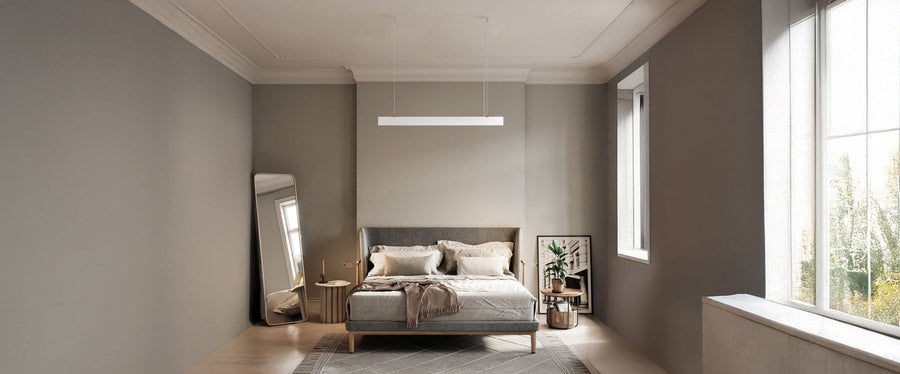
Choose pendant lights hung high, with wide shades to spread a gentle wash of light.
Use warm-toned LED bulbs (2700K or lower) to mimic the soothing warmth of sunset.
Add dimmer switches to smoothly transition from day to night levels.
Why It Matters
Helps reduce visual tension by removing harsh shadows.
Creates a comforting base light level that allows your eyes to relax.
Supports your body’s natural shift from alertness to restfulness.
Starting with a gentle ambient layer allows your bedroom lights to shape the entire mood of the space before any accent or task lighting is added.

Bedside Lighting for Wind-Down Routines
Bedside lighting is deeply personal, it frames your last moments of the day. These smaller, focused light sources are crucial for relaxation rituals like reading, journaling, or simply lying back and decompressing.
Best Options
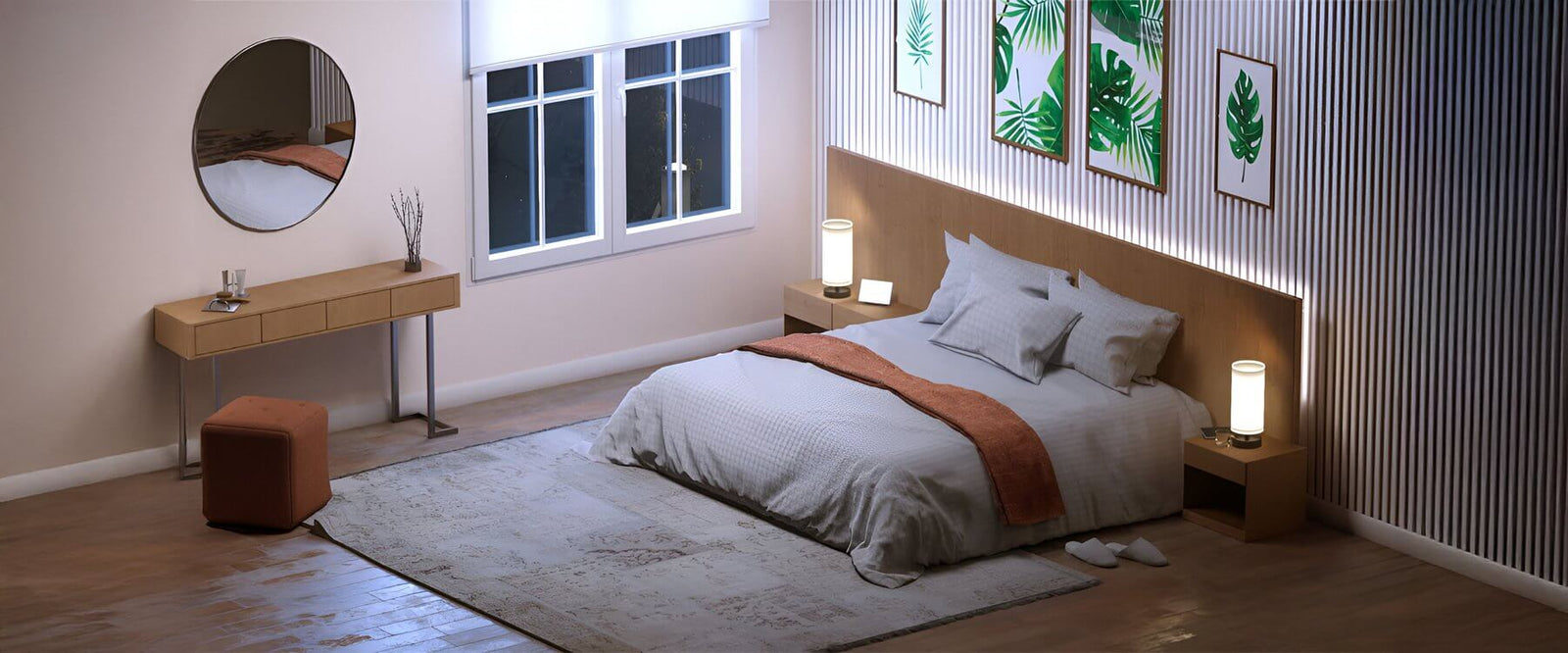
Table lamps that diffuse brightness softly.
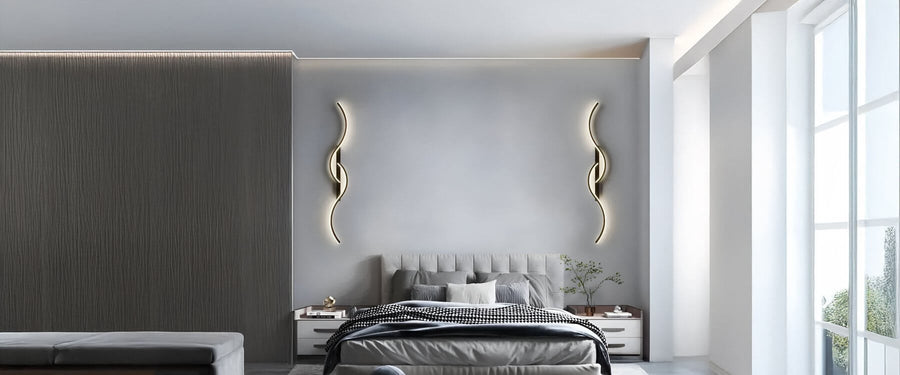
Swing-arm wall sconces that provide targeted light without cluttering the nightstand.
Dimmable bedside lamps that can fade from bright task levels to a subtle glow.
Placement Tips
Keep the bottom of the lampshade around eye level when seated in bed.
Use identical lamps on each side to promote visual harmony and balance.
Place sconces about 6–8 inches above shoulder level for a cozy downlight effect.
These warm pools of light support the transition from active to restful, making bedside lighting one of the most emotionally impactful elements of your bedroom lights plan.

Accent Lighting to Enhance Mood
Accent lighting is what adds soul to the bedroom. It creates visual depth, highlights design features, and helps build an atmosphere that supports mental calm.
Ideas to Try
Install LED strip lights behind the headboard to cast a subtle halo glow.
Place low-level lighting under the bed frame to create a floating effect.
Use mini spotlights to highlight art, textured walls, or plants.
Try plug-in picture lights to illuminate framed prints with a warm tone.
Benefits
Provides visual depth that makes the room feel more serene and layered.
Keeps central areas darker to support melatonin production.
Adds soft decorative highlights without interrupting your night vision.
Accent fixtures are not about visibility, they are about atmosphere. Used sparingly, they enhance your bedroom lights without overpowering the restful tone.

Color Temperature and Light Quality
The color and quality of light are just as important as the quantity. Bright, cool light (4000K+) is stimulating and best left to task zones like closets, while warm light (2700K or lower) encourages melatonin production and relaxation.
Guidelines
Stick to warm white bulbs in all primary bedroom fixtures.
Use soft amber-toned light for night routines and reading.
Choose bulbs with a high color rendering index (CRI 90+) so textiles and skin tones appear natural.
Avoid flickering or buzzing cheap LEDs, which can cause subtle stress over time.
Shifting the light spectrum in your bedroom lights toward the warmer end is a simple, science-backed way to encourage better sleep and emotional calm.

Layering Bedroom Lights for Comfort and Versatility
Relying on a single overhead fixture often results in a flat, uninviting space. The key is layering, combining different light sources at different levels to create depth, flexibility, and balance.
Step-by-Step Layering Plan
Ambient Layer: Start with ceiling lights or a central pendant to establish soft, general illumination.
Task Layer: Add bedside lamps or sconces to provide focused brightness for reading or other wind-down activities.
Accent Layer: Introduce LED strips, backlights, or decorative wall lights for visual depth and mood-setting.
Practical Tips
Install dimmers on each circuit to finely control light intensity.
Use smart bulbs with programmable scenes (night mode, relax mode) to automate transitions.
Choose coordinating finishes and fabrics for shades to tie the whole look together.
Position task lights close to where they are needed, while keeping accent lights indirect and subtle.
This layered approach ensures that your bedroom lights can adapt to everything from getting dressed in the morning to drifting off at night.

Supporting Better Sleep with Smart Lighting
Modern lighting technology can reinforce your natural sleep-wake cycle when used wisely. Automated controls, timers, and app-connected bulbs make it easy to maintain consistent lighting habits that promote rest.
How to Use It
Set smart bulbs to gradually dim 60 minutes before bedtime.
Schedule warm amber tones in the evening and cooler tones for morning wake-ups.
Use motion-activated low-level lights for nighttime bathroom trips to avoid harsh glare.
Pair dimmers with voice assistants or remotes so you can lower light levels from bed.
Adding these smart functions allows your bedroom lights to support not just ambiance but also healthier routines.

Aesthetic Touches That Support Calm
The physical design of light fixtures matters as much as their brightness. Visual calmness contributes to emotional calmness.
Styling Tips
Choose lamps with rounded forms or soft edges rather than sharp lines.
Use natural materials like glass or ceramic finishes.
Keep the color palette of fixtures aligned with the room’s textiles and walls.
Avoid overly shiny or reflective finishes that can create visual clutter.
These small design choices help your bedroom lights visually melt into the space, reinforcing a sense of stillness and sanctuary.

Conclusion
Lighting has the power to influence mood, reduce stress, and promote healthy sleep. By layering soft ambient light, comforting bedside lamps, and subtle accent illumination, you can turn your bedroom into a peaceful retreat. Warm color temperatures, dimmable settings, and smart automation all enhance the effect, ensuring your lighting supports your natural rhythms.
Thoughtfully planned bedroom lights create more than visual beauty, they build emotional comfort. With the right approach, your bedroom becomes a sanctuary for rest, recovery, and calm.