
Introduction
Ceiling fan lights can solve two everyday problems at once: keeping a room comfortable and making it properly usable after dark. The key is choosing a fitting that suits the space, provides the right level of brightness, and looks like it truly belongs there. When lighting is treated as an afterthought, the result is often gloomy corners, harsh glare, or a room that feels slightly “off” even when everything seems to match on paper.
From a lighting specialist’s point of view, the best fittings do three things well: they spread light evenly, deliver the right tone for the room, and work in harmony with the rest of your lighting plan. This guide explains how to make the right choice so your space feels brighter, calmer, and more welcoming every day.

What Are Ceiling Fan Lights, And What Do They Actually Do?
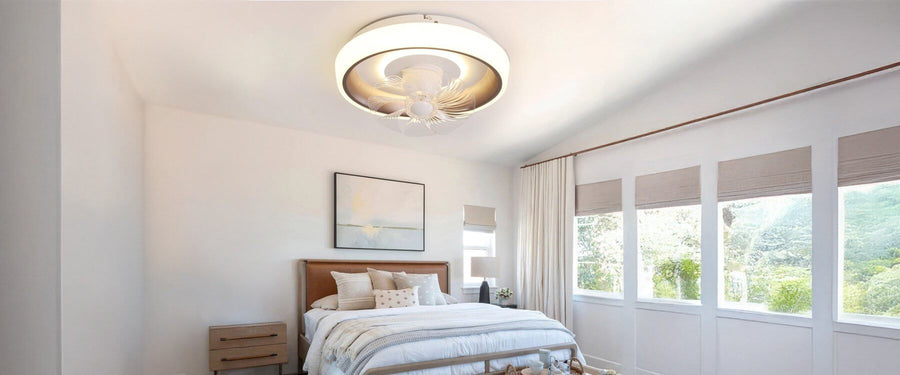
Ceiling fan lights combine a ceiling fan and a built-in light source to deliver airflow and general illumination from one central point. They’re a practical choice in rooms where you want comfort and brightness without adding extra fittings. In many homes, this single fixture becomes the main source of ambient light. That’s why the design and light output matter just as much as the fan itself.
Unlike a standard pendant that drops light into one area, the best designs spread light more evenly across the room. A well-shaped diffuser softens glare and helps push light out towards the edges. Beam spread and brightness levels also affect how open and usable the space feels in the evening. When these elements work together, the room looks more balanced and feels more comfortable to live in.

How Do You Choose Ceiling Fan Lights That Suit Your Room?
You choose ceiling fan lights best by matching brightness, light colour, and style to how the room is used. Start by thinking about what the room needs most: relaxed atmosphere, practical task lighting, or a mix of both.
Here’s what I recommend checking before you buy:
Room size and ceiling height: Larger rooms need higher lumen output; low ceilings need slim or flush styles
How the room is used: Cooking, reading, relaxing, or getting ready in the morning all need different lighting
Existing lighting: Decide if this will be your main ambient light or one part of a layered plan
Glare control: Diffusers and shades matter more than people expect
Finish and shape: The fitting should suit the room’s overall look
If you already have ceiling lights in the room, look at what you like and what you don’t. That helps you choose a fan light that improves the space rather than repeating the same problems.

How Bright Should Ceiling Fan Lights Be For Comfortable Everyday Lighting?
Ceiling fan lights should be bright enough to light the whole room evenly, without forcing you to rely on one harsh “full blast” setting. A good starting point is choosing a fitting based on lumens rather than wattage, especially with LEDs.
As a rough guide:
Bedrooms and lounges: Aim for a softer overall brightness, ideally with dimming
Kitchens and work areas: Choose a higher-lumen option to keep tasks clear and safe
Open-plan rooms: Treat the fan light as ambient lighting and support it with other layers
If you’re dealing with a room that always feels dim, don’t just pick the brightest option and hope for the best. Look for wide light spread and a good diffuser, because an overly concentrated light can feel bright directly underneath while leaving the edges underlit.

What Light Colour Makes a Room Feel Inviting?
The best light colour depends on the mood you want, but most homes feel more welcoming with warm to neutral tones. Warm white creates a softer atmosphere, while neutral white feels fresher and more practical.
A simple way to choose:
Warm white (around 2700K-3000K): Best for bedrooms and living spaces
Neutral white (around 3500K-4000K): Useful for kitchens, dining areas, and multipurpose rooms
If your ceiling fan lights will sit near downlights, try to keep the colour temperature consistent so the room doesn’t feel patchy or mismatched when everything is on together.

Which Ceiling Fan Lights Work Best In Hard-To-Light Spaces?
Ceiling fan lights are especially useful in rooms with awkward layouts, dark corners, or limited wall space for extra lighting. They can provide strong, central illumination without adding clutter.
Ideas for hard-to-light spaces:
Choose a wide, frosted diffuser to push light outwards rather than straight down
Go for higher lumen output if the room has little natural daylight
Avoid exposed bulbs in low ceilings where glare is more likely
Use pale finishes on walls and ceilings to bounce light further
Add a second lighting layer near the darkest zones if needed
A real-world example: in a narrow living room with a single central fitting, a fan light with a shallow, wide shade often improves the edges of the room more than a “spotlight-style” design.

How Do You Layer Lighting With Ceiling Fan Lights Without Overdoing It?
You layer lighting by letting ceiling fan lights provide the main ambient illumination, then adding task and accent lighting where people actually use the room. This approach avoids a flat, overlit look and gives you much more control over the mood. It also ensures no single fitting is doing all the work. The room feels calmer, more comfortable, and easier to live in.
A practical layered setup:
Ambient: The main overhead light for general brightness
Task: A reading lamp by the sofa, a desk lamp in a study corner, or under-cabinet lighting in a kitchen
Accent: Wall lights, picture lights, or soft lighting tucked behind shelves
In the evening, lowering the main light level and relying more on task and accent lighting creates a softer atmosphere. Choosing a diffuser or shade that gently spreads light also helps the space feel warm rather than stark.

What Styles Of Ceiling Fan Lights Suit Different Interiors?
Ceiling fan lights should look like a deliberate part of your room, not a compromise. You can match the design to your interior style while still getting practical performance.
Common style matches:
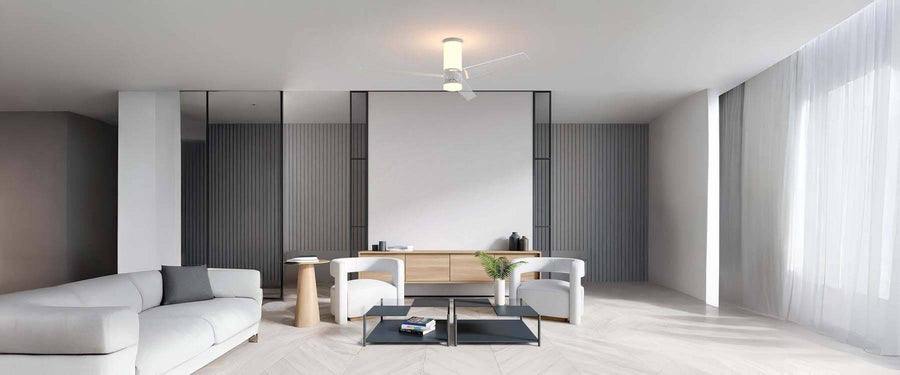
Modern homes: Slim LED panels, clean lines, matte finishes
Traditional spaces: Glass bowl shades, softer curves, warmer tones
Industrial looks: Cage styles and exposed elements (best with glare control)
Natural/coastal style: Timber accents and lighter finishes
If you prefer a minimalist look, choose a fan with an integrated light that sits close to the body. If you want a more decorative look, a shaped shade can become a feature—just make sure it still spreads light properly.

What Are The Best Ways To Install Ceiling Fan Lights Safely And Effectively?
The best ways to install ceiling fan lights are to confirm the ceiling support, position the fitting properly, and use the right controls. This is one area where cutting corners can lead to wobble, noise, or unreliable lighting.
Step-by-step: installing ceiling fan lights properly
Check ceiling support: The ceiling must support the fan’s weight and movement.
Choose the right mount: Low ceilings suit flush or “hugger” fans; higher ceilings may need a drop rod.
Position it thoughtfully: Centre it over the main activity zone, not just the centre of the ceiling.
Plan controls: Decide on wall controls, remote control, or smart control before installation.
Use a qualified electrician: Correct wiring is essential for safety and stable performance.
Test brightness and glare: Switch it on, check shadowing, and adjust settings if available.
If you’re replacing an old fitting, it’s also worth checking how the existing wiring is set up and whether it supports separate fan and light control. That one detail can make the difference between “fine” and genuinely convenient.

What Mistakes Do People Make When Choosing Ceiling Fan Lights?
The most common mistake is choosing ceiling fan lights based on appearance alone, then being disappointed by the lighting quality. The second most common is ignoring how the light works with the rest of the room.
Mistakes I see often:
Choosing a fitting that’s too dim for the room size
Picking a cool colour temperature in a relaxing space
Using a design that causes glare or harsh shadows
Forgetting to plan layered lighting, then relying on one light for everything
Installing the fan too low or without proper support, causing wobble and noise
If you want a reliable, attractive option, look for performance first lumens, diffuser design, dimming then choose the style that suits your room.

How Can Ceiling Fan Lights Make a Space Feel More Welcoming?
Ceiling fan lights make a space feel more welcoming when they provide even brightness, comfortable colour tone, and flexible control. A room feels inviting when you can move from bright and practical to soft and relaxed without changing the entire setup.
Small choices that help:
A frosted diffuser to soften the light
Dimming for evenings and early mornings
A colour temperature that suits the room’s purpose
A design finish that matches the rest of the space (for example, pairing nicely with a mantra-inspired, calm interior palette)
When the lighting feels balanced, the whole room feels easier to live in.

Quick Summary
Ceiling fan lights combine airflow and general lighting in one fitting
Choose based on lumens, diffuser style, and the room’s purpose
Warm to neutral light colours tend to feel more welcoming at home
Hard-to-light spaces benefit from wide light spread and glare control
Layering lighting avoids flat, harsh rooms and adds flexibility
Good installation and thoughtful controls improve everyday use

Conclusion
Ceiling fan lights work best when you choose them with the room in mind: the right brightness, a comfortable light colour, and a diffuser that spreads light evenly. They can improve hard-to-light spaces, support layered lighting, and make a room feel more inviting especially when paired with the right supporting lights and installed correctly. Focus on performance first, then style, and you’ll end up with a fitting that looks right, feels comfortable, and performs well for everyday living.