
Introduction
Lighting plays a defining role in how your home feels and functions, and ceiling fixtures sit at the very heart of that design equation. The right ceiling lights do more than brighten a room, they shape mood, highlight details, and bring harmony to your décor. Choosing the wrong style or placement, however, can leave even a well-designed space feeling flat or cluttered.
This guide acts as a practical, step-by-step checklist to help homeowners navigate every consideration before purchasing. From fixture types and finishes to bulb efficiency and design balance, you’ll find clear advice for creating a lighting plan that enhances comfort, aesthetics, and longevity.

Step 1: Assess Your Space and Lighting Needs
Before shopping, evaluate your space. Room size, ceiling height, and layout dictate which fixtures will perform best. Small rooms benefit from compact flush mounts, while larger or high-ceilinged areas can accommodate pendants or chandeliers.
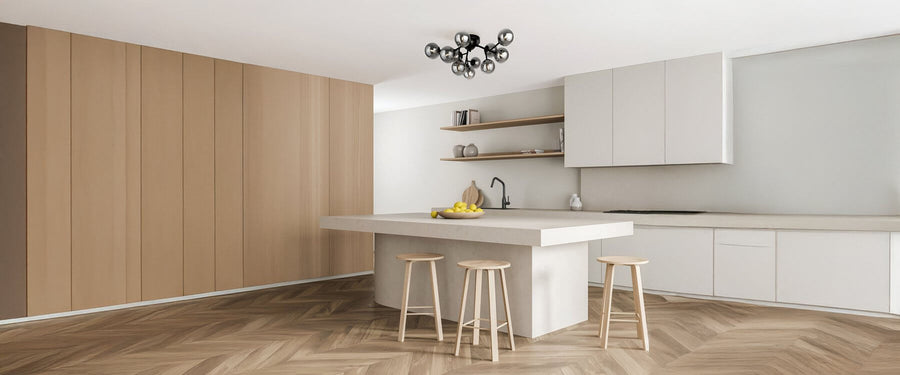
Kitchens: Combine ambient recessed lighting with pendants above islands.
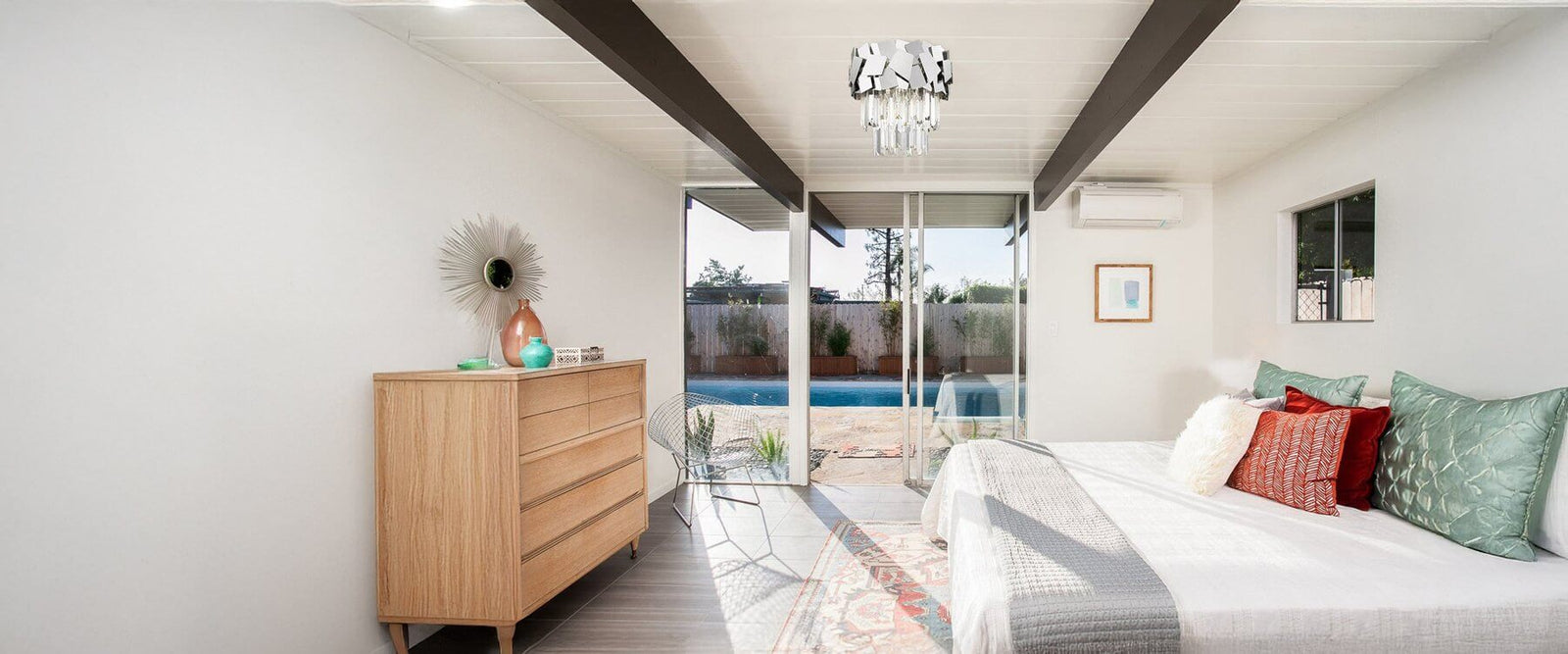
Bedrooms: Choose warm, soft light sources that promote relaxation.
Living Rooms: Mix layered lighting, ceiling fixtures paired with wall sconces and floor lamps, to create visual depth.
Always consider function first. Task-oriented spaces, such as cooking zones or reading corners, need brighter, focused illumination. Ambient areas require broader, evenly distributed light.

Step 2: Choose the Right Fixture Type
Selecting the proper fixture is the foundation of good lighting. Each style serves a specific role, and understanding those differences ensures a cohesive result.
Flush Mount Fixtures
Ideal for lower ceilings, flush mounts sit directly against the ceiling and distribute even, general light. They’re easy to maintain and suit hallways, closets, or compact bedrooms.
Semi-Flush Fixtures
These drop slightly below the ceiling, creating dimension and visual interest. They work well in dining areas and mid-height rooms where subtle style is needed without sacrificing clearance.

Step 3: Pick the Ideal Bulb Type
Bulbs directly influence brightness, energy use, and atmosphere. Understanding your options helps you strike the right balance between performance and mood.
LED Ceiling Lights
The clear winner for efficiency, LED ceiling lights consume up to 80% less power than traditional bulbs. They emit minimal heat, last over 25,000 hours, and are available in a wide range of color temperatures. Warm LEDs create inviting ambiance, while cooler tones enhance clarity in task zones.
Halogen and Incandescent Bulbs
Though still used in decorative fixtures, these older technologies are less efficient and shorter-lived. They produce warmer light but generate more heat and require frequent replacement.
For most homes, LEDs offer superior longevity and lower running costs. Consider dimmable options to fine-tune brightness levels for every occasion.

Step 4: Match Finishes and Materials
Ceiling fixtures are design statements as much as light sources. The right finish ties a space together, ensuring visual harmony across hardware, furniture, and décor.
Popular Ceiling Light Finishes:
Brushed Nickel: Subtle sheen that complements modern and transitional interiors.
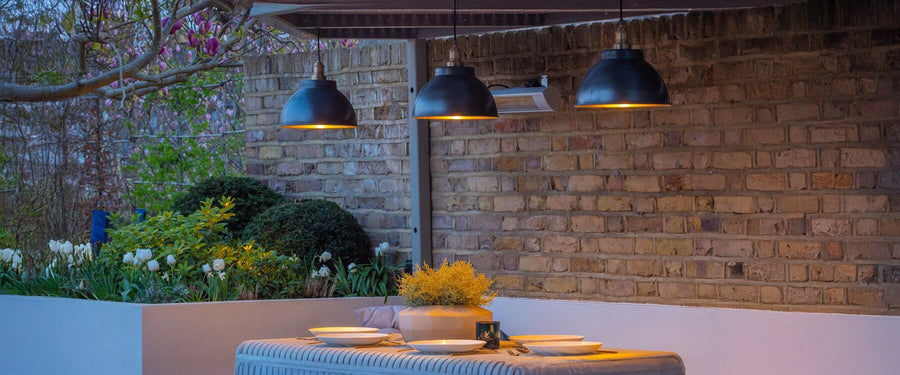
Matte Black: Bold contrast that defines minimalist or industrial spaces.
Polished Chrome: Reflective, contemporary look perfect for kitchens or bathrooms.
Aged Brass: Adds warmth and vintage sophistication to classic or eclectic rooms.
When choosing ceiling lights finishes, think about the existing tone of cabinet handles, door hardware, and other metal accents. Consistency in material and hue creates cohesion and elevates perceived quality.

Step 5: Understand Style and Aesthetics
Lighting design is both science and art. Beyond technical details, fixtures contribute to a room’s personality. Use these ceiling lights style considerations to refine your aesthetic:
Modern and Minimalist: Streamlined silhouettes with clean geometry and neutral tones.
Industrial: Exposed bulbs, dark metals, and utilitarian shapes.
Traditional: Curved arms, ornate detailing, and warm metallic finishes.
Scandinavian: Natural materials, light wood tones, and simple forms emphasizing functionality.
Choose a style that complements your architecture rather than competing with it. A modern pendant might feel misplaced in a rustic kitchen, while an ornate chandelier could overpower a minimalist bedroom.

Step 6: Balance Form with Function
Even the most beautiful light loses appeal if it fails in performance. Striking balance between form and function ensures your ceiling lights look as good as they work.
Use Dimmers and Smart Controls: Dimmable ceiling fixtures give you flexibility for cooking, dining, or relaxing. Smart bulbs add app-based or voice-controlled convenience.
Layer Lighting: Combine ceiling fixtures with wall and floor lights for balanced illumination. Ambient, task, and accent layers prevent harsh shadows and add comfort.
Consider Maintenance: Fixtures that collect dust or require complex cleaning quickly lose their appeal. Choose designs that are practical as well as decorative.
When planned thoughtfully, your lighting system adapts to multiple needs, whether you’re hosting, reading, or winding down for the evening.

Step 7: Don’t Forget Practicalities
Aesthetics matter, but so do logistics. Overlooking installation or safety details can turn a beautiful fixture into a problem.
Key Practical Checks:
Ceiling Height: Ensure fixtures hang at least 7 feet above walking areas for clearance.
Weight Limits: Verify your ceiling support can handle the fixture’s load, especially for chandeliers.
Brightness Levels: Aim for 100–150 lumens per square meter for general areas; adjust for task zones as needed.
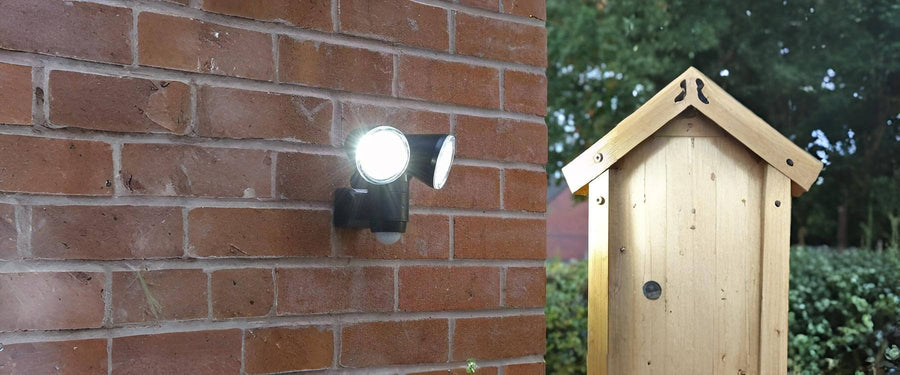
Wet Area Ratings: Bathrooms or outdoor ceilings require moisture-resistant fittings.
Electrical Compatibility: Always confirm dimmer switches or smart systems match your bulb type.
Following this ceiling light buying checklist ensures long-term safety, comfort, and satisfaction with your lighting investment.

Bonus Tips: Styling and Longevity
Layer Lighting for Depth: Combine overhead ceiling lights with wall sconces or under-cabinet strips for ambiance and function.
Clean Regularly: Dust and fingerprints dull even the best finishes; gentle wiping maintains shine.
Invest in Dimmable LEDs: These future-proof your lighting plan and reduce energy consumption.
Test Before Installation: Temporarily position fixtures or test bulb color temperatures before committing.
Think Long-Term: Modular or replaceable-component designs make updating easier without full fixture replacement.
Even small upgrades, like switching to modern, dimmable LEDs or adjusting fixture height—can breathe new life into familiar rooms.

Conclusion
Choosing the right ceiling lights is more than a design decision, it’s an investment in comfort, efficiency, and atmosphere. By following this checklist, homeowners can make confident, informed choices that blend form and function seamlessly. From selecting the ideal fixture type and finish to balancing brightness and style, every step contributes to a cohesive interior that feels intentional and welcoming.
Treat lighting as an integral part of your décor plan rather than an afterthought. The right combination of fixtures, bulbs, and finishes elevates not just how your home looks, but how it lives. With a thoughtful approach, your lighting can be as functional as it is beautiful.