
Introduction
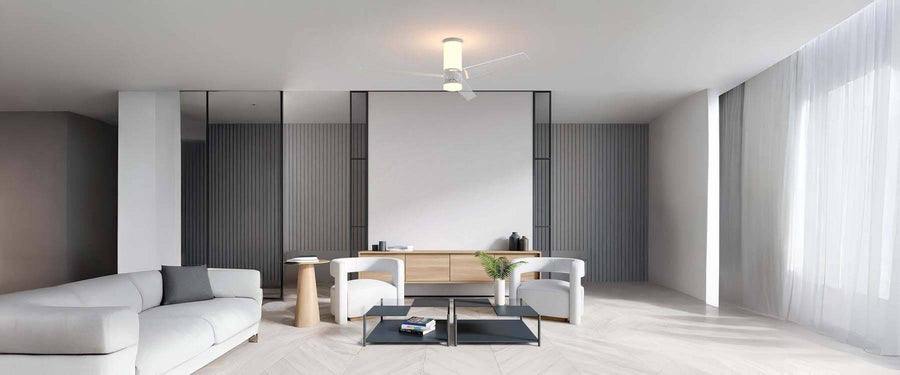
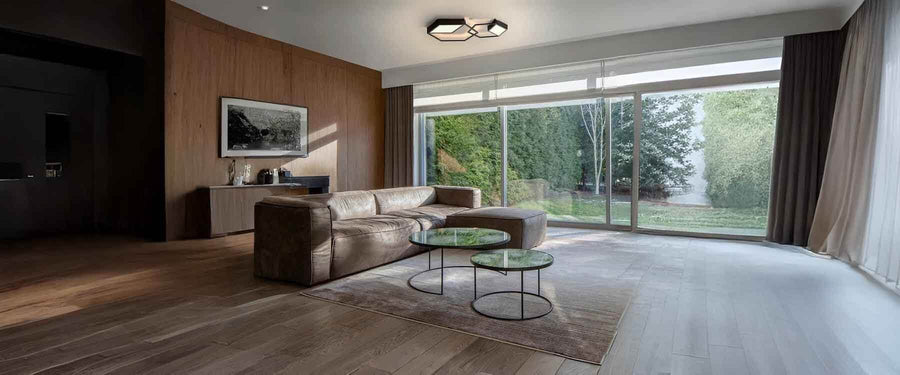
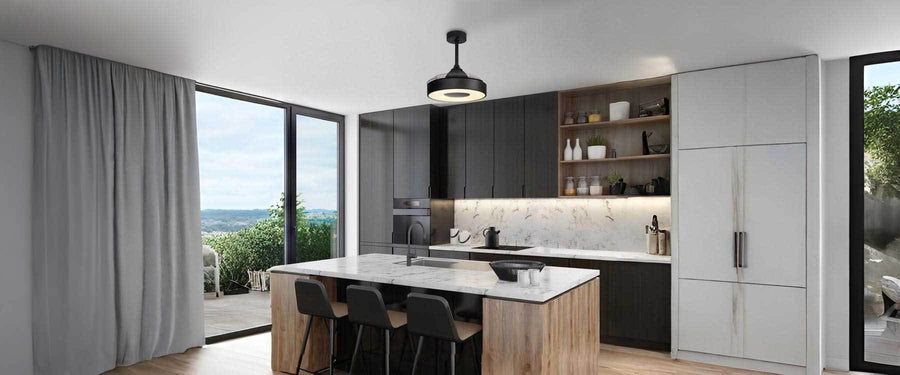
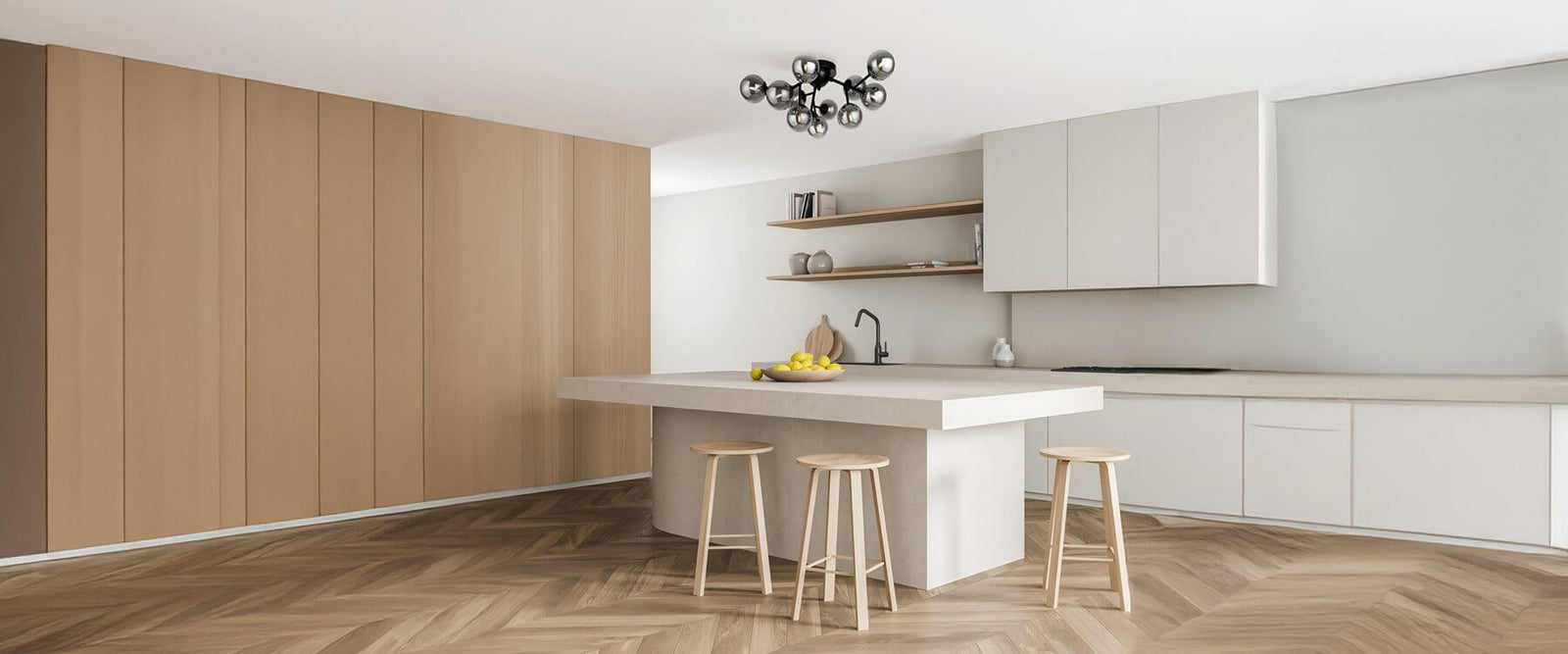
Lighting is the backbone of interior design, and the right fixtures can completely transform how a room feels and functions. Among the most important choices, ceiling lights stand out as the foundation of home illumination. They not only provide general brightness but also set the tone for the entire space, influencing mood, style, and comfort. From the practicality of recessed designs to the elegance of chandeliers, ceiling fixtures are as diverse as the rooms they serve.
Today’s homeowners and designers have an incredible array of options at their fingertips, with styles suited to compact apartments, sprawling open-plan layouts, and everything in between. This guide explores the most popular types of ceiling lights, explaining their design features, ideal placements, and how each contributes to both function and style.

Flush-Mount Ceiling Lights
Flush-mount fixtures are installed directly against the ceiling, making them a popular choice for rooms with standard or lower ceiling heights. Their compact profile prevents them from overwhelming a space while still providing ample illumination.
Key Features:
Designed to sit flush against the ceiling.
Available in round, square, or decorative forms.
Suitable for ambient lighting in smaller or medium-sized rooms.
Best Uses:
Bedrooms, hallways, closets, and bathrooms often benefit from flush-mounts, especially where vertical clearance is limited. Newer designs incorporate energy-efficient LED modules, blending modern functionality with traditional simplicity.

Semi-Flush Ceiling Lights
Semi-flush fixtures drop slightly below the ceiling, creating more depth and allowing for greater design variety. They provide a middle ground between low-profile flush mounts and dramatic hanging fixtures.
Key Features:
Typically hang 4–8 inches below the ceiling.
Offer a wider spread of light compared to flush mounts.
Available in both minimalist and decorative styles.
Best Uses:
These fixtures are excellent in living rooms, bedrooms, and kitchens where ceiling heights are moderate. Their ability to deliver both function and visual interest makes them one of the most versatile ceiling light categories.

Chandeliers
Chandeliers remain the ultimate decorative statement, evolving from their traditional crystal roots into a wide variety of modern and eclectic forms. They add instant drama and can act as focal points in almost any room.
Key Features:
Multiple arms, tiers, or suspended elements.
Materials ranging from crystal to wood, metal, and glass.
Provide both ambient and decorative lighting.
Best Uses:
Dining rooms, foyers, and living spaces are classic settings for chandeliers. In modern interiors, minimalist geometric designs or rustic farmhouse styles have become popular alternatives to traditional crystal options. When sizing, select a chandelier about half the width of your dining table for proportionate balance.

Pendant Ceiling Lights
Pendant lights combine utility with style, offering task lighting while doubling as design accents. They hang from cords or rods and often serve as focal points above islands, tables, or work zones.
Key Features:
Available as single pendants or grouped in multiples.
Wide range of materials, from metal domes to glass globes.
Provide focused downward lighting.
Best Uses:
Kitchen islands, dining tables, and reading nooks benefit most from pendants. Placement is crucial: pendants should hang 30–36 inches above the surface below. Multiples can be arranged in a row for balance and symmetry.

Recessed Ceiling Lights
Recessed lighting offers a clean, streamlined appearance. Installed within the ceiling itself, these fixtures provide general illumination without drawing attention to the fixture.
Key Features:
Set directly into the ceiling for a flush appearance.
Provide ambient or task lighting depending on placement.
Compatible with dimmers and LEDs for efficiency.
Best Uses:
Recessed lights are ideal for kitchens, bathrooms, and open-plan living rooms. They are often used in grids to evenly distribute light or in accent arrangements to highlight artwork or architectural details.

Track Lighting
Track lighting has transformed over time, moving from bulky, utilitarian systems to sleeker, more stylish designs. It consists of a track mounted to the ceiling with adjustable light heads.
Key Features:
Directional heads that can be aimed at different zones.
Can combine ambient, task, and accent lighting.
Available in modern finishes and compact designs.
Best Uses:
Home offices, art studios, and kitchens benefit from the flexibility of track lighting. It allows homeowners to change the focus of light as needed, whether on countertops, desks, or display shelves.
LED Panels & Modern Integrated Fixtures
The rise of LED technology has created slim, contemporary lighting solutions that combine efficiency with style. LED panels and integrated fixtures often feature minimalist profiles and customizable light output.
Key Features:
Built-in LEDs with long lifespans.
Options for brightness and color temperature control.
Ultra-slim designs that maximize ceiling height.
Best Uses:
Kitchens, offices, and utility rooms are ideal spaces for LED panels. They provide broad, even illumination with low energy consumption. Smart-enabled versions allow for app or voice control, bringing technology into everyday lighting.

Specialty or Decorative Ceiling Lights
For homeowners seeking something unique, specialty ceiling lights offer artistic or thematic flair. These fixtures often prioritize design impact alongside illumination.
Key Features:
Artistic shapes, sculptural forms, or thematic motifs.
Materials such as rattan, reclaimed wood, or industrial metals.
Often serve as both light source and design statement.
Best Uses:
Coastal-inspired rattan fixtures work beautifully in sunrooms, while industrial cages complement lofts and studios. Decorative ceiling lights are especially effective in bedrooms or lounges where ambiance is key.

Tips for Choosing the Right Ceiling Lights
Match the fixture to ceiling height: Flush mounts suit low ceilings, while chandeliers and pendants fit taller spaces.
Layer lighting: Combine ambient ceiling lights with task and accent fixtures for depth.
Consider proportion: Fixtures should relate to the size of the room or furniture beneath them.
Prioritize energy efficiency: Choose LED ceiling lights for longevity and reduced costs.
Think about mood: Warm tones create intimacy, while cooler light enhances focus and clarity.

Conclusion
From understated flush mounts to bold chandeliers, the world of ceiling lights offers something for every taste and layout. Each style serves a distinct purpose, whether delivering general illumination, highlighting key areas, or acting as a decorative centerpiece. Flush and semi-flush fixtures maximize space, pendants and recessed lights improve function, and specialty designs inject personality.
Ultimately, the right combination balances practicality with style, transforming your interiors into spaces that feel both functional and inspiring. Explore curated collections of ceiling lights at Niori. With thoughtful choices, ceiling fixtures can elevate your home in ways both subtle and dramatic.