
Introduction
In today’s modern homes, lighting around doors and pathways does more than brighten the dark it protects what matters and sets the tone the moment someone arrives. Smartly placed fixtures can guide guests safely to your entry, discourage unwanted visitors, and accent the details of your architecture, making evenings feel both secure and welcoming. The best security lights blends warmth with watchfulness, using clean designs, subtle tech, and just enough contrast to add curb appeal without feeling harsh.
This guide shares straightforward placement ideas to help you choose fixtures that suit your home’s style, combine different looks with ease, and create a balanced exterior layout. You’ll also find tips on selecting bulbs, using controls like motion sensors or timers, and keeping everything well-maintained so your lighting stays calm, consistent, and cohesive year-round.

Classic Security Lighting: Details, Materials, and Mood
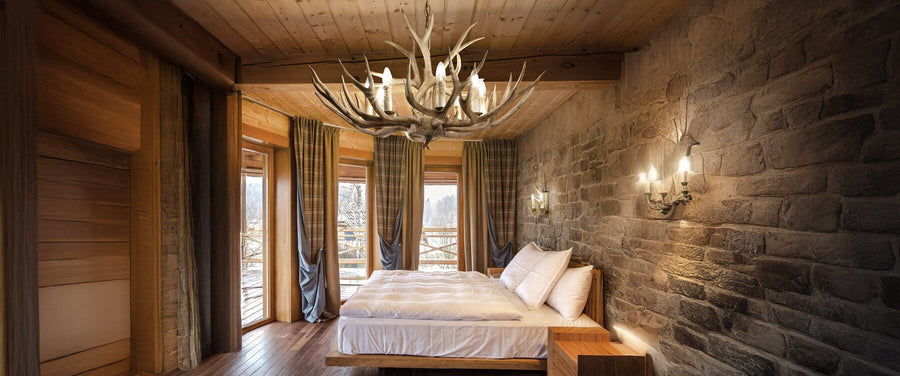
Classic security lights often echo heritage lanterns and period architecture. Rather than fading into the background, they add character with sculptural forms and solid detailing.
Look for these design cues:
Ornate bases and arms inspired by wrought iron gates or old street lamps.
Rich finishes like burnished brass, oil-rubbed bronze, or antique nickel.
Textured glass and shades that soften glare, such as bevelled, stained, or seeded glass.
Timeless silhouettes, including carriage lanterns, coach lights, and pillar-mounted posts.
Materials set the mood. Brass and bronze feel weighty and traditional, ceramic bases echo handmade tile or pottery, and stained glass adds a small jewel-like glow. They sit naturally on brick façades, sheltered porches, and planted garden paths.
For a front entry, consider an outdoor security lights design that pairs a decorative backplate with softly textured glass. It frames the door like jewellery while still giving safe light for keys and steps. Brick lights along low walls or risers can continue that glow along the approach.

Modern Exterior Fixtures: Clean Lines and Smart Control
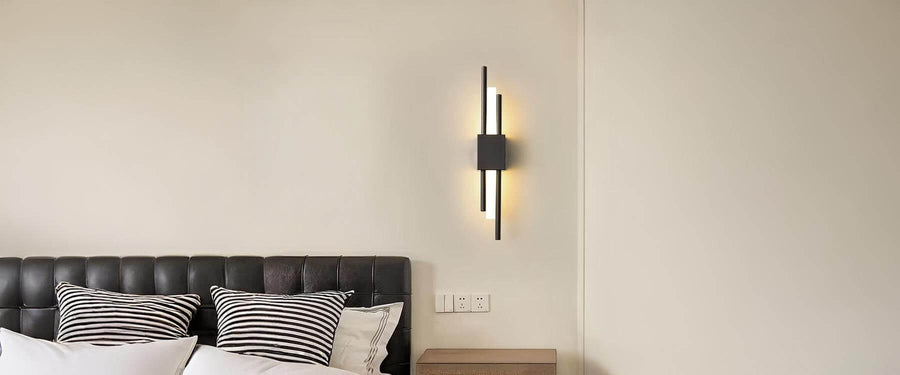
On the modern side, security lights are stripped back so simplicity leads. Instead of scrolls and filigree, you see slim profiles, clear geometry, and neat joints. These fittings almost vanish by day and create precise beams or washes of light after dark.
Hallmarks of modern fittings include:
Sleek materials such as powder-coated aluminium, stainless steel, or architectural concrete.
Minimal forms include slim cylinders, cubes, or ultra-thin wall panels.
Neutral palettes in matte black, charcoal, white, or soft greige.
Integrated LED modules that keep the profile slim and hide the bulb.
Metal-and-marble combinations, smoked or ribbed glass, and warm 2200K-2700K white LEDs suit contemporary façades, especially in ranges from knightsbridge. Many designs link to smart home systems so you can automate schedules and keep an eye on activity from your phone.
To keep the frontage crisp, mount a pair of modern wall lights beside the front door and a matching downlight over the garage so lines stay consistent while you layer light for safety and style.

Transitional Security Lighting: Bridging Classic and Modern
If your home is neither strictly traditional nor fully minimalist, hybrid security lights give you room to move. They borrow the warmth of classic lanterns but trade heavy ornament for clearer shapes and updated finishes.
Picture a tall rectangular lantern with clear glass and a simple crossbar, or a dome-shaped shade in matte black with a brass interior. These pieces sit easily beside shaker-style details and metal railings, so they keep working as your décor evolves.
Used carefully, hybrid designs link older architecture with newer renovations. One or two pieces can visually connect a refreshed door, replaced windows, and new planting even when they come from different periods.
Styling ideas:
Echo existing lines. If your home has arches, choose fixtures with soft curves; for sharp-edged forms, pick boxy profiles.
Repeat one finish. Link older and newer hardware by repeating a single metal, like black or brass, in your fittings.
Vary scale with intention. Use larger fixtures at the main entry and smaller versions by side doors or patios.

Performance Essentials for Security Lights: Bulbs and ControlsEnergy-efficient
Any security lights layout still has to perform. Start by mapping how bright each zone needs to be:
Paths and steps should feel safely lit without glare; use lower wattage and diffused shades.
Entrances and garages need more output for visibility, deliveries, and cameras, sometimes helped by floodlights for broad, even coverage.
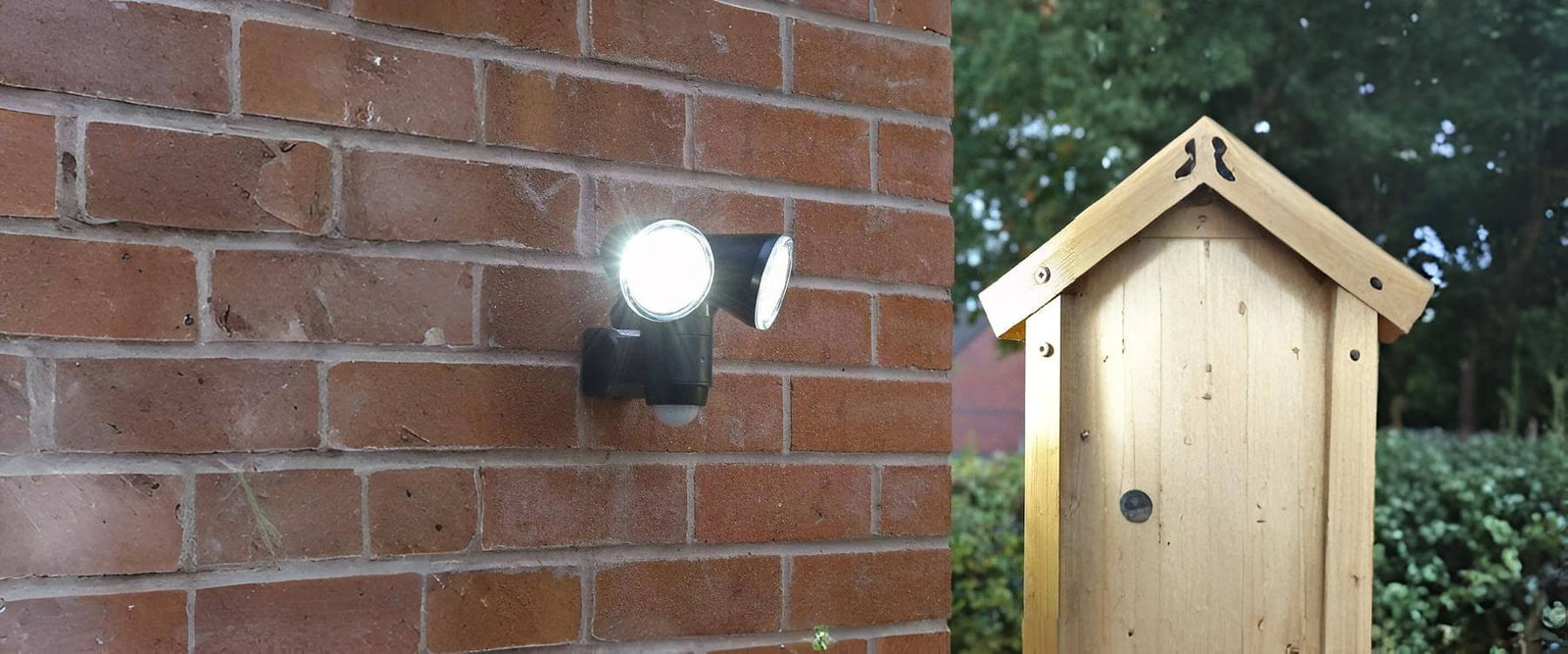
Side yards and gates benefit from motion-activated beams to deter intruders and save energy.
For tech-forward homes, LED security lights for the home make it easier to manage running costs while still giving steady brightness and long lifespans. Look for options rated for at least 25,000 hours and choose warm white around 2700K-3000K to flatter façades and skin tones.
If you want more control, choose smart Security Lights with dimmers that connect to your wi-fi, existing hubs, or outdoor smart plugs. You can lower light levels late at night, set separate schedules for weekdays and weekends, and trigger scenes when cameras or sensors detect movement.
Energy efficient security lights with good lumens-per-watt figures and sturdy housings reduce electricity use and how often fittings need to be replaced. Plan maintenance from the start: wipe fixtures a few times a year with mild soap and water, avoid abrasive pads on metal, and check gaskets or seals so moisture does not creep in and shorten LED life.

How to Mix Classic and Modern Security Lighting
Mixing security lights and other fittings from different eras adds depth and character. The aim is cohesion rather than strict matching.
Try these strategies:
Anchor with one dominant style. Decide whether your architecture leans more classic or more modern, then use that as the base and add a few contrasting pieces as accents.
Blend shapes, not chaos. Pair a traditional lantern with a plain backplate, or a modern cylinder with a warm brass finish.
Coordinate glass and shade types. Clear glass feels more modern, while frosted or seeded glass reads softer and more traditional.
Use repetition for calm. Even if finishes vary slightly, repeating the same silhouette along a path or balcony rail keeps things grounded.
Inside, echo this mix by co-ordinating table lamps, floor lamps, and pendants with similar metals or shade shapes so interior and exterior lighting feel linked.

Designing Security Lighting by Room and Zone
Different spaces call for different lighting personalities and performance levels.
Living rooms and libraries. For cosy evenings, reading, or game nights, security lights for living room layouts should provide layered light: sconces or picture lights on dimmers, plus a central pendant or floor lamp.
Offices and studios. Here, clarity and focus matter most. Clean-lined fixtures with adjustable heads, integrated LEDs, and brighter colour temperatures keep tasks visible without harsh shadows.
Hallways and staircases. Treat these as transition zones that connect your design story. Repeating the same family of fixtures along a corridor or up the stairs creates a gentle rhythm.
Outdoor entries and patios. Layer wall fixtures at the door with low-level path lights, step lights, outdoor spotlights, or recessed soffit lights to reduce shadows and make uneven surfaces safer after dark.
For multi-level homes, keep a consistent lighting mood from façade to foyer to main living areas. That does not mean every fixture must match, only that colour temperature, key finishes, and overall brightness support one another.

Finishes, Placement, and Care for Long-Lasting Security Lights
Once you have narrowed down security lights styles, focus on finishes, proportions, and care so your choices age well.
Finishes and materials
When comparing options, look for reputable manufacturers such as avsl that offer corrosion-resistant finishes and solid build quality.
Match or intentionally contrast with door hardware, railings, and window frames.
Use matte or brushed textures to hide fingerprints and dust more easily than high-polish options.
Proportions and placement
As a rule of thumb, exterior wall fixtures should be roughly one-quarter to one-third the height of your door.
Mount entry lights so the centre of the bulb sits around eye level for most adults.
Care and safety
Turn off power at the breaker before cleaning or changing bulbs.
Check mounting brackets annually to ensure fixtures are secure.
Clear cobwebs and debris that can trap moisture or insects.
Replace damaged glass or cracked seals promptly to avoid electrical issues.

Conclusion
Planned with care, security lights make your home feel safer, easier to move through, and more expressive of its architecture. Classic fittings add character and warmth, modern designs keep lines clean and discreet, and transitional pieces bridge the gap between old and new. By thinking about performance first, choosing the right bulbs and controls, mixing styles with intent, tailoring layouts to each room and zone, and paying attention to finishes, placement, and maintenance, you create a lighting scheme that reads as one clear story from the front path to the back patio.
Ready to put it into practice? Use this guide as a checklist as you review your doors, paths, and outdoor rooms, then update one area at a time with well-chosen fixtures, bulbs, and controls. Explore our curated range of security lights, brick lights, and outdoor spotlights, and start refining your plan today so every return home feels clear, welcoming, and confidently protected.