
Introduction
A well-placed set of wall lights does more than brighten a space it shapes its architecture. In modern interiors, lighting has evolved beyond pure utility. Today’s home design embraces the fusion of form and function, allowing fixtures to become sculptural, atmospheric, and deeply personal. With clean lines, innovative technology, and thoughtful material choices, wall-mounted lighting creates layers of depth that ceiling fixtures alone can’t achieve.
This guide breaks down everything you need to know about choosing, styling, and maintaining wall lights, from timeless classic silhouettes to sleek modern options. Whether you're upgrading a hallway, refreshing a bedroom, or designing a cohesive whole-home lighting plan, the following sections offer clarity, inspiration, and practical expertise.

Why Classic Wall Lights Stand Out
Classic wall lights are recognized for their rich details, ornate craftsmanship, and enduring beauty. These fixtures often include sculpted bases, intricate curves, and traditional materials that express heritage and artistry. Brass is one of the most common choices, thanks to its warmth, durability, and ability to age gracefully. Ceramic and stained glass add an artisanal feel, lending color, texture, and character to otherwise understated spaces.
This style of lighting references centuries-old design traditions, from Victorian florals and Art Deco geometry to mid-century European ironwork. Their silhouettes tend to feel generous and decorative, making them excellent for formal living rooms, heritage-inspired interiors, and transitional homes where soft elegance is the priority.
The Look and Feel of Contemporary Wall Lights
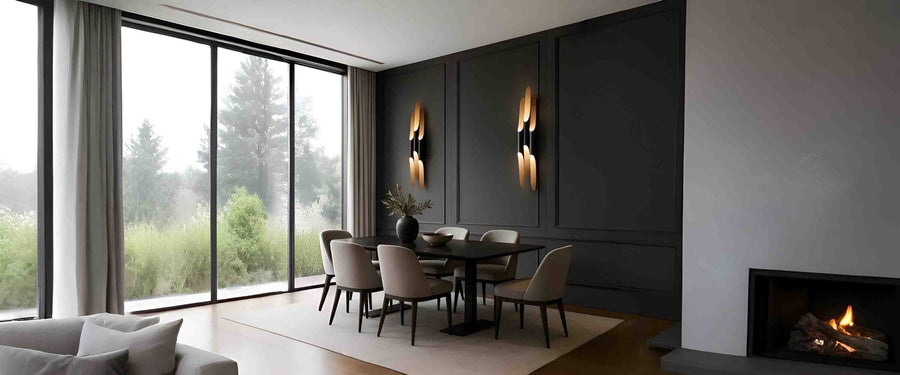
In contrast, modern wall lights emphasize sleekness, simplicity, and a restrained palette. These designs lean heavily into contemporary materials such as matte metal, veined marble, frosted or smoked glass, and integrated LEDs. Minimal shapes, tubes, discs, cylinders, and slim rectangles support a clutter-free look aligned with today’s clean architectural lines.
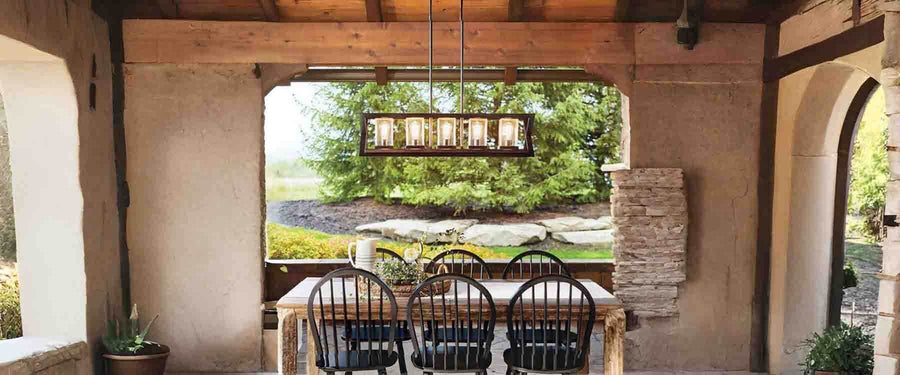
Lighting trends highlight a move toward quieter luxury: ultra-thin LED panels, hidden diffusers, wireless controls, and monochrome finishes like blackened steel or soft champagne gold. These fixtures offer not just illumination, but visual clarity, energy efficiency, and a sculptural presence that complements open floor plans and minimalist décor. Some homeowners even pair modern sconces with pendant lights to create seamless vertical layers of light.
The Beauty of Blended Wall Light Designs
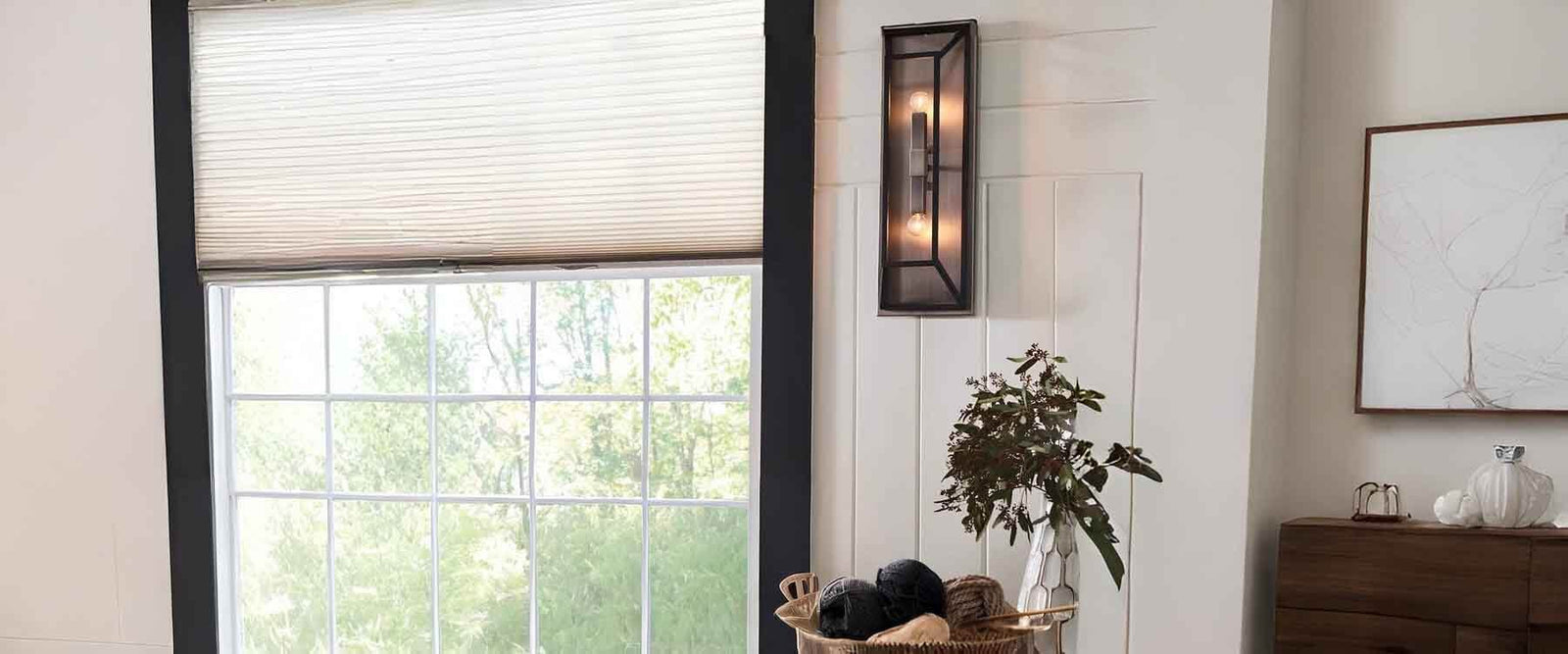
Hybrid wall lights combine the best of both worlds. They borrow the warmth and detail of traditional craftsmanship while incorporating modern geometry and updated materials. Think brass frames with opal glass globes, ribbed ceramic paired with linear arms, or classic silhouettes reimagined with minimalist proportions.
These blended designs are ideal for eclectic or evolving spaces, homes that balance sentimental furniture pieces with new, streamlined décor. To style them effectively, use symmetry in more formal rooms, asymmetry in contemporary ones, and lean on finishes to establish mood: polished brass for warmth, matte black for contrast, brushed nickel for subtlety.

Control & Comfort: Bulb Temperatures, Dimmers, and Smart Features
When comparing different wall lights, function is just as important as style. Many options today feature dimmable technology, giving you the flexibility to shift from bright task lighting to soft ambient glow. A dimmable wall lamp enhances versatility in bedrooms, dining rooms, and hallways, especially when paired with LED or smart bulbs.
Smart-enabled options allow app-based or voice-activated control, supporting schedules, color temperature adjustments, and energy tracking. Whether you choose a plug-in wall lamp for easy installation or a hardwired wall lamp for a cleaner architectural finish, the bulb type matters. Warm LEDs (2700K-3000K) maintain a cozy atmosphere, while neutral white (3500K-4000K) suits workspaces without feeling harsh.

Style Harmony: Pairing Traditional Bases with Contemporary Shades
Thoughtful mixing of classic and modern wall lights can bring richness and depth to a home’s visual story. For example, pair a traditional brass base with a contemporary linen or glass shade, or use a slim LED fixture beside an antique mirror for a striking balance between old and new.
Across rooms, consider subtle finish variations to keep the home cohesive. A brass wall sconce in the entryway might transition seamlessly into matte black metal in the living room and soft nickel in the bedroom, creating rhythm while avoiding monotony. Mixing styles works best when shapes share some harmony, repeated curves, parallel lines, or similar proportions.
Right Light, Right Room: Wall Light Picks by Purpose
Different rooms benefit from different wall lights, depending on their purpose and mood.
Living Rooms & Libraries
Classic designs with carved details or warm finishes suit cozy, layered environments. They support reading, conversation, and intimate gatherings.Offices & Studios
Modern fixtures with integrated LEDs or directional arms offer brightness and clarity. An LED wall sconce is especially useful for work zones requiring focused, energy-efficient light.Bedrooms
Hybrid wall-mounted lighting works beautifully here, elegant but not overwhelming. Plug-in versions allow flexibility for renters.Bathrooms
Sleek, moisture-resistant fixtures work best. Consider warm, even illumination around the mirror for balanced bathroom vanity lighting.Hallways & Entryways
These spaces can host dramatic silhouettes, from oversized sconces to paired installations. For homeowners who already use kitchen lights or coordinated pendant fixtures, matching finishes here can tie rooms together visually.
A well-planned home typically uses a mix of all three categories: classic, modern, and blended to create continuity without sacrificing personality.

Finish & Form Harmony: Coordinating Wall Lights with Architecture
To maintain harmony across your interior, select wall lights that complement your architecture and larger décor story. If your home has traditional moldings or wooden trims, choose finishes like aged brass, oil-rubbed bronze, or ceramic in warm tones. Modern homes with clean lines and minimal ornamentation pair well with brushed steel, white matte, blackened metal, or blown glass.
Lampshades and diffusers also influence the final look. Linen shades soften the light and elevate traditional environments; marble or frosted glass adds a sculptural modern touch. Some homeowners also enjoy unique statement pieces, such as lava lights in entertainment rooms or creative studios to add playful character. Ensure that your lighting aligns with other décor elements such as hardware, furniture legs, or flooring tones for a unified aesthetic.
Conclusion
Whether you’re outfitting a minimalist condo or restoring a character-rich home, the right wall lights can reshape how every room feels and functions. From ornate classics to ultra-modern LEDs and versatile hybrids, these fixtures let you craft warmth, mood, and architectural focus with intention.
Before you decide, assess your existing décor, the light you actually need (task, ambient, or accent), and the finishes that reflect your style. When you’re ready to elevate your space, explore our curated collections on the Niori, to find wall lights that look stunning and perform beautifully.