
Introduction
Enhancing any cooking area takes more than just fancy appliances and stylish countertops. It requires proper illumination to make every culinary task easier and more enjoyable. That is why kitchen lights play a central role in both design and functionality. Whether you aim to create a warm atmosphere for family gatherings or improve task visibility for serious meal prep, understanding your lighting options makes a tremendous difference. In the following Q&A, you will find practical insights to help you choose the right fixtures, set a welcoming tone, and elevate the overall aesthetic of your home’s most beloved space.

Q: Why Are Kitchen Lights So Important?
A: Proper illumination in a cooking area impacts everything from safety to visual appeal. When your food-preparation zone is well-lit, it is easier to handle tasks like chopping vegetables, reading recipes, and ensuring meats are cooked to perfection. From an aesthetic standpoint, quality fixtures can set a particular mood - be it cozy and warm or bright and modern. Good lighting also highlights the design elements you have carefully chosen, such as your backsplash, cabinetry, and appliances. Ultimately, a thoughtfully lit kitchen can boost both your efficiency and the room’s atmosphere, ensuring that mealtime becomes a more pleasurable experience.

Q: Which Types of Lights Should I Consider?
A: Choosing the right fixtures for your cooking space depends on your style preference, functional needs, and budget. When exploring different categories, consider each one’s unique strengths. In many cases, a combination of multiple fixture types delivers the best results. Keep in mind that layering illumination - using more than one source - often yields a balanced effect. For those seeking maximum impact, layering can even replace a single overhead fixture with targeted solutions for each specific area. Here is a quick overview of popular choices:
If you want versatility and a custom look, pairing kitchen lights with accent fixtures can give your space a polished finish. Below are some frequently asked questions on different lighting styles, each with its own advantages.
Q: What’s Special About Kitchen Chandeliers?
Kitchen lights come in many forms, but a chandelier can serve as a statement piece that immediately draws the eye. Among all the kitchen lights you could choose, a stylish chandelier often introduces an air of sophistication, especially if you aim for a refined atmosphere. These distinctive fixtures are typically associated with formal dining rooms, but scaled-down versions work well in open-concept designs. Moreover, kitchen lights in the form of chandeliers can be found in modern or ornate designs, from sleek minimal structures to extravagant crystal styles. When selecting your kitchen lights, consider a chandelier as a focal point that merges function with luxury, capturing attention in any busy cooking or dining area. Ultimately, investing in high-quality kitchen lights helps highlight the beauty and practicality of your cooking space.

Q: How Can Kitchen Pendant Lights Elevate My Décor?
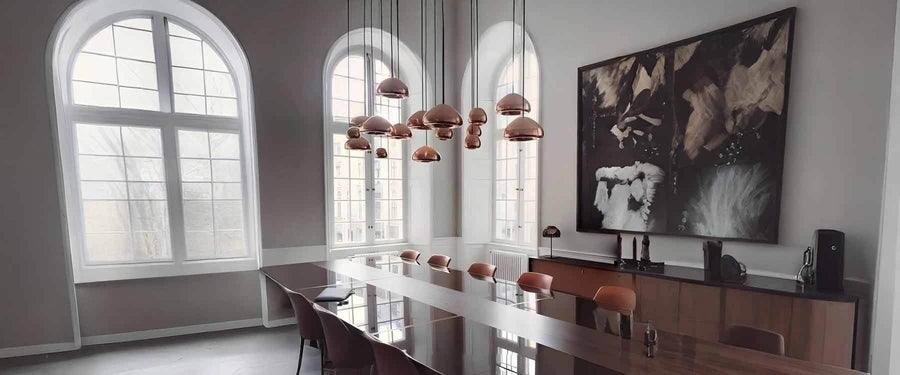
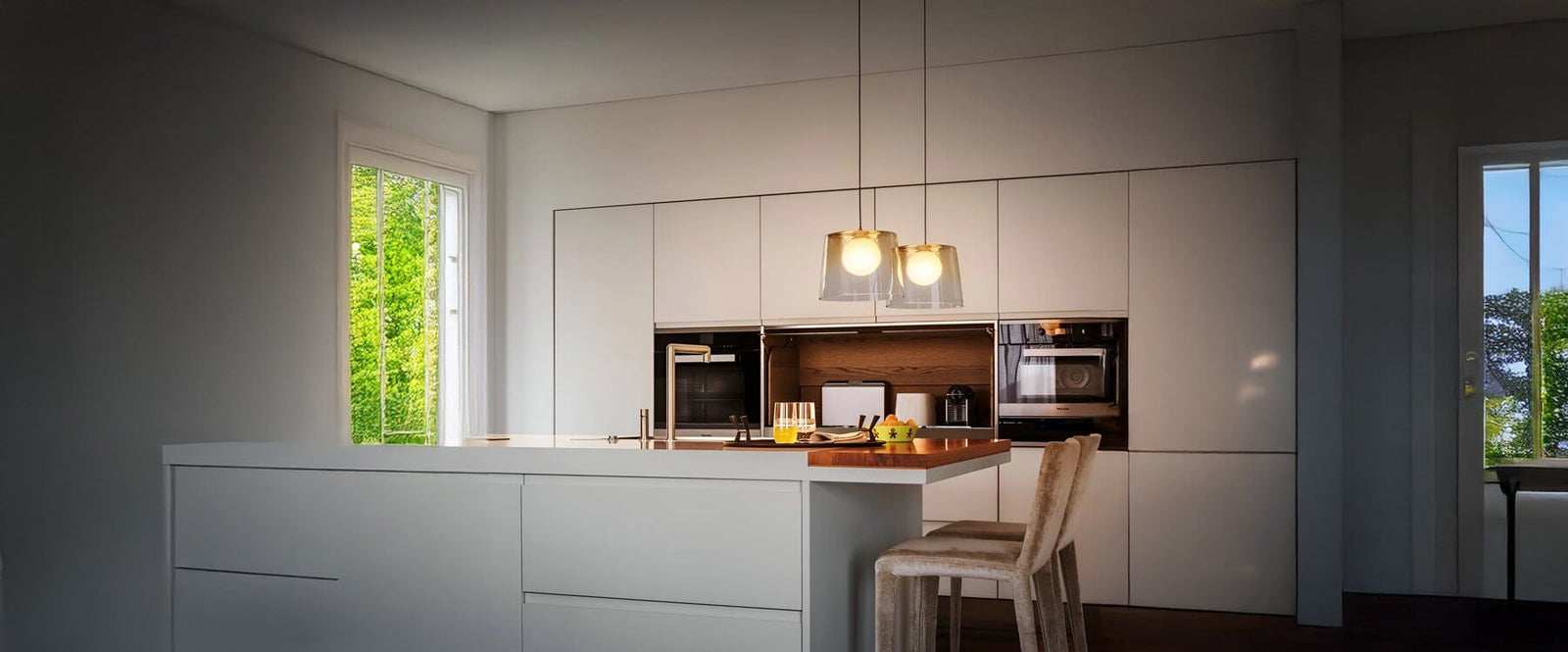
A: Kitchen pendant lights typically hang from the ceiling by a rod or chain and are perfect for highlighting specific areas, such as a dining corner or countertop. They are available in diverse styles - industrial, farmhouse, or minimalist - to match your home’s overall design. Pendants also allow for creativity since you can mix and match shapes, finishes, and sizes to create visual interest. Installing them in sets can help you evenly distribute illumination while achieving a cohesive look.
Q: When Should I Use Kitchen Island Lighting?
A: If you have a countertop extension or a stand-alone island, kitchen island lighting is essential for both functionality and flair. These fixtures often resemble pendant lights but are either grouped in multiples or crafted in elongated bars for wider coverage. Over-island lighting improves task visibility for meal prep, baking, or even casual dining, while also creating an attractive focal point.

Q: Are Kitchen Ceiling Lights the Most Versatile Option?
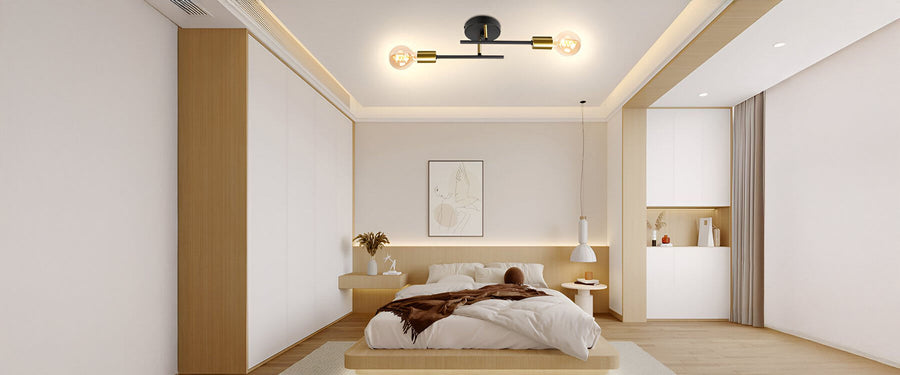
A: Kitchen ceiling lights (often in flush or semi-flush mounts) are popular due to their universal fit. They can adapt to spaces with low ceilings and still provide comprehensive coverage. Ceiling-mounted fixtures range from basic dome lights to decorative lantern styles, making them a flexible choice for many home themes. They also typically require minimal maintenance and blend well with other types of fixtures.
Q: Why Is Cabinet Lighting Important for Functionality?
A: Installing cabinet lighting underneath your cupboards or inside shelving units ensures that shadowy corners no longer hinder visibility. This type of fixture is especially useful for smaller kitchens or spaces with limited windows, as it brightens areas that overhead lights alone cannot fully reach. Cabinet illumination can also highlight beautiful dishware or glass panels and, in some cases, reduce the need for brighter ambient lights.
Q: Where Do LED Strip Lights Fit Into My Layout?
A: LED strip lights are thin, flexible strips equipped with multiple diodes that can be mounted under counters, along toe-kicks, or inside cabinets. They are commonly praised for energy efficiency and customizable brightness. While often used as accent lighting, strip lights can also serve functional purposes by providing subtle guidance in dimmer conditions - particularly helpful if you like to move around the kitchen late at night without disturbing others.

Q: How Do I Choose the Perfect Kitchen Lights?
A: Finding the ideal combination of fixtures for your cooking area involves balancing decorative goals with practical needs. Each choice should enhance usability while also supporting the theme you envision. Here are a few considerations to keep in mind:
Style Considerations
Think about whether you want a modern, rustic, or transitional vibe. A pendant or an ornate chandelier might pair beautifully with your design aesthetic. Matching finishes for your hardware, fixtures, and appliances can create a harmonious environment. If you aim for a unified appearance, coordinate metals and silhouettes so that every piece feels intentional.Room Dimensions and Lighting Needs
It is vital to take note of your kitchen’s size and layout. A larger space can accommodate multiple fixtures, whereas a smaller area might benefit from minimalistic designs that do not overwhelm. Make sure your choices deliver adequate brightness for each zone - like prep stations, cooking surfaces, and casual dining spots.Energy Efficiency and Sustainability (Trends)
Prioritize fixtures that help save electricity, particularly if you spend considerable time cooking or entertaining. LED technology is popular because it produces bright, long-lasting illumination. Moreover, many people now explore smart bulbs or dimmers that enable them to adjust brightness on demand. Incorporating the perfect kitchen lights not only reduces energy use but also ensures you can customize the ambiance whenever you choose.

Q: Where Do I Go From Here?
A: Selecting and arranging the best fixtures can drastically improve both the functionality and the overall look of your home’s busiest area. Understanding the options available - chandeliers, pendants, ceiling mounts, island fixtures, under-cabinet solutions, and modern strip lighting - allows you to craft a well-lit, welcoming environment.
A smart approach to kitchen lights is to layer multiple sources, ensuring that every section of the room receives targeted illumination. By combining ambient, task, and accent lighting, you create a visually appealing setup that promotes efficiency and style in equal measure.
Next Steps for an Illuminated Kitchen
Now that you have a solid grasp of different fixture types and how to layer them effectively, it’s time to put these insights into action. A well-planned approach can transform any cooking space into a more inviting, efficient environment - one that truly caters to both practicality and style. If you’re ready to take your layout to the next level, explore related resources on our site or reach out for tailored recommendations. By selecting fixtures that resonate with your décor and meet your functional requirements, you can create a kitchen that not only looks exceptional but makes everyday tasks simpler and more enjoyable.