
Introduction
A clean-lined piece from the world of Industrial Table Lamps doesn’t just illuminate it defines the architecture of a space. Modern lighting design balances performance and poise: minimalist silhouettes, smart controls, and tactile materials reshape how we work, read, and unwind. This guide compares industrial table lamps with classic influences, shows where each excels, and teaches you how to layer them seamlessly so your rooms feel intentional, warm, and future-ready.
Defining Industrial Table Lamps: Where Form Meets Function
At first glance, industrial table lamps borrow cues from workshop heritage honest materials, exposed fasteners, and sturdy proportions. Yet many interiors still crave a touch of timeless craft. That’s where traditional table lamps enter the conversation: classic details, ornate bases, rich finishes, tailored shades, and calm, balanced silhouettes that lend warmth and familiarity. Materials such as brass, ceramic, and stained glass add depth and patina. A vintage industrial lamp with a hand-spun brass shade nods to early task lighting, while a pleated fabric diffuser, common on traditional table lamps, softens edges for a library or cozy bedroom.
Design takeaway: You don’t need to choose between grit and grace. Let the base or arm speak in metal and mechanical references, then temper the look with a tailored shade inspired by traditional table lamps. This approach honors heritage, celebrates craftsmanship, and keeps the fixture from feeling too heavy.

Exploring Industrial Table Lamps in Modern Interiors
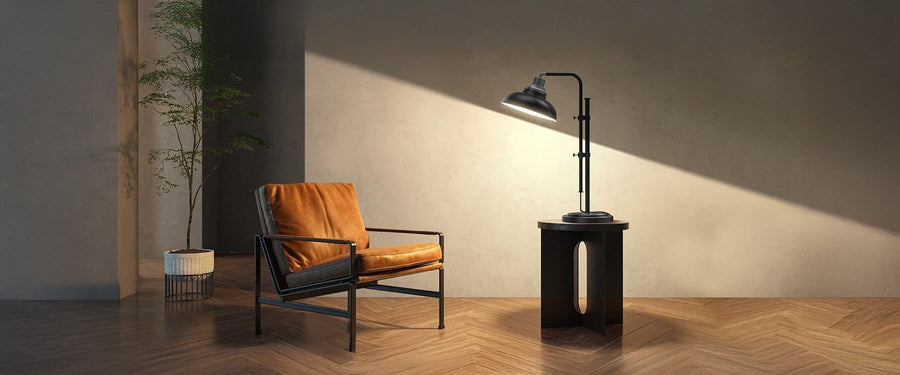
Today’s industrial table lamps streamline the workshop story into sleek lines and restrained palettes, think powder-coated steel, blackened brass, honed marble plinths, mouth-blown glass, and integrated LED modules that eliminate hotspots. Neutral tones like graphite, umber, and bone keep surfaces calm while textures do the talking. A black metal table lamp with a dim-to-warm LED and a pull chain feels familiar yet quietly high-tech; pair it with a travertine side table for contrast. Side by side, modern table lamps push the same minimalism further with ultra-clean junctions, lighter profiles, and near-invisible controls, allowing both styles to coexist effortlessly in one room.
Design highlights:
LED integration: Flicker-free drivers and high CRI (90+) for accurate color.
Modular shades: Magnetized diffusers that switch between opal and smoked glass.
USB/USB-C bases: Discreet power for phones and e-readers.
Tactile details: Knurled knobs, stitched leather pulls, and stone bases that ground slender stems.
Playful retro: A steampunk table lamp with valve-style dimmers adds character to lofts and gaming spaces.
These features keep the look functional yet collectible perfect for contemporary interiors that seek texture without clutter, while modern table lamps offer the ultra-pared balance for an even lighter visual touch.

Industrial Table Lamps: Bridging Classic and Contemporary Design
When you blend classic and modern styles, industrial table lamps act as translators. Their geometry is typically disciplined linear arms, swivel heads, and compact footprints, while surface treatments add character. Imagine a marble block base supporting a matte-black arm topped with a parchment shade: the form reads modern, the finish whispers vintage. Or try a rustic industrial table lamp with a forged arm and linen diffuser to soften the look of brick or timber walls.
Styling tips for eclectic spaces
Echo, don’t match. Choose one repeated element, metal tone, curve, or texture, and let everything else vary.
Mix one “workshop” cue. A knurled knob or cage guard is enough; too many industrial details can feel overdone.
Layer heights. Combine a low reading lamp with a taller floor light across the room to create visual rhythm.
Counterbalance hard with soft. Add woven throws, boucle upholstery, or a wool rug near metal fixtures for warmth and balance.

Performance Breakdown: Dimming, Bulbs, and Controls Explained
Function is where the differences truly stand out and where comfort begins.
Dimming & scenes
Smooth 1-100% dimming makes a bigger impact than most expect. Dim-to-warm technology shifts from around 3000K to 2200K as brightness lowers, mimicking candlelight for a relaxing evening atmosphere. If you enjoy routine, choose lamps with memory presets or connect them to smart plugs for app- or voice-controlled lighting scenes.
Bulbs & optics
Opt for high-CRI (90+) LEDs to ensure accurate color on books, fabrics, and décor. An Edison-style filament bulb looks authentic in a cage table lamp, but a modern LED filament provides the same look with less heat and energy use. Opal glass softens glare, while clear glass pairs best with frosted bulbs.
Controls & convenience
Touch dimmers feel refined on nightstands, while rotary or toggle switches fit perfectly on workbenches or craft tables. Built-in USB charging adds practical value to desks. A brass desk lamp with an industrial pivoting head is ideal for sketching or focused tasks, and a weighted base ensures stability when adjusting the arm.

Blending Industrial Table Lamps with Other Lighting Styles
Blending styles adds sophistication and balance to any space. Here’s a simple guide:
Start neutral. Anchor the room with a stone or wood table and calm textiles so a statement lamp can stand out without overpowering the scene.
Pick your hero shape. Whether dome, cone, or cylinder, repeat that silhouette elsewhere, like in a bowl or planter, to create a sense of continuity.
Cross-pollinate finishes. A graphite arm with a warm brass finial ties together black hardware and antique frames effortlessly.
Vary transparency. Opaque metal shades provide focused light, while opal glass diffuses it. Using both adds depth through layered tasks and ambient lighting.
Bridge rooms with pairs. Two coordinated lights, a pipe table lamp on a console, and a complementary desk lamp in the office help maintain visual flow across open spaces.
When balanced thoughtfully, the mix feels curated and intentional rather than random.

Selecting the Ideal Industrial Table Lamp for Every Room
Your lamp should serve the room’s purpose first and express style second.
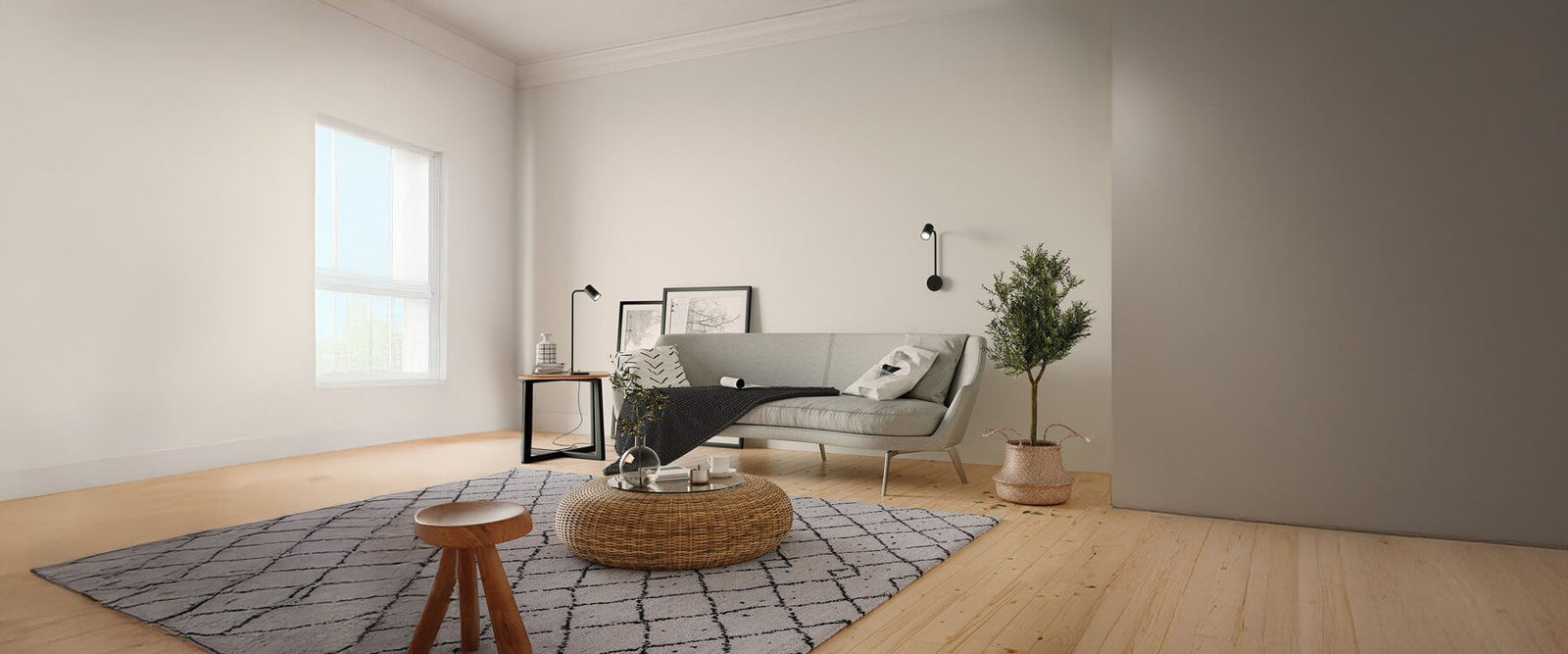
Living room & library: Choose a stable, dimmable base with a shade that blocks glare at seated eye level. A brass industrial desk lamp on a side table offers focused reading light, while picture lights in libraries create layered warmth.
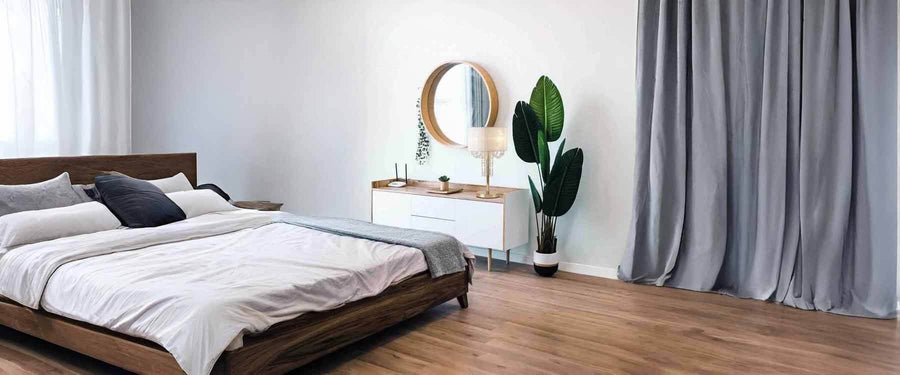
Bedroom: Quiet switching matters. Touch or short-throw toggle controls are perfect for late-night adjustments. A small black metal table lamp with a linen shade adds contrast against pale headboards.
Home office & studio: Prioritize adjustability and color accuracy. Look for a pivoting arm, 3000-3500K color temperature, and a weighted base to keep work surfaces evenly lit.
Entry & console: Let personality take the lead. Try a steampunk table lamp with a visible gear dimmer or a marble-base design that doubles as a sculptural accent.
Dining nook: If placed on a cabinet or sideboard, use an opal-glass diffuser to prevent glare on reflective surfaces.
Kids & dorms: Choose lamps with USB/USB-C charging and tip-resistant bases, and avoid open bulbs near active spaces.
Pro tip: Plan plug placement during your furniture layout. Clean cord routing preserves the crisp silhouette that defines your lighting style.

Design Consistency and Finishes
Consistency doesn’t mean sameness; it means a repeatable vocabulary.
Metals: Build a family (blackened steel, antique brass, or brushed nickel). Use that same tone on frames or hardware to tie zones together.
Stones & woods: Marble or soapstone bases ground slender arms; walnut adds tactile warmth beside metal.
Shades: Linen, parchment, or prismatic glass tweak the mood without changing the fixture. Opaque metal shades create pools of focus; glass spreads a soft halo.
Architecture first: In ornate rooms, crown molding, paneling, classic touches keep harmony: pleated shades, warm metals, or ceramic accents. In pared-back shells, choose crisp forms with fine joinery and minimal seam lines.
When you keep finishing intentionally, your lamps feel like part of the architecture, not just accessories.
Idea Gallery: Industrial Table Lamp Inspirations
Use this as a shopping and styling springboard:
Workshop Classic: A cage table lamp with an LED Edison bulb on a reclaimed console, perfect against brick or limewash.
Elegant Utility: Marble plinth base + slender arm + parchment drum balances loft grit with living-room polish.
Nightstand Minimal: Compact dome shade, touch dimmer, USB- quiet and practical.
Warm Modern Loft: Rustic industrial table lamp in patinated iron beside boucle lounge chairs for texture contrast.
Graphic Moment: Oversized conical shade in matte black on a pale oak desk; add one brass tray to echo the finial.
Retro Workshop: Vintage industrial lamp with a goose-neck and toggle switch on a record cabinet; add a poster frame to repeat the metal tone.

Quick Checklist Before You Purchase
Purpose first: reading, task, or ambient?
Size & scale: base stable on your surface; shade’s lower edge slightly above seated eye level.
Light quality: CRI 90+, color temp 2700-3000K for relaxing; 3000-3500K for work.
Dimming: smooth range and memory presets; consider dim-to-warm.
Controls: touch, toggle, or rotary place where fingers naturally land.
Power: USB/USB-C if you’ll charge devices nightly.
Maintenance: replaceable bulbs or serviceable LED modules; easy-to-clean finishes.
Cords: sufficient length and tidy routing; cloth-wrapped cables add a premium note.
Safety: weighted bases for pets/kids; UL/CE certifications.

Troubleshooting Common Industrial Lighting Issues
Too harsh? Swap to opal diffusers or frosted bulbs; lower CCT to 2700K.
Looks “busy”? Remove one metal tone; repeat the remaining finish twice elsewhere.
Glare at the sofa? Lower the shade or pivot the head away from sightlines.
Not enough punch? Increase lumens (800-1100 for reading), or place the lamp near a wall to bounce light.
Cord clutter? Use right-angle plugs, cord clips under tables, or floor cord covers to keep the silhouette clean.
Conclusion
Understanding how industrial table lamps balance honest materials with modern precision helps you choose fixtures that are both functional and refined. Use dimming, bulb quality, and scale to enhance comfort; mix metals and textures to add depth; and position lights where they truly serve a purpose. With a few thoughtful choices, industrial table lamps can anchor a reading corner, elevate an office, or bring warmth to a bedroom while blending seamlessly with classic pieces. Ready to refine your space? Explore our curated collection of industrial table lamps, save the checklist above, and keep your home glowing with intention.