
Introduction
Pendant lights have quickly become one of the most versatile and desirable fixtures in interior lighting design. Defined by their suspended format and ability to direct light downward or across a space, pendant lights deliver both visual impact and functional performance. Whether you’re outfitting a minimalist apartment or a large family home, pendant lighting adapts to your layout, décor style, and room-by-room needs.
What makes them so appealing? Their range, literally and stylistically. From sleek single bulbs to elaborate multi-drop configurations, pendant lights offer everything from task illumination to artistic focal points. And when paired with complementary Bedroom Lights or Kitchen Lights, they become part of a layered, intentional lighting scheme.
In this guide, we’ll break down how to use pendant lights in four essential rooms: the kitchen, dining room, bedroom, and living room. Along the way, you’ll find practical installation tips, design strategies, and expert insights to help you choose fixtures that are both purposeful and beautiful.

The Rise of Pendant Lights in Contemporary Design
Defined by their hanging form, typically suspended from cords, rods, or chains, pendant lights are designed to direct illumination downward or across a surface. Their clean lines and sculptural quality have made them a popular choice in contemporary homes.
What sets them apart is flexibility. They can act as task lighting over counters or serve as artistic focal points in open-plan layouts. Today’s pendant options range from industrial domes to handcrafted ceramic globes and minimalist glass shades. Materials include metal, linen, rattan, and blown glass, accommodating everything from rustic styles to ultra-modern schemes.
Their appeal lies in their balance between performance and aesthetic. Whether you’re illuminating a small nook or anchoring a central feature, pendant lights adapt easily to different ceiling heights, room dimensions, and decor schemes.
Room-by-Room Guide to Pendant Lighting

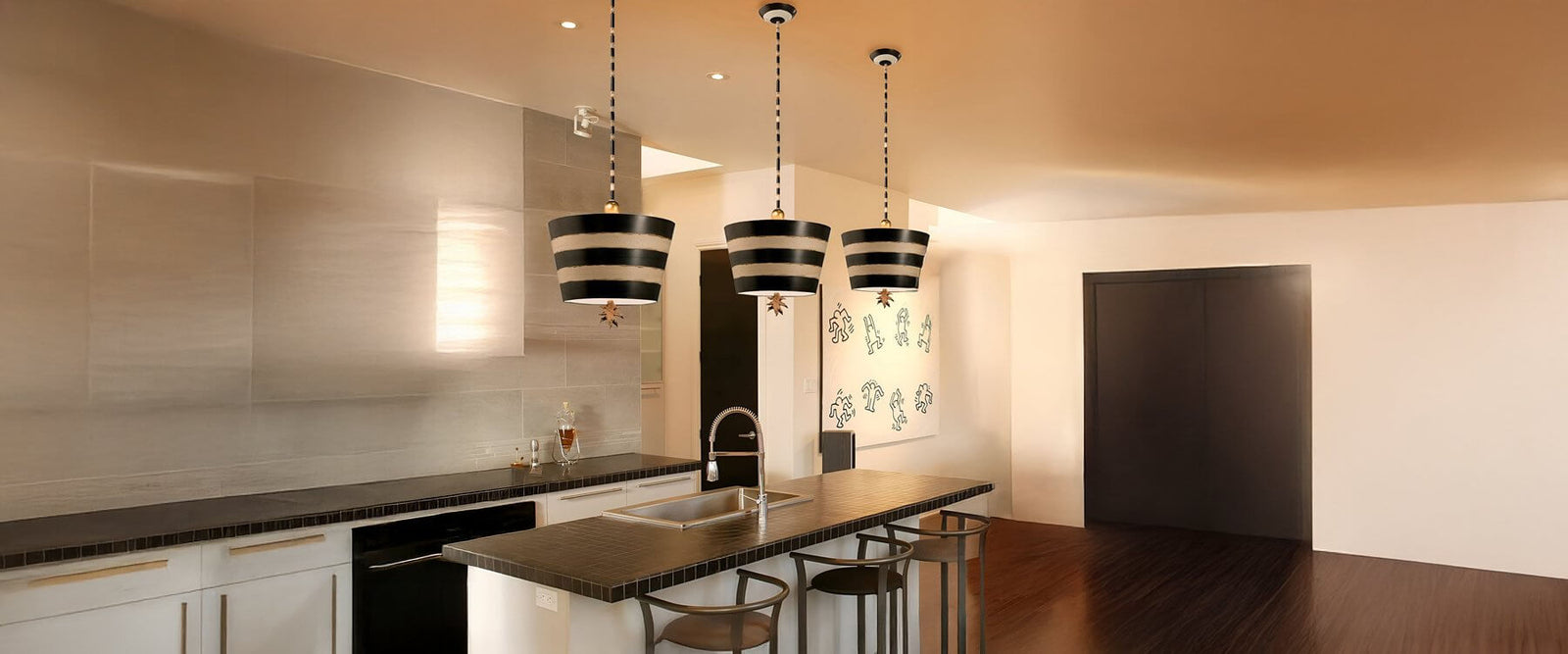
In kitchens, layered illumination is essential, and pendant lights are ideal for defining key work zones. Positioned over islands or peninsulas, they offer focused task lighting while contributing to the room’s overall design.
Linear styles work best over longer islands, while compact domes or single-drop fixtures suit smaller breakfast bars. Keep spacing consistent and hang fixtures 30 to 36 inches above surfaces for optimal functionality. Paired with recessed ceiling lights and under-cabinet LEDs, pendant options create a cohesive Kitchen Lights setup that blends utility with style.
Choose finishes that coordinate with hardware or appliance accents. Matte black or brushed brass pendants, for example, can echo drawer pulls or tapware for a polished result.

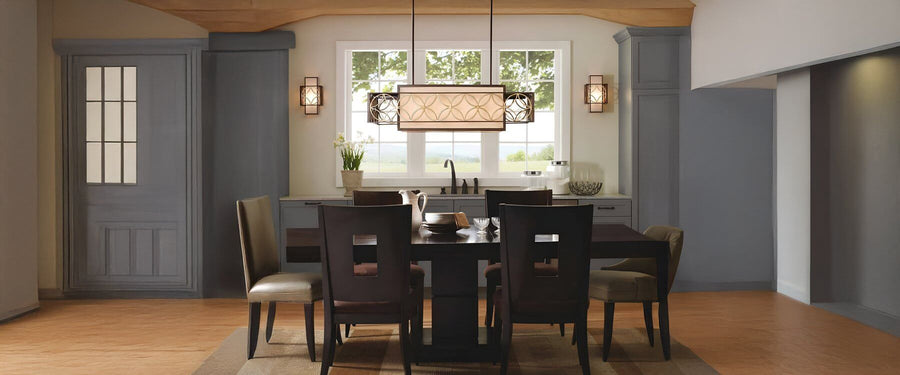
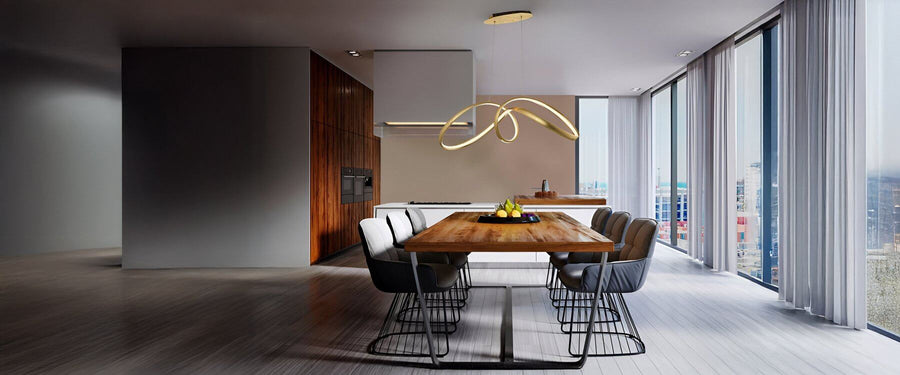
For Dining Room Lights, a pendant fixture centered over the table instantly grounds the space. It draws attention to the dining zone and sets the mood for both casual meals and formal gatherings.
Symmetry is key: one large pendant or multiple evenly spaced smaller ones work well, depending on table length. Fixtures should hang 28 to 34 inches above the tabletop. Consider dimmable bulbs to adapt the ambiance as needed.
Match the pendant’s scale to the table and room size. An oversized fixture can overwhelm, while one too small may lack impact. Materials like smoked glass or linen shades help diffuse light and create a warm, inviting glow.

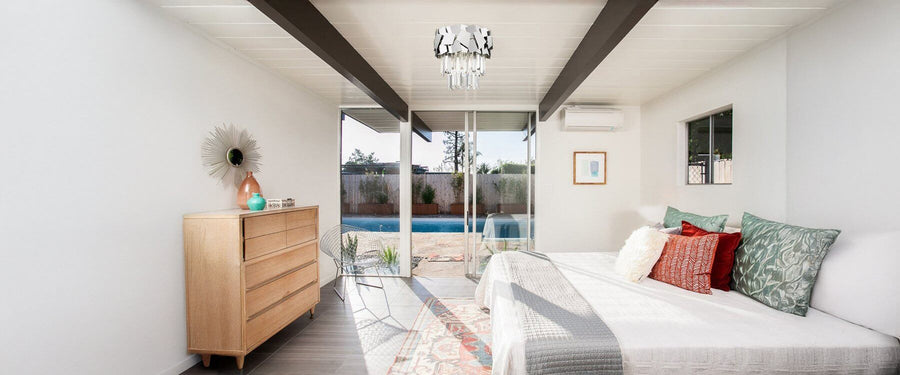
When space is at a premium, Bedroom Lights suspended from the ceiling offer a smart alternative to bulky bedside lamps. Pendant lights free up nightstand space while delivering targeted illumination for reading or winding down.
Hang them low, just above shoulder height when seated, to provide intimate lighting. Soft finishes and warm bulbs maintain a calming atmosphere. Ceramic shades, frosted glass, or cloth-covered cords can add texture and softness to the bedroom environment.
Pendant options also work well above dressing tables or accent chairs, helping define zones without overwhelming the room’s layout.

In living areas, pendant lighting helps anchor conversation zones or add sculptural interest to higher ceilings. Used thoughtfully, it complements other Living Room Lights like floor lamps and sconces to round out a balanced design.
Clustered or tiered pendants add dimension in rooms with ample ceiling height. In lower spaces, single-drop fixtures hung over side tables or reading corners create a cozy atmosphere.
Coordinate pendant styles with surrounding decor. A white fixture might echo tones in a marble coffee table, while a woven shade brings warmth to a minimalist setting.

Matching Pendant Fixtures to Your Style
Choosing the right design starts with assessing function and mood. Are you lighting a task area or creating ambiance? Here are a few style directions to guide your decision:
Industrial: Exposed bulbs and metal cages suit lofts or utilitarian kitchens.
Scandinavian: Clean silhouettes in muted hues match calm, minimalist bedrooms.
Boho: Rattan or textured shades introduce softness to eclectic living spaces.
Modern Classic: Sculptural forms with polished finishes enhance formal dining areas.
Match shade size to room scale and ceiling height. Higher ceilings accommodate longer drops; in compact rooms, go for semi-flush or adjustable cord models.
Installation Tips & Common Pitfalls
Correct installation is essential for both safety and visual impact. Here are key considerations:
Height: Over countertops or tables, aim for a drop of 30 to 36 inches. In walkways or living zones, maintain at least 7 feet of clearance.
Spacing: When using multiples, leave 24 to 30 inches between each pendant to prevent crowding.
Scale: Avoid fixtures that are too large for tight rooms or too small in open layouts.
Glare Control: Use diffused bulbs or opaque shades to soften light and reduce harsh shadows.
Always ensure pendant positioning aligns with furniture layout and doesn’t obstruct views.

Pairing Pendant Lights with Other Fixtures
Effective lighting design involves more than a single statement piece. To maximize comfort and visual coherence, integrate pendant lighting into a broader plan that includes layered sources.
In bedrooms, pendant fixtures complement wall-mounted living Lights or dimmable floor lamps. In kitchens, they work in tandem with functional ceiling or under-cabinet lighting to support prep and dining needs.
Consider installing dimmer switches for added control. Also, keep colour temperature consistent across the room: use warm tones in relaxation zones and cooler tones in task-driven areas.

Finding the Right Fixture
When shopping for pendant lights, evaluate both aesthetic and practical factors:
Adjustability: Look for height-adaptable cords or chains to suit different ceiling heights.
Finish & Form: Match your room’s palette and hardware for cohesive styling.
Bulb Compatibility: Check wattage limits and consider energy-efficient LED options.
Room Fit: Select fixtures that enhance, not overpower, your room’s proportions.
Whether browsing online or visiting showrooms, prioritize quality craftsmanship and clear product specs.

Conclusion
From quiet bedrooms to bustling kitchens, pendant lights offer a stylish way to define space, improve functionality, and tie a room’s design together. When chosen and placed with care, they become more than illumination, they become integral elements of your interior scheme.
As part of a layered layout that includes Kitchen Lights, Dining Room Lights, Bedroom Lights, and Living Room Lights, pendants contribute to a thoughtful, adaptable lighting strategy.
Ready to transform your space? Browse Niori's pendant lights collection or explore more guides on pairing fixtures with room layout and design goals.