
Introduction
Outdoor pendant lights are one of the most effective ways to bring warmth, style, and usable brightness to exterior spaces when they are used at the right time and in the right setting. As a lighting specialist at Niori, I often see homeowners unsure about when a hanging fitting is the right choice outdoors, or how it compares to other exterior lighting options.
This guide explains when to use outdoor pendant lights to enhance ambience and overall brightness, helping you decide whether they are the best solution for your outdoor living space. You’ll also learn the key moments to install, upgrade, or replace them so your outdoor area feels inviting and practical after dark.

What Are Outdoor Hanging Pendants and How Do They Work?
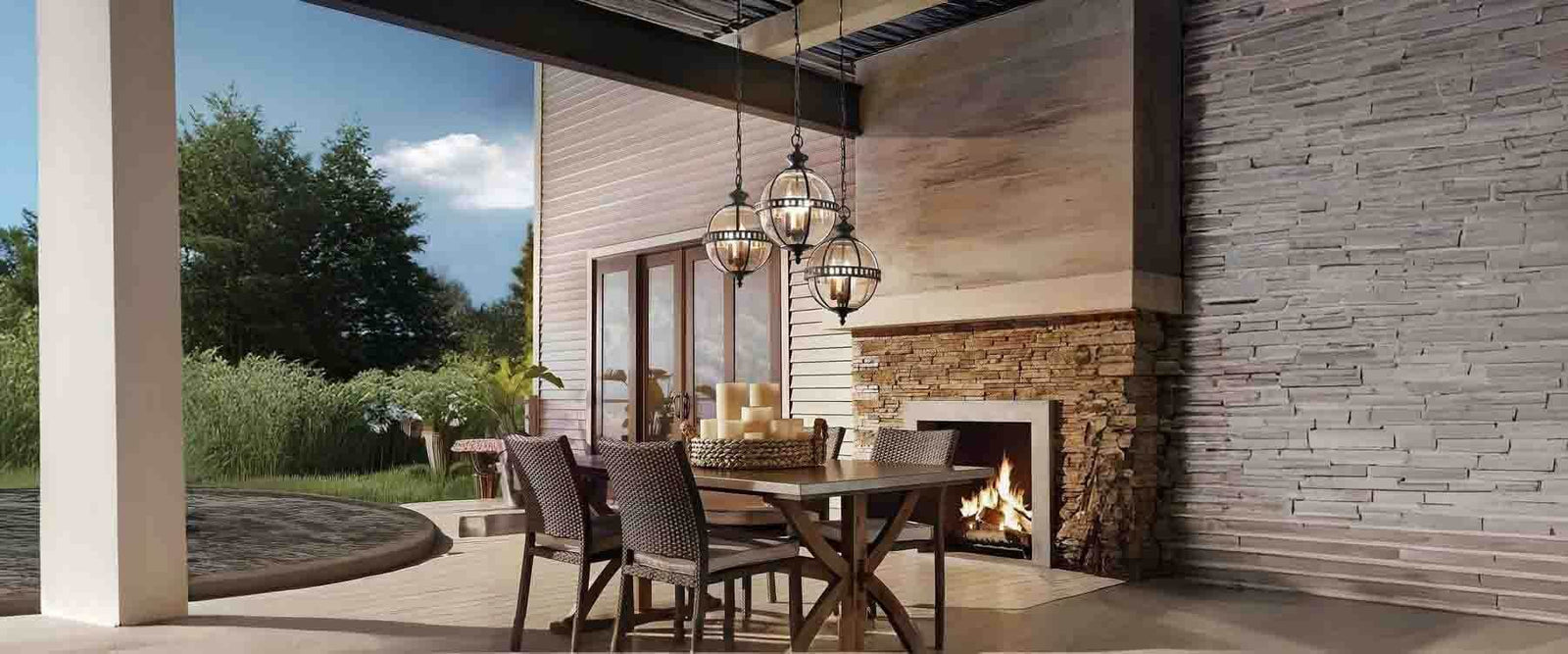
Outdoor pendant lights are ceiling-mounted fixtures designed specifically for exterior use, suspended from covered structures such as verandas, pergolas, porches, and outdoor kitchens. These outdoor pendant lights provide illumination from above, creating a natural sense of comfort similar to indoor lighting.
Unlike purely functional exterior lights, these fittings combine decorative appeal with practical illumination. Designed to withstand outdoor conditions, outdoor pendant lights offer softer, more inviting light than many security-focused fixtures, allowing you to create a relaxed, lived-in atmosphere outdoors without sacrificing everyday brightness.

When Do Outdoor Pendant Lights Make the Most Sense?
Outdoor pendant lights make the most sense when the goal is to create a welcoming, usable outdoor space rather than simply lighting an area for visibility. They are ideal when people will be sitting, dining, or socialising beneath them.
They work particularly well when:
The area has a solid overhead structure
Even, downward light is preferred over harsh glare
The space is used regularly in the evening
Style is just as important as function
In these situations, a pendant fitting creates a balanced lighting environment that feels intentional rather than purely practical.

When Should You Install Them?
The best time to install a outdoor pendant lights is when you are improving how an outdoor area is used, not just how it looks. Many homeowners add suspended lights during renovations, but they are just as effective when upgrading an existing space that feels underlit or uninviting.
Ideal moments include:
Renovating a patio or veranda
Adding a pergola or covered seating area
Updating an outdoor kitchen or dining space
Replacing outdated or ineffective lighting
Installing pendants early in the design process allows them to be positioned correctly and integrated with other lighting layers.

When Do Hanging Fixtures Outperform Other Outdoor Lighting?
Hanging fixtures outperform other lighting types when comfort and atmosphere are a priority. Because they sit overhead, they distribute light more evenly across seating and dining areas. This creates a more natural, room-like feel outdoors.
Compared to outdoor ceiling lights, which can create uneven pools of light, a suspended fitting provides a central glow that brings people together beneath it. It also offers more usable brightness than decorative string lighting without the harshness of floodlights. The result is lighting that feels both practical and inviting.
For covered outdoor areas where people gather, this style often delivers the best overall experience. It supports dining, conversation, and relaxing without straining the eyes. It also adds a decorative focal point that helps the space feel finished.

When Are They Best for Creating Ambience?
They are best for ambience when positioned above spaces where people naturally linger. Hanging light draws the eye downward, creating intimacy and visual warmth.
They are especially effective above:
Outdoor dining tables
Lounge seating areas
Entry points under covered porches
Transitional spaces between indoor and outdoor areas
The gentle downward light softens facial features, highlights textures, and makes outdoor spaces feel more inviting after dark.

Seasonal Uses: When Are They Most Effective?
They are most effective from spring through autumn, but their value extends beyond these months when chosen and placed correctly. Seasonal use often determines how much benefit homeowners get from their outdoor lighting.
Spring and Summer
During warmer months, pendants play a central role in outdoor living. Longer evenings mean more time spent outside, and overhead lighting provides comfortable light for dining, entertaining, and relaxing without overwhelming the space.
Autumn
As evenings cool, a suspended fitting adds warmth and structure to covered outdoor areas. When combined with heaters or fire pits, it helps extend the usability of patios and verandas well into the season.
Winter
While outdoor use may be less frequent, pendants still serve an important purpose. They improve visibility near entrances, create a welcoming glow during darker evenings, and maintain the visual appeal of outdoor spaces even when not in active use.
When paired with complementary lighting such as outdoor chandeliers in larger covered areas, this approach helps maintain a cohesive lighting scheme throughout the year.

When Should You Replace Outdated Fittings?
You should replace outdated fittings when outdoor pendant lights no longer perform safely, efficiently, or aesthetically. Older designs often struggle with modern lighting demands and ongoing outdoor exposure.
Clear signs it’s time to replace them include:
Rust, corrosion, or visible wear
Flickering or inconsistent light output
Incompatibility with LED bulbs
Designs that no longer suit the space
Poor light distribution that leaves seating or dining areas unevenly lit
Modern outdoor pendants offer improved durability, better light quality, and more refined styling options, including well-regarded designs from brands such as Kichler Lighting.

When Are They Not the Right Choice?
Outdoor pendant lights are not suitable in every situation, even though they’re excellent for covered outdoor living areas. They need the right structure, clearance, and protection from the elements to work safely and look their best. When those conditions aren’t met, they can feel out of place and may not provide the lighting result you’re aiming for.
They should be avoided when:
There is no overhead structure
Ceiling height is too low for safe clearance
The area is fully exposed to severe weather
The primary goal is security lighting rather than ambience
The space is a high-traffic walkway where a hanging fitting could be knocked or obstruct movement
You need wide, uniform coverage across a large open area with no central seating or dining zone
In these cases, other fixtures such as outdoor wall lights may provide a more practical solution.

Step by Step: How to Decide If They’re Right for You
Choosing the right outdoor pendant lights becomes much easier when you follow a simple process. These steps help you confirm whether a hanging fixture suits your space, layout, and how you plan to use the area.
Check overhead coverage: Ensure the area has a ceiling, pergola, or sheltered structure.
Define the purpose: Identify whether the space is for dining, lounging, or entertaining.
Measure ceiling height: Allow safe clearance beneath the pendant.
Plan layered lighting: Combine pendants with accent or wall lighting where needed.
Select outdoor-rated fittings: Choose materials and finishes designed for exterior use.
This approach ensures pendants enhance both function and atmosphere without compromising safety.

Common Mistakes When Using Hanging Pendants
The most common mistake is treating outdoor pendant lights as purely decorative. Outdoor conditions require careful attention to placement, scale, and durability.
Other common issues include:
Hanging pendants too high or too low
Using bulbs that are too bright or too cool in tone
Installing a single pendant in a large space
Ignoring wind exposure in open-sided areas
Choosing fixtures that aren’t properly outdoor-rated for moisture and corrosion
Forgetting to plan dimming or switching zones for different moods and occasions
Avoiding these mistakes ensures pendants deliver the comfort and ambience they are designed to provide.

How They Improve Both Brightness and Comfort
Outdoor pendant lights improve brightness by directing light where it is needed most, while maintaining a soft and comfortable atmosphere. This balance is what makes them so effective in outdoor living spaces.
They help:
Reduce harsh shadows
Create a clear focal point for gatherings
Provide enough light for dining and conversation
Enhance the overall feel of covered outdoor areas
When chosen carefully, pendants transform outdoor spaces into extensions of the home. They make covered patios and porches feel more comfortable and purposeful, whether you’re dining, relaxing, or hosting friends. With the right height, bulb tone, and placement, they deliver dependable brightness while keeping the atmosphere warm and inviting.

Quick Summary
Outdoor pendant lights are ideal for covered outdoor spaces
They provide a balance of ambience and usable brightness
Best suited for dining, lounging, and social areas
Seasonal use peaks from spring to autumn
Outdated fittings should be replaced for safety and performance
Correct placement and bulb choice are essential

Conclusion
Outdoor pendant lights are at their best when used intentionally to enhance both ambience and brightness in covered outdoor spaces. They outperform many other exterior lighting options where comfort, style, and usability matter most, particularly in dining and seating areas. By understanding when to install them, when to replace older fittings, and when they may not be suitable, outdoor pendant lights help you create an outdoor environment that feels welcoming, practical, and visually balanced throughout the year.