
Introduction
Outdoor lighting plays a key role in shaping how your home looks and functions after dark. Among the most effective solutions are lamp posts, which provide both visibility and visual structure to gardens, driveways, and entrances.
These freestanding fixtures serve two major purposes: improving safety and enhancing curb appeal. A well-placed post can highlight architectural details, guide visitors, and deter unwanted activity, all while enhancing the overall design of your landscape.
Unlike wall-mounted fixtures that rely on adjacent structures, lamp posts create lighting focal points in open areas where traditional lights can’t reach. They help frame long pathways, define outdoor zones, and add vertical interest to flat terrain.
Whether you’re a homeowner, landscape designer, or renovator, the right setup can transform your exterior. To help guide your selection, the following FAQ addresses common questions about choosing, installing, and maintaining your lamp post. From height and materials to power options and placement, this guide covers what you need to make an informed decision.

What Are Lamp Posts and Why Are They Important?
A lamp post is a freestanding outdoor lighting fixture mounted on a vertical pole, typically between 6 and 10 feet tall. Its primary function is to cast light downward or outward from an elevated position, making it ideal for illuminating open-air environments where traditional lighting, like sconces or ceiling-mounted fixtures, can’t be used.
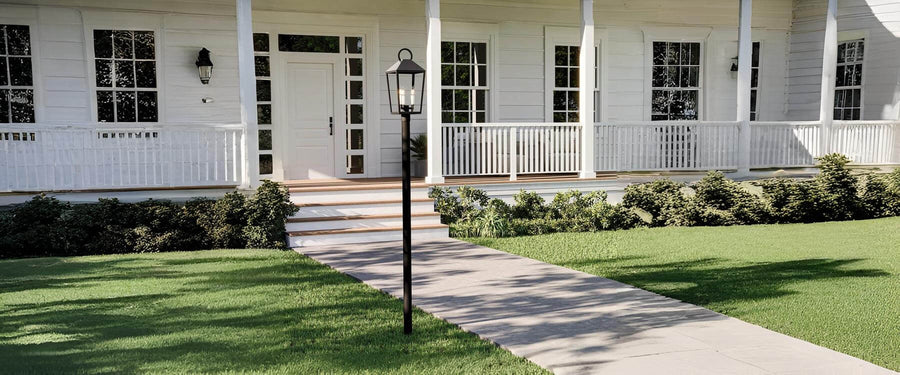
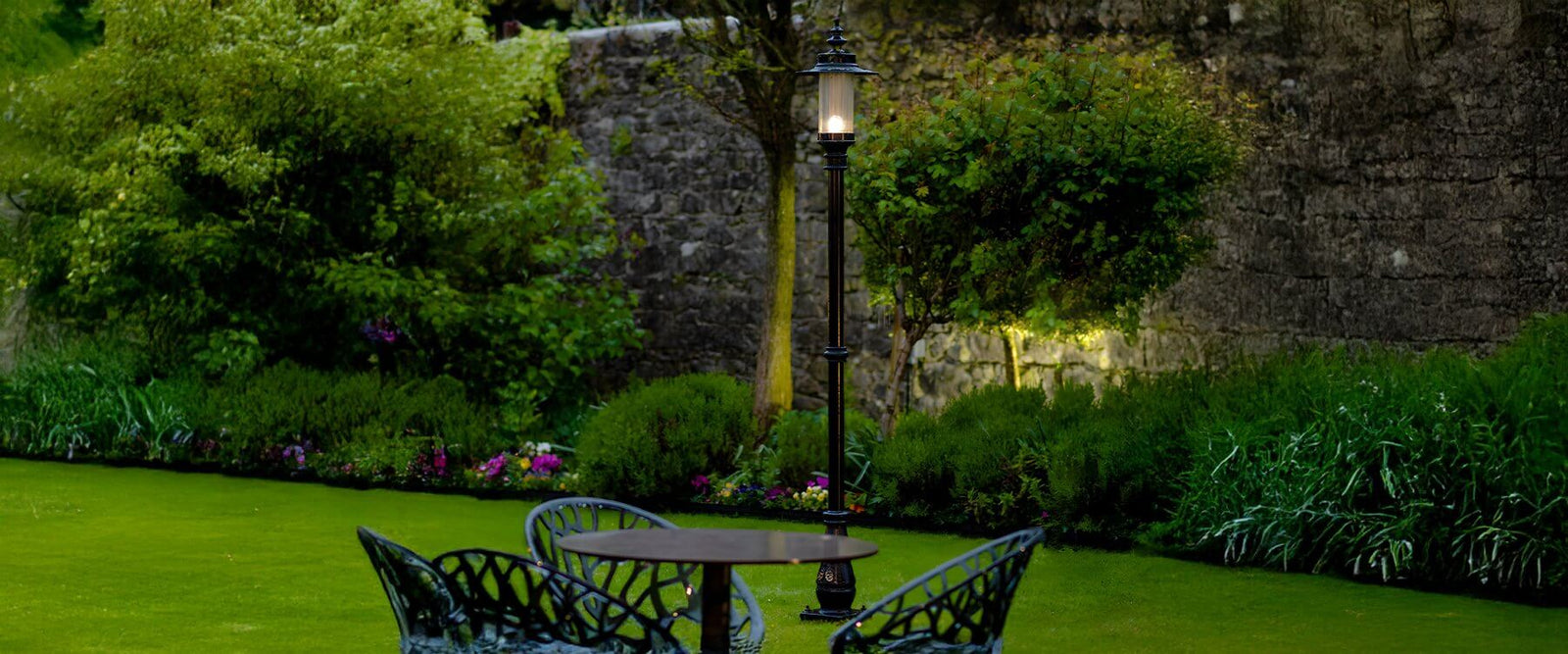
You’ll most commonly find these fixtures lining driveways, garden walkways, courtyards, and entry gates, where they serve both practical and aesthetic purposes. In areas with wide or irregular layouts, lamp posts offer flexibility that fixed wall lights simply can’t provide.
Their importance goes beyond basic illumination. By casting consistent light across key outdoor zones, they help prevent trips and falls, guide vehicle and pedestrian movement, and create safer navigation for guests arriving after dark. From a design perspective, they add vertical structure and rhythm to flat or sprawling landscapes, framing views and enhancing spatial flow.
In addition to lighting essential zones, they also help define key areas of a property. Positioned correctly, they can highlight architectural elements, mark transitions between different sections of a garden, or draw attention to decorative features like statues, water elements, or hedging. Whether used singularly or in a series, these fixtures help balance form and function in outdoor design, making them a staple element in both residential and professional landscape planning.
What Height Should Lamp Posts Be for Residential Use?
For most residential settings, the typical height range is 6 to 10 feet. Shorter options (6–7 feet) work well for footpaths and patios, where lighting should be closer to the ground. Taller units (8–10 feet) are better suited for wide driveways and large open spaces.
Choose a height that balances illumination with proportion. Oversized fixtures can overwhelm a small garden, while undersized posts may not provide sufficient coverage for long driveways.

What Materials Are Best for Outdoor Lamp Posts?
Durability is critical in outdoor environments. Popular material options include:
Cast aluminum: Lightweight and corrosion-resistant, ideal for most climates.
Stainless steel: Strong, low-maintenance, and suitable for contemporary designs.
Powder-coated metal: Offers excellent protection against rust and fading.
Composite resin: Often used in coastal regions thanks to its resistance to salt and moisture.
Each material offers different benefits in terms of longevity and appearance. Make your selection based on local weather conditions and design style.
How Do I Choose the Right Style of Lamp Post?
Style should complement both the architecture of the home and the surrounding landscape. Common categories include:
Traditional: Often with ornate detailing, suited for classic homes.
Modern: Clean lines and simple shapes for a contemporary look.
Vintage: Decorative features that echo historical designs.
Coastal: Weathered finishes and nautical themes for seaside properties.
Consistency with other outdoor fixtures, like wall lights or bollards, helps create a unified exterior aesthetic.

Can Lamp Posts Be Solar Powered or LED?
Yes. Many models now support energy-efficient technologies:
Solar-powered versions are easy to install and operate independently of wiring. They’re ideal for remote or hard-to-reach locations.
LED-integrated models are highly efficient and offer long lifespans. They’re often preferred for consistent output and lower maintenance.
Some systems also support motion sensors or dusk-to-dawn operation for automated use.

Where Should I Install Lamp Posts on My Property?
Ideal placement zones include:
Driveway entrances or borders
Pathways leading to the front or back door
Perimeter zones near fences or property lines
Near gates or courtyards
Spacing is important, typically 20 to 30 feet apart, depending on brightness. Consider traffic flow and sightlines to avoid glare or blocked light.
Do I Need a Professional to Install a Lamp Post?
If you choose a solar or plug-in model, installation is often manageable for a skilled DIYer. Hardwired units, however, may require:
Excavation and concrete base setting
Electrical conduit and wiring
Compliance with local codes
For complex setups or permanent installations, it’s best to hire a licensed electrician.

Are Lamp Posts Weatherproof and Low Maintenance?
Most outdoor-rated models are built for durability, but quality varies. Look for:
IP ratings of IP65 or higher to ensure protection against water and dust
UV-resistant finishes to prevent fading
Corrosion-resistant materials for long-term performance
Maintenance usually involves cleaning surfaces and checking for signs of wear or corrosion around mounting points.

How Can Lamp Posts Improve Curb Appeal and Security?
A well-placed fixture adds structure, accentuates design features, and provides welcome light for guests. These benefits include:
Enhanced visibility along walkways or driveways
Added security by eliminating dark zones
A visual anchor that adds depth to landscaping
Some models also integrate motion detectors or automatic timers for added peace of mind.
Where Can I Buy High-Quality Lamp Posts?
Not all outdoor fixtures offer the same build quality or weather resistance. Choose retailers that:
Specify IP ratings and construction materials
Offer warranties and installation support
Provide a range of styles to suit your design needs

Conclusion
When chosen carefully and installed correctly, lamp posts do more than just brighten a path, they define space, create ambiance, and support the safety of everyone on your property.
From style and height to power options and placement, there’s a solution to suit any outdoor project. Whether you're upgrading a front entry or designing a new landscape from scratch, the right fixture can tie it all together.