
Introduction
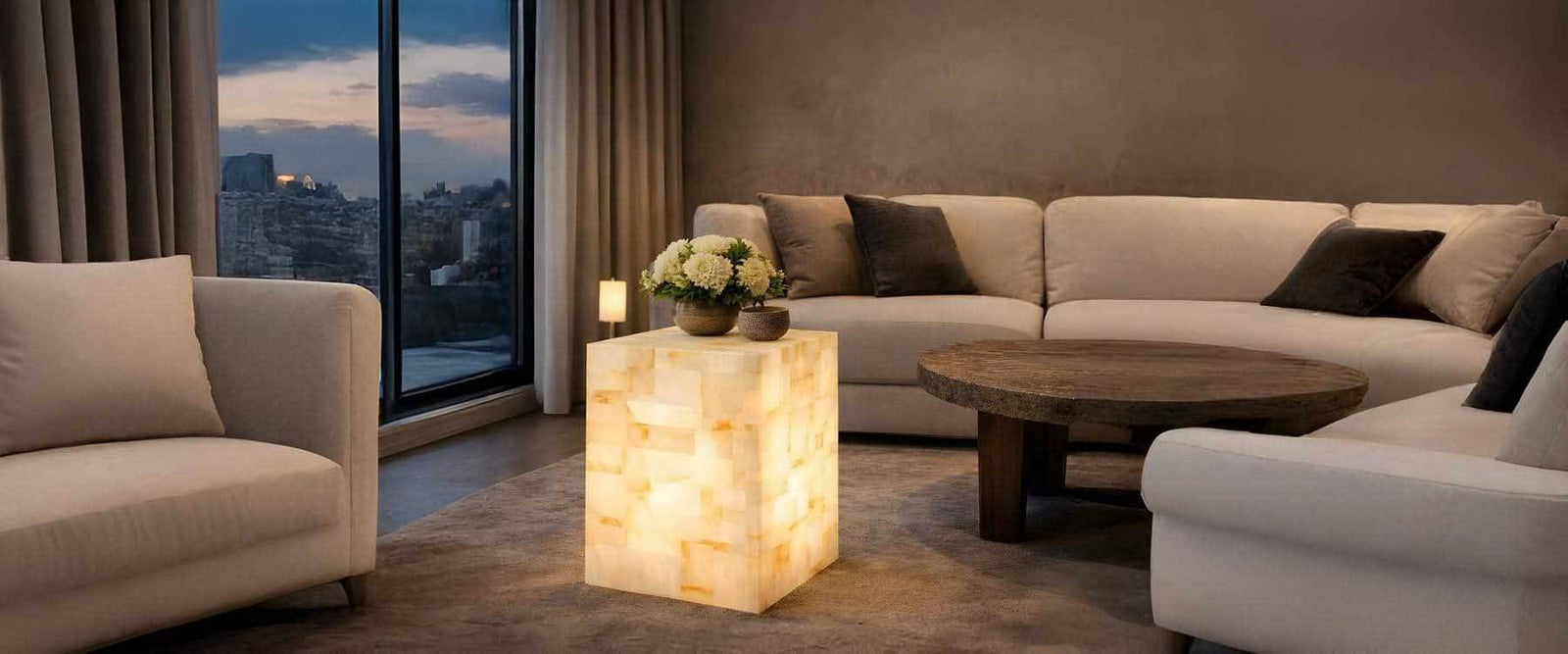
Alabaster floor lamps have a unique way of transforming a room from stark to welcoming. The moment they are switched on, the light shifts from functional to atmospheric, filling the space with a soft, creamy glow that feels calm and refined. Unlike standard floor lamps that simply brighten a corner, alabaster introduces depth, texture and emotional warmth.
At Niori, we often describe alabaster floor lamps as more than just lighting pieces they enhance how a room feels. Their natural veining, subtle translucency and gentle diffusion create an effect that cannot be replicated by glass or fabric shades. If your interior feels slightly cold, flat or overly modern, this material can rebalance it beautifully.

What Makes Alabaster Floor Lamps Feel Warmer Than Other Lighting?
Alabaster floor lamps feel warmer because the stone diffuses light naturally, softening glare and creating an even glow.
Alabaster is a translucent stone formed over thousands of years. When carved thinly, it allows light to pass through its surface rather than simply reflecting it outward. The result is:
A creamy, candle-like glow
No harsh hotspots
Reduced shadows
A layered lighting effect
This diffusion is what makes the warmth feel authentic rather than artificial. Even with modern LED bulbs, the glow remains soft and inviting.
In contrast, exposed bulbs or clear glass shades can create sharp brightness. Fabric shades soften light slightly, but they do not create the same depth that natural stone provides. This is why alabaster lighting has remained popular in both classic and contemporary interiors.

Why Do Alabaster Floor Lamps Work So Well in Living Rooms?
Alabaster floor lamps work beautifully in living rooms because they balance practicality with atmosphere.
A living room needs more than one type of lighting. It requires:
Ambient lighting for overall brightness
Task lighting for reading
Accent lighting to add warmth
A well-placed alabaster floor lamp can support all three functions. Positioned beside a sofa, it provides enough light to read comfortably while also casting a soft wash across the room.
Alabaster floor lamps for living rooms are particularly effective in neutral spaces. Cream walls, taupe upholstery and wooden finishes come alive under warm diffusion. Colours appear richer, and materials feel softer.
To create a cohesive scheme, many homeowners pair floor designs with alabaster table lamps on sideboards or consoles. This layering ensures the warmth is distributed evenly rather than concentrated in one corner.

How Does Alabaster Change the Mood of a Space?
Alabaster floor lamps changes the mood of a room by introducing softness and visual depth.
When a space relies solely on ceiling lights, it can feel flat and overly bright. Adding a floor lamp made from alabaster introduces:
Gentle shadows
Highlighted textures
A more intimate atmosphere
A sense of calm
In open-plan homes, this is particularly important. Large spaces often feel impersonal at night. A glowing floor lamp defines zones and creates pockets of comfort.
Modern alabaster floor lamp ideas often combine stone with brushed brass, bronze or matte black bases. The contrast between metal and stone enhances the glow while keeping the overall look contemporary. The key is balance clean lines paired with organic material.

How Tall Should an Alabaster Floor Lamp Be?
The ideal height for alabaster floor lamps generally ranges from 140cm to 170cm, depending on their purpose.
Height matters because it determines how the light spreads. For example:
In a reading corner, the light source should sit at shoulder height when seated.
For ambient lighting, the glow should reach eye level when standing.
In larger living rooms, taller column designs create a stronger visual presence.
A common mistake is choosing a lamp that is too short. If the glow sits below sofa height, it won’t distribute light effectively. On the other hand, overly tall designs can dominate smaller rooms.
Always measure:
Ceiling height
Sofa height
Available floor space
Proportion ensures warmth feels natural rather than forced.

Where Should You Place an Alabaster Floor Lamp?
Placement determines whether the warmth feels intentional or accidental.
For maximum effect, position the lamp where its glow radiates into the room rather than directly at a wall. Ideal locations include:
Beside a sofa
Next to an armchair
Between two seating areas
In a dim corner that needs balance
An alabaster floor lamp for reading corner should sit slightly behind and to the side of the chair. This avoids glare while providing focused light.
Avoid placing the lamp directly under strong downlights. Competing light sources reduce the impact of the stone’s diffusion. Instead, allow the floor lamp to serve as a primary evening light source.

How to Choose the Right Alabaster Floor Lamp
Choosing the right alabaster floor lamp involves balancing function, size and finish.
Step 1: Define Its Purpose
Decide whether it is for reading, ambience or visual impact. Function shapes every other decision.
Step 2: Assess the Room’s Scale
Large open spaces suit taller, sculptural forms. Compact rooms benefit from slim, understated designs.
Step 3: Select the Right Finish
Warm metals such as aged brass and bronze enhance the stone’s glow. Black frames create contrast in modern interiors.
Step 4: Choose the Correct Bulb Temperature
Stick to warm white (2700K-3000K). Cooler bulbs undermine the warmth.
Step 5: Consider the Surroundings
Look at nearby materials. Wood, linen and natural stone complement alabaster beautifully.
At Niori, we guide clients through these steps to ensure their lighting feels integrated rather than added as an afterthought.

What Are the Most Popular Modern Alabaster Floor Lamp Ideas?
Alabaster floor lamps in modern interiors focus on simplicity and material contrast.
Current favourites include:
Cylindrical stone columns
Globe-topped designs
Slim vertical panels
Arched metal frames with stone shades
The emphasis is on allowing the material to speak for itself. Overly ornate designs can distract from the natural veining that makes alabaster so distinctive.
When styled thoughtfully, these lamps work in:
Contemporary apartments
Traditional townhouses
Minimalist homes
Layered, textured interiors
The versatility of alabaster floor lamps is one of their strongest qualities.

What Mistakes Should You Avoid?
When styling alabaster floor lamps, avoiding common errors ensures you achieve true warmth rather than uneven lighting.
Frequent mistakes include:
Using cool white bulbs
Choosing the wrong height
Overcrowding the surrounding area
Placing the lamp in already bright zones
Ignoring proportion
Another oversight is failing to maintain the surface properly. Alabaster is porous and should be cleaned with a dry, soft cloth. Harsh chemicals can stain or dull the finish.
Remember that warmth comes from layering. One lamp alone may not complete the scheme. Complementary lighting elements create balance.

Quick Summary
Alabaster floor lamps add warmth because they diffuse light naturally and introduce organic texture into a room. Their soft glow reduces harshness, enhances colour and creates atmosphere.
They work especially well in living rooms and reading corners, where layered lighting is essential. Correct height, thoughtful placement and warm bulb temperatures are key to achieving the right effect. When chosen carefully, these lamps become both functional lighting and sculptural focal points.

Conclusion
Alabaster floor lamps bring together material beauty and practical lighting in a way few fixtures can. These alabaster floor lamps use natural translucency to soften brightness, add depth and transform the mood of a room. When placed correctly and paired with warm bulbs, they create inviting living spaces that feel balanced and refined.
From selecting the correct height to positioning them for maximum glow, every detail contributes to the final atmosphere. Styled in a contemporary setting or a more traditional home, alabaster floor lamps offer timeless warmth that elevates interiors with quiet confidence