
Introduction
Lighting has become one of the most influential design tools in today’s interiors, and nowhere is this more evident than in the evolving home kitchen. Beyond simple illumination, kitchen lights now play a role in shaping architecture, guiding movement, and defining mood. They bridge the gap between utility and artistry, bringing clean lines, thoughtful craftsmanship, and forward-thinking innovation into daily living. Whether you’re outfitting a renovation or refreshing a single fixture, kitchen lights carry the power to elevate the heart of your home.
This guide explores how to choose, mix, maintain, and style the best lighting options for modern kitchens. From classic silhouettes to contemporary forms and everything in between, you’ll find practical insights and actionable design tips to help you create a space that feels timeless, functional, and beautifully cohesive.

The Timeless Beauty of Classic Kitchen Lights
Classic kitchen lights are more than just fixtures they are design statements that bring character and warmth to your home. These timeless designs often feature ornate bases, sculpted profiles, rich finishes, and shades that showcase handcrafted details, reflecting the artistry of traditional homes. Common materials include brass, ceramic, and stained glass, each adding texture and heritage-inspired charm to your kitchen.
These fixtures create a sense of permanence and personality, especially in spaces with architectural details such as crown molding, shaker cabinetry, or carved millwork.
Homeowners who choose classic lighting often seek:
Depth and warmth: To make kitchens feel inviting and cozy.
Romance and elegance: Infusing the space with charm and sophistication.
Heirloom aesthetics: Curated, handcrafted designs that stand the test of time.
Classic kitchen lights remain a favorite for those who want to combine functionality with artistry, creating a kitchen that is not only practical but also visually captivating and timeless.

Modern Kitchen Lighting: Sleek Design and Function
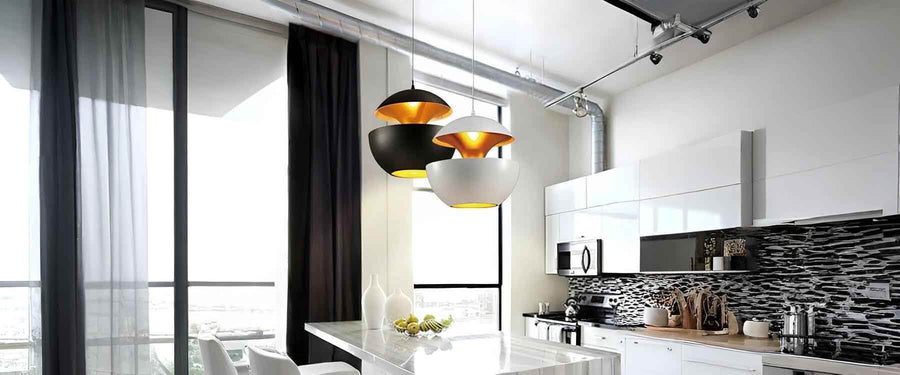
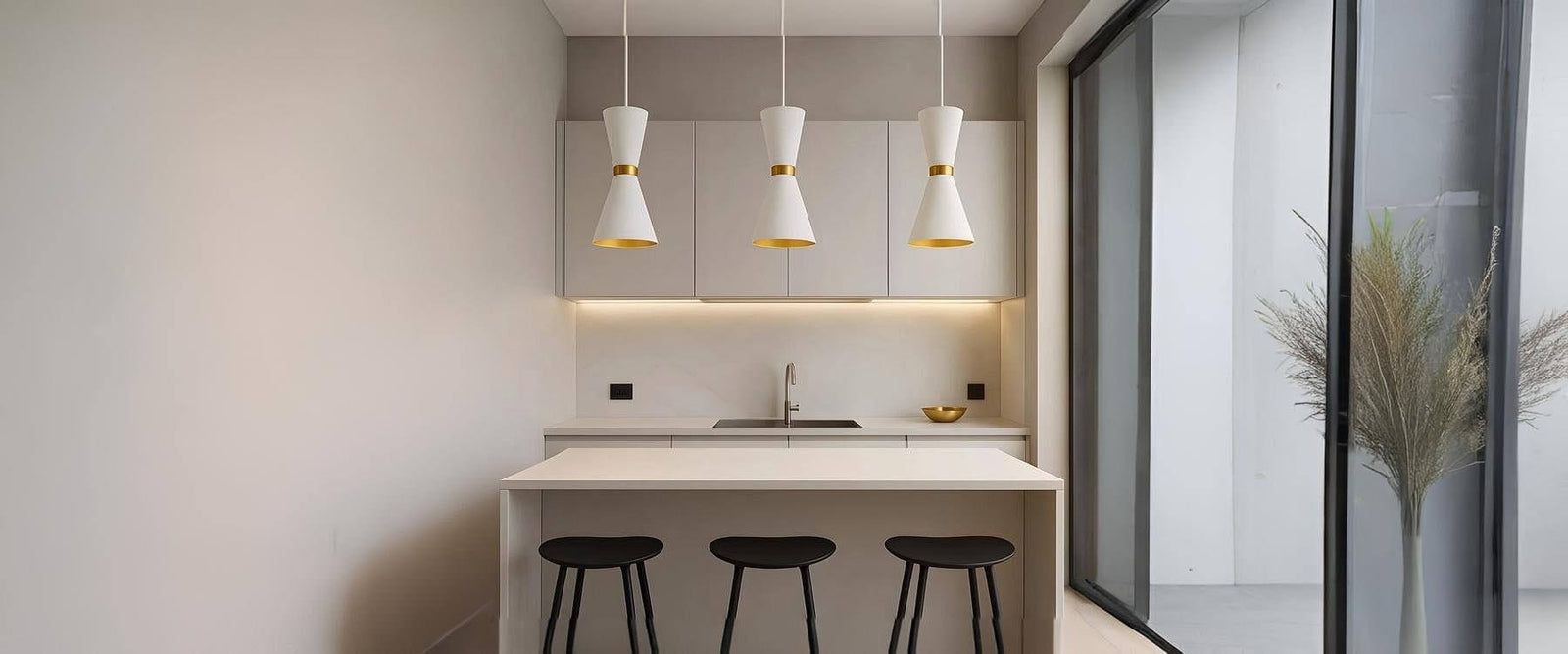
On the opposite end of the spectrum, contemporary kitchen lights embody minimalism, clean geometry, and calming simplicity. Their defining features include sleek surfaces, reduced ornamentation, and a focus on neutral palettes or monochrome accents. Metals like brushed nickel, blackened steel, and champagne bronze are paired with glass, marble, and integrated LED elements for a seamless look.
Current lighting trends spotlight smart illumination, thin-profile pendants, sculptural LED bars, and modular lighting systems that support flexible layouts. In contemporary kitchens, lighting doesn’t just brighten a room it's designed to disappear, hover, or visually declutter the space while maintaining maximum efficiency.

The Balance of Style in Transitional Kitchen Fixtures
Transitional kitchen lights sit perfectly between classic and contemporary styles, offering the warmth of traditional designs with the clean lines and materials of modern lighting. These fixtures are versatile, making them ideal for homes that blend multiple aesthetics or evolving renovations.
Key features of transitional lighting include:
Updated silhouettes: Classic shapes reimagined with slimmer lines and modern geometry.
Modern finishes: Think matte black lantern pendants instead of polished brass, or traditional dome shades with frosted LED glass.
Material harmony: Blends natural textures like wood and linen with sleek surfaces such as stone countertops or slab cabinetry.
Styling tips for transitional kitchen lights:
Pair fixtures with both soft textures and clean architectural surfaces for balance.
Use them as bridge pieces in spaces where furniture trends modern but architectural details lean traditional.
Maintain proportion and scale consistency across different fixtures to create a cohesive look.
Transitional kitchen lighting offers the best of both worlds, adding character, elegance, and functionality while ensuring your kitchen feels balanced and thoughtfully designed.

Maximizing Function and Comfort with Kitchen Lighting
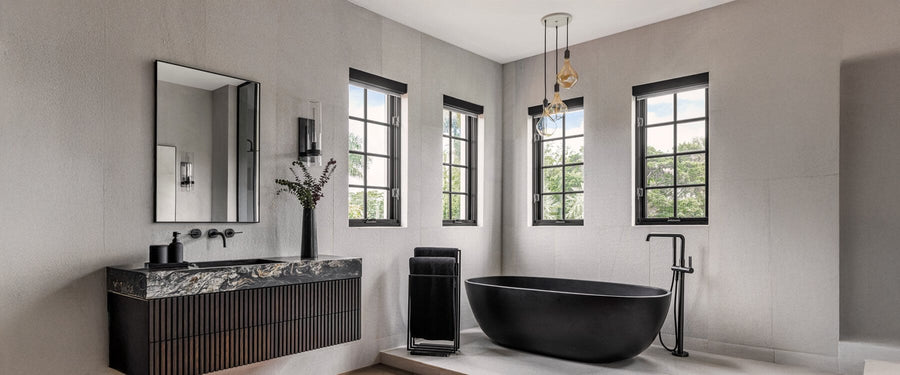
One of the most significant differences among lighting categories is how they function on a technical level. Modern picture lights, pendants, or sconces vary widely in usability and control options, and choosing well can dramatically improve comfort and energy consumption. Dimmable kitchen lights allow you to shift seamlessly from task-oriented brightness to ambient evening warmth. Smart controls introduce even more flexibility, enabling you to schedule routines, change color temperature, or adjust light zones from a phone or voice assistant. The same attention to performance benefits spaces like bathrooms as well, making bathroom lights an equally important part of a whole-home lighting plan.
When selecting bulbs, opt for energy-efficient LEDs that offer high CRI (color rendering index) ratings to ensure natural color perception in food, cabinetry, and countertops. For warmth without sacrificing clarity, 2700K-3000K remains the ideal color temperature range for kitchen environments.

Mixing Kitchen Lights for Cohesive Style
Blending styles within a space is a hallmark of sophisticated design and lighting is one of the easiest categories to experiment with. You can pair a traditional base with a crisp contemporary shade or mix metallic finishes across fixtures while keeping shapes consistent. Combining classic and modern kitchen lights adds depth and narrative structure to your décor, especially when the rest of your home follows an eclectic or transitional approach.
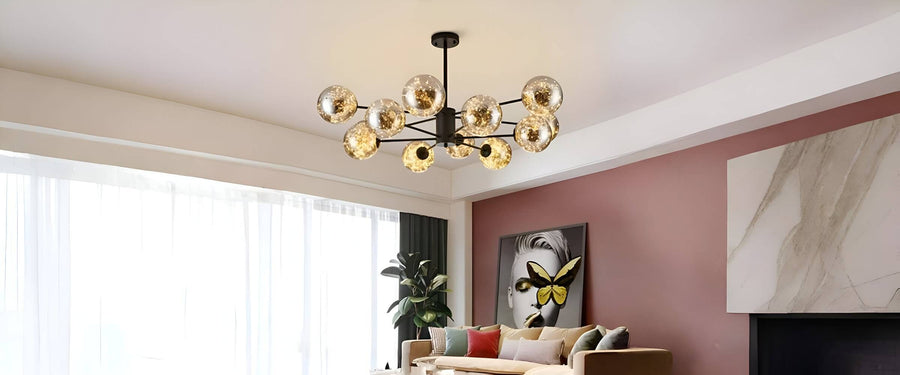
For spaces with open floor plans, consider selecting a main finish that ties all lighting together while allowing subtle variations in form. A brushed brass island pendant can sit harmoniously alongside matte black sconces if both share similar lines or proportions, mirroring the layered approach you might use when coordinating living room lights with nearby decorative fixtures.

Selecting the Best Kitchen Lights for Every Space
Each area in your home has its own lighting needs, and choosing the right fixtures ensures both functionality and visual harmony. The right kitchen lights can enhance the mood, highlight key features, and create a cohesive look throughout your space.
Here’s how different styles work best in various areas:
Classic lighting: Ideal for living rooms, reading nooks, and traditional-style kitchens or bedrooms, where warmth and intricate detailing help create a cozy, timeless ambiance.
Contemporary lighting: Perfect for offices, studios, and minimalist kitchens, offering clean lines, bright illumination, and an uncluttered feel that enhances focus and simplicity.
Transitional lighting: A versatile middle ground that works beautifully in open-concept homes or spaces blending modern and classic elements. These fixtures maintain consistency without appearing too uniform or repetitive.
By tailoring lighting styles to each zone, you’ll achieve a balanced and functional design that feels cohesive from one room to the next.

Balancing Style and Finish in Kitchen Lighting
In any lighting plan, consistency is key. When choosing finishes, materials, or lampshades, aim to complement the broader architecture and furniture. Classic lighting styles pair well with natural wood, marble, detailed paneling, or antique accents. Contemporary styles thrive alongside smooth stone, glossy cabinets, and monochromatic color schemes.
If your home blends both influences, choose kitchen lights that carry one unifying feature: finish, silhouette, or tone. This keeps the space visually grounded while allowing for design exploration. Neutral shades like linen, frosted glass, or matte ceramic are timeless options that balance both warmth and modern refinement. Coordinating your kitchen plan with thoughtfully chosen dining room lights and other adjacent fixtures helps open spaces feel connected and intentionally designed.

Conclusion
Lighting is one of the most powerful tools for transforming your home. With the right combination of classic, modern, or transitional fixtures, you can create a kitchen that’s not only functional but also a true reflection of your personal style. Every carefully chosen light adds depth, warmth, and balance turning an everyday space into the heart of your home.
For more inspiration and premium-quality lighting options, explore Niori’s curated collection of kitchen lights. You’ll find expert design insights, style guides, and timeless fixtures to help you create a space that feels beautifully illuminated and effortlessly cohesive.