


 Save 15%£20199£23900Unit price Translation missing: en.products.product.price.unit_price_separatorUnavailable
 Free Delivery
 Save 16%£18999£22500Unit price Translation missing: en.products.product.price.unit_price_separatorUnavailableFree Delivery
 Save 15%£13099£15500Unit price Translation missing: en.products.product.price.unit_price_separatorUnavailableFree Delivery
 Save 15%£13099£15500Unit price Translation missing: en.products.product.price.unit_price_separatorUnavailable
Niseko Triangular LED Flush Ceiling Light 3000K 35W - Light Brown
Free Delivery
 Save 15%£12299£14500Unit price Translation missing: en.products.product.price.unit_price_separatorUnavailableFree Delivery
 Save 16%£34999£41500Unit price Translation missing: en.products.product.price.unit_price_separatorUnavailable
Niseko Ring LED Flush Ceiling Light 3000K 78W - Light Brown Wood
Free Delivery
 Save 16%£33299£39500Unit price Translation missing: en.products.product.price.unit_price_separatorUnavailableFree Delivery
 Save 16%£34999£41500Unit price Translation missing: en.products.product.price.unit_price_separatorUnavailableFree Delivery
 Save 16%£33299£39500Unit price Translation missing: en.products.product.price.unit_price_separatorUnavailable
Niseko 900mm LED Ring Flush Ceiling Light 78W 3000K - Matt Black
Free Delivery
 Save 16%£29499£35000Unit price Translation missing: en.products.product.price.unit_price_separatorUnavailableFree Delivery
 Save 16%£28299£33500Unit price Translation missing: en.products.product.price.unit_price_separatorUnavailableFree Delivery
 Save 16%£29499£35000Unit price Translation missing: en.products.product.price.unit_price_separatorUnavailableFree Delivery
 Save 16%£28299£33500Unit price Translation missing: en.products.product.price.unit_price_separatorUnavailable
Niseko 780mm Ring LED Flush Ceiling Light 3000K 58W - Matt Black
Free Delivery
 Save 16%£23199£27500Unit price Translation missing: en.products.product.price.unit_price_separatorUnavailableFree Delivery
 Save 15%£21999£26000Unit price Translation missing: en.products.product.price.unit_price_separatorUnavailableFree Delivery
 Save 16%£23199£27500Unit price Translation missing: en.products.product.price.unit_price_separatorUnavailableFree Delivery
 Save 15%£21999£26000Unit price Translation missing: en.products.product.price.unit_price_separatorUnavailableFree Delivery
 Save 15%£14399£17000Unit price Translation missing: en.products.product.price.unit_price_separatorUnavailableFree Delivery
 Save 16%£13499£16000Unit price Translation missing: en.products.product.price.unit_price_separatorUnavailableFree Delivery
 Save 15%£14399£17000Unit price Translation missing: en.products.product.price.unit_price_separatorUnavailableFree Delivery
 Save 16%£13499£16000Unit price Translation missing: en.products.product.price.unit_price_separatorUnavailableFree Delivery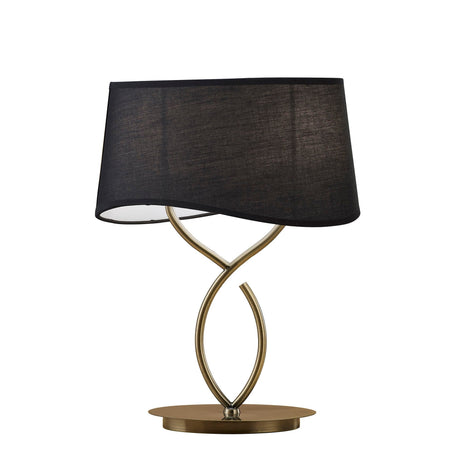
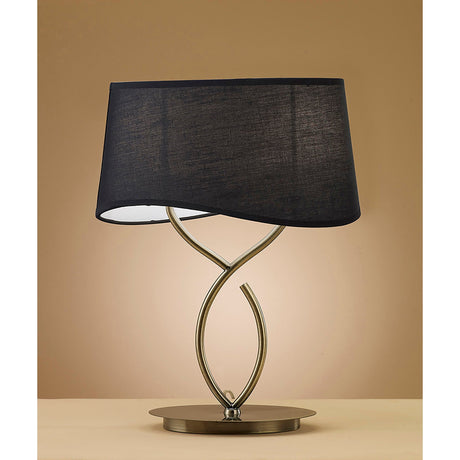 Save 16%£10899£12900Unit price Translation missing: en.products.product.price.unit_price_separatorUnavailableFree Delivery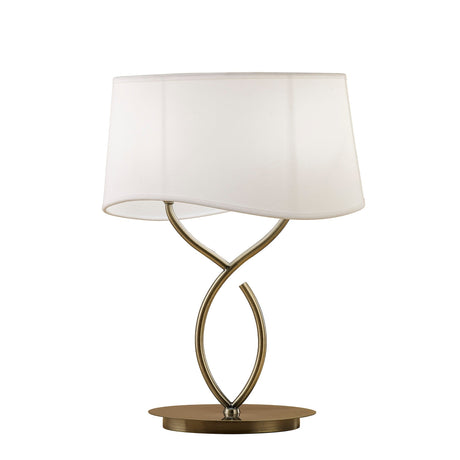
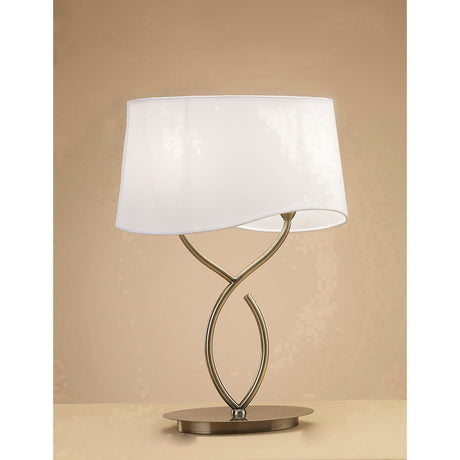 Save 15%£10199£12000Unit price Translation missing: en.products.product.price.unit_price_separatorUnavailable
Ninette 2 Light Table Lamp - Antique Brass with Ivory White Shade
Free Delivery
 Save 16%£15899£18850Unit price Translation missing: en.products.product.price.unit_price_separatorUnavailableFree Delivery
 Save 16%£14699£17400Unit price Translation missing: en.products.product.price.unit_price_separatorUnavailable
Ninette 4 Light Semi-Flush Ceiling Light - Black Shade Antique Brass
Free Delivery
 Save 16%£15599£18500Unit price Translation missing: en.products.product.price.unit_price_separatorUnavailable
Ninette 4 Light Semi-Flush Ceiling Light - Ivory White Antique Brass
Free Delivery
 Save 16%£18999£22550Unit price Translation missing: en.products.product.price.unit_price_separatorUnavailable
Ninette 4 Light Island Chandelier - Antique Brass with Black Shades
Free Delivery
 Save 15%£18599£22000Unit price Translation missing: en.products.product.price.unit_price_separatorUnavailable
Ninette 4 Light Island Chandelier - Antique Brass with White Shades
Free Delivery
 Save 15%£21299£25200Unit price Translation missing: en.products.product.price.unit_price_separatorUnavailable
Ninette 6 Light Chandelier 80cm - Antique Brass with Black Shades
Free Delivery
 Save 16%£21799£25800Unit price Translation missing: en.products.product.price.unit_price_separatorUnavailable
Ninette 6 Light Chandelier - Antique Brass with White Shades 80cm
Free Delivery
 Save 16%£15099£17900Unit price Translation missing: en.products.product.price.unit_price_separatorUnavailable
Ninette 4 Light Pendant Light - Antique Brass with Black Shades
Free Delivery
 Save 15%£12999£15350Unit price Translation missing: en.products.product.price.unit_price_separatorUnavailableFree Delivery
 Save 16%£12599£14950Unit price Translation missing: en.products.product.price.unit_price_separatorUnavailable
Ninette 4 Light Flush Ceiling Light 600mm - Ivory White Polished Chrome
Free Delivery
 Save 16%£12299£14600Unit price Translation missing: en.products.product.price.unit_price_separatorUnavailable
Ninette 4 Light Flush Ceiling Light - Black Shade with Antique Brass
Free Delivery
 Save 16%£12399£14700Unit price Translation missing: en.products.product.price.unit_price_separatorUnavailableFree Delivery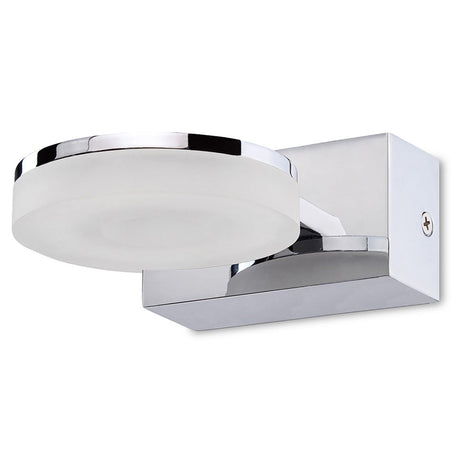
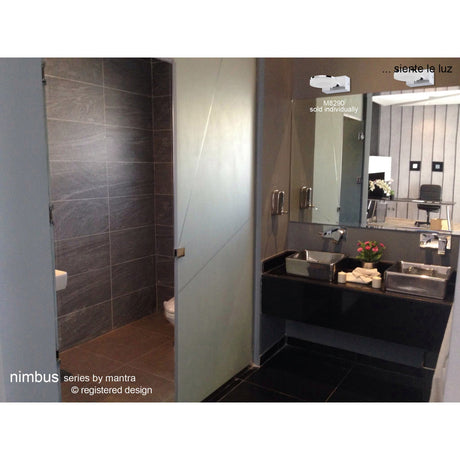 Save 15%£5199£6100Unit price Translation missing: en.products.product.price.unit_price_separatorUnavailable
 Save 16%£22699£26900Unit price Translation missing: en.products.product.price.unit_price_separatorUnavailableFree Delivery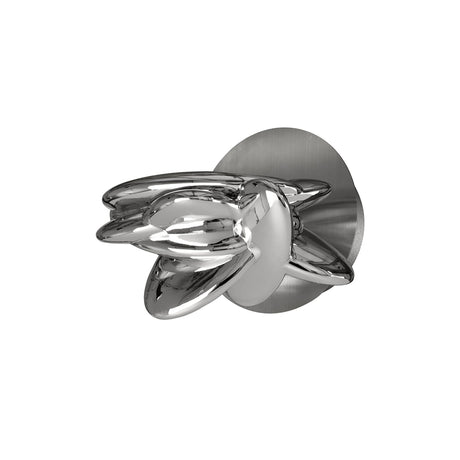
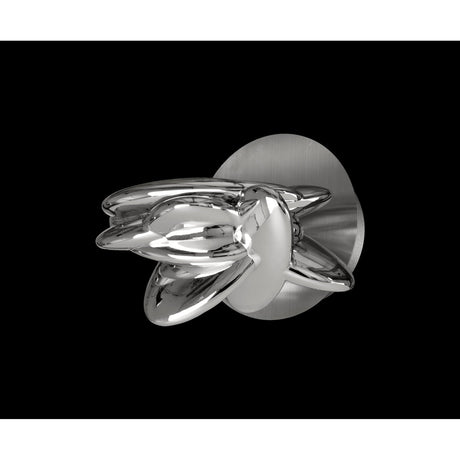 Save 16%£9699£11500Unit price Translation missing: en.products.product.price.unit_price_separatorUnavailable
 Save 16%£55899£66300Unit price Translation missing: en.products.product.price.unit_price_separatorUnavailableFree Delivery
 Save 16%£37699£44700Unit price Translation missing: en.products.product.price.unit_price_separatorUnavailable
Nido 4 Light LED Cluster Pendant Light 34W 3000K - Polished Chrome
Free Delivery
 Save 16%£33299£39500Unit price Translation missing: en.products.product.price.unit_price_separatorUnavailable
Nepal Mini CCT Dimmable LED Ceiling Fan Light With Remote & App Control - White
Free Delivery
 Save 16%£34599£41000Unit price Translation missing: en.products.product.price.unit_price_separatorUnavailable
Nepal Mini LED Ceiling Fan Light With Retractable Blades - White & Brown 75cm
Free Delivery
 Save 16%£33299£39500Unit price Translation missing: en.products.product.price.unit_price_separatorUnavailable
Nepal Mini LED Ceiling Fan Light Retractable Blades - Black 75cm
Free Delivery
 Save 16%£30399£36000Unit price Translation missing: en.products.product.price.unit_price_separatorUnavailable
Nepal II CCT Dimmable LED Ceiling Fan Light with Remote Control - White
Free Delivery
 Save 16%£31599£37500Unit price Translation missing: en.products.product.price.unit_price_separatorUnavailable
Nepal II CCT Dimmable LED Ceiling Fan Light With Remote Control - White/Brown
Free Delivery
 Save 16%£31599£37500Unit price Translation missing: en.products.product.price.unit_price_separatorUnavailable
Nepal II CCT Dimmable LED Ceiling Fan Light With Remote Control - Black/Brown
Free Delivery
 Save 16%£44299£52500Unit price Translation missing: en.products.product.price.unit_price_separatorUnavailable
Nepal CCT Dimmable LED Ceiling Fan Light With Remote, App & Voice Control - White
Free Delivery
 Save 16%£45999£54500Unit price Translation missing: en.products.product.price.unit_price_separatorUnavailable
Nepal CCT LED Ceiling Fan Light White & Wood - Remote, App & Voice Control
Free Delivery


Our Niori bedroom lights, hand-picked across many brands
We hand-pick our bedroom lights across a wide set of makers. Our own-brand range sits alongside selected pieces in modern, traditional and industrial styles from other makers. The range is built around how bedrooms actually get used: a soft ambient layer for the whole room, a task layer at the bed for reading, and an accent layer for dressing tables, alcoves and artwork. We stock pendant lights, wall lights, ceiling lights, chandeliers and table lamps in the same room-by-room mix, so you can plan one bedroom or a whole house from one catalogue.
How do I plan bedroom lighting around sleep and reading?
Good bedroom lighting answers two questions at once: how do you wind the room down for sleep, and how do you light specific tasks like reading, dressing and getting up in the night without flooding the room. The standard approach is to layer three sources rather than rely on a single overhead fitting.
Start with an ambient layer; a ceiling light, flush mount or low-hung chandelier sized to the room. Add a task layer at the bed: bedside lamps on each side, or wall lights mounted above the headboard if the bedside tables are narrow. Then add a third accent layer where you need it, usually a floor lamp by a reading chair or a small table lamp on a dressing table. With all three on separate switches or dimmers, you can run the room bright in the morning, soft in the evening and minimal late at night without rewiring the way you use the space.
Most of the bedroom lighting ideas that work across UK, US and AU bedrooms come back to the same principle: layer the light, keep the warm tones in the 2,700K-3,000K range, and put dimmers on anything that runs after dark.
Bedside lamps, overhead ceiling lights and accent floor lamps: the three jobs of bedroom lighting
The catalogue is structured around those three jobs. Pendant lights and chandeliers handle the central ambient layer, with ceiling lights and flush mounts covering rooms with lower ceilings or where a hanging fixture would sit too close to the bed. Wall lights cover bedside reading and accent zones around mirrors, alcoves and headboards. Table lamps handle bedside surfaces, dressing tables and console tops.
Modern is the largest style group, followed by traditional and industrial. Finishes span white, silver, polished chrome, black and gold, with neutral and monochrome the dominant colour registers. That means most bedroom palettes; pale and warm, dark and moody, brass-and-walnut, black-and-chrome; can be matched across the three layers without mixing styles awkwardly.
Bedside reading lights and bedroom wall lights for the bed surround
The bed surround does more lighting work than any other zone in a bedroom. Bedside reading lights need to point at the page, not the partner's face; bedroom wall lights mounted above the headboard need to clear pillow height; and any fitting on a bedside table needs to sit at roughly seated-shoulder height when you're reading in bed.
For most beds, a matched pair works better than a single fitting on one side. Wall-mounted reading lights with adjustable arms keep the bedside table clear and are useful for narrow tables; table lamps suit wider tables where you also want a base for a book, glass of water or phone. For the dedicated bedside range; the lamps customers most often search as bedside reading lights; see our bedside lamps range. For wall-mounted options including swing-arm sconces and headboard wall lights, see bedroom wall lights. The two ranges overlap in intent: bedside lamps sit on the table, bedroom wall lights mount on the wall, and most beds end up using one or the other depending on table width and socket position.
Bedroom ceiling lights and chandeliers for overall room cover
The ambient layer is what most people picture when they think "bedroom light"; the central fitting that lights the whole room when you walk in. For standard ceiling heights of around 2.4m, a flush or semi-flush ceiling light keeps headroom clear and reads cleanly under a low ceiling. For taller rooms, attics with vaulted ceilings or generous primary bedrooms, a chandelier hung centrally over the foot of the bed (not directly over the pillows) gives the same coverage with more visual weight.
Modern bedroom lighting in this layer leans towards clean discs, ring fittings and minimal pendant clusters in white, polished chrome or matt black. Traditional bedrooms suit multi-arm chandeliers in brushed gold, silver or antique brass, often paired with fabric shades. For the full range filtered by fixture type, see bedroom ceiling lights and bedroom chandeliers. Sizing rule of thumb: add the room's length and width in feet, and that figure in inches is a sensible chandelier or ceiling-fitting diameter. A 12ft × 14ft bedroom takes a fitting around 26 inches across; smaller bedrooms scale down accordingly.
Are dimmable bedroom lights worth the extra wiring?
For the bedroom specifically, yes; more so than for any other room. The bedroom runs at three or four different brightness levels across a single day: bright morning light to dress and pack, mid-level reading light in the evening, low-level mood light before sleep, and minimum-level wayfinding light for night-time. A non-dimmable fitting forces you to use lamps or extra switches to manage that range. A dimmable fitting on a wall dimmer or smart bulb handles it from one control.
The wiring cost is small if you're already replacing a fitting; most UK and US dimmer switches drop straight into the existing back-box, and smart bulbs need no rewiring at all. The most common upgrade is to put the ceiling layer on a dimmer while leaving bedside lamps on their own switches, which keeps reading and ambient levels independent of each other.
Bedroom mood lighting; how do I get a softer feel after dark?
Bedroom mood lighting is mostly a question of source position and colour temperature. Bright, cool, ceiling-down light reads as functional; warm light from low and lateral sources reads as restful. To shift a bedroom from functional to restful at night, drop the overhead layer right down (or off entirely), bring up the bedside lamps and any accent table or floor lamp, and keep the warm whites in the 2,400K-2,700K range rather than the cooler 3,000K-4,000K daylight range.
Decorative bedroom lights; small table lamps, picture lights, low-output wall sconces and lit alcove pieces; sit in this layer rather than the ambient one. They don't need to put out much light; they just need to put it in the right place, low and warm, to do the mood work.
Master bedroom lighting and US bedroom light fixtures
US customers tend to search bedroom lighting under slightly different terms. The broad category sits under "bedroom light fixtures" and "bedroom lighting" in the US, and the larger primary-bedroom layout is searched specifically as "master bedroom lighting"; a term that carries far more US volume than the UK equivalent because US homes more often have a dedicated primary suite with separate sleeping, dressing and sitting zones.
The lighting plan for a master bedroom or larger US-style bedroom is the same three-layer approach, scaled up. Ambient cover usually moves from a single ceiling fitting to either a larger chandelier or a ceiling fitting plus a pair of pendants over the bedside tables. The task layer doubles up with both wall-mounted reading lights and bedside table lamps, since the bed is usually further from the wall. The accent layer expands to cover a seating area, dressing table or walk-in closet entrance. Across the catalogue, the same bedroom light fixtures work for both standard UK bedrooms and larger US master bedrooms; the difference is scale, not type.
Browse related bedroom ranges
To browse the bedroom range by fixture type, follow the dedicated sub-ranges: bedroom ceiling lights for flush and semi-flush ambient cover, bedroom chandeliers for the central feature layer in larger rooms, bedroom wall lights for headboard sconces and accent mounting, and bedside lamps for the dedicated bedside-table range. Each range covers a single fixture type at the same style spread as the broader bedroom catalogue.
Frequently Asked Questions
How many bedroom lights do I need for an average bedroom?
How many bedroom lights do I need for an average bedroom?
What's the best bedroom lighting layout for reading in bed?
What's the best bedroom lighting layout for reading in bed?
Are dimmable or smart bedroom lights worth the extra cost?
Are dimmable or smart bedroom lights worth the extra cost?
Which of your bedroom lights are Niori-made, and which are third-party brands?
Which of your bedroom lights are Niori-made, and which are third-party brands?
What's a sensible budget for bedroom lighting across a whole room?
What's a sensible budget for bedroom lighting across a whole room?
What's the difference between bedroom lights, bedroom light fixtures and master bedroom lighting?
What's the difference between bedroom lights, bedroom light fixtures and master bedroom lighting?


BestSellers
-

 £44999Unit price Translation missing: en.products.product.price.unit_price_separatorUnavailable
Caelith LED Medium Carved Alabaster Wall Light - Brushed Brass
Limited StockFree Delivery In our showroom
 -

 £45999Unit price Translation missing: en.products.product.price.unit_price_separatorUnavailableFree Delivery
 -

 £10,79999Unit price Translation missing: en.products.product.price.unit_price_separatorUnavailableFree Delivery
 -

 £1,29999Unit price Translation missing: en.products.product.price.unit_price_separatorUnavailable
Seraphis LED Medium Alabaster Ring Chandelier - Brushed Brass
Free Delivery -

 £2699Unit price Translation missing: en.products.product.price.unit_price_separatorUnavailable
Panasonic Eneloop AA HR6 Rechargeable Batteries 2000mAh - 8 Pack
-

 Save 8%£49999£54299Unit price Translation missing: en.products.product.price.unit_price_separatorUnavailable
Helia 100cm LED Circular Pendant Light 55W 3000K - Matte Black
14 In StockFree Delivery -

 £1,19999Unit price Translation missing: en.products.product.price.unit_price_separatorUnavailableFree Delivery
 -

 Save 25%£65199£87000Unit price Translation missing: en.products.product.price.unit_price_separatorUnavailableFree Delivery
 -

 £1,49999Unit price Translation missing: en.products.product.price.unit_price_separatorUnavailableFree Delivery
 -

 £2,69999Unit price Translation missing: en.products.product.price.unit_price_separatorUnavailableFree Delivery
 -

 £2,09999Unit price Translation missing: en.products.product.price.unit_price_separatorUnavailable
Stratalux LED Stacked Alabaster Column Floor Lamp - Matt Black
Free Delivery -

 £1,79999Unit price Translation missing: en.products.product.price.unit_price_separatorUnavailable
Caelith LED Large Panel Alabaster Chandelier - Brushed Brass
Free Delivery


Recommended For You
Our Reviews
-

Birmingham Based
British heritage. Worldwide delivery.
