85mm Bi-Metal Holesaw - Knightsbridge


Why Niori
Over 20 years lighting homes worldwide
We are a specialist lighting and mirror retailer with showrooms in Birmingham, Hong Kong and Dubai, shipping to customers around the world. Our own design team is here to help, from first idea to final fitting.

Genuine products
An authorised stockist
Every product arrives brand new with the full manufacturer warranty. Found it cheaper elsewhere? Ask us about a price match.

Ordering with us
Free delivery over £99
Free delivery on orders over £99, in the UK and worldwide. Easy returns within 14 days, subject to our returns policy. Full manufacturer warranty included.

Design help
Not sure what you need?
Our design team can help you plan your lighting, share photos and videos of stock, and send samples worldwide. Book a showroom visit in Birmingham, Hong Kong or Dubai, or ask about our lighting design service.
You Might Also Like
-

 £49499Unit price Translation missing: en.products.product.price.unit_price_separatorUnavailable
Caelith 1 Light Medium Carved Alabaster Wall Light - Brushed Brass
 Free Delivery
 In our showroom
 -

 £63999Unit price Translation missing: en.products.product.price.unit_price_separatorUnavailable3 In StockFree Delivery
 -

 £11,87999Unit price Translation missing: en.products.product.price.unit_price_separatorUnavailableFree Delivery
 -

 £1,42999Unit price Translation missing: en.products.product.price.unit_price_separatorUnavailable
Seraphis LED Medium Alabaster Ring Chandelier - Brushed Brass
Free Delivery -

 £1,31999Unit price Translation missing: en.products.product.price.unit_price_separatorUnavailableFree Delivery
 -

 £80299Unit price Translation missing: en.products.product.price.unit_price_separatorUnavailableFree Delivery
 -

 £1,20999Unit price Translation missing: en.products.product.price.unit_price_separatorUnavailableFree Delivery
 -

 Save 25%£65199£87000Unit price Translation missing: en.products.product.price.unit_price_separatorUnavailableFree Delivery
 -

 £1,64999Unit price Translation missing: en.products.product.price.unit_price_separatorUnavailableFree Delivery
 -

 £2,96999Unit price Translation missing: en.products.product.price.unit_price_separatorUnavailableFree Delivery
 -

 £1,53999Unit price Translation missing: en.products.product.price.unit_price_separatorUnavailableFree Delivery
 -

 £2,30999Unit price Translation missing: en.products.product.price.unit_price_separatorUnavailable
Stratalux LED Stacked Alabaster Column Floor Lamp - Matt Black
Free Delivery


Recommended For You
Our Reviews
Featured Projects
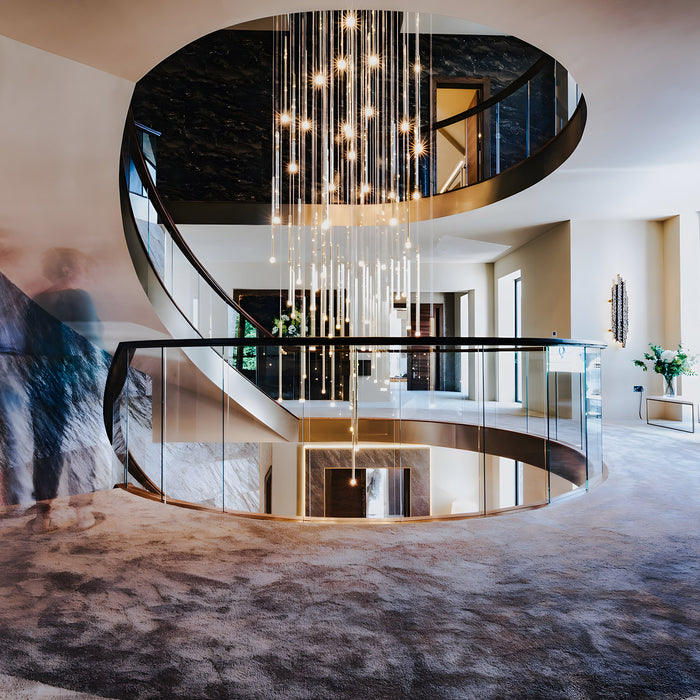
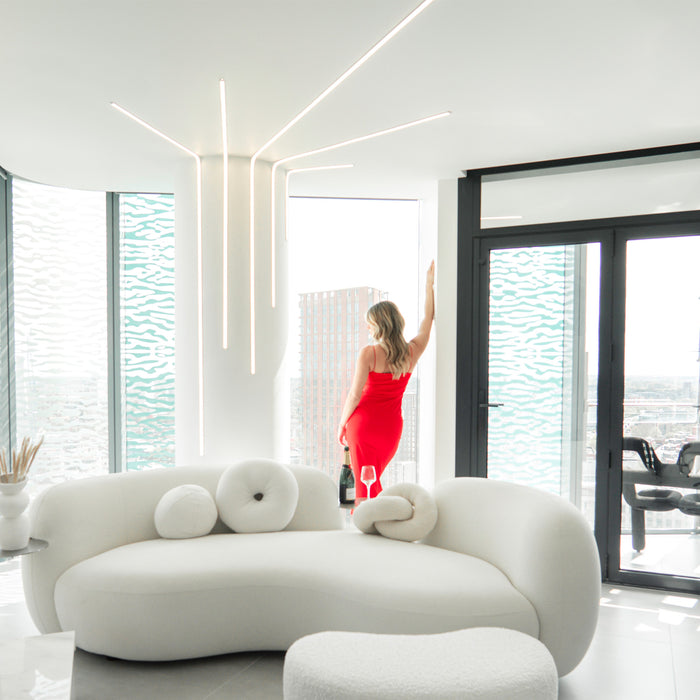
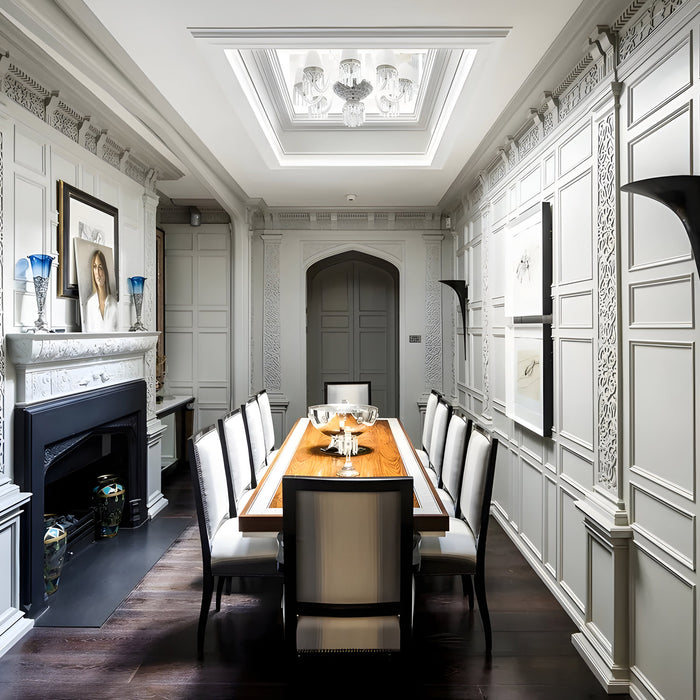
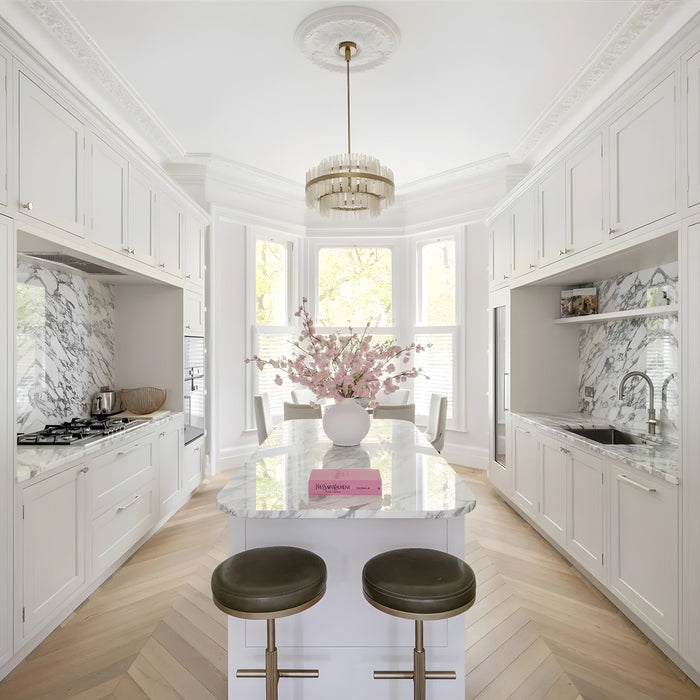
Step into our portfolio and see how we transform homes, restaurants, and commercial spaces and more, worldwide. Click here for a closer look at our latest projects.