
Introduction
For centuries, traditional chandeliers have symbolized refinement, luxury, and timeless beauty. Whether illuminating grand ballrooms, historic estates, or modern dining rooms, these fixtures continue to represent the pinnacle of decorative lighting. Unlike fleeting trends, traditional chandeliers remain relevant because they combine craftsmanship, artistry, and functionality in a way that adapts to evolving interiors. Homeowners and designers alike still choose them today because they bring both light and statement value to a room. In this guide, we will explore the most iconic types of traditional chandeliers, their origins, unique features, and how to style them in modern homes.

Crystal Traditional Chandeliers
Few fixtures capture elegance as perfectly as crystal traditional chandeliers. Originating in 17th-century Europe, these chandeliers became associated with royalty and aristocracy. Their design is meant to maximize sparkle and visual drama, creating an atmosphere of grandeur that cannot be replicated by simpler lighting fixtures.
Key Features:
Multiple tiers of cut-glass or lead crystal prisms.
Intricate metal frames often plated in gold, brass, or silver.
The ability to refract light into shimmering rainbow patterns.
Where They Work Best:
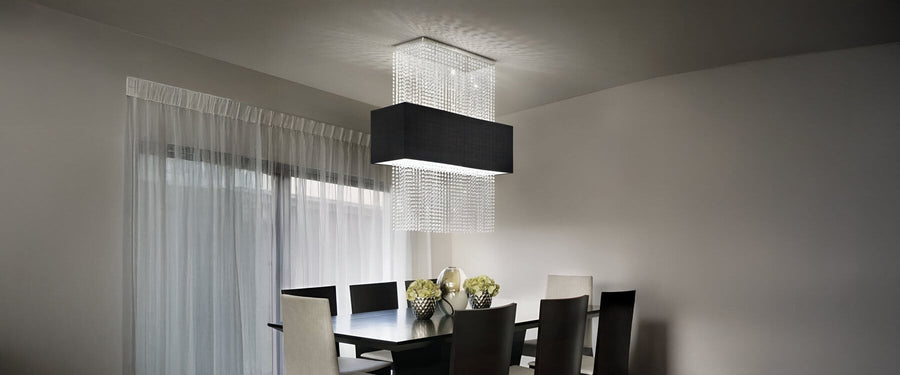
Crystal chandeliers are ideal for dining rooms, entryways, and ballrooms where drama and elegance are desired. In a modern home, they also create striking contrast when paired with minimalist décor, serving as a central focal point.
Modern Adaptation:
Today’s crystal chandeliers often integrate LED bulbs, which provide energy efficiency without sacrificing sparkle. Some designs feature simplified frames with fewer crystals to appeal to homeowners who prefer subtle elegance.
Candle Traditional Chandeliers
Candle-style traditional chandeliers are inspired by the earliest chandeliers, when iron or wooden frames held real candles. They are valued for their historic charm and warm ambiance.
Key Features:
Candelabra-style arms that resemble real candle holders.
Wrought iron, bronze, or brass finishes that highlight tradition.
Optional crystal accents that elevate elegance.
Where They Work Best:
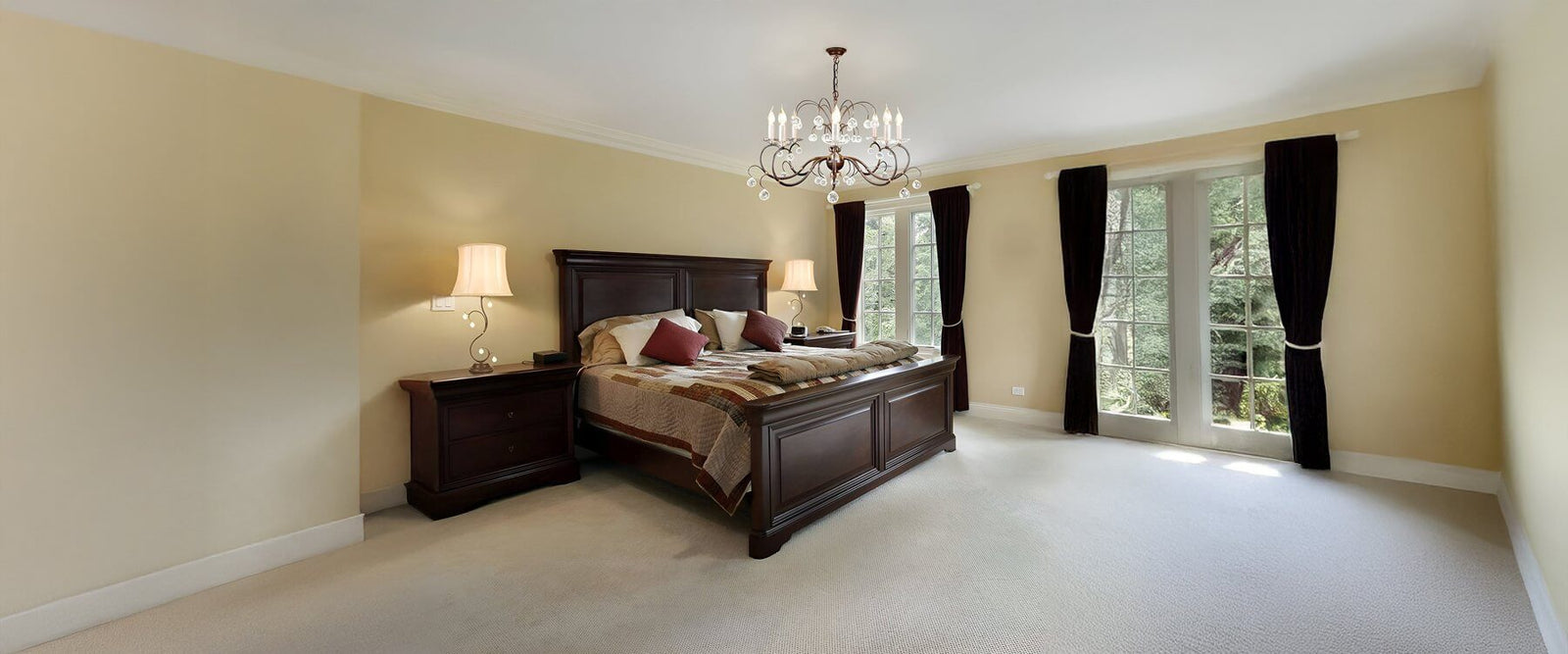
Candle chandeliers are perfect for rustic dining rooms, farmhouse kitchens, or living spaces with traditional architecture. Their warm glow makes them particularly suitable for creating intimate, inviting environments.
Modern Adaptation:
Instead of real flames, modern candle chandeliers use electric candle bulbs with flame-shaped tips. This retains the old-world look while making the fixture safe, convenient, and compatible with dimmers.

Empire Traditional Chandeliers
The Empire chandelier is one of the most regal and recognizable types of traditional chandeliers. It emerged in early nineteenth-century France and quickly spread across Europe as a symbol of wealth and prestige.
Key Features:
A structured frame shaped like an inverted basket or teardrop.
Strands of crystals or beads draped across the frame.
Finishes often include gilt bronze or polished brass.
Where They Work Best:
Empire chandeliers are suited to foyers, ballrooms, or formal dining rooms where scale and grandeur are necessary. Their majestic presence makes them a natural choice for large spaces with high ceilings.
Modern Adaptation:
Smaller versions of Empire chandeliers have gained popularity in private homes. These can be placed in bedrooms, bathrooms, or boutique-style kitchens, bringing unexpected luxury to more intimate spaces.

Tiered Traditional Chandeliers
Tiered traditional chandeliers are designed for visual impact, with multiple stacked levels that expand downward or outward. These chandeliers often appear in grand spaces, where their sheer size and layered effect create a sense of opulence.
Key Features:
Several layers of arms or crystals arranged vertically.
Expanded height and width suitable for high ceilings.
A cascading, dramatic presentation.
Where They Work Best:
Tiered chandeliers excel in stairwells, two-story entryways, or dining rooms. They are particularly effective when the architecture calls for a statement fixture that draws the eye upward.
Modern Adaptation:
Designers now use combinations of materials like glass, distressed wood, and polished metals. These mixed-material styles allow tiered chandeliers to transition easily into both contemporary and heritage-inspired interiors.

Wrought Iron and Rustic Variants
Not all traditional chandeliers focus on sparkle. Some emphasize strength, history, and rustic appeal. Wrought iron chandeliers trace their origins to medieval Europe, where artisans hand-forged heavy fixtures to light castles and monasteries.
Key Features:
Handcrafted iron frames with dark finishes.
Minimal ornamentation with a focus on strong structure.
Frequently designed with candle-style arms.
Where They Work Best:
These chandeliers are an excellent choice for farmhouse kitchens, rustic cabins, or dining spaces with exposed beams. Their understated presence complements interiors that already contain bold architectural details.
Modern Adaptation:
Today’s wrought iron chandeliers sometimes feature distressed wood integrated into the design. This makes them especially popular for the modern farmhouse aesthetic that values authenticity and warmth.

Glass and Transitional Styles
Glass chandeliers provide a lighter, more versatile alternative to crystal and iron fixtures. They maintain traditional roots while appealing to homeowners who prefer a softer presence.
Key Features:
Blown glass arms, either clear or frosted.
Simplified silhouettes that are less ornate than crystal chandeliers.
Variety of finishes, textures, and colors.
Where They Work Best:
Glass chandeliers fit seamlessly into bedrooms, kitchens, and transitional living spaces. They are ideal for homeowners who want the look of traditional chandeliers without overwhelming their décor.
Modern Adaptation:
Designers have embraced colored glass, Murano-inspired styles, and LED integration. These updates make glass chandeliers both functional and adaptable to contemporary interiors.

Why Traditional Chandeliers Remain Relevant
The enduring appeal of traditional chandeliers lies in their ability to adapt without losing their identity. Crystal styles continue to dazzle, candle chandeliers maintain historic charm, and wrought iron versions preserve rustic strength. Meanwhile, modern adaptations allow them to blend seamlessly into new homes and designs.
Practicality also contributes to their relevance. Advances in lighting technology, such as LED integration, dimmable bulbs, and smart-home compatibility, ensure these fixtures meet today’s needs. A traditional chandelier is no longer just a decorative statement; it is also an energy-efficient, functional light source.
Finally, there is the symbolic aspect. Installing a chandelier elevates a space instantly. It speaks to tradition, permanence, and elegance, qualities that homeowners and designers continue to value.

Tips for Choosing the Right Traditional Chandelier
When selecting a chandelier, homeowners should consider scale, placement, and style alignment. Here are some practical guidelines:
Scale and Size: Measure the dimensions of your room. A chandelier that is too small will feel insignificant, while one that is too large can overwhelm the space.
Ceiling Height: Traditional chandeliers, especially tiered or empire styles, require adequate ceiling height. For lower ceilings, consider simplified glass or single-tier options.
Room Function: Choose a chandelier style that matches the purpose of the room. For example, a crystal chandelier suits a formal dining room, while a wrought iron piece is better for a rustic kitchen.
Lighting Needs: Consider how much light the room requires. Some chandeliers provide ambient glow, while others can illuminate a large area.
Design Harmony: Match finishes and materials to existing décor elements like flooring, hardware, or furniture.

Conclusion
Traditional chandeliers remain among the most iconic and versatile lighting choices because of their history, artistry, and ability to adapt. From the sparkling brilliance of crystal chandeliers to the robust charm of wrought iron, each style offers unique character. Empire designs impress with their grandeur, tiered fixtures dominate vast entryways, and glass chandeliers provide a softer yet equally timeless touch.
When chosen thoughtfully, a chandelier does more than provide illumination. It becomes the focal point of a room, enhancing its atmosphere and defining its personality.