
Introduction
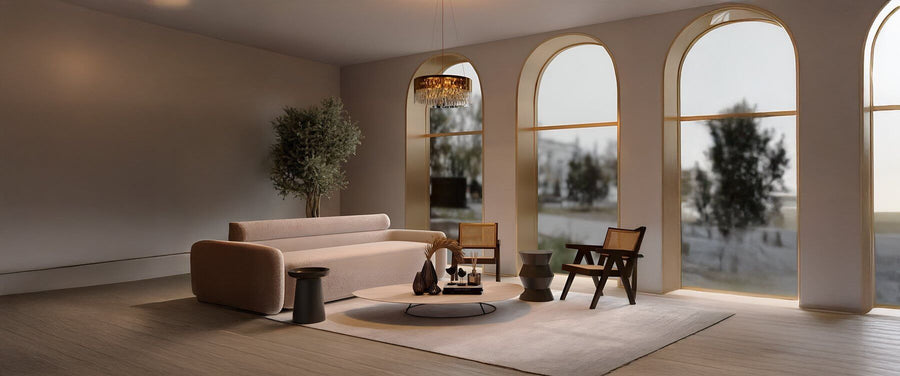
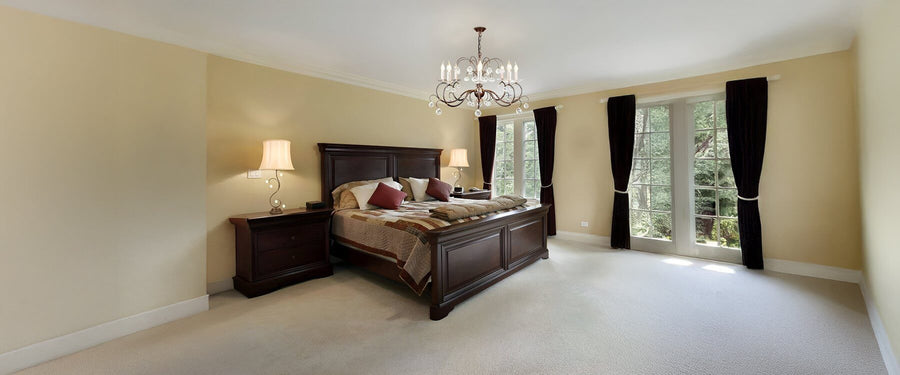
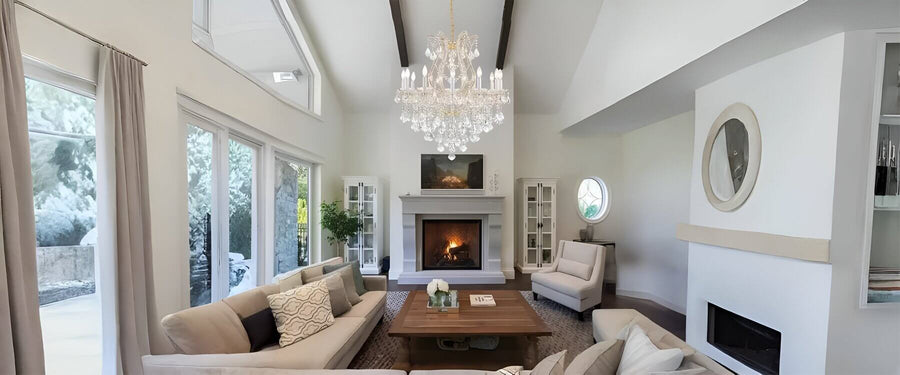
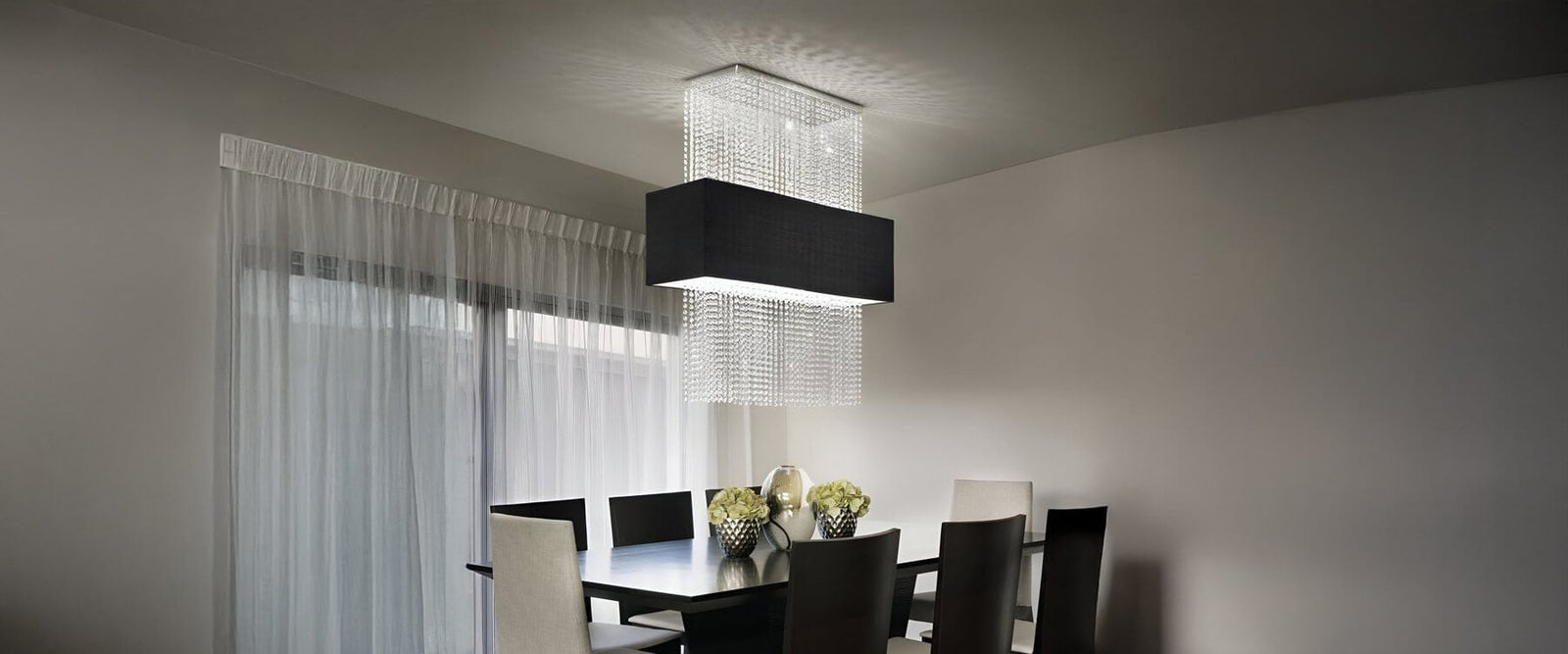
Are crystal chandeliers out of style? The short answer is no. While the image of a towering fixture dripping with prisms still exists, today’s options are lighter, smarter, and scaled for the way people actually live. Designers have refined form and function so the sparkle works in contemporary settings, from compact apartments to open-plan homes. With slimmer frames, efficient light sources, and thoughtful proportions, crystal chandeliers now deliver elegance without excess. 
The Enduring Appeal of Crystal
Crystal has a unique way of bending and scattering light that glass imitations rarely match. That optical quality is why these fixtures remain synonymous with luxury and celebration. What has changed is the construction and intent. Instead of ornate arms that dominate a room, makers emphasize balance, weight reduction, and clean profiles. Trim counts are more curated, metalwork is slimmer, and the relationship between diameter, drop, and furniture layout is carefully considered. In short, the charisma stays while the silhouette gets smarter, which keeps crystal chandeliers relevant across styles from classic to ultramodern.

Smaller Scale, Bigger Impact
Many homes do not have a palatial dining room, yet people still want the signature sparkle. Enter compact crystal chandeliers that prioritize proportion. By trimming diameter and depth, these fixtures fit over bistro tables, in entry vestibules, or above bedroom seating. For renters or condo owners, crystal chandeliers in small spaces make a strong statement without crowding sightlines.
A quick sizing guide helps: add the room’s length and width in feet, then convert that sum to inches for an approximate fixture diameter. For example, a 10 by 12 foot room suggests about a 22 inch diameter. In a dining area, choose a piece that is roughly one half to two thirds the width of the table. Keep 30 to 36 inches of clearance above the tabletop to maintain comfortable views across the setting. These simple rules preserve the sparkle while keeping scale in check so crystal chandeliers feel integrated, not imposing.
LED Crystal Integration: The Technology Shift
The biggest leap forward is LED crystal integration. Traditional incandescent bulbs produced heat, required frequent replacement, and limited design options. LEDs run cool, last years, and can be concealed along rings, spines, or linear bars that backlight the prisms. The effect is a uniform halo rather than a few bright points, which looks modern and photographs beautifully.
LEDs also unlock control. Dimming without flicker, warm-to-dim curves that move from bright task light to candlelike evening tones, and even color-tunable options are now common. Energy savings are substantial, and maintenance drops sharply. Technology has allowed crystal chandeliers to keep their glamour while delivering better performance in daily life.

Minimalist and Reduced-Scale Designs
Maximalism has its fans, but many homeowners want subtle luxury. That is where minimalist crystal fixtures dominate. Think slender hoops with faceted bands, linear beams lined with micro-prisms, or small clustered pendants arranged like jewelry. The geometry is crisp, the metalwork restrained, and the sparkle controlled. A reduced scale crystal chandelier can hang in multiples over a long table, float in a stairwell without blocking views, or punctuate a living room corner as a sculptural accent. Finishes such as matte brass, satin nickel, and blackened steel keep the look current and reduce visual noise around the crystals.
How Modern Homes Use Crystal Today
Placement has expanded far beyond the formal dining room. Kitchens use modern crystal lighting above breakfast nooks or at the end of an island for a softer counterpoint to stone and steel. Bedrooms gain a gentle focal point by centering a smaller piece over a bench or at the foot of the bed, then pairing it with dimmers for evening routines. Hallways and landings benefit from scaled-down rings that provide a welcoming glow without crowding headroom. In living rooms, crystal pairs well with textured materials like oak, plaster, boucle, or concrete; the contrast highlights both shimmer and tactility. Layering is key: combine a centerpiece with recessed, wall, or floor lights so crystal chandeliers contribute to an overall scheme rather than acting alone.

Sustainability and Smart Controls
Sustainability is no longer an afterthought. Energy-efficient drivers, recyclable metals, and durable finishes extend product life, while LED modules reduce waste compared to frequent bulb changes. Smart systems amplify the benefits. App or voice control sets scenes for dining, entertaining, or movie nights; schedules match circadian rhythms; occupancy sensors trim energy use when spaces sit empty. When paired with LED crystal integration, the glow remains even and comfortable at any output level. All of this makes crystal chandeliers both luxurious and considerate of long-term costs.

Design Tips for Using Crystal in Modern Spaces
Use these practical guidelines to get the placement, proportion, and styling right.
Match scale to architecture
Choose compact crystal chandeliers for modest rooms and standard ceiling heights. In long rooms, consider two medium fixtures instead of one oversized piece to distribute light and balance sightlines.Respect height and clearance
Over dining tables, aim for 30 to 36 inches from tabletop to the lowest crystal. In circulation zones, maintain at least 7 feet of head clearance. For double-height foyers, hang so the lower tier sits just above the second-floor line of sight.Layer light intentionally
A centerpiece looks best when it is not doing all the work. Use downlights for task needs, sconces or picture lights for accent, and allow the chandelier to handle ambient sparkle. Thoughtful layering makes crystal chandeliers feel integrated and comfortable.Coordinate finishes and textures
If the kitchen hardware is brushed nickel, consider the same on the canopy and frame. Pair crystals with matte stone, limewash, or natural woods for a refined contrast. In minimal interiors, a reduced scale crystal chandelier keeps the room calm while still adding a signature moment.Embrace control
Specify dimmable drivers and warm-to-dim ranges when possible. Scene presets let you jump from weekday dinner to weekend party lighting in one tap. Smart dimmers also extend lamp life and reduce energy consumption.Think maintenance
Look for designs with quick-release prisms or sealed bands that minimize dust. Microfiber gloves and distilled-water cleaner keep facets bright. Routine wipe-downs are easier when the fixture’s geometry is simple and accessible, which is another reason crystal chandeliers with streamlined forms are practical.

Room-by-Room Ideas
Dining room
Choose a diameter about one half to two thirds the table width. If the table is very long, use two fixtures aligned to the place settings. Keep dimmers handy so meals feel intimate rather than overlit.Kitchen
Anchor a breakfast nook with a compact ring and let island pendants handle task light. The juxtaposition of sparkle and functional lines reads curated, not fussy.Living room
Use a central piece to gather a conversation area, then support it with floor lamps for reading and sconces for art. This layered approach ensures crystal chandeliers look intentional from every seat.Bedroom
A smaller diameter with warm dimming sets a calm tone. Balance the composition with bedside fixtures so the centerpiece serves atmosphere while tasks stay covered.Entry and stair
In tall spaces, stack two reduced-drop rings or select a vertical cascade that clears the path. Align the bottom tier with the upper railing for an elegant sightline from above.

Conclusion
The myth that sparkle belongs only in ballrooms is outdated. With compact sizing, integrated LEDs, and streamlined geometry, crystal chandeliers feel tailor-made for contemporary homes. They add character without clutter, work efficiently, and adapt to diverse rooms through thoughtful layering and control. If you want a fixture that brings both presence and practicality, the modern evolution of crystal is hard to beat. Explore scaled options at Niori, tune the light with smart dimming, and pair shimmer with tactile materials. Used with intent, crystal chandeliers deliver timeless brightness that suits the way we live now.