
Introduction
Good lighting doesn't just brighten a room it sculpts the atmosphere, defines architecture, and sets the emotional tone of a home. Among the most enduring options for elevating interiors, traditional chandeliers remain a favorite for homeowners seeking refinement and character without sacrificing modern functionality, appearing in both classic and contemporary spaces.
With clean lines, updated materials, and smart-enabled features, these statement fixtures create a bridge between heritage and forward-looking design. This guide breaks down what makes them timeless, how to style them in different rooms, and how to maintain them, while offering practical tips you can use whether you’re refreshing a single space or planning a full home lighting update.

Signature Design Features of Traditional Chandeliers
To understand the appeal of traditional chandeliers, it helps to look at the design traits that make them instantly recognizable. These fixtures are known for ornate bases, rich finishes, sculptural silhouettes, and the sense of permanence they add to a room. While styles vary, you’ll often find elements such as curved arms, layered tiers, and detailed shades.
Common materials include brass, ceramic, and stained glass, each contributing a distinct mood. Brass brings warmth and vintage charm, ceramic adds artisanal character, and stained glass introduces color and craftsmanship reminiscent of historic European lighting and iconic tiffany lighting pieces. These details reflect classic lighting traditions rooted in heritage and handmade artistry.

Reimagining Traditional Chandeliers for Modern Interiors
Although many homeowners still picture traditional chandeliers as overly ornate, today’s interpretations often blend timeless structure with minimalist enhancements. Sleek metals, marble accents, and hand-blown glass are increasingly popular, while warm LED integration delivers energy efficiency without compromising a classic glow. This evolution also makes it easy to layer these fixtures alongside modern chandeliers in homes that mix old and new design languages.
Current design trends lean toward neutral palettes, sculptural forms, and lighting that works both aesthetically and functionally. Many newer fixtures feature adjustable brightness, cleaner silhouettes, and mixed materials that keep classic shapes feeling relevant in contemporary interiors, complementing everything from transitional spaces to ultra-modern rooms seeking warmth and contrast.

Designing with Traditional Chandeliers in Modern Rooms
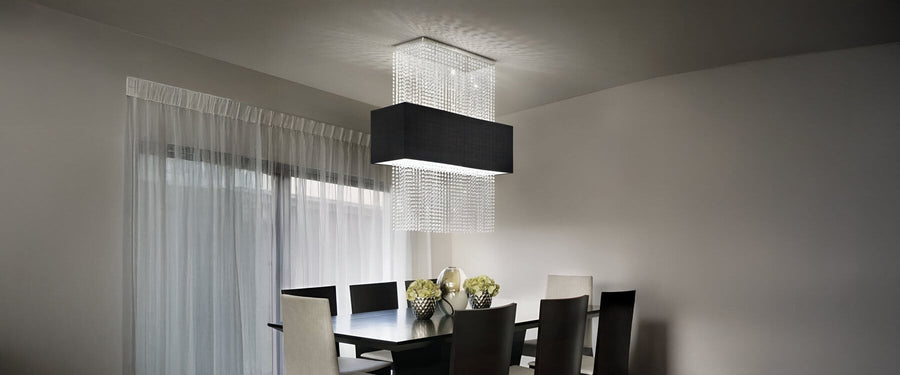
What makes traditional chandeliers especially compelling is their ability to merge the ornate beauty of historic design with the geometry and restraint of modern décor. Think of a classic silhouette upgraded with a matte black finish, or an intricately curved frame balanced by minimalist linen shades. These hybrids feel familiar yet fresh.
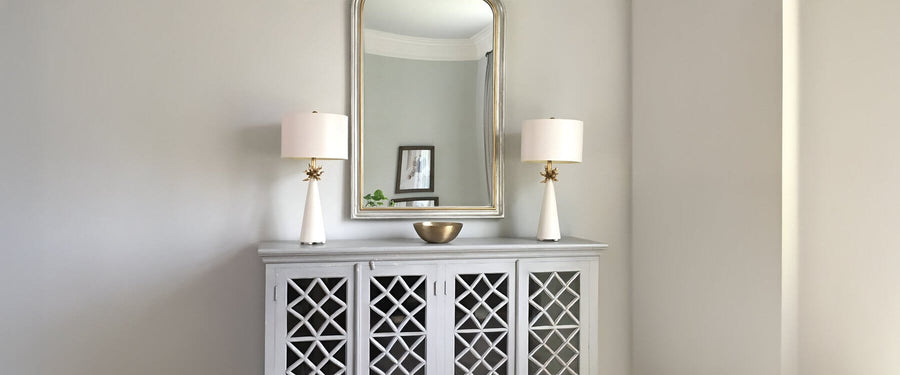
For styling, consider using traditional elements in spaces that benefit from visual contrast. In eclectic interiors, a chandelier with classic curvature and modern metallics can anchor the room. In evolving spaces such as remodeled dining rooms or hybrid living-work zones mixing old-world charm with streamlined details helps create cohesion across changing architectural features. For maximum effect, echo one material from the chandelier (such as brass or glass) elsewhere in the room through hardware, picture frames, or furniture legs.

Smart, Safe & Efficient: How to Power Your Chandelier
Technology has dramatically improved the usability of traditional chandeliers, giving homeowners precise control over both ambiance and energy consumption. Many fixtures now feature dimmable drivers that allow smooth transitions from bright task lighting to a soft evening glow, while smart dimmers and voice-activated systems integrate seamlessly into everyday routines.
Bulb selection is equally important. Opt for LED bulbs that mimic warm incandescent tones while offering long-term efficiency, and look for color temperatures between 2700K and 3000K to create a cozy, inviting atmosphere. With the right bulbs in place, these fixtures deliver authentic warmth while keeping maintenance low.
Safety matters as well: ensure each chandelier is properly wired, installed at a secure height, and matched to the correct wattage. A yearly check of wiring, chains, and mounting plates helps preserve both performance and peace of mind.

Layering Traditional Chandeliers in Modern Interiors
Blending styles is one of the most exciting aspects of modern interior design, and traditional chandeliers play a key role in creating depth and sophistication. Instead of sticking to a single aesthetic, try pairing a traditional base with a contemporary shade for a refreshed silhouette. For example, a brass chandelier with crisp white drum shades can feel both classic and minimal, especially when layered with sparkling crystal chandeliers in adjacent or complementary spaces.
Across multiple rooms, mixing finishes creates a curated, intentional flow. A chandelier with aged bronze in the dining room can harmonize with brushed nickel fixtures in the kitchen, as long as the overall palette stays consistent. The goal is contrast without chaos. When done right, the combination of old and new allows traditional chandeliers to enhance texture, personality, and architectural richness.

Where to Use Chandeliers in Your Home
Placement is everything. Different rooms call for different interpretations of traditional chandeliers, and choosing the right one can elevate the entire home.
Living Rooms, Libraries, and Classic Bedrooms
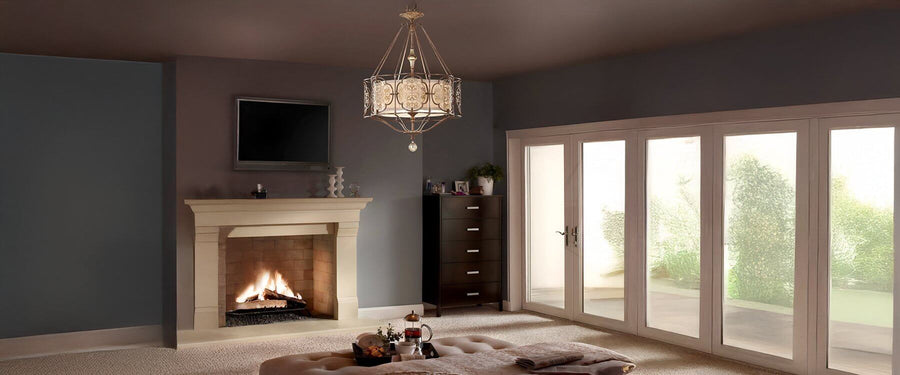
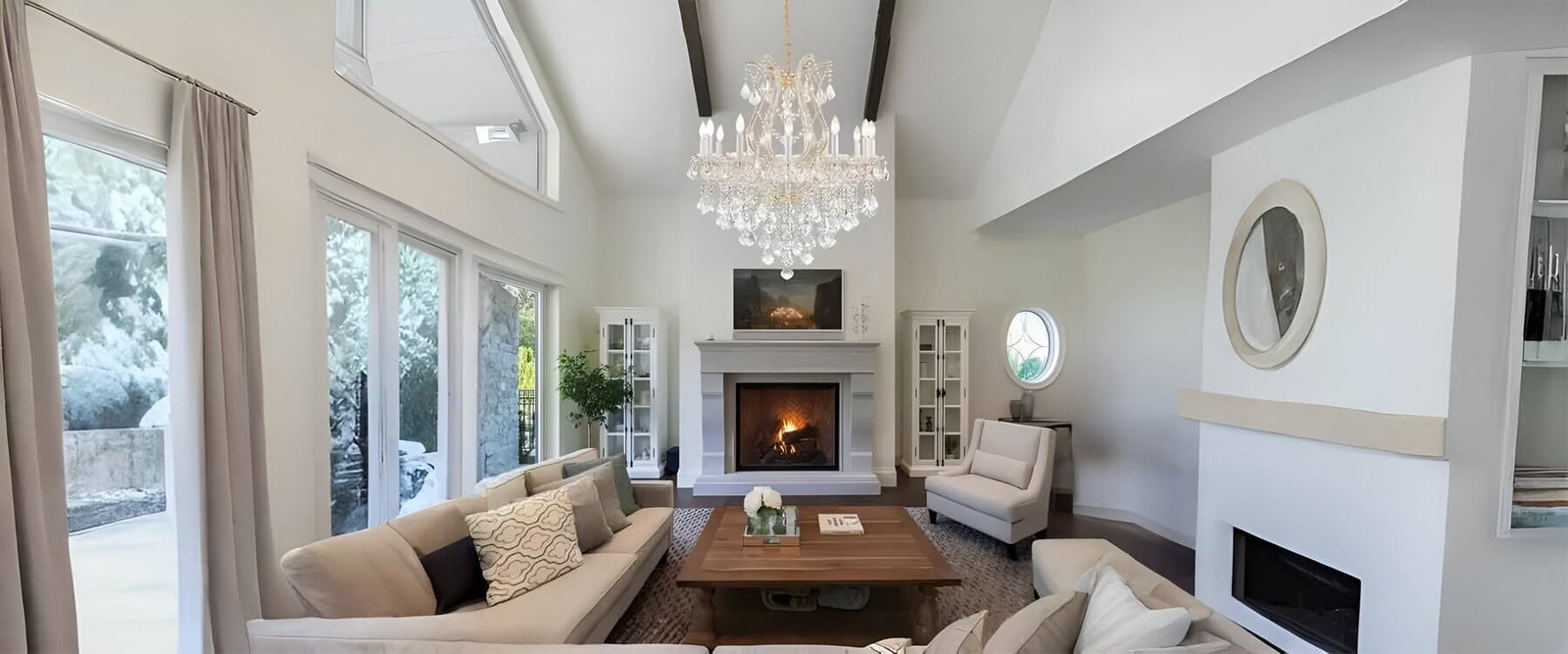
Spaces that lean toward warm textures, layered décor, or vintage influences benefit from more ornate chandeliers with sculptural arms or classic finishes. These rooms thrive on atmosphere, making chandeliers with intricate detailing especially impactful.
Offices, Studios, and Minimalist Spaces
In streamlined environments, choose a traditional silhouette with modern materials—matte metal, frosted glass, or scaled-down proportions. These designs introduce character without overwhelming the clean aesthetic.
Hallways and Transitional Areas
For cohesive flow, choose fixtures with simplified geometry and versatile tones. They visually connect rooms while adding subtle elegance, especially in open-concept layouts where lighting needs to unify multiple functions.
Proper hanging height is essential:
Entryways: 7 feet above the floor
Dining rooms: 30-36 inches above the table
Bedrooms and living rooms: Centered for balance, or offset for designer appeal.

Coordinating Chandelier Finishes with Your Décor
Finish selection directly impacts how well a chandelier integrates into your décor. Bronze, brass, and antique gold contribute warmth in traditional settings, while brushed nickel or soft black offer a clean, transitional feel. For added cohesion, match chandelier finishes to door hardware, cabinet pulls, or table bases.
Shade materials also influence ambiance. Linen softens the glow; frosted glass diffuses light evenly; and stained glass creates visual drama. Always consider architectural details moldings, beams, and ceiling height to ensure your chandelier reinforces the room’s scale and character.
Classic lighting styles excel when they feel harmonious, not overpowering. By curating textures and finishes intentionally, traditional chandeliers become the focal point that ties your design narrative together.

Conclusion
Whether you're renovating a single room or refreshing your entire lighting plan, traditional chandeliers offer a timeless blend of craftsmanship, elegance, and modern efficiency. Their ability to merge heritage with upgraded materials and smart controls makes them a versatile choice for today’s interiors. From ornate designs in classic rooms to simplified silhouettes in modern spaces, these fixtures elevate ambiance while introducing character and warmth.