
Introduction
Reading is one of the most rewarding and enriching activities, whether you’re enjoying a gripping novel, catching up on work reports, or studying for exams. But without the right lighting, what should be a pleasant experience can quickly become uncomfortable. Poor lighting is one of the leading contributors to eye strain, headaches, and fatigue during reading sessions. The right reading lights can change that completely.
Well-positioned reading lights make text easier to see without forcing your eyes to overwork. They also help maintain good posture, cut glare, and improve the overall feel of a room. The best setups balance ergonomics (comfort and health) with design (style and atmosphere).
In this guide, you’ll learn:
how reading light positioning affects eye strain and posture
ideal placement for bed, desks, and lounge areas
the best brightness and colour temperature for reading
LED-specific tips like flicker and CRI
common mistakes to avoid
a quick checklist for the perfect setup

Modern Reading Light Trends (That Improve Comfort)
Reading lights today aren’t just about style the best modern designs are built around comfort and adjustability. Popular trends include:
Swing-arm wall lights for bedsides (precise positioning without clutter)
Floor lamps with adjustable heads for living rooms
Warm-dim LEDs that shift warmer as you dim (ideal for nighttime)
Smart bulbs and presets like Reading Mode or Evening Relax
Minimal glare lenses and diffusers to soften hotspots
These features make it easier to adapt lighting to your posture, your room, and the time of day.

Why Ergonomics Matter in Reading Lights
Eye Strain & Fatigue
One of the most common issues readers face is eye strain, which can occur after just 20–30 minutes of reading under poor lighting. Inadequate or harsh lighting forces your eyes to work harder, leading to symptoms like squinting, blurred vision, and headaches. Even light distribution is crucial. If the illumination is patchy, bright in one area and dim in another, your eyes must constantly adjust, causing fatigue.
Key ergonomic benefits of well-placed reading lights:
Reduced visual stress from balanced illumination.
Minimized glare that can make text harder to read.
A more relaxed and sustainable reading posture.
Posture & Light Source Placement
The way reading lights are positioned directly influences your body posture. Lighting placement affects posture more than most people realize. When a lamp is too low or too far away, you instinctively lean forward, twist your neck, or hunch your shoulders to “find the light” should come from behind and slightly above your shoulder, shining directly on your reading material without entering your line of sight.
Ideal ergonomic rule:
Light should come from behind and slightly above your shoulder, shining onto the page without entering your direct line of sight.
Placement tips to protect posture:
avoid placing the light directly in front (glare)
position opposite your dominant hand to prevent shadows
keep your body upright and relaxed, not reaching for brightness
These features make it easier to adapt lighting to your posture, your room, and the time of day.

Ideal Positioning for Reading Lights
Bedside Reading
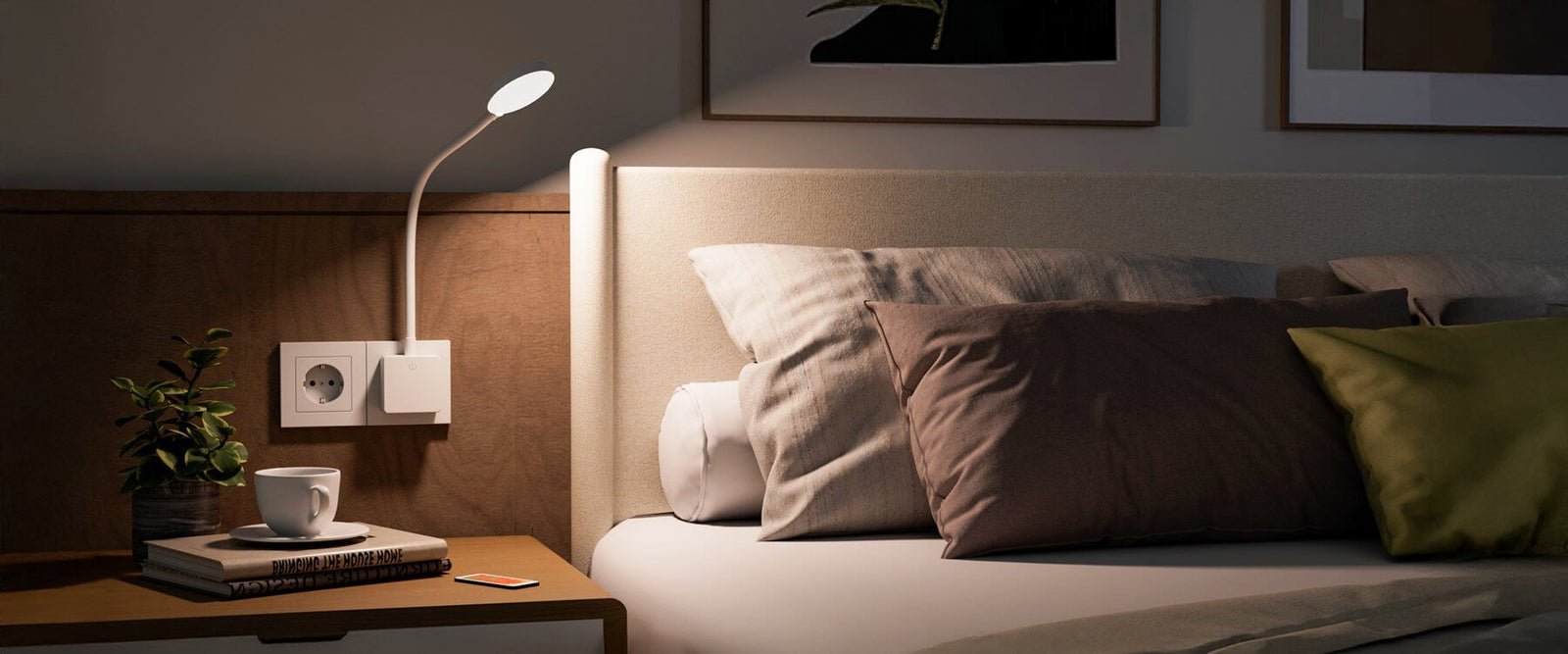
For bedtime readers, wall-mounted or swing-arm reading lights work best. Place them at shoulder height while sitting upright. Angle the beam downward so it hits the page, not your eyes.. Angle the fixture downward so the beam focuses on the page rather than your eyes. This positioning ensures enough light for clear visibility while creating a cozy, relaxing atmosphere. Swing-arm fixtures are excellent for versatility, allowing you to direct the beam exactly where it’s needed without disturbing a partner.
Checklist for bedside placement:
mount at shoulder height
angle light downwards
use adjustable arms or heads
choose a warm or warm-dim LED for night comfort
Desk or Table Reading
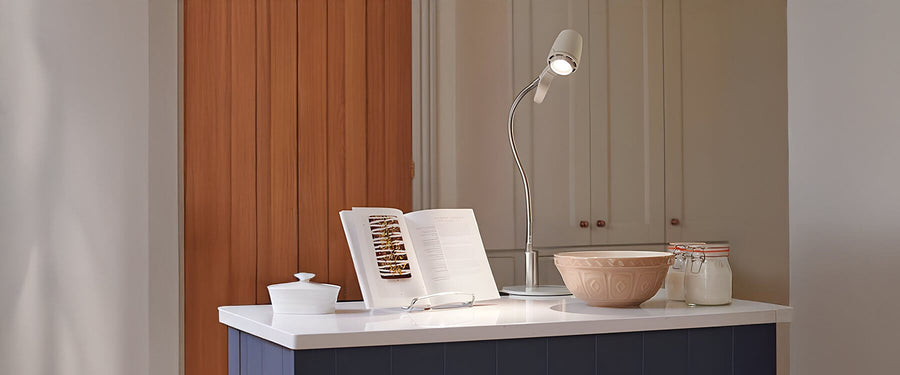
When reading or working at a desk, place your reading lights on the opposite side of your dominant hand to avoid casting shadows on your workspace. Maintain a distance of around 30-45cm between the bulb and the reading surface. Task lamps with adjustable height and tilt features work best, giving you control over the beam’s direction and intensity. At a desk, the goal is to spread light across your book or work area evenly.
Desk placement essentials:
place the lamp opposite your dominant hand
keep the bulb about 30-45cm from the reading surface
use a directional shade to prevent light spill

Armchair or Sofa Reading
For relaxed reading in living rooms, floor lamps with adjustable heads are ideal. Position the light so it falls over your shoulder at a 30-45° angle, slightly behind you. This creates consistent illumination across your book or e-reader without casting harsh shadows. Dimmable models allow you to shift from bright afternoon reading to softer evening lighting.
Lounge area setup tips:
place lamp behind and above shoulder line
angle the head so the bulb isn’t visible
choose dimmable models for evening flexibility
Layered Lighting for a Better Reading Environment
Reading lights work best when they’re part of a layered setup:
Ambient lighting (general room light)
Task lighting (your reading lamp)
Accent lighting (soft mood light, optional)
Why this matters: reading in a totally dark room with a bright lamp creates harsh contrast. Your eyes constantly shift between bright page and dim surroundings, causing fatigue.

Choosing the Right Light Quality
Warm vs. Cool Light
Colour temperature plays a critical role in comfort. For long, relaxing reading sessions, warm white light (2700-3000K) is ideal, it feels natural and reduces eye strain in the evenings. For more alert, focused reading, such as studying or office work, cooler white light (3500-4000K) can help maintain concentration.
Colour temperature affects comfort and alertness.
Warm white (2700-3000K): relaxing, best for bedtime or casual reading
Neutral/cool white (3500-4000K): sharper focus, best for study or office work
Key takeaway:
Warm light = comfort and relaxation.
Cool light = focus and productivity.
Brightness Considerations
Brightness is equally important. Too little light causes strain, too much causes glare. A dimmer is the best solution because your needs change with time of day and reading material. A balanced lumen output ensures the page is clearly visible without overexposure. The best solution is a dimmable fixture, which lets you adjust brightness based on the time of day, material being read, and your personal comfort level.
Recommended brightness ranges:
Bedside reading: 400-800 lumens
Desk/task reading: 800-1200 lumens
Floor lamp / armchair: 600-1000 lumens
If you want a universal target:
Aim for a clearly lit page without shine or hotspots.
What to Look For in LED Reading Lights
Most reading lights are LED now, so use these quality checks:
Flicker-free / low-flicker LEDs → reduces headaches and fatigue
High CRI (90+) → improves contrast and clarity on the page
Dimmable + dimmer compatible → avoids buzzing or flicker at low levels
Diffused shade/lens → prevents harsh hotspots
These details make a bigger comfort difference than “wattage.”

Adjustable Features to Look For in Reading Lights
When selecting reading lights, opt for fixtures with built-in flexibility to adapt to different reading positions and environments:
Gooseneck designs – aim light precisely
Swivel/swing arms – ideal for bedsides or shared rooms
Integrated dimmers – adjust intensity instantly
Adjustable shades/lenses – control spread and softness
These details make a bigger comfort difference than “wattage.”

Styling Without Sacrificing Comfort
Lighting should be both functional and aesthetically pleasing. When choosing reading lights for your home, consider the overall style of the room while ensuring the fixture meets ergonomic needs.
Styling tips:
Match the finish of your lamp to other room elements, such as cabinet handles or curtain rods.
Select a design that complements your furniture, sleek and minimal for modern interiors, ornate for traditional spaces.
Use shades that diffuse light evenly, avoiding hot spots or harsh glare.
keep function first: if it can’t aim properly, it’s not a reading light
Common Mistakes to Avoid:
Avoid these pitfalls when positioning or choosing reading lights:
Using only overhead lighting – This often causes shadows and uneven coverage.
Placing the bulb in direct line of sight – Leads to glare and discomfort.
Ignoring colour temperature – Can affect both comfort and mood.
Choosing style over function – A beautiful lamp is useless if it’s uncomfortable to use.
reading glossy pages with light aimed straight down (tilt slightly to reduce glare)

How to Build a Complete Reading Setup
To create a space that supports your eyes and your posture:
Start by assessing where you most often read - bed, desk, or lounge chair.
Choose a fixture designed for that specific location.
Adjust placement to ensure light falls at the correct angle.
Select a warm or cool bulb based on your reading habits.
Use dimmers to adapt to different times of day and activities.
Use dimmers and layered lighting for long-term comfort

Quick Checklist - Ideal Reading Light Setup
✅ Do
Mount bedside lamps at shoulder height
Aim beam onto the page, not your eyes
Keep light opposite your dominant hand
Use warm (2700-3000K) light for bedtime
Choose flicker-free, high-CRI LEDs
Add gentle ambient light at night
❌ Don’t
rely only on overhead lights
put bulbs in direct sightline
use extremely cool blue light at night
read in a dark room with an intense spotlight
choose a lamp that can’t adjust

Conclusion
Reading lights are more than decorative accessories they’re essential for a comfortable, healthy reading environment. With the right positioning, brightness, and colour temperature, you can reduce eye strain, support good posture, and make any reading space feel better.
Whether you’re reading in bed, working at a desk, or relaxing in an armchair, the formula is the same: adjustable light, aimed correctly, at a comfortable brightness. Build your setup around that, and reading becomes easier, healthier, and more enjoyable.
Invest in well-designed, adjustable reading lights, and you’ll not only protect your vision but also make your reading sessions more enjoyable, productive, and stylish. The result? A space that supports both your comfort and your love for reading.