
Introduction
Lighting isn't just about visibility, it’s about atmosphere. Nowhere is this more apparent than in the dining room, where the right lighting can transform a simple meal into a memorable experience. Whether you're hosting a dinner party or enjoying a quiet evening meal, dining room lights shape the emotional tone of the space as much as the décor itself.
Key Takeaways
- Hang pendants 30 to 36 inches above the tabletop for a flattering, intimate halo of light.
- Choose warm-glow, dimmable bulbs so dining room lights shift from quiet dinners to lively gatherings.
- Match chandelier scale to your table width and ceiling height before you fall for a finish.
- Add floor lamps at the room’s edges for ambient warmth without permanent ceiling wiring.
- Layer task, ambient, and accent light rather than relying on one overhead fixture.
From soft, flattering glows to bold, dramatic accents, the mood of your dining area depends on more than just one overhead fixture. By combining Pendant Lights, Chandeliers, Ceiling Lights, and Floor Lamps, you can craft a lighting scheme that adapts to the occasion and enhances the room's design. In this guide, we explore how to use these fixtures to create warmth, intimacy, and visual impact in your dining space, without sacrificing function or style.

The Emotional Power of Dining Room Lights
Mood and light are inseparable. The glow cast by well-placed dining room lights can calm, energise, or captivate depending on its temperature, intensity, and placement. Warmer tones invite relaxation and connection. Cooler tones sharpen details and energise gatherings. Strategic lighting design balances these qualities, creating a space that transitions fluidly from casual meals to formal entertaining.
Layered lighting is the foundation of emotional design. A single fixture rarely delivers the range needed for today’s flexible dining spaces. That’s why combining Pendant Lights, Chandeliers, Ceiling Lights, and Floor Lamps is key. Together, these layers add dimensionality, highlight focal areas, and distribute light evenly, without overwhelming the space.
For example, a chandelier may serve as a sculptural centrepiece, while Pendant Lights provide directed table lighting. Meanwhile, Ceiling Lights add ambient clarity and Floor Lamps bring warmth to the room’s edges. This balance not only enhances visual comfort but creates a setting tailored to mood and function.

Soft & Intimate Lighting for Everyday Dining
Use Pendant Lights for Table-Focused Ambience
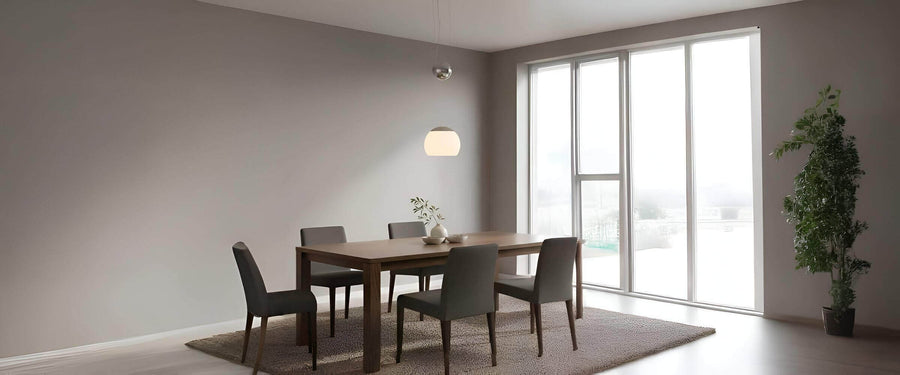
Pendant Lights are ideal for focused, task-oriented lighting above the dining table. As one of the most versatile forms of dining room lights, they offer both form and function. When suspended at the correct height, typically 30 to 36 inches above the tabletop, they create a gentle halo of illumination that feels intimate and purposeful.
To achieve the right mood, opt for warm-glow bulbs with dimmable settings that adapt to the time of day or the nature of the gathering. Fabric shades, frosted glass, or metal pendants with soft-lined interiors help diffuse the light, reducing glare while maintaining clarity. For longer dining tables, clustered pendants or linear suspensions function as effective dining room lights, ensuring even light distribution without overwhelming the ceiling space.

Add Floor Lamps for Subtle Perimeter Warmth
Floor Lamps bring understated depth to dining spaces, especially when used to illuminate corners or architectural elements like built-in shelving or buffets. Positioned behind a dining bench or next to a sideboard, a soft-glow floor lamp acts as ambient support to your primary dining room lights, gently framing the room without drawing attention away from the central fixture.
Choose floor lamps with adjustable heads or shaded diffusers to fine-tune spread and brightness. Their portability makes them especially valuable in open-plan settings where flexibility is key. In homes without central ceiling wiring, floor lamps serve as functional dining room lights that still offer atmosphere, warmth, and design clarity, all without the need for permanent installation.

Creating Drama with Statement Chandeliers & Ceiling Lights
A well-chosen chandelier is more than a source of light, it’s a centrepiece. In formal dining rooms or open-plan zones with high ceilings, dining room lights like statement chandeliers introduce a sense of drama and architectural rhythm. Whether you prefer geometric metalwork, tiered crystal, or minimalist glass arms, the key is scale: the fixture should complement the table width and ceiling height.
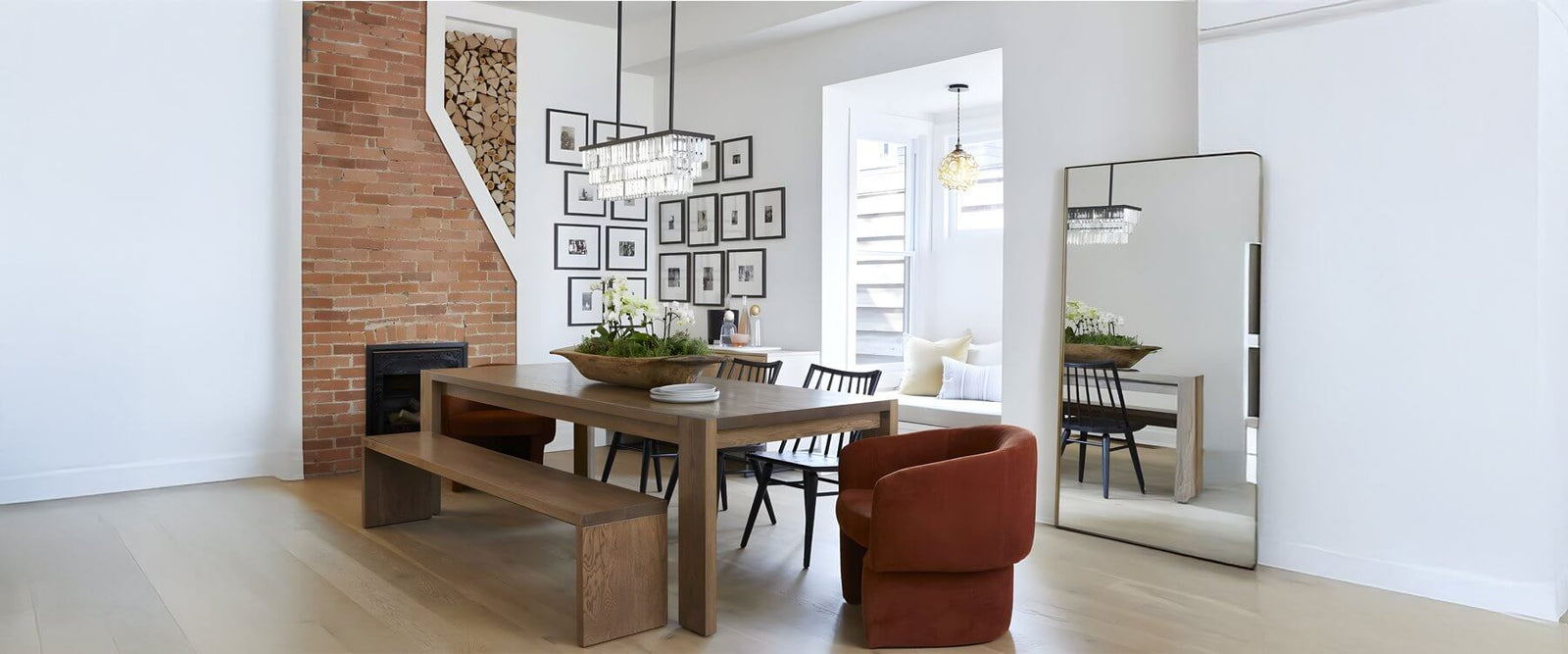
Metallic finishes such as brass or blackened steel add contrast and sophistication. For a flexible atmosphere, consider dimmable bulbs that let you adjust intensity depending on the occasion. Pair your chandelier with a mirror or metallic wall surface to reflect and amplify the glow of your dining room lights for maximum impact.
In more compact dining areas, Ceiling Lights offer similar visual weight without overwhelming the space. Semi-flush or flush-mount fixtures distribute light evenly and may feature bold profiles or patterned diffusers for added interest. Their clean, ceiling-hugging form works especially well in modern homes or rooms with lower ceilings, delivering presence without taking up visual space.

Layering Dining Room Lights for Dynamic Atmosphere
The best dining rooms don’t rely on a single light source, they combine layers. Dining room lights should work in harmony, offering flexibility for different moods and moments.
Use Pendant Lights or Chandeliers for direct task lighting over the table. Then introduce Ceiling Lights to lift shadows and brighten the overall space. Add Table Lamps at the room’s edges or in adjacent lounge zones to soften transitions and introduce visual rhythm.
This layered approach ensures your lighting adapts to everyday dinners, festive celebrations, or quiet evenings with ease. You can dim ambient lights for a romantic setting or brighten all layers for a lively dinner party. By thinking in terms of zones - task, ambient, accent - you create a lighting design that feels cohesive, dynamic, and beautifully intentional.

Lighting Tips by Dining Room Style
Minimalist Spaces
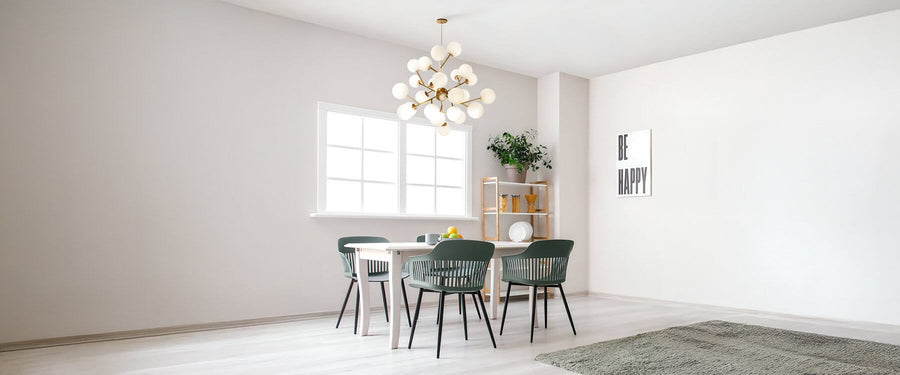
In pared-back interiors, restraint is key. Choose dining room lights with matte finishes or transparent materials like clear glass. A single bold Chandelier or pendant with sculptural form may be all you need. Pair with recessed Ceiling Lights for ambient fill that doesn’t compete visually.
Eclectic or Boho Rooms
For more layered, personal spaces, mix lighting types and textures. Pair rattan or linen Pendant Lights with arched Floor Lamps and vintage-inspired Ceiling Lights. Vary heights and bulb warmth for a more casual, lived-in feel that encourages long dinners and conversation.
Traditional Dining Areas
Classic dining rooms benefit from timeless silhouettes. A traditional Chandelier, perhaps in aged brass or antique bronze, serves as the focal point. Layer with cove-mounted Ceiling Lights and shaded Floor Lamps that provide ambient wash. Balance is crucial: ensure the chandelier doesn’t overpower the space, and use dimmers for tailored intensity.

Set the Scene with the Right Dining Room Lights
Well-designed dining room lights don’t just illuminate a table, they define the experience. Whether you want to create intimacy, draw attention, or shape mood through layers, the right combination of lighting types can completely transform your space.
By layering Pendant Lights, Chandeliers, Ceiling Lights, and Floor Lamps, you control both function and feeling. From subtle warmth to bold drama, every fixture plays a role in your dining room’s story.
Ready to find your perfect dining room mood? Explore our curated collections at Niori, and bring your next meal into focus with light that speaks your style.