
Introduction
Lighting is one of the most powerful tools in interior design, and nowhere is this more evident than in the dining room. The right dining room lights can transform a space from ordinary to extraordinary, shaping both the ambiance and the functionality of the room. Beyond simple illumination, lighting defines the mood, highlights design features, and creates a welcoming environment for family gatherings or formal dinners. Choosing the right fixtures is not only a matter of style but also one of practicality. In this guide, we will walk you through how to select, place, and combine the best dining room lights for your home, from bold statement pieces to subtle supporting accents.

Understanding Dining Room Lighting Needs
Before selecting fixtures, it is essential to understand the role that lighting plays in the dining room. There are three key functions:
Ambience: Lighting should create a warm, inviting atmosphere for dining and conversation.
Functionality: Adequate brightness ensures that meals and gatherings are comfortable and visually pleasing.
Aesthetics: Fixtures themselves act as design elements, contributing to the overall style of the room.
When choosing dining room lights, balance these three needs to ensure the space feels both practical and stylish.
Types of Dining Room Lights
Different types of lighting fixtures can serve unique roles in the dining room. The right mix depends on your style, room size, and how the space is used. Below are the most popular options and how to use them effectively.

Lava Lights for Statement and Mood
Lava Lights are unconventional in dining spaces, but they can serve as playful, mood-enhancing accents that spark conversation. Their shifting, fluid glow introduces a sense of relaxation and creativity, making them ideal for casual dining rooms or homes that embrace retro or eclectic design. While not typically used as the main source of light, lava lamps can provide a colorful, ambient layer when paired with more functional fixtures.
Design Tip: Place Lava Lights on a sideboard or a corner table where their movement and glow can be appreciated without interfering with the main dining light. They are especially effective for dinner parties where mood and novelty matter as much as illumination.

Pendant Lights for Dining Tables and Islands
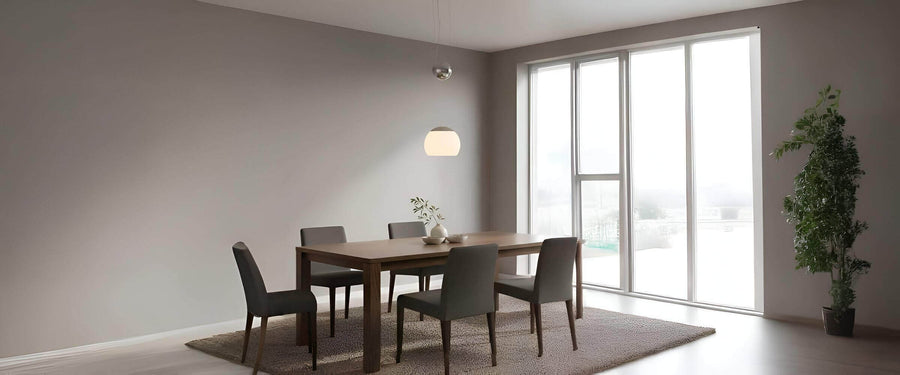
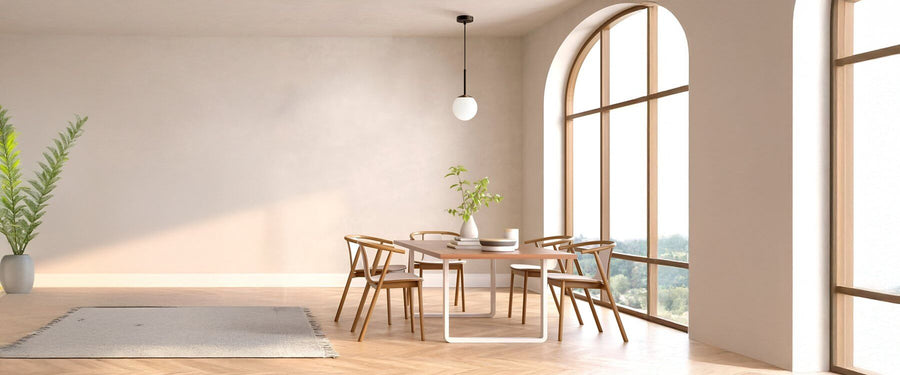
Pendant Lights are among the most popular choices for dining rooms because they provide focused lighting that enhances the dining experience. Hung directly above the table or kitchen island, they create intimacy by drawing the eye downward. Pendant designs vary widely, from minimalist glass globes that complement modern interiors to sculptural, dramatic forms that double as statement art pieces.
Tips for Use:
Hang pendants so that the bottom of the fixture sits 30 to 36 inches above the table surface. This height prevents glare while ensuring good illumination.
For rectangular tables, consider cluster pendants. For round tables, a single central pendant often works best.
Choose finishes that echo existing hardware or furniture materials to create visual harmony.

Chandeliers for Elegance and Drama
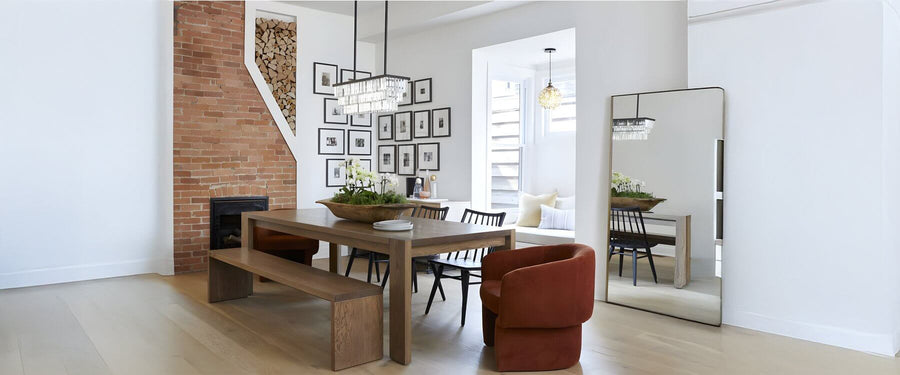
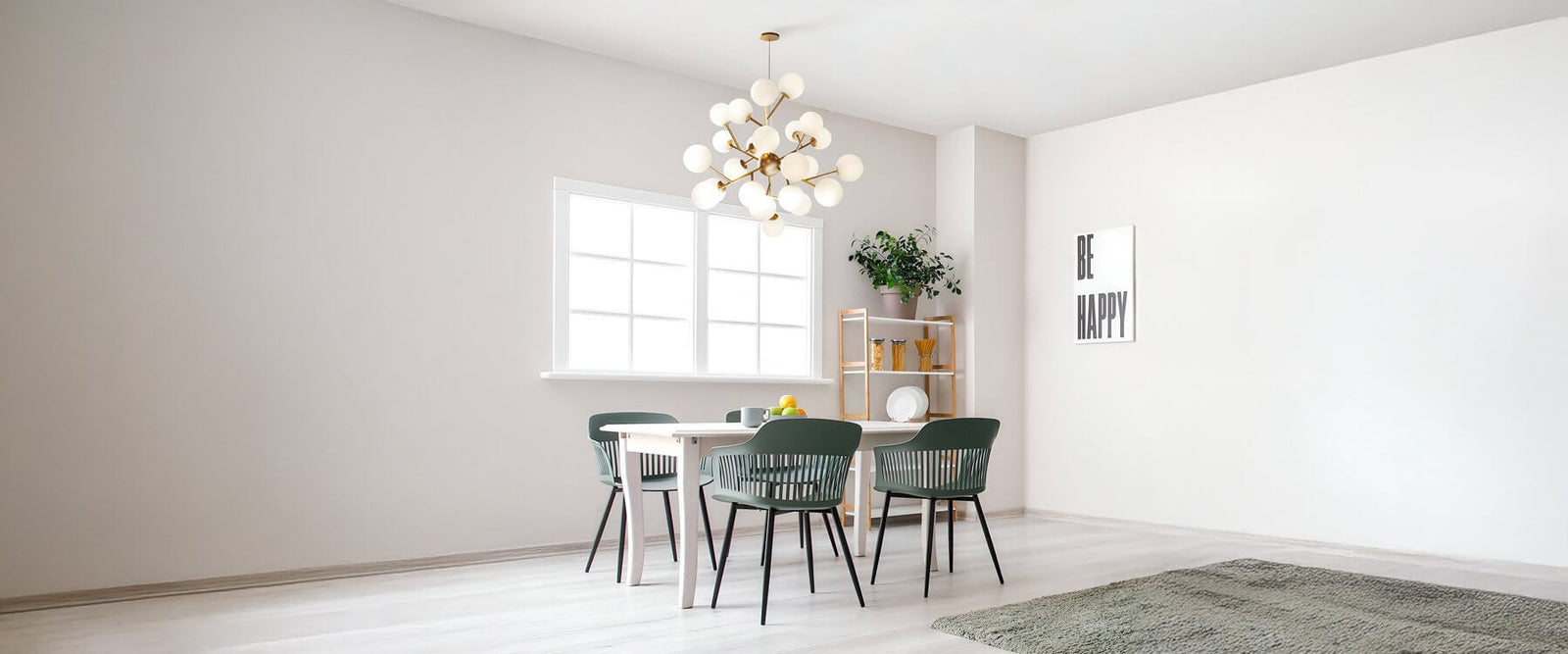
No fixture carries as much timeless elegance as Chandeliers. They have long been associated with grandeur, instantly establishing the dining table as the focal point of the room. From glittering crystal chandeliers that sparkle with every movement of light to rustic wooden or wrought-iron versions that add character and warmth, chandeliers offer versatility in both style and scale.
Tips for Use:
Select a chandelier with a diameter roughly half the width of your dining table to ensure balanced proportions.
Install dimmable bulbs so you can switch between bright light for practical tasks and a softer glow for entertaining.
Match chandelier style to room décor: ornate designs work well in traditional homes, while simplified geometric forms suit contemporary spaces.

Ceiling Lights for General Illumination
While decorative fixtures often get more attention, Ceiling Lights play an essential role in creating even, functional illumination across the room. Flush-mount or semi-flush ceiling lights are practical options, especially for dining rooms with lower ceilings. They ensure no dark corners are left behind, making the space feel welcoming and complete.
Tips for Use:
Treat ceiling lights as a base layer in your lighting plan. They provide general illumination that can then be enhanced by pendants, chandeliers, or wall sconces.
Choose ceiling lights with frosted or diffused shades to prevent harsh glare.
For open-plan dining areas, ceiling lights can help define the space by visually separating it from adjacent rooms.

Floor Lamps for Supplemental Lighting and Flexibility
Floor Lamps are particularly useful in dining rooms that double as multifunctional spaces. They are easy to move, versatile in use, and can shift the atmosphere quickly. A slim arc floor lamp, for instance, can be angled to cast light over a table, while a traditional shaded floor lamp can provide softer background illumination during casual meals.
Tips for Use:
Position a floor lamp in a corner or near a sideboard so it enhances the room without blocking sightlines.
Select lamps with adjustable heads or dimmer switches to create flexibility in brightness and direction.
Use floor lamps to introduce texture or color into the dining space. For example, a lamp with a woven shade can add warmth to an otherwise sleek modern room.

Wall Lights for Layered Accent Lighting
Wall Lights, or sconces, add depth and sophistication to dining spaces by creating subtle accent lighting. They are perfect for layering light, complementing the central fixture while highlighting architectural features, artwork, or decorative mirrors. In formal dining rooms, they can add symmetry and elegance when placed in pairs.
Tips for Use:
Install wall lights at eye level (about 60 inches from the floor) for balanced illumination.
Use pairs on either side of artwork, mirrors, or buffets to create a cohesive look.
Consider dimmable wall sconces to give you more control over mood and brightness.

Placement and Proportions
Proper placement is critical when planning dining room lights. Here are some essential guidelines:
Height Above the Table: Chandeliers and pendant lights should hang 30 to 36 inches above the table. Adjust slightly for ceiling height.
Fixture Size: For balanced proportions, select a fixture diameter equal to half the table width.
Spacing: If using multiple pendants, space them evenly to ensure consistent lighting across the surface.
These principles ensure the fixture not only illuminates effectively but also looks visually proportional within the room.
Layering Light for Effect
The most successful lighting schemes use a layered approach. This means combining multiple dining room lights to achieve both functionality and mood.
Ambient Lighting: Ceiling lights and chandeliers establish the base level of brightness.
Task Lighting: Pendant lights or floor lamps provide direct illumination for activities like dining or reading.
Accent Lighting: Wall lights and lava lights add dimension and drama, drawing attention to architectural features or creating a specific mood.
Layering ensures the dining room can adapt to different occasions, from family dinners to formal entertaining.

Energy Efficiency and Modern Adaptations
Modern technology has revolutionized the way dining room lights function. Here are a few sustainable and adaptable options:
LED Bulbs: Long-lasting, energy-efficient, and available in warm tones for cozy dining environments.
Dimmers: Allow adjustable brightness, providing flexibility for different occasions.
Smart Lighting: Enables control of dining room lights via smartphone or voice assistant, making it easier to adjust mood and functionality instantly.
These adaptations ensure that dining room lighting not only looks beautiful but also operates efficiently and sustainably.

Conclusion
Choosing the right dining room lights is about more than finding a stylish fixture. It requires an understanding of function, placement, and layering. Lava Lights bring playful mood, Pendant Lights focus illumination on the table, Chandeliers add elegance, Ceiling Lights provide even coverage, Floor Lamps offer flexibility, and Wall Lights create subtle accents.
By combining these elements thoughtfully, you can create a dining space that is both inviting and practical. Whether hosting a formal dinner or enjoying a casual family meal, the right lighting ensures the perfect atmosphere every time.
Ready to illuminate your dining room with timeless style and modern functionality? Explore our curated collection of dining room lights at Niori.