
Introduction
Cabinet lighting can completely change how a room feels, especially when you want a warm, inviting atmosphere without relying on harsh overhead light. Knowing when to use it is just as important as choosing the right fitting, because timing affects placement, wiring, control options, and the overall finish.
From our experience in professional lighting design, people often install lighting after the room is already “done”, then wonder why it looks patchy, too bright in places, or simply awkward to use. Done well, this type of lighting creates a softer mood, makes surfaces easier to work on, and adds depth that standard ceiling lights often miss.

Quick Summary
Cabinet lighting is best used when you want a balance of comfort and clarity, especially in kitchens and storage-heavy rooms where overhead lights create shadows. It works particularly well for evening ambience, seasonal low-level lighting, and highlighting features like splashbacks and shelving. Planning early helps you hide wiring, choose sensible controls, and avoid glare. If your current fittings flicker, look dated, or don’t suit how you use the space, it may be time to upgrade.

What Is Cabinet Lighting, And What Does It Actually Do?
Cabinet lighting is a set of lights fitted under, inside, or above storage units to brighten specific zones and add visual warmth. It works by placing light closer to the surfaces you use and the features you want to highlight, rather than relying solely on overhead fittings.
In practical terms, it helps you:
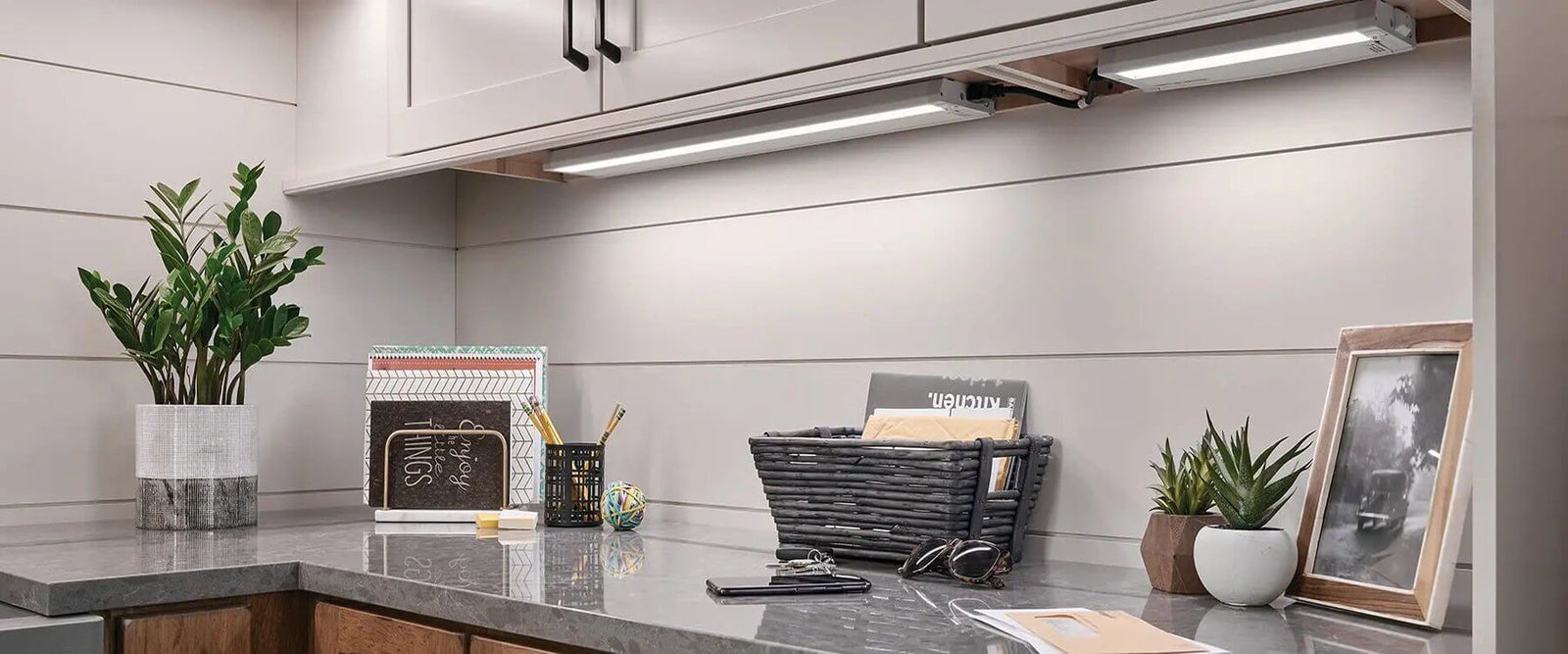
Light worktops and prep areas without casting heavy shadows
Create a gentle evening glow that feels relaxing
Make storage easier to use, especially in deep cupboards
Add definition to kitchens and built-ins so the room looks finished
Because this lighting sits at eye level or surface level, it can make a room feel brighter and more balanced without pushing the main ceiling lights to full power.

When Should You Install Cabinet Lighting?
The best time to install this lighting is when you’re already making changes to cabinetry, electrics, or wall finishes. Retrofitting is still possible, and for many homes it remains the most practical option.
Install it when:
Your worktops feel dim, even with ceiling lights on
You notice shadows directly under wall units
You want softer lighting in the evenings
You’re upgrading doors, handles, splashbacks, or appliances
You’re redesigning storage and want it to be easier to use
If you’re planning a kitchen refresh, it’s worth thinking about how your lighting layers work together. A well-placed picture lights feature above a framed print or wall detail can pair nicely with low-level cabinet lighting to give the room a more relaxed, lived-in feel.

When Does Cabinet Lighting Outperform Other Lighting?
Cabinet lighting outperforms other lighting when the main issue is shadow and uneven brightness across surfaces. Overhead downlights can look smart, but they often place light behind you, which means your own body blocks the light exactly where you need it.
It works best when you need:
Clear visibility on worktops without glare
Consistent brightness along a long run of units
A softer look than a bright central fitting
Light that supports the room’s atmosphere, not just the task
In kitchens, this difference is especially noticeable. A room can have plenty of ceiling lights and still feel gloomy at counter height, because the light isn’t falling where the work actually happens.

When Should You Use Cabinet Lighting Mainly For Ambience?
Use cabinet lighting for ambience when you want the room to feel warm and calm, particularly after sunset. Instead of fully lighting the entire space, you’re creating a gentle glow that softens edges and makes the room feel welcoming.
It’s most effective for ambience when:
You’re entertaining and don’t want a clinical, bright feel
You want a calm evening setting for winding down
You want to highlight textures like tiles, stone, or wood grain
You prefer layered lighting rather than “all on” or “all off”
If you like reading or relaxing in an open-plan kitchen-diner, adding reading lights elsewhere in the room helps keep the mood consistent while still giving you enough light for comfort.

Seasonal Uses For Cabinet Lighting Throughout The Year
Cabinet lighting is surprisingly useful across seasons because the way we use rooms changes with daylight. In winter, it supports practical brightness. In summer, it becomes more about atmosphere and late evenings.
Here’s how it often fits seasonally:
Winter: Adds extra brightness when it’s dark early, without blasting overhead lights
Autumn: Warmer tones help the room feel cosy and comfortable
Spring: Makes cleaning and cooking feel easier as routines reset
Summer: Creates a gentle glow for late dinners and relaxed evenings
If you have smart controls or dimming, you can adjust levels easily to match the season and the time of day, so the lighting always feels intentional.

When Is It time To Replace Outdated Cabinet Lighting?
Replace outdated cabinet lighting when it no longer looks good, works reliably, or suits how you use the space. Older fittings can also create uneven light and waste energy compared with modern LED options.
Common signs it’s time to upgrade:
Flickering, buzzing, or lights that fail often
Yellowing diffusers or visible “hot spots”
A colour tone that clashes with your main lighting
No dimming, sensors, or practical controls
Bulky fittings that look dated under modern cabinets
If you’re updating fittings, it’s worth choosing a reputable brand for consistent performance and colour quality. Many homeowners opt for knightsbridge for dependable options and a clean, modern look that suits kitchens and built-in cabinetry.

Step-by-Step: How To Plan Cabinet Lighting So It Looks Right
Plan cabinet lighting by deciding what you want it to do, then matching brightness, placement, and controls to that purpose. This avoids the classic problem of lighting that looks good in the shop but feels uncomfortable at home.
Step 1: Walk the space at the times you actually use it
Stand at the worktop in the evening and notice where shadows land. Open cupboards and check whether you struggle to see inside.
Step 2: Choose your main goal
Decide whether your priority is:
Task light for prep and cleaning
Ambient light for evening comfort
A mix of both with dimming
Step 3: Pick the right placement
Choose one or more of these depending on the space:
Under-cabinet: Best for worktops and prep zones
In-cabinet: Best for pantries, glass-front units, and deep cupboards
Above-cabinet: Best for a soft ceiling wash and gentle ambience
Step 4: Avoid glare and hot spots
Position strips or fittings so the light source isn’t visible from normal standing or seated angles. Diffused covers help create a smooth line of light.
Step 5: Add controls that match real life
The most common regret is switching that’s inconvenient. Consider:
A dimmer for evening ambience
A sensor for pantry or utility cabinets
A separate switch circuit from the main ceiling lights
Step 6: Test the feel before final fixing
If you can, temporarily position the lighting and check the effect at night. A small adjustment in placement can stop glare and improve coverage.

What Are The Most Common Mistakes, And When Do They Happen?
Most mistakes happen when cabinet lighting is added late, chosen too quickly, or treated as purely decorative. The result is often lighting that’s either too weak to be useful or too harsh to feel comfortable.
Avoid these common issues:
Installing only one lighting layer and expecting it to do everything
Choosing very cool colour tones that make the room feel stark
Running lights without a diffuser, causing dotted “hot spots”
Placing fittings too close to the unit edge, creating glare
Linking everything to one switch so you can’t change the mood
When it’s planned as part of a layered approach, this type of lighting becomes one of the most practical and visually appealing upgrades you can make.

How Does Cabinet Lighting Improve Overall Brightness Without Overpowering The Room?
Cabinet lighting improves overall brightness by adding light at the level where you work and look, helping the room feel evenly lit rather than top-heavy. You get better coverage with less harshness because the light is spread across surfaces instead of being dropped from a single central point.
In day-to-day terms, this means:
Worktops look cleaner and easier to use
Corners and edges feel less gloomy
The room looks more balanced both in photos and in real life
Ceiling lights can stay lower while the space still feels comfortable
This is why this type of lighting works so well for ambience: it adds enough light to feel welcoming without making the room feel overly bright or stark.

Conclusion
Cabinet lighting is most effective when you use it to build a layered lighting scheme that supports both ambience and practical brightness. It’s the right choice when overhead lighting creates shadows, when you want a softer evening mood, and when seasonal changes make your room feel darker or less welcoming. Planning it early gives you cleaner installation and better control, while upgrading outdated systems improves reliability, comfort, and appearance. With the right placement, colour tone, and switching, cainet lighting can make kitchens and storage areas feel warmer, brighter, and far more enjoyable to use.