
LED Strip Lights Ideas For The Living Room
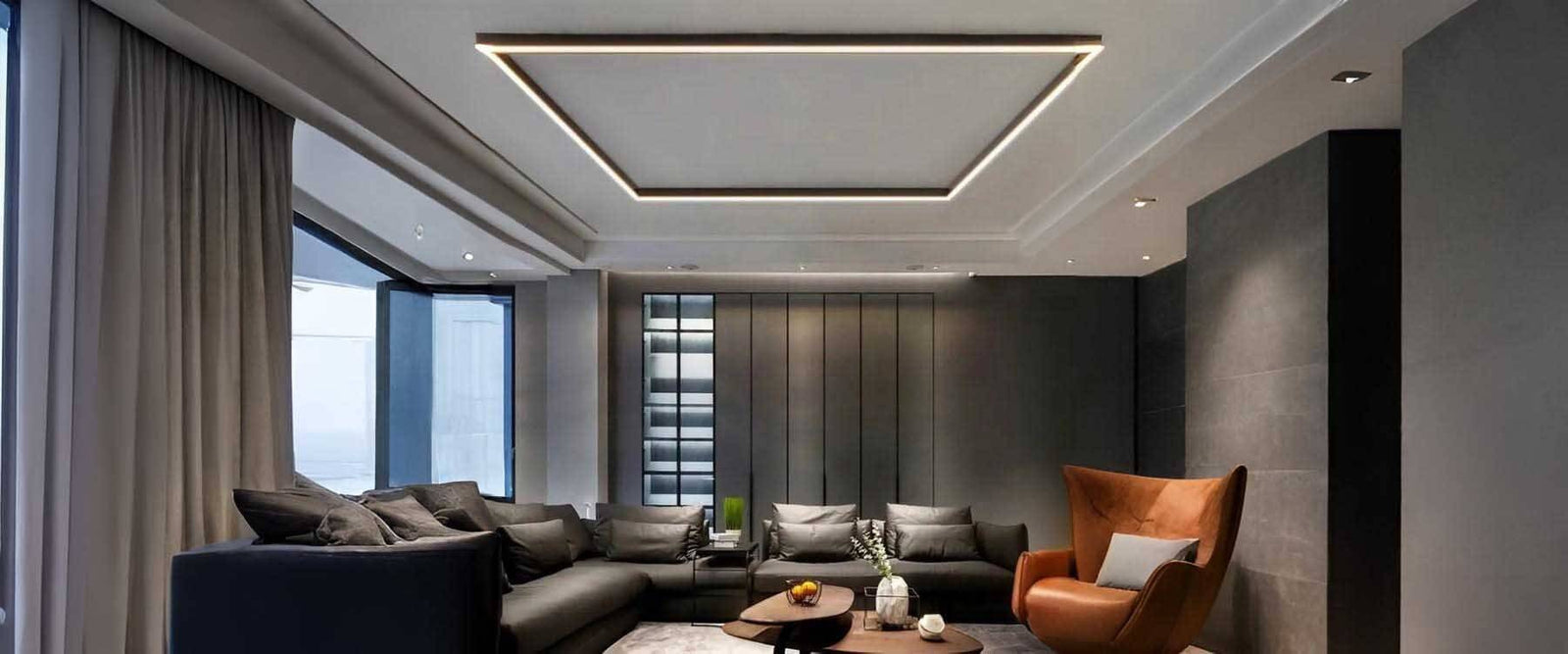
The best LED strip lights ideas for a living room hide the LEDs and wash a large surface, so you see soft reflected light instead of bright dots. Start with a warm 2700K to 3000K strip on a dimmer, run it around a ceiling cove aimed upward, add a soft halo behind the TV, and light under floating shelves for depth. Those four placements cover ambience, evening viewing comfort, and gentle accent without turning the room into a glowing border.
Ceiling cove or perimeter ledge (aim up): Turns the ceiling into one big reflector for calm, even light. Use a warm white around 2700K and dim it to roughly a third of full output for evenings.
Behind the TV or media unit: A soft backlight reduces eye strain when the room is dark. Keep the wall wash slightly warmer than the screen and set it low so it never competes with the picture.
Under floating shelves: Lifts dark walls and stops shelving from looking heavy. Set the strip back from the front edge so you never see the LEDs from the sofa.
Inside alcoves: Outline the recess subtly with a diffused strip, kept deep enough that seated sightlines stay clean.
Behind a sofa or under a low console: A thin line of guidance light adds a floating look and helps you cross the room at night.
If your walls are dark or textured, set the strip slightly farther back so the reflected light blends evenly rather than reading as a bright edge. Put the living-room runs on their own dimmer so the ceiling wash and the TV backlight can drop to a low glow independently of your main pendants or lamps.

Why Placement Decides Comfort
LED strip lights create soft, comfortable lighting when the light washes across surfaces rather than shining into your eyes. Hide the LEDs and let walls, ceilings, or joinery reflect the glow back into the room. This smooths harsh contrasts, reduces sharp shadows, and helps the space feel settled in the evening. It also makes the lighting look built in, not stuck on.
At Niori I treat LED strip lights as a supporting layer that complements the main lighting instead of overpowering it. Used well, they add gentle brightness exactly where you need it, along worktops, shelving, or circulation routes. They also lift dark corners and outline features in a subtle way. The aim is always balanced light that looks intentional and feels easy to live with.
Where Should LED Strip Lights Be Placed For The Most Comfortable Result?
LED strip lights should be placed out of sight and aimed at a wall, ceiling, or underside so you see reflected light instead of the LED points. That simple idea drives every good installation because the room feels smoother, shadows soften, and the lighting looks built in rather than stuck on.
To get that comfort, look for:
A surface to bounce light from (painted wall, ceiling, timber panel, matte tile)
A lip, recess, or channel to hide the LEDs
A viewing angle test from normal positions (sofa, bed, worktop, dining chair)
A diffuser or frosted cover to soften hotspots and reduce dotted reflections
Separate switching or dimming so you can adjust brightness for day and night
If you can see the LEDs from where you normally sit or stand, the placement needs adjusting. Recess the strip deeper, change the angle, or add diffusion so the glow stays comfortable.

What Are LED Strip Lights And How Do They Behave In Real Rooms?
LED strip lights are flexible LED tapes that produce a continuous line of illumination, usually mounted on a backing for easy fixing. In practice, they behave less like a lamp and more like a light edge that can feel luxurious or overly sharp depending on how it is installed.
They are at their best when they:
Provide a gentle background glow (ambient layer)
Highlight a feature without shouting (accent layer)
Guide movement safely at night (low-level guidance)
Soften harsh shadows in corners and along walls by adding indirect fill light
Add depth around joinery, shelving, or architectural details without adding visual clutter
They are less effective as the only light in a room, especially if you need true task brightness. Use them to support the lighting scheme rather than replace your ceiling and task fittings.

Where Should LED Strip Lights Go In Kitchens For Practical, Glare-Free Use?
LED strip lights should go in kitchens where they brighten worktops evenly without reflecting harshly off splashbacks or polished stone. Kitchens are one of the most rewarding rooms for strip lighting because you feel the benefit while prepping food.
The most reliable kitchen placements
Under wall cabinets (set back from the front edge): This lights the work surface while keeping the source hidden from your standing sightline.
In a channel with a diffuser: A diffuser softens hotspots and helps prevent dotted reflections on glossy tiles.
Inside pantries and tall units: Lighting inside storage reduces rummaging and makes the kitchen feel more finished.
Common mistake: placing strips flush with the cabinet edge. It looks bright, but it often causes glare when you lean in and the LEDs are in your direct view.

Where Are LED Strip Lights Most Effective In Bedrooms?
LED strip lights are most effective in bedrooms when they support winding down and night-time movement with low, warm, indirect light. Bedrooms should feel restful, so the goal is gentle layers rather than high brightness. Warm light in the evening also matters for sleep, since the Sleep Foundation notes that bright and cool light before bed can suppress melatonin and disrupt your body clock.
Bedroom placements that keep the room calm
Behind the headboard: A soft wall wash gives enough light to settle in without the harshness of an exposed bedside lamp.
Under the bed frame: This creates a floating look and acts as safe guidance if you get up at night.
Inside wardrobes: Wardrobe lighting improves visibility without waking a partner when used with a door switch or sensor.
Keep the light subtle, and if you are using an off-the-shelf system like AVSL, prioritise a deeper profile and a proper diffuser for a smooth line rather than visible points.

Where Should LED Strip Lights Be Placed In Bathrooms Without Causing Mirror Glare?
LED strip lights should be placed in bathrooms where they reduce facial shadows and avoid reflecting directly into mirrors. Bathrooms are full of reflective surfaces, so the wrong angle can feel harsh quickly.
Good bathroom placements
Behind mirrors: Backlighting creates even, flattering illumination and reduces sharp shadows around the eyes and chin.
Under vanities: A low glow helps at night and makes the room feel calmer.
In recessed niches: A recessed strip in a shower niche or shelving niche adds depth and helps you find items easily.
Practical note: always use appropriately rated products and keep drivers accessible. Comfort matters, and so does safe installation.

What Lighting Zones Are Best Suited To Strip Lighting?
LED strip lights are best suited to ambient, accent, and guidance zones where indirect light improves comfort and depth. Think of zones as different jobs that lighting performs across a room.
Ambient zones: coves, ceiling edges, upper pelmets; these soften the overall feel.
Accent zones: shelves, alcoves, wall features; these add interest without glare.
Guidance zones: steps, toe-kicks, under-bed; these help you move safely at night.
Task-support zones: under-cabinet worktops, inside pantries, desk edges; these add practical light without relying on a single bright source.
Feature-frame zones: behind headboards, around media panels, within niches; these create a clean outline and depth while keeping the source hidden.
If you want a decorative sparkle outdoors, outdoor string lights often suit entertaining areas better than strips, while strips can be reserved for subtle edge lighting on steps or planters.

How Do You Avoid Glare And Hotspots With Strip Lighting?
You avoid glare by hiding the LED source, softening it with diffusion, and aiming LED strip lights at a surface rather than across open space. This is where most installations go wrong: the strip is technically installed, but it is visually uncomfortable.
A glare checklist I use on site
Can you see the LEDs from typical positions? If yes, recess deeper.
Is the surface glossy? If yes, add diffusion and adjust angle.
Is the strip too close to an edge? If yes, move it back and shield it.
Is it too bright? If yes, use dimming or reduce output.
A simple rule: you should notice the effect, not the source.

Step-by-Step: How To Plan Placement Before You Install
You will get a cleaner result if you plan LED strip lights as an integral part of the room, not as an afterthought added at the end.
Step 1: Decide the purpose of each run
Choose one purpose: ambience, task support, or guidance. Mixing purposes in one run often leads to lighting that feels odd.
Step 2: Walk the space and mark sightlines
Stand at the worktop, sit on the sofa, and lie on the bed. Mark the angles where you might see the strip directly.
Step 3: Choose your hiding method
Plan for a recess, aluminium channel, or overhang. If the design cannot hide the strip, change the location rather than accept glare.
Step 4: Plan your controls
Separate zones so you can dim or switch them independently. A kitchen worktop run should not be tied to the same switch as a soft ceiling wash.
Step 5: Test before final fixing
Temporarily tape the strip in place and turn it on at night. This quick test reveals glare and reflection problems immediately.

What Are The Most Common Placement Mistakes?
The most common mistakes are putting LED strip lights where you can see the LED points, using too much brightness, and outlining the entire room without a clear reason. Strip lighting should feel considered and purposeful, not like a glowing border that distracts from the space.
Avoid:
Exposed strips at eye level on open shelving
Continuous runs everywhere because it looks cool
Placing strips where they reflect in mirrors, TVs, or glossy tiles
Hiding drivers where you cannot reach them later
If you want cosy decorative twinkle in a corner, fairy lights can be a better choice than forcing strips into a job they are not suited for.

Quick Summary
For a living room, hide the LEDs and wash a large surface with warm 2700K to 3000K light on a dimmer.
Best living-room placements: ceiling cove, behind the TV, under floating shelves, and inside alcoves.
Kitchens benefit from set-back under-cabinet runs with diffusion.
Bedrooms suit indirect, dimmable layers behind headboards and under beds.
Avoid glare by recessing, diffusing, and checking reflections before final fixing.

Conclusion
The strongest LED strip lights ideas for a living room treat the light as a comfort layer: hidden from view, aimed at walls or ceilings, warm in tone, and split into zones you can dim. Indirect ceiling washes and TV backlighting add calm depth without harshness, while under-shelf and alcove runs bring out features quietly. In other rooms the same rule holds: set-back under-cabinet runs in kitchens, soft warm layers in bedrooms, and careful mirror backlighting in bathrooms. Plan each run with a clear purpose, test sightlines before final fixing, and you will get lighting that looks built in and feels easy to live with.