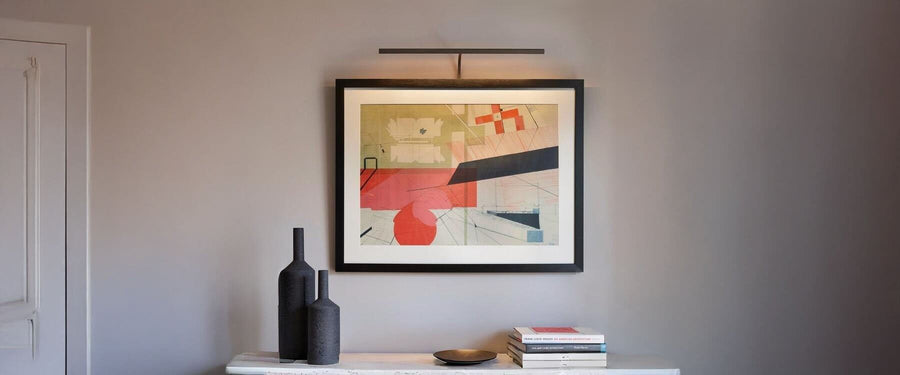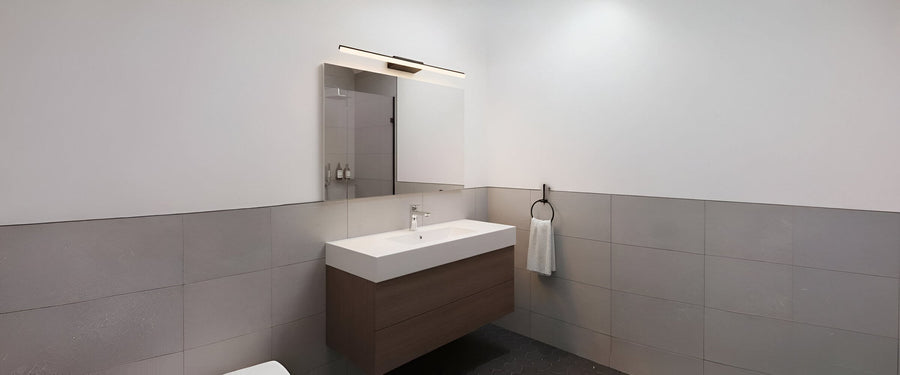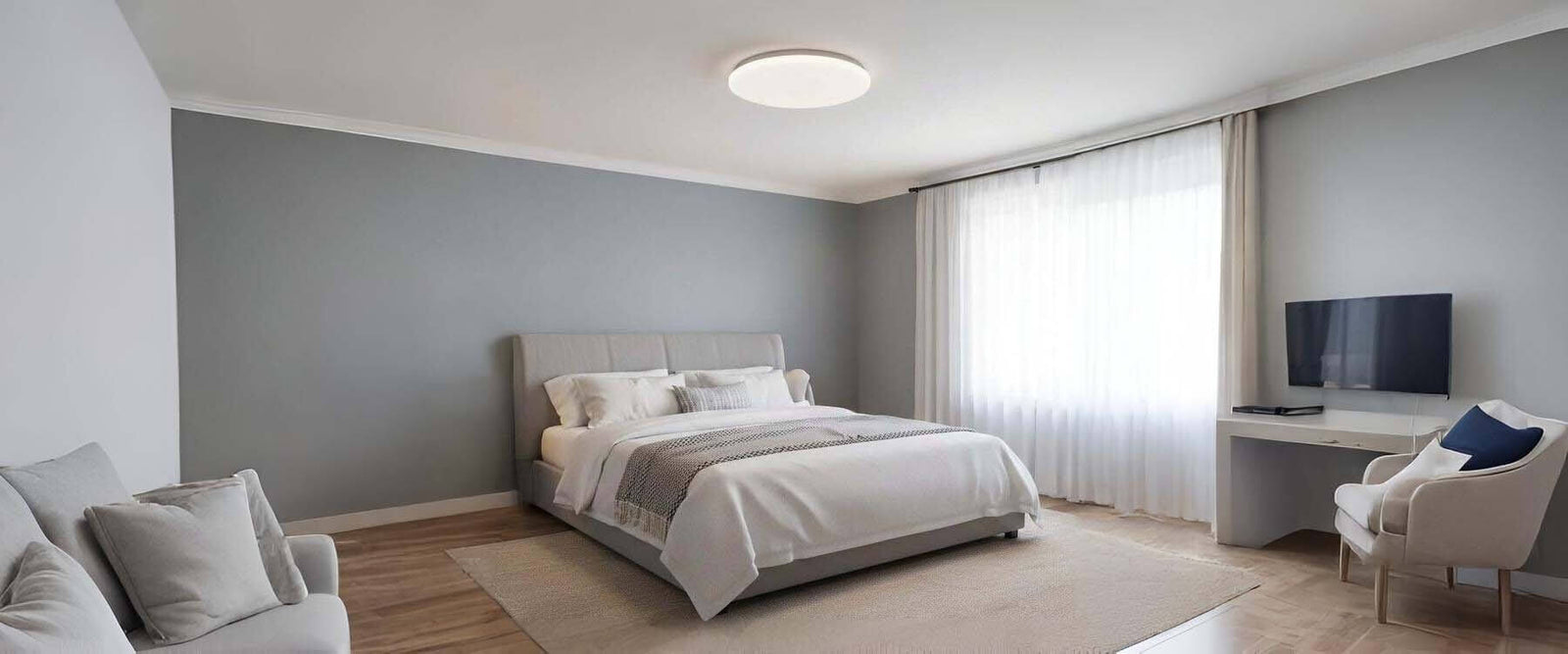

Introduction
If your bedroom lights feel too harsh at night, layered lighting is the simplest way to make the room feel calmer, softer, and more inviting. As a lighting specialist, I see this all the time: one bright ceiling fitting doing all the work, leaving you with glare when you’re trying to unwind. Layering gives you options so you can have enough light to function, without the space ever feeling “too bright”.
Layered lighting works because it spreads light gently across the room, reduces strong shadows, and lets you control the mood. Instead of one big blast from above, you build a few smaller, warmer light sources at different heights. The result is a bedroom that feels restful in the evening and practical in the morning.

What Does “Layered Lighting” Mean for Bedroom Lights?
Layered lighting means combining different types of light each with a clear job so the room feels balanced and flexible. For bedroom lights, you’re usually aiming for three layers that work together:
Ambient lighting: the general light that helps you move around safely
Task lighting: focused light for reading, dressing, or skincare
Accent lighting: low, warm glow that adds depth and atmosphere
Dimmable lighting: adjustable brightness so you can soften the room as the evening goes on
Decorative lighting: statement pieces (like a pendant or feature lamp) that add style while still supporting the overall mood
When these layers are in place, you don’t have to rely on the brightest option. You can switch on just what you need, and your bedroom still feels comfortable.

Why Do Bedroom Lights Feel More Relaxing When They’re Layered?
Bedroom lights feel more relaxing when they’re layered because you avoid glare and create a softer visual “landing” for tired eyes. A single overhead light can feel stark at night, especially if the bulb is cool-toned or the fitting exposes the light source.
Layered lighting helps in a few practical ways:
Less glare at eye level: shaded lamps and diffused fittings feel gentler
Smoother shadows: multiple light points soften harsh contrast
Better control: you can step brightness down gradually through the evening
Cosier depth: warm pools of light make the room feel inviting, not flat
Kinder on sleepy eyes: warmer, softer light reduces squinting and eye strain at night
More flattering atmosphere: layered light smooths the room’s look, making colours and textures feel warmer and more comforting
A real-life example: instead of switching the ceiling light on when you enter, you can use a corner lamp plus a bedside lamp. You’ll still see clearly, but the room immediately feels more restful.

Which Bedroom Lights Create a Cosy Feel Without Looking Dull?
The best bedroom lights for a cosy feel are warm-toned, diffused, and positioned at different heights. You want glow and comfort, not spotlight intensity.
Cosy options that work in most bedrooms:
Bedside table lamps with fabric, linen, or frosted shades
Wall lights beside the bed (great for freeing up bedside space)
Floor lamps in a corner to lift the room softly
Hidden LED strip lighting behind a headboard or shelf for a gentle halo
Small accent lamps on a dresser or windowsill for background warmth
If you like a more polished, design-led look, a single statement fitting from Feiss Lighting can work beautifully just make sure you still add softer layers so you’re not forced to use the ceiling light at full brightness.

How Do You Layer Bedroom Lights Without The Room Feeling Cluttered?
You layer bedroom lights without clutter by limiting the number of fittings and giving each one a purpose. Think “considered and calm”, not “lamps on every surface”.
A simple approach that stays tidy:
One ambient source (ceiling, flush fitting, or indirect uplight)
Two bedside sources (matching or coordinated)
One extra light elsewhere (floor lamp or dresser lamp)
One optional accent (hidden strip or a small glow lamp)
If your bedroom is compact, swap table lamps for wall lights and keep your bedside surface clear. Cable management also matters more than people think neat cords instantly make lighting look intentional.

Step-by-step: How To Layer Bedroom Lights For a Cosy Room
Layering works best when you build it in the right order: function first, atmosphere second. Here’s the method I recommend for bedroom lights that feel relaxing and still practical.
Step 1: List what you actually do in the room
Start by matching light to real routines. Typical bedroom tasks include:
Getting dressed and checking outfits
Reading in bed
Doing hair and skincare
Relaxing before sleep
Getting up at night without waking fully
Step 2: Soften the main light so it’s not your enemy
If the ceiling light is harsh, you’ll avoid using it then the room feels awkward and under-lit. Fix the basics:
Choose a diffused shade (opal, frosted, fabric, or a closed diffuser)
Avoid bare bulbs where you can see the filament directly
If possible, add a dimmer or use a dimmable bulb
Step 3: Add bedside lighting at the right height
Bedside light should brighten the book or bedding, not shine straight into your eyes.
Table lamps work well when the shade sits around shoulder height when you’re seated in bed
Wall lights should sit just above pillow height and angle down softly
If you share the bed, separate controls help two switches beat one compromise
Step 4: Add a “room glow” light away from the bed
This is what stops the bedroom looking flat. Pick one:
A floor lamp in a corner
A small lamp on a dresser
A wall light that washes light across the wall
Step 5: Finish with one accent light for depth
Accent lighting makes the room feel cosy even when the main lights are off:
Hidden LED strip behind the headboard
A small lamp on a shelf
Soft wardrobe lighting that glows when doors open
Step 6: Create two simple lighting scenes you’ll actually use
This is where bedroom lights become effortless:
Evening relax: bedside lamp + corner lamp (no ceiling light)
Sleep mode: one low accent only
If you can control these easily switches by the bed, smart plugs, or a dimmer you’ll stick to the routine.

Where Should Bedroom Lights Go So They Don’t Feel Too Bright?
Bedroom lights feel least “too bright” when the glow comes from the sides and lower heights, not straight down from the ceiling. Spreading light around the room reduces glare and makes the whole space feel softer.
Placements that work in most layouts:
Either side of the bed for balance
A floor lamp in the darkest corner
A small lamp opposite the bed to add depth
Wall lights aimed at the wall for a gentle wash
A low-level light near the floor for night-time movement
If you’re also updating other spaces, it helps to keep your style consistent across the home many people match finishes and shapes between living room lights, then carry those cues into the bedroom.

What mistakes Make Bedroom Lights Feel Harsh Or Uncomfortable?
Bedroom Lights usually feel harsh for a handful of predictable reasons. Fixing them makes a bigger difference than buying a trendy fitting.
Common mistakes to avoid:
Relying on one overhead light for everything
Using cool-toned bulbs that feel stark at night
Choosing clear shades that expose the bulb and create glare
Putting your brightest light at eye level beside the bed
Adding lots of tiny lights that look messy and don’t give usable glow
If your bedside lamp feels too bright, don’t just dim it and hope try a more diffusing shade, or move the light source slightly away from direct sight lines.

Cheap Bedroom Lights Ideas That Still Look Stylish
You can make bedroom lights look stylish on a budget by focusing on softness, placement, and proportion. Expensive fittings don’t guarantee comfort; thoughtful layering does.
Here are budget upgrades that genuinely change the feel of a room:
Start with bulbs: a warmer, dimmable bulb is the quickest win
Upgrade the shade: a new fabric shade can make an old lamp look premium
Mix second-hand bases with new shades: it’s an easy high-low trick
Use plug-in wall lights: they look built-in without major work
Add a corner floor lamp: it lifts the whole room and reduces shadowy corners
Hide LED strip lighting: tuck it behind a headboard or under a shelf so you see glow, not dots
A simple styling rule: coordinate, don’t clone. You don’t need matching lamps, but you do want a shared thread similar shade shapes, consistent metal finishes, or a repeated material (like linen). That same approach helps if you’re later refreshing dining room lights too: one clear style direction, then tailor it to each room’s job.

Quick Summary
Bedroom Lights feel cosier when you layer ambient, task, and accent lighting.
Warm, diffused light is calmer at night than a single bright overhead source.
Aim for 3-5 light points at different heights, spaced around the room.
Build your lighting in order: soften the main light, add bedside, add room glow, then add one accent.
Budget upgrades work best when you prioritise bulbs, shades, and placement over trend chasing.

Conclusion
Layered bedroom lights create a cosy bedroom because they give you control: bright when you need it, gentle when you don’t. By combining ambient light for movement, task light for reading and routines, and accent light for warmth, you avoid glare and harsh shadows that can make evenings feel uncomfortable. Start by softening your main light, then add bedside lighting at the right height, introduce one “room glow” light away from the bed, and finish with a subtle accent. Done well, the room feels calmer at night, easier in the morning, and more stylish overall without needing a full redesign.