
Why Spotlights Need a Balanced Lighting Scheme
Spotlights can completely transform a room by highlighting specific features or areas, but when paired with other lighting fixtures, they can create a more balanced and welcoming atmosphere. Whether you're showcasing artwork, brightening a workspace, or adding a bit of drama to a corner, spotlights are incredibly versatile. When combined with downlights, chandeliers, pendant lights, or floor lamps, they ensure that every part of the room is lit just right, making the space both functional and visually appealing.

A balanced lighting scheme is key to creating a space that is not only functional but also visually appealing. It ensures that every corner of the room is properly lit, making it suitable for a variety of activities and setting the right mood. There are three main types of lighting to consider:
- Ambient Lighting: This is the primary source of light in a room and provides overall illumination. Downlights are ideal for ambient lighting, offering a soft and even glow that brightens the entire space.
- Task Lighting: This type of lighting is designed to illuminate specific areas for activities such as reading, cooking, or working. This is where spotlights come into play, highlighting key features or providing focused light.
- Accent Lighting: Accent lighting is used to highlight architectural features, artwork, or other focal points. Whether you use track lighting or small fixtures, accent lighting adds visual interest and depth to a room.
A well-balanced combination of these lighting types prevents any room from feeling too bright, too dim, or lacking in focal points. Mixing fixtures like downlights with other sources of light can achieve a perfect balance of brightness and atmosphere.

How to Mix Spotlights With Other Fixtures
When combined, downlights and other lighting fixtures can create a seamless and practical lighting design. Downlights provide general illumination, ensuring the entire space is evenly lit, while more focused lighting can be used to highlight key features such as artwork, plants, or architectural elements.
To integrate these fixtures effectively, consider the following:
- Strategic Placement: Position downlights centrally in a room to deliver uniform ambient light. Focused lighting can be used to emphasise important areas, such as a dining table, reading nook, or architectural features like beams or art-covered walls. This blend of broad illumination and targeted lighting creates a dynamic atmosphere.
- Layering the Lighting: Combining various types of lighting allows you to layer light in a way that enhances both the function and aesthetics of the space. In a kitchen, for instance, use downlights for overall brightness, while adding focused lighting over counters or workstations for task-specific illumination.
- Room-Specific Uses: In living rooms, downlights can cast a soft, general light across the room, while focused lighting highlights a feature wall or bookshelf. In bathrooms, downlights provide ample light, while additional lighting can be used to highlight a vanity mirror or artwork.

In addition to downlights and spotlights, incorporating chandeliers and pendant lights into your lighting scheme can enhance the look of any room. These fixtures are perfect for adding a stylish touch while providing the ambient light needed for a balanced design.
Chandeliers for Statement Lighting: Chandeliers can serve as the centrepiece of a room, offering both ambient light and visual interest. Pairing a chandelier with smaller fixtures, like spotlights, ensures that the room is adequately illuminated without overwhelming the space. For example, a chandelier can hang above the dining table, while additional spotlights provide broader illumination.
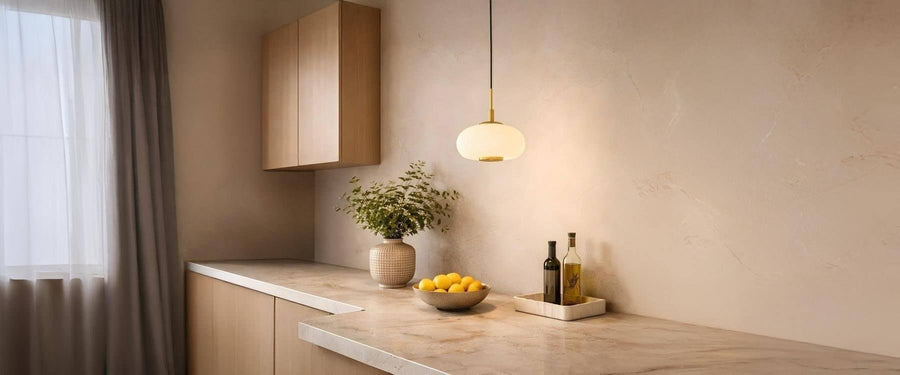
Pendant Lights for Focused Lighting: Pendant lights are great for adding task lighting in areas like kitchen islands, dining rooms, or bars. They provide focused light while allowing you to control the level of brightness. Mixing pendant lights with softer spotlights ensures that the entire room is lit in a balanced way, creating a cohesive design.
Design Considerations: When choosing complementary fixtures, consider the overall style of your room. In modern spaces, pendant lights or chandeliers paired with understated downlights can create a minimalist yet functional lighting scheme.

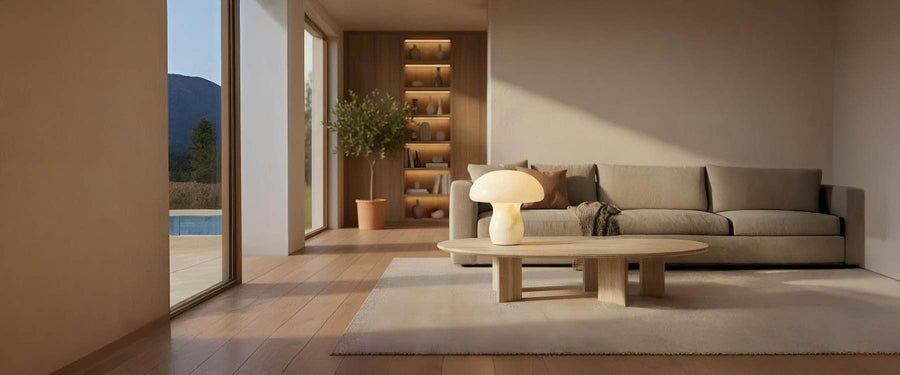
Floor lamps and table lamps can serve as additional sources of light to complement downlights and spotlights. These fixtures are perfect for adding warmth and providing localized lighting without requiring overhead installation. When used correctly, they can help balance the light in the room and ensure that each area is adequately lit for different activities.
Layering Lighting Sources: Use floor lamps and table lamps alongside spotlights to create a more inviting atmosphere. While spotlights provide general light, floor and table lamps add a soft, ambient glow that can make the space feel cozier and more welcoming.
Room Layout: Consider the layout of your room when positioning floor and table lamps. Place table lamps on side tables near seating areas to provide task lighting for activities like reading or socialising. Floor lamps, positioned in corners or next to furniture, can add height and balance to the room’s lighting scheme.
Softening Light: These fixtures work together to create a soft, inviting ambiance. When combined with other lighting types, they help reduce harsh shadows and glare, making the room feel warm and comfortable.
By mixing floor and table lamps with other lighting fixtures, you create a layered lighting scheme that provides flexibility and enhances the overall atmosphere of the room.

Adjusting the Look and Avoiding Common Mistakes
One of the great things about mixing different lighting fixtures is how easily you can tweak the brightness and positioning to match your mood or the activity at hand. Here are some simple ways to create the perfect atmosphere:
- Dimmer Switches: Adding dimmer switches to your lighting fixtures gives you full control over brightness. Whether you want a soft, calming glow for relaxing evenings or brighter lighting for tasks like cooking or cleaning, dimmers make it easy to adjust the light to suit the moment.
- Colour Temperature: The type of light your fixtures emit can set the tone for a space. Warm lighting from spotlights and pendant lights creates a cosy, inviting feel, while cooler light from chandeliers or task fixtures adds energy and focus. Mixing these temperatures lets you tailor the vibe of each room.
- Positioning for Mood: Where you place your lights makes a big difference. Softer, diffused light from spotlights is perfect for creating a relaxing atmosphere, while targeted lighting can draw attention to specific areas or add energy to a room, ideal for gatherings or lively activities.
With a little planning, you can use these tips to make your lighting work for you, creating spaces that feel just right no matter the occasion.

When mixing various types of lighting, there are a few common mistakes to watch out for:
Over-lighting: Adding too many fixtures or overly bright lighting can make a room feel harsh and uncomfortable. Use lighting fixtures strategically to avoid overwhelming the space.
Mismatched Styles: Ensure that the style of your fixtures complements each other. Mixing modern fixtures with more traditional ones can lead to an uncohesive design. Stick to fixtures that share a common theme or design language.
Uneven Lighting: Pay attention to how light is distributed throughout the room. Using only spotlights or downlights may create uneven lighting. Layer different types of fixtures to ensure the room is evenly lit.
Mixing various lighting fixtures is an effective way to achieve a balanced and harmonious lighting design in any room. By strategically combining spotlights, pendant lights, chandeliers, and floor lamps, you can create a lighting scheme that meets both functional needs and aesthetic desires. Experiment with different combinations and placements to find the perfect balance of light that suits your space. With careful consideration and a thoughtful approach, you’ll be able to create a beautifully lit environment that enhances both the ambiance and functionality of your home.