
Introduction
Done well, wall lights shape mood, create depth, and guide the eye through a space. They add intimacy where overhead fixtures feel flat, and they free up surfaces for décor and daily use. From bedside reading to highlighting art or improving hallway safety, these fixtures earn their keep. This guide explains how to select, size, and position wall lights for bedrooms, living rooms, bathrooms, and hallways, with practical tips on finishes, heights, and layering so your home feels cohesive and considered.

Bedroom Wall Lights: Warmth, Function, and Relaxation
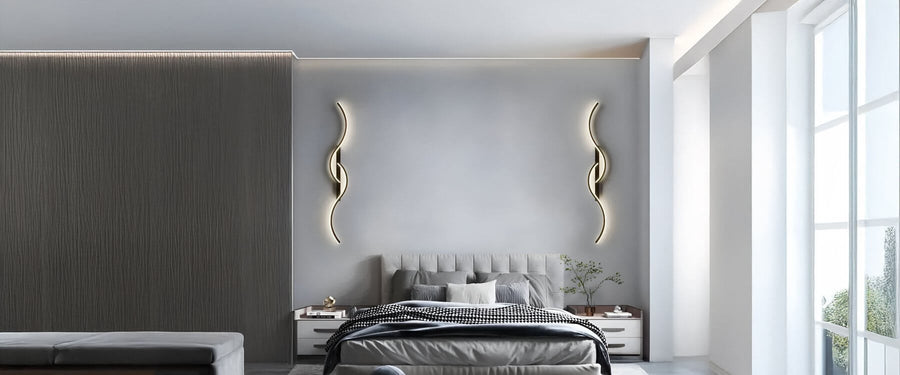
Bedrooms benefit from calm, layered illumination that supports winding down, reading, and getting ready. A pair of sconces flanking the headboard keeps nightstands clear while delivering targeted light.
Placement and height
Mount bedside fixtures so the center of the shade sits roughly 60–66 inches from the floor or a little above the headboard, keeping glare out of your eyes when seated in bed.
If you prefer pendants at the bedside, aim for about 30 inches above the nightstand surface and ensure shades sit slightly forward of the headboard so light reaches the page.
Task options
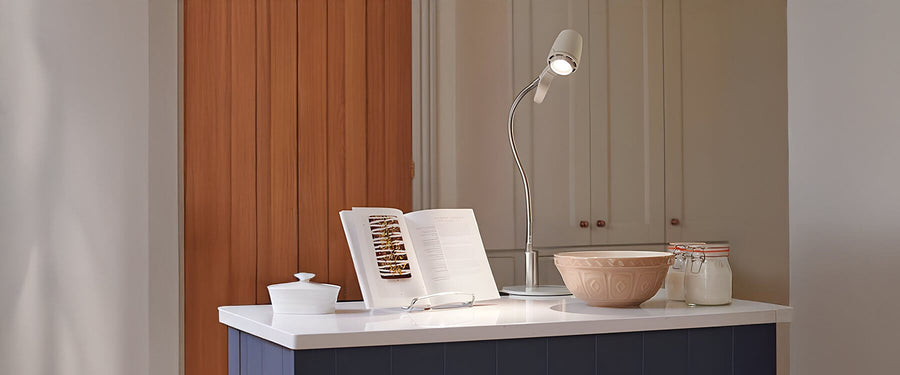
bedside wall lights with swing arms make aiming the beam effortless for late-night reading.
wall reading lights for bedroom setups with pinpoint optics avoid lighting the whole room. Choose warm color temperature bulbs (2700–3000K) to preserve a restful atmosphere.
Ambient choices
modern bedroom wall sconces with fabric or frosted diffusers soften edges and deliver ambient wall lighting for bedrooms without harsh hotspots.
adjustable wall lights for bedside use let you tilt or swivel to transition from reading to relaxing.
soft wall lights for relaxation pair well with dimmers so you can step down brightness as bedtime approaches.
Styling
Keep symmetry for a calm look. Coordinate finishes with hardware and bed frame details. Brass, bronze, or matte black each bring a different vibe; choose one that complements your textiles and furniture.

Living Room Wall Lights: Style and Layered Ambience
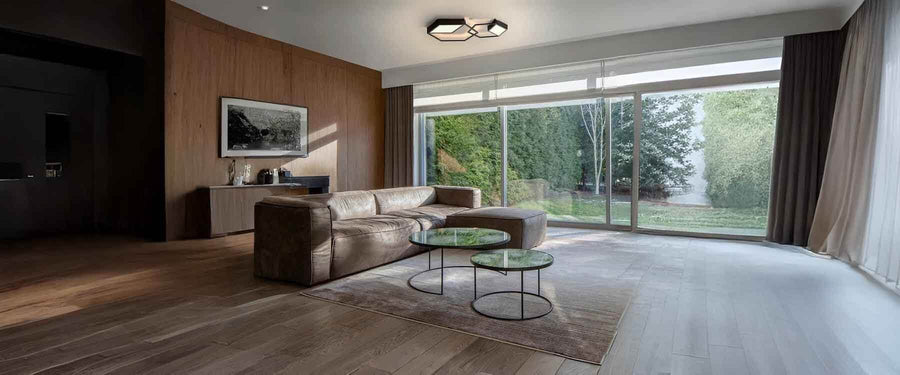
Living rooms need flexible layers for conversation, media, and entertaining. Sconces introduce dimension at eye level and help zone the room without adding floor clutter.
Zoning and focal points
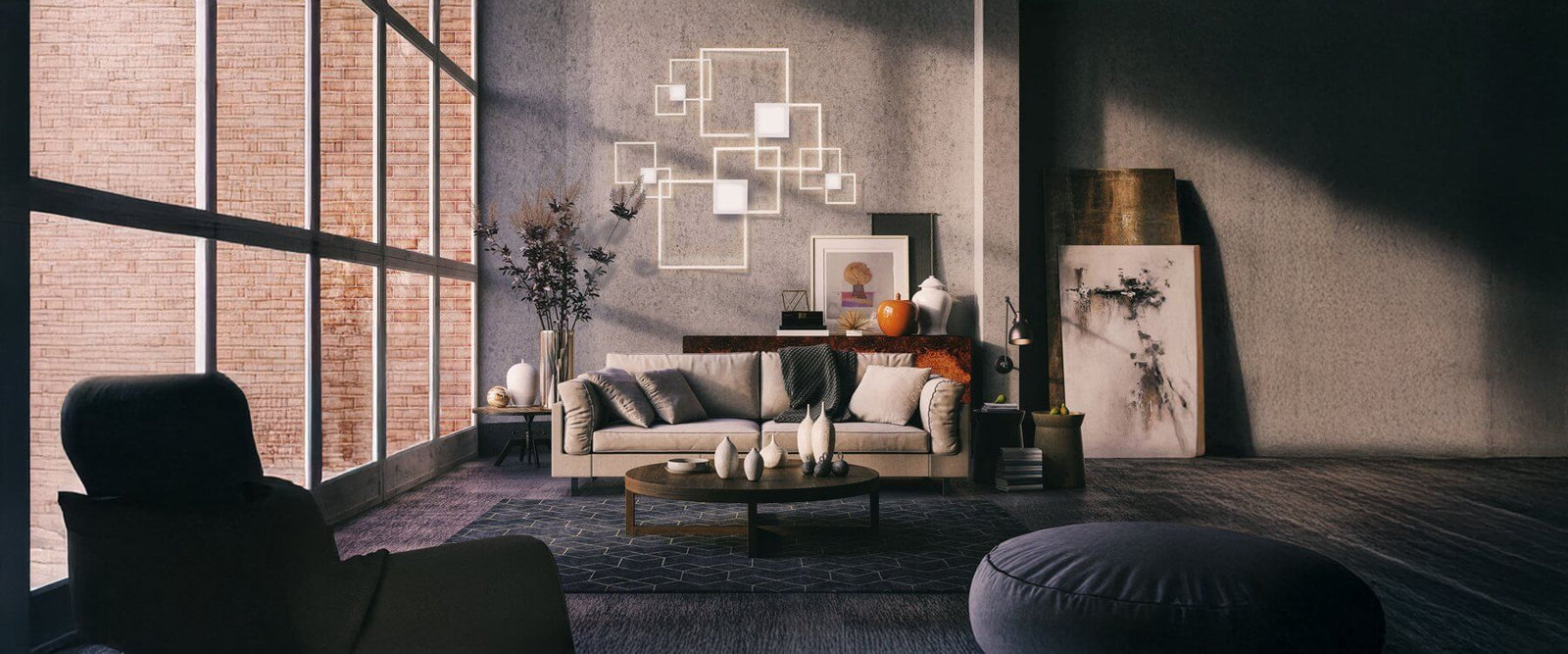
Use decorative wall sconces for living room walls to frame a fireplace, mirror, or built-ins. Position them slightly above eye level, spaced evenly to avoid hot spots and dead zones.
For media walls, accent wall lighting for living room layouts should use diffusers or backlighting to reduce screen glare.
Layering with other fixtures
layered lighting in living room schemes typically combine a ceiling source, portable lamps, and a sconce layer. The result is a smoother gradient of light, fewer shadows, and better control over mood.
wall uplighters for living rooms bounce light off the ceiling to increase perceived height and add a gentle, architectural glow.
LED wall lights for living space setups reduce energy use while offering warm, flicker-free dimming.
When to make a statement
Statement wall lamps for living room moments can be sculptural, textural, or oversized. Use them where they can be seen in profile to emphasize form, and repeat their finish in frames or hardware for cohesion.

Hallway and Entryway Wall Lights: Guiding Light and First Impressions
Circulation spaces benefit from rhythm, safety, and a welcoming glow. Proper spacing prevents scalloped walls and dark gaps.
Narrow corridors and stairs
In tight passages, wall sconces for narrow hallways should be low-profile so they do not snag bags or elbows. Center heights around 60 inches create a consistent visual line.
For wall lighting for staircases, stagger fixtures on landings and turns to keep treads evenly lit; spacing every 6–8 feet is a good starting point. Low-glare shades improve safety without glare.
Entryways
entryway wall lights set the tone for the home. Pair them with a ceiling pendant for layered light that feels warm yet functional.
motion-sensor wall lights near doors add convenience after dark and conserve energy when traffic is low.
Long runs
low-profile wall lighting for corridors avoids visual clutter. Minimalist hallway wall lamps with frosted diffusers offer soft, continuous bands of light that guide movement and calm the eye.

Practical and Design Tips
Placement tips
Follow simple wall light placement ideas: aim for a consistent eye-level center line around 60–66 inches, adjusting for tall baseboards, wainscoting, or artwork.
If you are confident with wiring, consult how to install wall lights guides and local code; otherwise, hire a licensed electrician.
A wall light height guide helps align fixtures across adjoining spaces so the visual horizon stays level.
Layering advice
Use layered lighting design tips to combine ambient, task, and accent sources. A sconce layer between ceiling lights and table lamps fills shadows and adds dimension.
In open plans, tie zones together with matching finishes or repeated shade shapes so the eye travels comfortably.

Energy efficiency and control
energy-efficient wall lighting with high-quality LEDs lowers bills and maintenance. Look for warm-dim drivers if you want incandescent-like dimming from bright task levels to candlelit ambience.
dimmable wall lights maximize versatility. Put bedside, living, and corridor runs on separate circuits for tailored control and smoother transitions from day to evening.
Aesthetic consistency
modern wall light designs range from minimalist bars to sculptural forms. Choose one visual language per room and limit mixed metals to two tones.
Fabric, ribbed glass, alabaster, and prismatic lenses each shape light differently; pick the diffuser that suits your mood goals and cleans easily in the room it serves.

Room-by-Room Quick Reference
Bedroom
Two sconces at the headboard for symmetry and task light.
Warm 2700–3000K bulbs; add individual dimmers for independent control.
Combine with a soft ceiling source and a small accent lamp for depth.
Living room
Frame focal points and balance brightness across seating zones.
Mix uplight and diffuse forward light for height and comfort.
Keep glare low near screens and add portable lamps for tasks.
Hallway and entry
Even spacing to avoid dark patches; favor slim profiles.
Add sensors or timers to save energy.
Coordinate heights across doors and millwork.

Conclusion
Choosing the right fixtures, placing them at the correct height, and layering them with other sources can transform your home. In bedrooms, targeted reading beams and gentle diffusers support relaxation. In living areas, accent pieces add character while uplight boosts perceived height, and corridors benefit from rhythmic illumination that guides movement. When you match finishes, manage glare, and add dimmers, your lighting feels tailored and timeless. Explore our curated collections to find the styles and features that fit your rooms, then use the guidance above to install with confidence and create spaces that look beautiful and work well every day.