
Introduction
Bathroom lights make or break how comfortable your bathroom feels, because placement controls shadow, glare, and whether the room looks calm or harsh. In my day-to-day work designing lighting at Niori, I regularly see bathrooms with stylish fittings that still feel awkward simply because the light is in the wrong place. The good news is that you don’t need dozens of fixtures to fix it you need the right ones, placed with purpose.
The main aim is balanced, flattering light for daily routines, with softer options for evenings. When you plan lighting by zones instead of relying on one bright ceiling fitting, your mirror becomes easier to use, corners stop feeling gloomy, and the whole space feels more polished.

Where Should You Place Bathroom Lights For The Most Balanced Result?
Bathroom Lights should be placed in layers so the mirror, the room, and any feature areas each get the type of light they need. That usually means one layer for grooming, one for general brightness, and one for comfort. When these layers work together, you get even illumination that feels natural rather than “spotlit”, which is exactly what well-planned Bathroom Lights are designed to achieve.
A simple way to think about it is: start with the face, then light the room, then add atmosphere. That order helps you avoid the classic mistake of a bright ceiling downlight that makes the mirror look shadowy and the rest of the room feel flat.
What lighting zones work best in a bathroom?
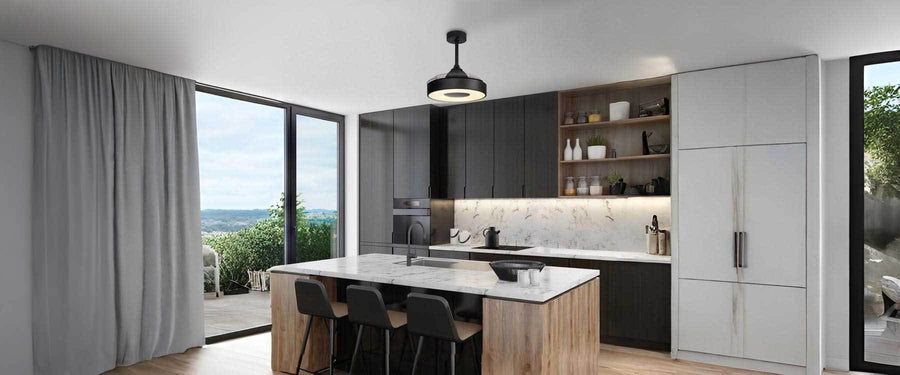
The best lighting zones are task lighting at the mirror, ambient lighting for the room, and accent lighting for depth. Each zone has a clear job, and good placement prevents one fitting from trying to do everything. In practice, zoning also helps you choose the right switching, so you can brighten the room for cleaning or soften it for winding down much like you would when planning kitchen lights, where practical brightness and controlled glare matter just as much.
What is task lighting and where should it go?
Task lighting is the focused light you use for shaving, skincare, and makeup, and it belongs around the mirror rather than directly above your head. Face-level lighting reduces the shadows that appear under eyes and around the chin. If you’ve ever leaned closer to the mirror because your face looks unevenly lit, that’s a task-lighting issue.
What is ambient lighting and how do you place it?
Ambient lighting is the general, “fill” light that makes the space safe and easy to move around in. It normally sits on the ceiling, but it needs to be positioned to avoid creating pools of brightness with darker gaps between them. A bathroom should feel evenly lit from the moment you walk in, without relying on the mirror light to brighten everything else this same “even spread” principle is also useful when choosing bedroom lights, where harsh hotspots can make the room feel less relaxing.
What is accent lighting and where does it belong?
Accent lighting is the softer layer that adds comfort, usually placed low or aimed at a feature rather than at your eyes. It’s optional, but it’s a brilliant way to make a bathroom feel considered, especially at night. The trick is subtlety: accent should support the other layers, not compete with them.

Where Do Bathroom Lights Work Best Around a Mirror?
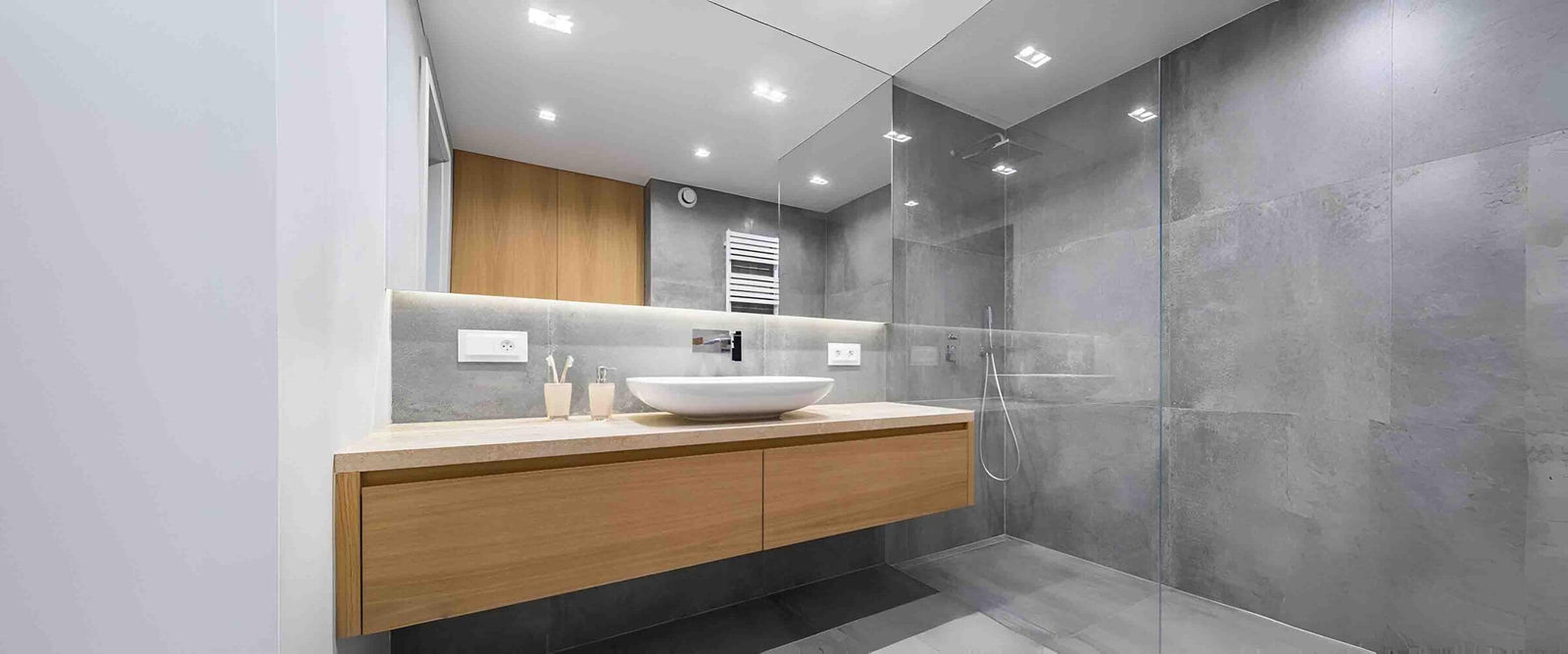
Bathroom Lights work best at roughly face height on either side of the mirror, because that placement lights the face evenly from both directions. This reduces harsh shadows and makes your reflection look more natural. Side lighting is also easier on the eyes than a bright overhead source reflecting directly in the mirror.
If you can fit two vertical wall lights, place them so the centre of the light output sits around eye level for the main users. As a guide, that often means mounting them roughly between 150-170cm from the finished floor, but proportions matter more than a single measurement. Choose diffused covers (opal or frosted) to keep the light soft and to avoid seeing a bright point source.
If side placement isn’t possible, a wide fitting above the mirror can still work just avoid tiny, intense spots. Look for a fitting that throws light forward and down rather than straight out into the room. A clean, diffused option from Ideal Lux can suit this approach when you want a neat modern look without harsh glare.

How Can Bathroom Lights Be Placed To Avoid Glare?
Bathroom Lights avoid glare when the light source is shielded, diffused, and not positioned directly in your line of sight. Glare is usually caused by exposed bulbs, overly bright spots, or reflections bouncing off mirrors and glossy tiles. It’s not just uncomfortable it can make the bathroom feel colder and less welcoming.
To reduce glare without sacrificing brightness:
Use fittings with frosted diffusers or recessed light engines.
Avoid placing downlights directly above where you stand at the basin.
Angle wall lights so the brightest part of the beam isn’t aimed at eye level.
Split lighting onto separate circuits so you can balance levels rather than blasting everything at once.
A quick real-world check: stand where you normally use the mirror and look straight ahead. If you can see a harsh bright source reflected in the mirror, you’ll feel it every day so adjust placement or choose a more diffused fitting.

Where Should Bathroom Lights Go On The Ceiling?
Bathroom Lights on the ceiling should be arranged to create even coverage across the whole room, not just a bright centre. In smaller bathrooms, two well-spaced ceiling fittings often outperform one central fitting because they reduce dark edges. In larger bathrooms, you may use more fittings, but wider beam spreads and thoughtful spacing matter more than quantity.
A practical placement approach is to avoid lining ceiling lights up exactly with the mirror standing point. Overhead light can create deep shadows in the eye area, especially if it’s the only source. Instead, treat ceiling lighting as the “fill” layer and let the mirror lighting do the facial work.
If your bathroom has a separate WC area or an alcove, ensure it gets some ambient spill or its own gentle source. Nothing makes a bathroom feel unfinished like one bright area and another that’s noticeably dim.

How Do You Place Lighting Near Showers And Baths Safely?
Bathroom Lights near water must be positioned with the correct bathroom zone protection, using fittings with suitable IP ratings. This is both a safety issue and a durability issue, because steam and splashes can quickly damage the wrong fitting. Your installer should always confirm the correct zone requirements for your exact layout.
As a placement rule of thumb, keep decorative fittings away from splash-prone areas, and use sealed fittings where water exposure is likely. Recessed ceiling lights with appropriate protection are often the cleanest solution above showers, while wall lights should be placed where they won’t be directly hit by spray. Planning this early prevents last-minute compromises that ruin the look.

Step-by-Step: How To Plan Bathroom Lights Placement From Scratch
Bathroom Lights placement is easiest when you map your routine first, then position layers to support it. This keeps the design practical and stops you chasing brightness after the fact. Use this simple planning sequence:
Identify your key positions: basin/mirror, shower/bath, doorway, storage areas.
Plan mirror task lighting first: ideally side lights at face height.
Add ceiling ambient lighting: space fittings for even room coverage.
Check glare points: mirror reflections, glossy tiles, and direct sightlines.
Add one accent idea: under-vanity glow or niche lighting, kept subtle.
Decide switching: separate task, ambient, and accent controls for flexibility.

What Are The Most Common Placement Mistakes, And How Do You Avoid Them?
Bathroom lights often go wrong for the same reasons: relying on a single overhead source and placing spots where they create facial shadows. Another frequent issue is choosing fittings that look attractive but produce unpleasant glare in real use. Bathrooms are reflective spaces, so the wrong placement is amplified by mirrors and shiny finishes.
Avoid these pitfalls:
One central ceiling light as the only source.
A downlight positioned directly above the basin standing point.
Exposed bulbs that reflect harshly in the mirror.
No separate switching, forcing you into one brightness level for everything.
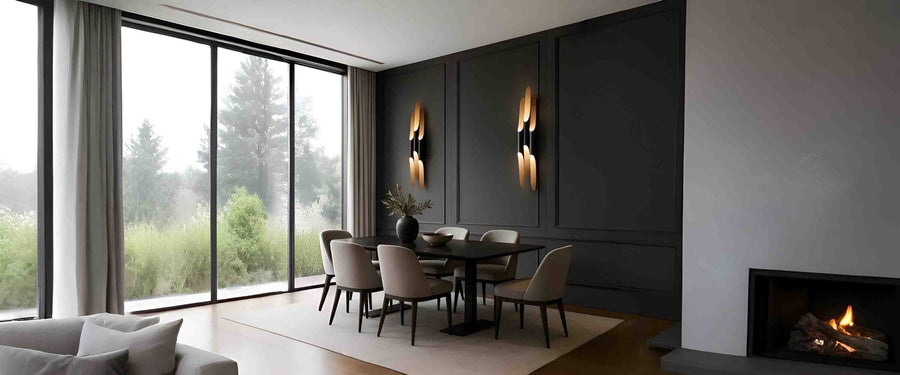
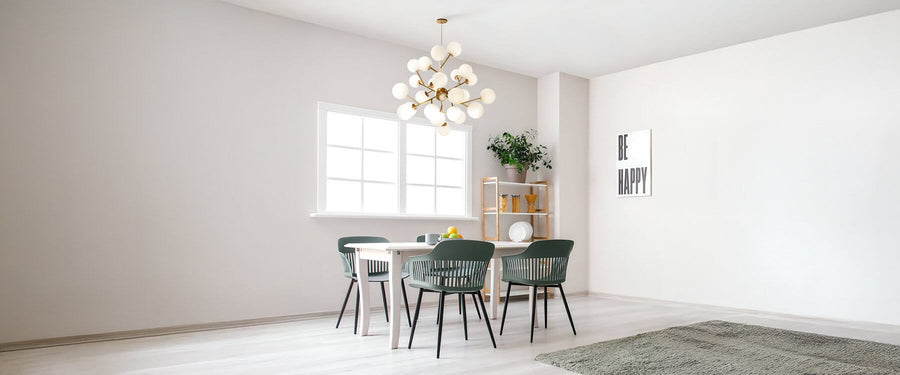
When you correct these, the bathroom doesn’t just look better it becomes easier to use every single day similar to how well-planned dining room lights can change the feel of a space from flat to inviting just by controlling direction and brightness.

Quick Summary
Bathroom Lights feel balanced when you combine mirror task lighting, evenly spaced ambient ceiling lighting, and a subtle accent layer. Side lighting at the mirror reduces shadows and improves grooming, while careful ceiling placement prevents dark corners without creating glare. Separate switching helps you tune the room for mornings, evenings, and night-time use.

Conclusion
Bathroom Lights work best when you place them with clear intent: light the face at the mirror, fill the room evenly from the ceiling, and add a restrained accent layer for comfort. Prioritising face-height task lighting reduces shadows, while glare control comes from diffusers, shielded sources, and avoiding direct sightlines into bright points. Safe placement around showers and baths relies on using correctly protected fittings in the right zones. When these layers are planned together and put on sensible switching you get a bathroom lights that looks calm, feels flattering, and works smoothly for everyday routines.