
Introduction
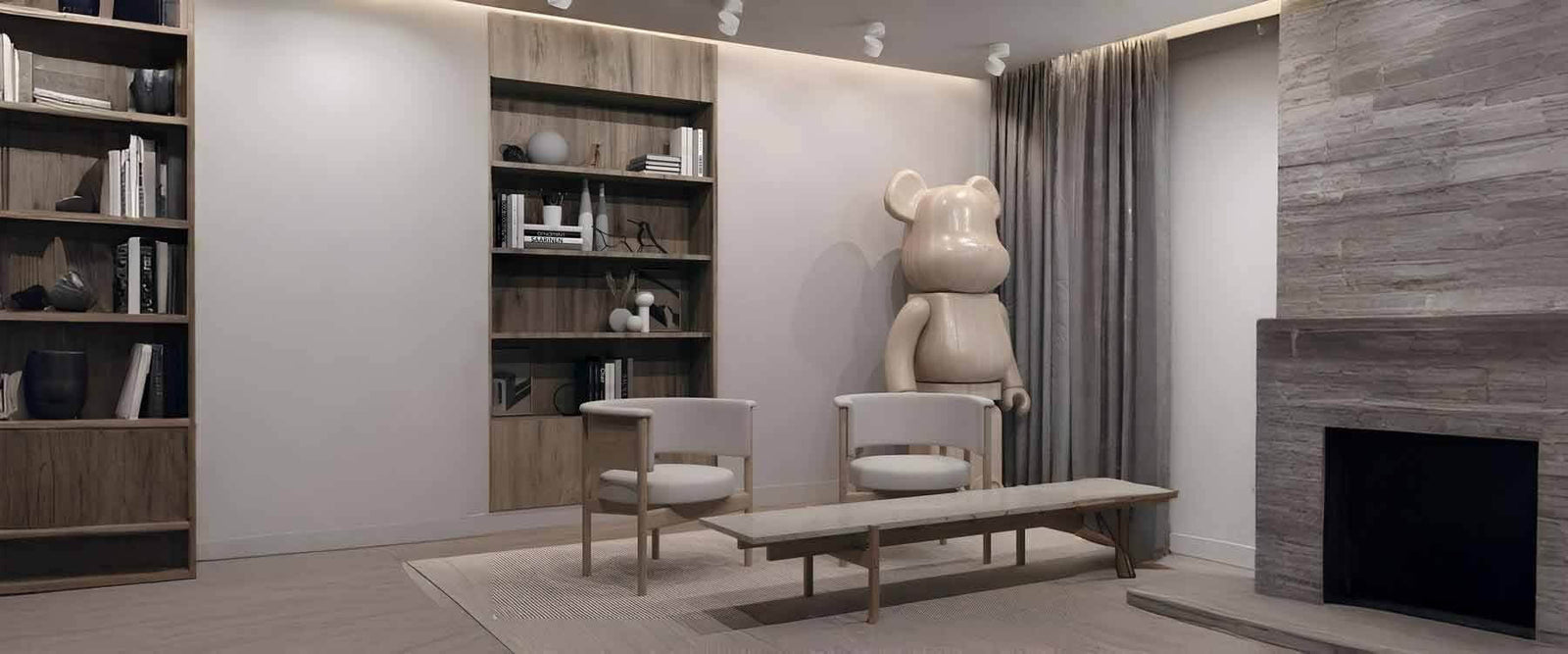
Spotlights can be the difference between a room that merely functions and one that feels thoughtfully designed. A well-aimed beam shapes a reading corner, brings out the grain in wood or the texture in stone, and subtly guides how you experience the space.
What makes spotlights so valuable is their precision and flexibility, clean-lined, adaptable, and easy to adjust as your home evolves. With low-profile housings, energy-efficient LEDs, and mood-shifting controls, they’re as smart as they are stylish. This guide will walk you through choosing, placing, mixing, and caring for them so they look seamless and perform beautifully in every room.

Classic Spotlight Styles: Materials, Details, and Timeless Appeal
Classic accent fixtures lean into ornament and material richness, offering a sense of history and character at first glance. Their identity comes from decorative bases, fuller silhouettes, and shades that look crafted rather than stamped out, with spotlights in this style often featuring small detailing that feels intentionally timeless. You’ll notice touches like soft ridges, subtle fluting, or gently tapered cones that reference heritage lighting forms. Typical materials include:
Brass: warm-toned, substantial, and capable of developing a graceful patina.
Ceramic: smooth or hand-textured bodies that add a “collected” feel.
Stained glass: colored or frosted panels that soften light and introduce glow.
Aged bronze: a deeper, heritage-friendly finish that complements traditional woods and antique décor.
Alabaster: softly translucent and naturally diffusing, ideal for a gentle classic glow.
Textured iron: sturdy and slightly rustic, adding old-world character without feeling heavy.
These pieces reflect long-standing craftsmanship traditions, where lighting was both décor and utility. In homes with molding, paneled walls, vintage furniture, or layered textiles, classic-inspired spotlights echo the architecture instead of competing with it. If you’re styling a lounge or library, pairing these fixtures with cozy reading lights can create a layered, heritage-rich glow.

How Modern Spotlights Shape Clean, High-Performance Interiors
Contemporary directional lighting delivers strong performance while keeping ceilings visually clean and uncluttered, and spotlights in this style are designed to feel almost invisible until switched on. Their slimmer, more geometric profiles pair with soft neutral finishes that blend effortlessly into modern spaces.
Sleek metals: matte black, brushed nickel, champagne gold, and soft white powder coat.
Mixed material collars: marble rings, ribbed glass sleeves, and micro-cement housings.
Integrated LEDs: now the default, enabling ultra-thin profiles and low heat.
Tunable white modules: shifting from cool task light to warm evening ambience.
Smart dimming: scene-based controls via app or voice.
Trimless recessed designs: built for ultra-clean ceilings where hardware nearly disappears.
Adjustable beam angles: allowing one fixture to switch from a wide ambient wash to focused accent.
This modern approach supports “architectural disappearance,” where spotlights blend into ceilings and walls so the light feels like part of the structure rather than a visible add-on.

Hybrid Spotlights: Where Classic Detail Meets Modern Simplicity
If you love heritage charm and modern clarity, hybrid designs sit right in the middle. Spotlights in this blended category may pair a warm, ornate finish with a crisp cylindrical head, or combine a traditional stem with sharp contemporary angles. They’re ideal for homes in transition, because they link old and new without forcing a single theme.
How to style hybrids well:
Use them in hallways or open-plan connectors so a classic living room flows naturally into a minimalist kitchen.
Repeat one “bridge element,” like a brass tone or shared head shape, in two or three rooms.
Let the architecture lead: rustic beams plus modern cabinetry often look best with a fixture that nods to both.
Balance them with simpler surrounding décor, so the fixture reads intentional rather than visually busy.
Pair warm bulbs with hybrids in classic rooms and neutral bulbs in modern zones to reinforce each area while keeping continuity.
Choose hybrids for feature moments like highlighting art, shelving, or a statement wall where their blended character feels purposeful and curated.

How Spotlights Work Best: Dimmers, Bulbs, and Control Options
Directional fixtures do more than switch on and off. A few functional choices change the way a room feels and works.Dimming
Dimmable heads let you move from crisp task lighting to soft ambient mood. Look for drivers that dim smoothly to at least 10%, and match your dimmer type (leading edge, trailing edge, or smart) to the fixture. In living areas, dimming turns spotlights from “utility” into atmosphere.
Bulbs & color temperature
If your units use replaceable bulbs, focus on lumens and color quality:
Warm white (2700K-3000K): best for living rooms, bedrooms, and dining.
Neutral white (3000K-3500K): great for kitchens and offices.
High CRI (90+): keeps artwork, wood, and textiles looking true-to-life.
Aim for 400-700 lumens per head for accent use, and 800+ lumens where you need task brightness. When upgrading to LED beam lights, keep Kelvin consistent across adjoining rooms for seamless flow.
Controls
Smart dimmable fixtures are worth it if you want routines without fuss. Set scenes like “Movie Night” or “Morning Prep,” then adjust multiple heads at once. For rentals, plug-in smart dimmers can add flexibility without rewiring, and they’re especially handy when you’re using picture lights over art that benefits from precise evening dim levels.

Mixing Spotlights with Style: Creating Depth Through Contrast
You don’t have to pick one look and stay there. Mixing spotlights adds depth and sophistication, especially in real homes where styles evolve over time. Two reliable formulas:
Classic base + modern shade: for example, a brass mount paired with a clean cylindrical head.
Consistent shape + varied finishes: matte black in the kitchen, brass in the lounge, brushed nickel in halls.
To keep the mix intentional:
Repeat each finish at last twice on one floor.
Limit yourself to two dominant metal tones per level.
Match beam color temperature across shared spaces so the light feels unified even when fixtures vary.

Room-by-Room Spotlight Placement: Where Each Style Works Best
Different rooms call for different beam behavior and aesthetics, so choosing spotlights room by room helps your lighting feel both intentional and practical. Use this listicle as a planning shortcut:
Living rooms
Choose warmer finishes or hybrids. Place heads to wash walls, highlight shelving, or emphasize a feature sofa. A wide beam keeps the space inviting.Libraries and reading corners
Use narrower beams on shelves and a softer, dimmable beam over seating. Aim to avoid glare on glossy book covers.Classic bedrooms
Go for softly detailed silhouettes and warm metals. Keep beams diffuse and put everything on a dimmer for a calm evening light.Home offices
Modern heads with tighter beams reduce screen reflections. Mount slightly in front of your desk area to avoid shadows from your body.Studios and creative rooms
Track lighting for living rooms can also work here if you need flexibility, but in studios prioritize adjustable recessed lighting. High CRI bulbs are a must for accurate colors.Minimalist kitchens or baths
Low-profile heads in neutral finishes keep ceilings clean. Use directional ceiling lights over prep zones or vanities.Open-plan homes
Use directional heads as the linking element across kitchen, dining, and lounge. Consistent spacing rhythm matters more than matching every finish.

Design Consistency, Finishes, and Proportions
Spotlights should feel like a natural extension of your décor, echoing the shapes, tones, and textures already in the room. When their finish and form align with your furniture and architecture, the space looks more intentional and visually balanced.
Traditional spaces: align finishes with existing hardware and furniture legs. Brass pairs with warm woods; bronze complements deep stains; nickel works with cooler stone. Shades with subtle curves reinforce classic lines.
Modern spaces: keep the palette tight and let geometry do the work. Cylinders and discreet trims align with flat-front cabinetry and minimalist lighting design. In especially smooth, sculptural interiors, plaster lights can complement these minimal forms without breaking the ceiling line.
Layout rules of thumb
Place wall-wash heads about 60-90 cm (2-3 ft) from a wall to graze it evenly.
Space heads around 1.2-1.8 m (4-6 ft) apart for ambient coverage.
Use fewer, more purposeful beams instead of many scattered ones. This helps your modern accent lighting ideas feel calm rather than busy.

How to Care for Spotlights: Cleaning, Safety, and Lifespan Tips
Regular care keeps your lighting performing consistently, from steady brightness to smooth aiming and reliable dimming. It also helps prevent small issues like dust buildup or loose joints from turning into bigger performance problems, which is especially important for adjustable spotlights that are frequently repositioned.A gentle maintenance routine also protects the fixture’s appearance, preserving metal finishes, glass, and coatings from dullness or discoloration. With a few simple habits, spotlights stay polished, safe, and long-lasting in every room.
Cleaning
Turn the power off first. Dust housings weekly with a microfiber cloth. For metal, use a lightly damp cloth and dry immediately, especially on matte finishes that show water marks. Clean glass diffusers with a gentle cleaner to avoid streaking.
Bulb replacement
Replace bulbs in pairs within a room to keep color temperature consistent. If you’re upgrading, match the original Kelvin rating unless you want a deliberate mood shift.
Heat, ventilation, and safety
Confirm that any recessed units are rated for insulation contact. Overheating shortens LED life and can discolor finishes. Every few months, tighten pivot joints and track connections so heads stay aimed and flicker-free.
Lifespan
Integrated LEDs typically last 25,000-50,000 hours. With good ventilation and compatible dimming, your fixtures should remain stable and bright for years.

Conclusion
Directional lighting works best when it’s both intentional and adaptable. In this guide, you’ve seen how classic-inspired fixtures bring heritage through rich materials like brass, ceramic, and stained glass, while modern options keep ceilings clean with slim profiles, integrated LEDs, trimless designs, and adjustable beams. You’ve also explored how hybrid styles connect old and new, how dimming and bulb choices shape warmth and efficiency, and how mixing finishes or silhouettes can add depth without visual clutter. Room-by-room placement and consistent proportions ensure the light supports function, highlights architecture, and makes your décor feel curated. Finally, a simple care routine protects both performance and finish for years of reliable glow. If you’re highlighting artwork or gallery walls, adding Pictures Lights alongside your directional setup can sharpen the display. For a refined design match, Ideal Lux offers spotlight collections that blend beautifully across classic, modern, and hybrid interiors.