
Introduction
Crystal chandeliers can instantly lift a room from “fine” to genuinely memorable, but they’re also one of the easiest statement lights to get wrong. When the size, height, or position is slightly off, the whole space can feel unbalanced. I often see crystal chandeliers fall short due to avoidable choices around proportion, installation, and light quality. The good news is that most issues are preventable with a little planning.
This guide walks you through the most common mistakes to avoid and explains why they matter in real homes. You’ll learn how placement affects sparkle, how to spot installation problems, and how to correct them safely. We’ll also cover bulb selection and layered lighting so your chandelier looks warm and polished, not harsh or flat. By the end, you’ll know exactly what to do so your chandelier feels balanced, shines properly, and suits the way you live in the space.

Quick Summary
Crystal chandeliers look their best when they’re correctly sized, hung at the right height, and supported by a safe installation. The biggest mistakes are poor placement, relying on the chandelier as the only light source, choosing the wrong bulbs, and ignoring cleaning and upkeep. Measure first, plan the light layers, and treat the chandelier as part of the room’s overall design not an afterthought.

What Are The Most common Mistakes People Make With Crystal Chandeliers?
The most common mistakes with crystal chandeliers are choosing the wrong size, hanging them at an awkward height, placing them off-centre, and pairing them with lighting that flattens the crystal’s sparkle. Crystal is unforgiving: when proportions are off, the fixture doesn’t just look “slightly wrong” it can make the whole room feel unbalanced.
Here are the errors we most often correct:
Buying based on a photo rather than room measurements
Hanging too high so the chandelier feels distant and weak
Hanging too low so it blocks sightlines and feels intrusive
Putting it in the wrong location for the room’s “visual centre”
Using cool or overly bright bulbs that cause glare rather than shimmer
Forgetting that crystal needs supporting light sources around it
If you want a chandelier that looks intentional, start by treating it like a design anchor, not a last-minute add-on.

Why Does Poor Placement Affect Crystal Chandeliers So Much?
Poor placement affects crystal chandeliers because crystal works through reflection, refraction, and contrast so its beauty depends on what surrounds it and where it sits in your sightlines. If it’s placed awkwardly, the chandelier can look lopsided, throw harsh shadows, or lose the depth that makes it feel luxurious.
A few real-world examples we see often:
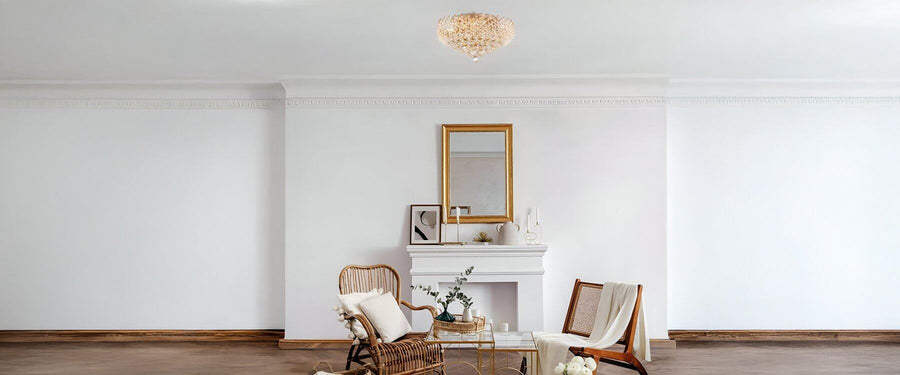
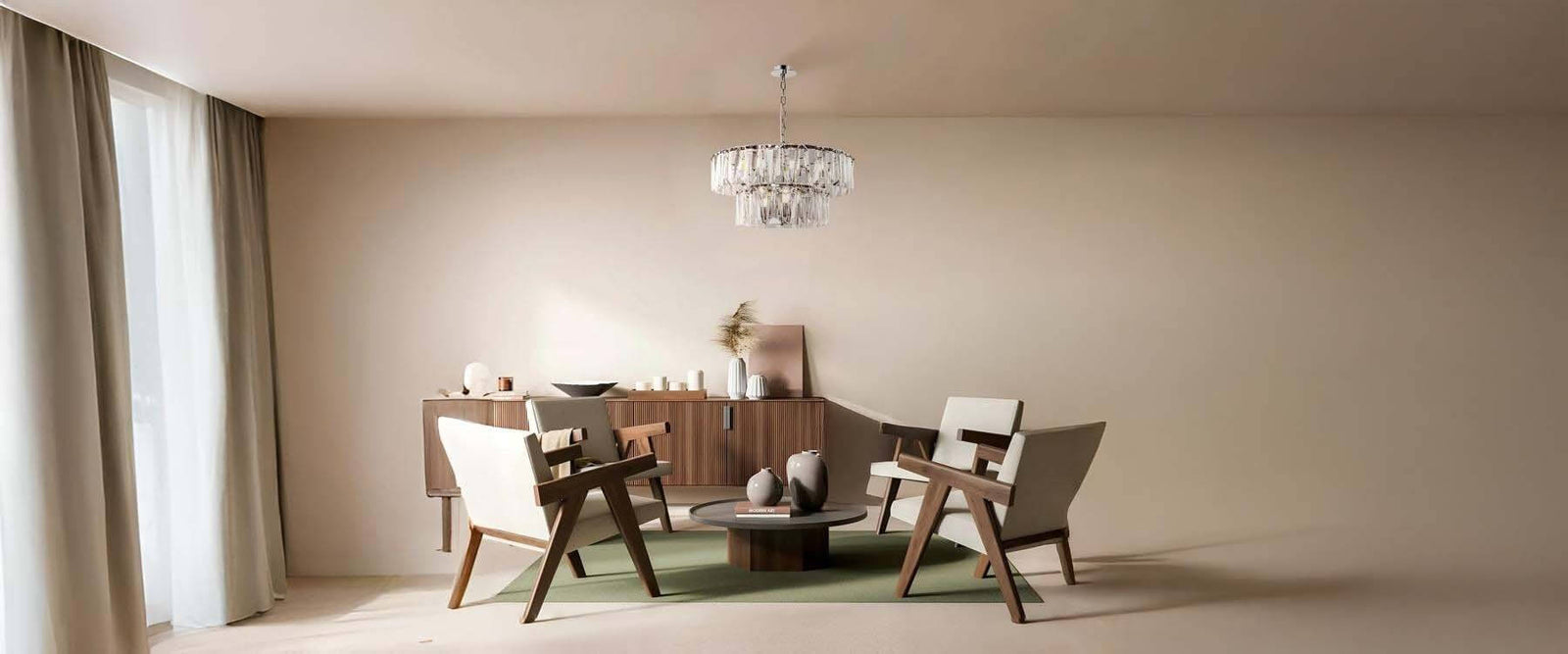
Living rooms: The chandelier is centred on the ceiling, but the seating area is offset so the light feels “wrong” no matter how nice the fixture is.
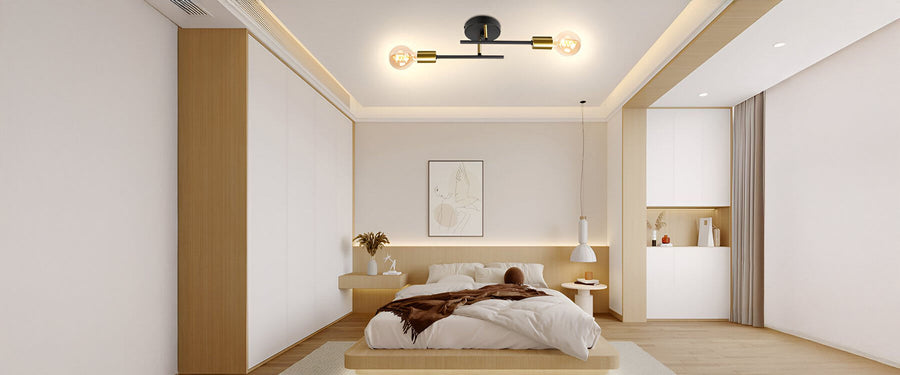
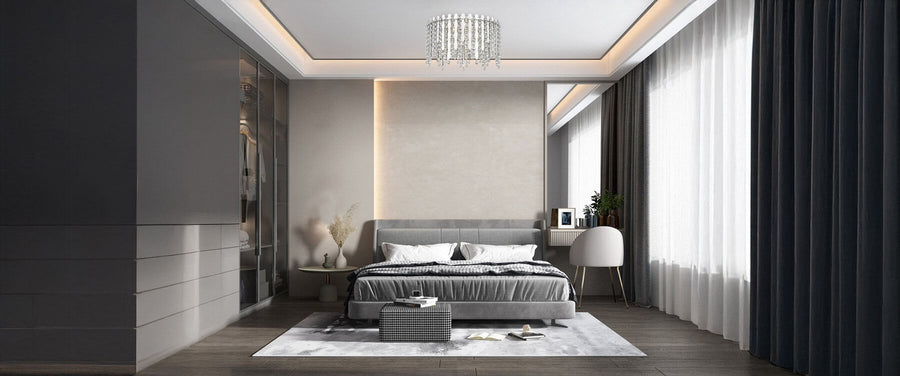
Bedrooms: The chandelier is placed directly over the bed, but it hangs too low and feels visually heavy when you’re lying down.
Hallways: A dramatic chandelier is installed where a slimmer profile would suit better, making the corridor feel tight.
Placement should follow how the room is used, not just where the ceiling junction box happens to be. And if you’re deciding between a feature style and something simpler, it may help to compare your options against modern chandeliers that are designed to sit cleanly within contemporary layouts.

What Happens When The Chandelier Is The Wrong Size?
A wrongly sized chandelier makes the room feel either top-heavy or under-dressed. Too large, and it dominates everything especially in rooms with standard ceiling heights. Too small, and it looks like it’s “floating” without purpose, which is disappointing with crystal because it should feel deliberate and confident.
A practical sizing method we use at Niori:
Add the room length + room width (in feet)
Convert that total into inches for an estimated chandelier diameter
For example, a 12ft x 14ft room totals 26 so a chandelier around 26 inches wide is a strong starting point. Then adjust based on ceiling height and furniture footprint.
Also consider the chandelier’s visual weight:
Dense, multi-tier crystal reads larger than a slimmer, open-frame design.
A wide chandelier in a narrow room can crowd the edges visually.
If you’re trying to match period features, remember that size isn’t just maths it’s style. In traditional spaces, the proportions often feel best when aligned with traditional chandeliers and the room’s architectural details.

How High Should Crystal Chandeliers Be Hung?
Crystal chandeliers should be hung to create presence without getting in the way. The correct height makes the fixture feel connected to the room, while still allowing comfortable movement and clear lines of sight.
General guidance:
Above a dining table: Roughly 75-90cm above the tabletop
In open living areas: Aim for at least 210cm from the floor to the lowest point
In bedrooms: Consider sightlines from the bed and avoid anything that feels looming
In stairwells: Prioritise clearance and centre the drop so it looks balanced from multiple angles
A common mistake is hanging a chandelier “where it looks nice” from one viewpoint, then realising it’s uncomfortable from another. Walk the room, sit down, stand up, and check how it feels from the positions you’ll actually use.

Why Is Incorrect Installation a Bigger Problem Than People Expect?
Incorrect installation is a serious issue because crystal chandeliers can be heavy, and a poor fix can cause long-term ceiling damage or worse. Even smaller chandeliers may require proper bracing, especially in older properties or ceilings with limited support.
Installation mistakes we see repeatedly:
Fixing into plasterboard without adequate reinforcement
Using a weak hook or bracket not rated for the fixture weight
Not levelling the chandelier, so it hangs slightly tilted
Rushing wiring or skipping essential electrical checks
Forgetting strain relief, which can stress cables over time
If you’re investing in a quality chandelier whether it’s a statement piece or a refined option from brands like Diyas installation is not where you want shortcuts.

How Can You Fix Incorrect Crystal Chandeliers Installation?
You can often fix incorrect crystal chandeliers installation by correcting height, re-centring the fixture, and upgrading the mounting support. Many people assume a “wrong” chandelier needs replacing, but in practice, the fix is often structural or positional.
Step-by-Step: what we recommend checking first
Switch off power at the consumer unit before touching anything.
Confirm the mounting point is secured into a suitable joist or reinforced support.
Measure the ideal hanging height for the room and adjust the chain or rod length.
Level the chandelier and check it sits evenly from multiple angles.
Test with the chosen bulbs, then assess glare, brightness, and sparkle.
Add dimmer control if brightness feels harsh or too “flat” at night.
If the chandelier is off-centre from the room’s functional focal point, a qualified electrician can relocate the ceiling point or use appropriate solutions to bring the fixture visually back into alignment.

What Not To Do With Crystal Chandeliers In Modern Interiors?
Avoid forcing an ornate chandelier into a space that has no visual “support” for it. In modern interiors, crystal can look incredible but only when the surrounding finishes and shapes don’t fight it.
Mistakes to avoid:
Pairing heavy crystal with overly busy ceilings, beams, or bold patterned wallpaper
Choosing crystal with lots of warm antique metalwork in a cool, minimal scheme (unless it’s an intentional contrast)
Using stark, cool bulbs that make crystal look icy rather than elegant
Over-accessorising the room so the chandelier competes instead of leading
A simple way to make crystal feel modern is to keep the rest of the room calm: clean lines, fewer competing finishes, and soft layers of light.

Should Crystal Chandeliers Be The Only Light Source In a Room?
Crystal chandeliers should rarely be the only light source because they’re designed to be a feature first and a workhorse second. Relying on one central fitting often creates uneven lighting bright in the middle and gloomy around the edges.
A better approach is layered lighting:
Downlights for general ambient light
Wall lights for depth and soft side illumination
Lamps to create warmth and cosy zones
Dimmers to shift the mood through the day
This layering also helps crystal perform better. When the room has gentle supporting light, the chandelier sparkles instead of glaring.

How Do Bulb Choices Change How Crystal Looks?
Bulb choice directly affects whether crystal chandeliers glow warmly or look harsh and tiring. The wrong bulbs can wash out the detail, cause glare, or make the chandelier feel cold and clinical.
What we typically recommend:
Warm white bulbs around 2700-3000K for a flattering glow
Clear bulbs where the lamp is visible, so the fixture looks crisp
Avoid very high output bulbs unless the room is large and well layered
Ensure bulbs are dimmer compatible if you’re using a dimmer switch
If your chandelier looks “flat”, the fix is often as simple as changing the bulbs and adjusting brightness levels.

How Do You Maintain Crystal Chandeliers Without Turning It Into a Chore?
Crystal chandeliers stay brilliant with light, regular upkeep rather than rare, intense cleaning sessions. Dust and airborne residue dull crystal faster than most people expect, especially in open-plan spaces.
Maintenance mistakes to avoid:
Spraying cleaner directly onto the chandelier
Using harsh chemicals that cloud or mark crystal
Cleaning while the fixture is warm, which can leave streaks
Neglecting kitchen-adjacent fixtures where grease can build up
A practical routine:
Dust lightly every 2-3 months using a soft cloth or gentle duster
Do a deeper clean once or twice a year, working section by section
Keep gloves handy to avoid fingerprints on crystal drops

Conclusion
Crystal chandeliers are at their best when they’re sized correctly, placed thoughtfully, installed safely, and supported by well-planned layers of light. Most disappointing results come down to a handful of avoidable mistakes: hanging at the wrong height, placing the chandelier in the wrong visual centre, choosing bulbs that cause glare, and treating the chandelier as the only source of light. Measure first, plan for how the room is used, and keep the surrounding design calm enough to let the crystal sparkle. With those fundamentals in place, a crystal chandelier becomes a long-lasting centrepiece that feels polished, balanced, and genuinely luxurious.