
Introduction
You’ve carefully chosen furniture, matched your colour palette, and invested in decor, but your room still feels off. It’s probably not the sofa or the paint, it’s the lighting. Specifically, your ceiling lights.
The right ceiling lights set the tone, shape the mood, and support how a room functions. Yet lighting is often overlooked or treated as an afterthought, leading to uncomfortable brightness, shadows in the wrong places, or fixtures that just don’t fit the space.
This guide tackles the five most common ceiling lighting mistakes, and how to fix them room by room. Whether you're dealing with ineffective Bedroom Lights, overly intense Kitchen Lights, or a Dining Room Lights setup that feels more cafeteria than cozy, these practical solutions will help you light smarter.

Mistake #1 – Using the Same Ceiling Lights in Every Room
One-size-fits-all rarely works with lighting. Each room has unique functions, and your ceiling lights should reflect that. Using the same style, brightness, or fixture type throughout the home leads to lighting that feels generic, and worse, functionally wrong.
Fix: Tailor Light Type and Intensity by Space
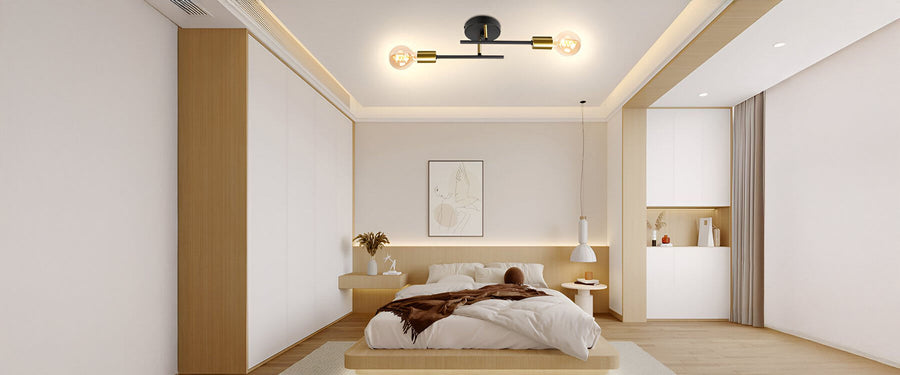
In bedrooms, opt for soft Bedroom Lights with warm tones and dimming features. Think flush-mounted fixtures with fabric diffusers or low-profile LED panels for a restful atmosphere.
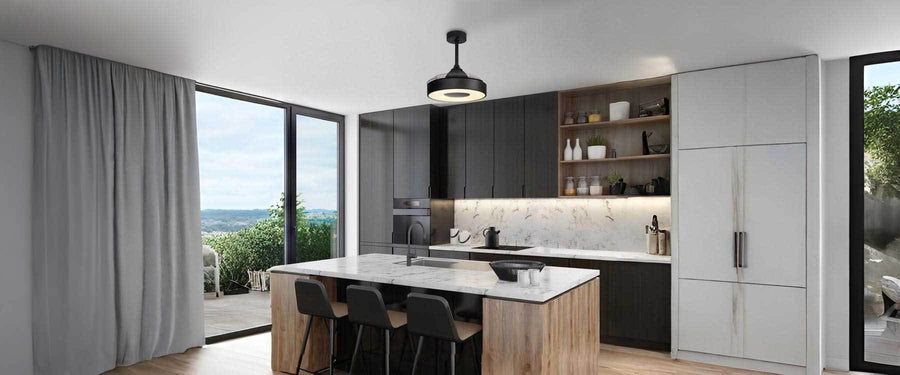
Kitchens need layered Kitchen Lights, including bright ambient ceiling fixtures and targeted task lighting. Semi-flush designs with wide diffusers are ideal for spreading illumination across work surfaces without harsh shadows.
For dining areas, use dimmable Dining Room Lights like suspended ceiling fixtures or compact chandeliers to shift from meal prep to evening ambiance.
Living rooms benefit from ambient ceiling lights paired with floor or table lamps. Keep brightness moderate and diffusion soft to avoid over-illumination.
Tailoring your lighting setup by room helps you balance form and function with ease.
Mistake #2 – Ceiling Lights That Are Too Bright or Too Dim
Too much brightness washes out a room and creates glare; too little makes tasks difficult and the space feel gloomy. This is especially noticeable in areas where mood matters, like with Bedroom Lights, or where precision is needed, like under Kitchen Lights.

Fix: Use Dimmable LEDs, Fixture Layering, or Adjustable Output
Install dimmable ceiling lights to give each space range. A bright kitchen in the morning can shift to softer lighting during evening meals.
Use directional LED lights with adjustable output to fine-tune brightness levels.
For bedrooms, use dimmable Bedroom Lights or multi-level switches so you’re not limited to one harsh setting.
If your Kitchen Lights feel too clinical, switch to bulbs with warmer colour temperatures or add diffusers.
In dining areas, combining overhead Dining Room Lights with ambient side lighting helps soften the mood.
For living rooms, avoid overly cold LED panels and add softer Living Room Lights to create a more relaxed feel.
Adjustability is key to making each space versatile without overhauling your lighting plan.

Mistake #3 – Oversized Fixtures in Low Ceilings
Big fixtures in rooms with low ceilings shrink the space visually and physically. They can obstruct views, overwhelm furniture, and create an unbalanced ceiling-to-floor ratio. This is a frequent issue in bedrooms and compact living spaces.
Fix: Choose Flush-Mount or Semi-Flush Ceiling Lights for Low Ceilings
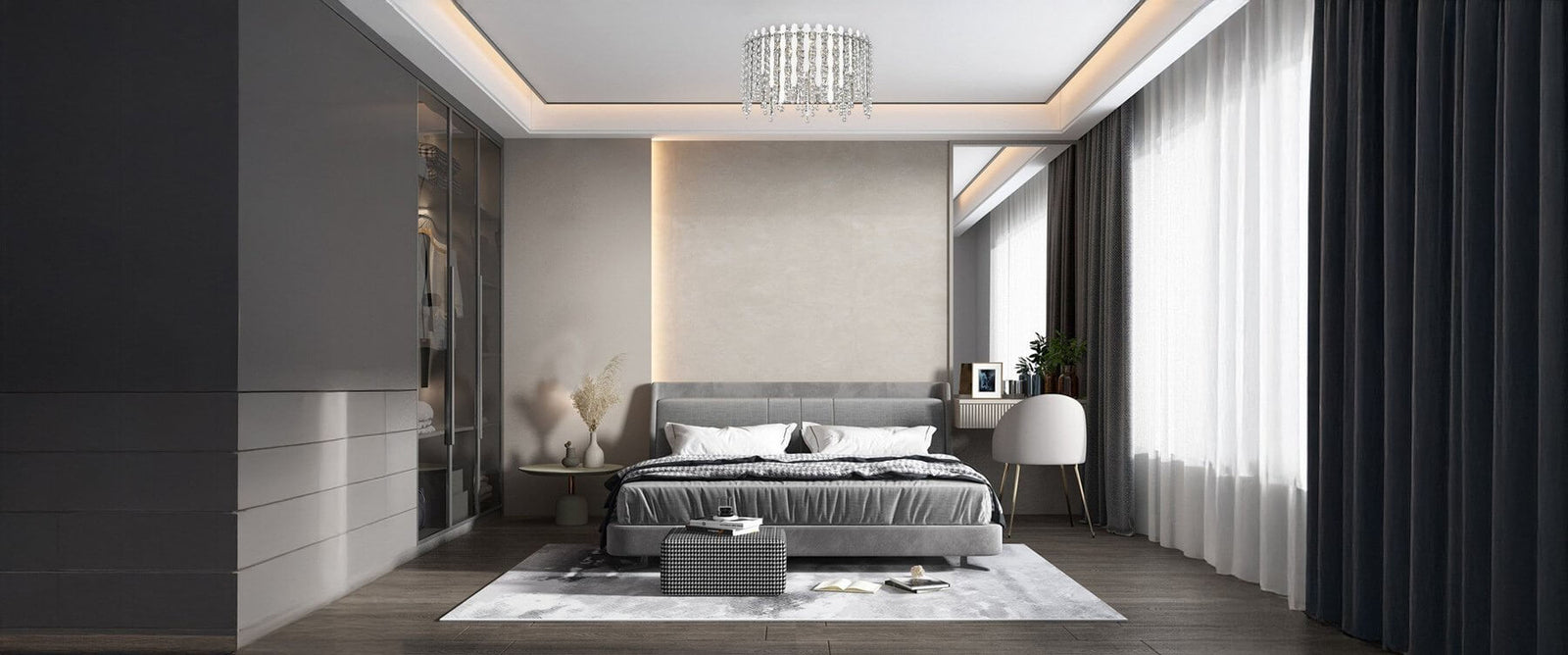
In bedrooms, opt for low-profile Bedroom Lights such as flush-mount drum shades or streamlined LED panels. They add softness without taking up overhead space.
For small living rooms, semi-flush ceiling lights with translucent shades help spread light evenly while maintaining clearance.
Dining rooms with low ceilings still benefit from centre lighting, just keep the drop height minimal or choose a compact chandelier to avoid visual bulk.
Kitchens with limited height should avoid large hanging pendants. Go for surface-mounted Kitchen Lights that provide full coverage without interfering with movement.
Choosing well-proportioned fixtures makes the room feel larger and more cohesive, even in tight quarters.

Mistake #4 – Relying Only on a Single Central Light
A single ceiling fixture creates flat lighting, lacks visual depth, and leaves corners in shadow. This makes spaces feel lifeless, especially in rooms like dining or living areas where atmosphere matters most.
Fix: Layer with Wall Sconces, Under-Cabinet Lighting, or Corner Lamps
In dining rooms, complement Dining Room Lights with wall sconces or picture lighting to frame the space and reduce dependence on one ceiling source.
In the living room, pair ambient ceiling lights with Living Room Lights like floor lamps, uplights, or recessed edge lighting to create layers of tone and warmth.
In bedrooms, use table lamps or wall-mounted reading lights in addition to central Bedroom Lights for flexibility and focus lighting.
Kitchens benefit from layered Kitchen Lights that include ceiling-mounted task lighting, under-cabinet LEDs, and accent strip lights near toe-kicks or shelves.
Layering helps distribute light more naturally across the room, improving both function and comfort.

Mistake #5 – Ignoring Colour Temperature & Fixture Style
The wrong bulb colour or a mismatched fixture can throw off an entire room's tone. A cool white light in a bedroom or a warm bulb in a high-function kitchen often feels jarring. Similarly, an ultra-modern fixture in a traditionally styled room can clash visually.
Fix: Match Ceiling Lights with Room Style and Appropriate Colour Temperature
In bedrooms, choose warm-tone Bedroom Lights around 2700K for a cozy, restful effect. Match finishes to surrounding furniture, brass, fabric, or frosted glass all work well in classic and transitional interiors.
Kitchens typically need 3000K–4000K for clarity. Choose sleek, task-focused Kitchen Lights that match modern cabinetry or appliances.
For dining rooms, a mix of style and warmth works best. Dimmable Dining Room Lights with crystal, bronze, or matte finishes complement everything from mid-century to rustic tables.
Living rooms call for ambient Living Room Lights with flexible tones. Consider fixtures that align with your decor, whether that’s minimalist, industrial, or layered and eclectic.
Matching both temperature and design language makes your ceiling lights feel integrated rather than out of place.

Fix Your Ceiling Lighting for Better Rooms
The right ceiling lights do more than brighten a room, they define it. From choosing the right fixture size to balancing brightness and matching styles, avoiding these five mistakes ensures every space in your home feels intentional and complete.
Remember:
Match light type to each room’s function
Adjust brightness levels to suit the activity
Scale your fixtures to ceiling height
Layer lighting to add depth
Choose colour temperatures that support comfort and clarity
Whether you're updating Bedroom Lights, Dining Room Lights, Kitchen Lights, or Living Room Lights, a smarter ceiling lighting plan can completely transform the look and feel of your home.